Taranto Cruise Port Guide
Taranto’s authentic working port offers direct old-town access, fresh seafood, and hidden coastal gems—but one mistake ruins everything.
In this guide
Try one free personalised day plan — built around your ship’s actual arrival and departure times. Then get every port on your cruise done the same way from £7.99 (about $10).
Cruise Port Overview: What to Expect
Taranto operates as a functional port city rather than a tourist stage set, which means what you encounter is genuinely how people here live and work. Your ship docks at Molo San Cataldo, a short walk from the old town, with no tenders or transfers needed—you walk straight off into southern Italy, unfiltered. The harbour itself is narrow, squeezed between two seas, and you’ll share the space with fishing boats, naval activity, and cargo operations rather than rows of sanitised shops and restaurants.
The port area is small enough to navigate without confusion, but it retains its working-city character throughout. Don’t expect a manicured cruise terminal experience; the industrial reality of Taranto is part of what makes it worth your time. The old town sits immediately beyond the port exit, which means genuine access rather than a manufactured tourist route. You can book guided tours and shore excursions to explore the surrounding region if you prefer structured experiences with local expertise.
The Città Vecchia is where Taranto actually functions—local restaurants, a cathedral, two significant museums, and streets that haven’t been reshaped for cruise groups. During peak arrival times the main piazza can feel crowded, but walking into the side streets quickly puts you among local life. Early risers or late wanderers find considerably fewer other passengers.
Your fundamental choice comes down to whether you’ll explore alone or book an organised tour. Independent exploration gives you flexibility and cheaper food and activities than ship-organised options, which tend to overprice and move at awkward pacing. If museums or archaeology matter to you, hiring a private guide through an advance online booking is genuinely useful—the best guides book up with cruise passengers weeks ahead, and a knowledgeable local reveals details the general crowd completely misses.
Getting From the Port to Town
Taranto’s port sits close enough to the old town that you can walk into the centre without paying for a shuttle or taxi. From the port gate, Piazza Castello in the old town is about 2 km on foot, roughly 21 minutes. Your ship berths near the Città Vecchia, so the journey is straightforward on foot.
If you want to reach places beyond the old town—the beaches at Lido Azzurro, for example—local buses depart from the main piazza at rates that won’t strain your budget. Taxis operate around the port, but drivers often quote higher fares to cruise passengers, so you should confirm the price before getting in. Walking to these places isn’t practical, so public transport makes sense for anything several kilometres away.
The layout works in your favour because everything worth seeing is either walkable or reachable by the buses that locals use every day. You skip the marked-up port shuttle entirely. Walking also means you’ll find neighbourhood restaurants and shops that the ship’s recommended list ignores, and the money you keep goes toward better meals and experiences.
If you care about museums and want proper interpretation rather than rushing through galleries alone, hiring an independent guide before you arrive offers much better value than the ship’s archaeology package. The best local guides fill their availability weeks ahead during cruise season, so booking in advance prevents disappointment when you arrive and find everything full.
The Must-Do Experience: Start Here
Taranto’s actual advantage over other cruise ports is the seafood. You’ll eat better fish here for less money than you would in Rome, and that’s because the boats still unload their catch at the old harbour daily. The restaurants here aren’t trading on atmosphere—they’re trading on access to what the fishermen brought in that morning.
Start early by walking into the Città Vecchia and heading straight to the water. Order coffee at a local bar, not the places near the cruise terminal, and watch the boats while you get your bearings. You’ll work out which restaurants have locals sitting at the tables and which ones are full of ship passengers, which matters when you’re choosing where to eat later.
Spend the middle of your day walking the medieval streets properly. The old town is a tangle of narrow passages where you’ll see actual residents, laundry hanging between buildings, and churches that don’t appear in guidebooks. By afternoon, sit down at one of the waterfront restaurants and order whatever they’re recommending—the menu changes based on what the boats brought in, and the cost stays reasonable compared to anywhere else in the south.
If you want to understand what Taranto actually was, hire a local guide beforehand. They’ll explain the Greek and Roman layers you’re looking at, and it’ll cost you less than the ship’s tour.
History Culture and the Top Sights
The National Archaeological Museum contains the actual evidence of what Taranto was, yet most cruise passengers avoid it because the port authority’s directions make it sound inaccessible. The walk from the terminal to the old town is straightforward, and the collection warrants two hours of your time if you want to understand the streets you’re walking through. The museum’s core strength lies in Roman mosaics and Greek pottery that show how people actually lived when Taranto functioned as a Greek city rather than a historical afterthought.
The labelling is functional but uninspired, so you’ll get more from a local guide than from reading plaques alone. Arrange a guide beforehand rather than arriving at the museum cold—they’ll work through the collections with context, then walk you through the Città Vecchia to show you what the objects meant in practice. This costs considerably less than the ship’s archaeology tour and produces a far clearer picture.
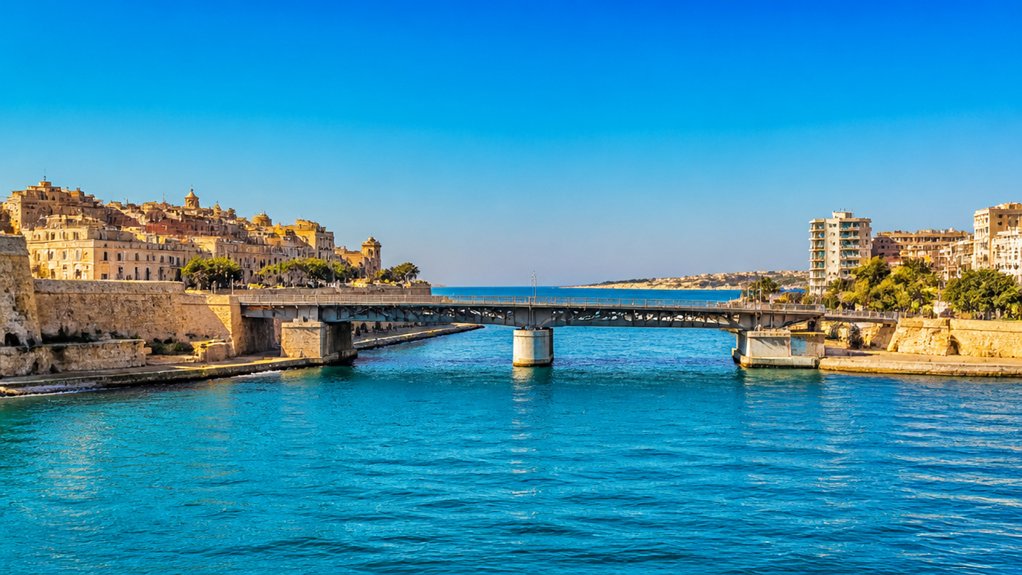
The Aragonese Castle at the tip of the old town, beside the swing bridge, deserves your attention, and the Navy runs guided tours inside. Its real value lies in understanding how it shaped the city’s defensive geography as you move through the streets. The Cathedral occupies the centre of the old town and contains Baroque elements worth seeing, though it’s unremarkable measured against other churches in southern Italy.
Arrange any museum or specialist tour through local operators before you leave the ship. The best guides book up with cruise passengers quickly, so you’ll have better availability and fairer rates by confirming arrangements in advance rather than scrambling at the terminal.
Beyond the Centre: Day Trips and Alternatives
Taranto sits on a peninsula with two natural harbours, yet most cruise passengers never leave the cramped old town without realising the waterfront beyond the medieval streets actually works as a place where people live. The Mar Piccolo harbour to the east functions differently from the crowded Città Vecchia—you can walk the modern waterfront, eat at restaurants that serve locals instead of tour groups, and watch fishermen without being surrounded by other visitors. The light shifts throughout the day in ways worth photographing, and you’ll see significantly fewer people than near the cathedral.
The beaches along the Ionian coast are accessible and far less packed than other Mediterranean ports, with genuinely swimmable water. Local operators run half-day trips that combine beach time with visits to working fishing villages, which costs substantially less than the cruise line’s packages and actually shows you how locals operate rather than the tourism version. A professional driver, small group tour, or local taxi contact arranged before you leave the ship gives you real options instead of whatever remains at the terminal desk.
Shore Excursion or Going It Alone
The ship excursion desk operates on the assumption that you’re isolated and pressured into a quick decision. Their pre-packaged tours aren’t necessary, and you’ll genuinely spend your afternoon better by arranging something independently.
The difference is simple: cruise line excursions cost significantly more for the same activities, lock you into rigid schedules, and funnel you through the same stops as dozens of other passengers. A local operator booked before you arrive charges a fraction of that price, takes smaller groups, and actually adjusts the itinerary based on what you want rather than what fits a timetable.
For beach days, abandon the ship entirely. Local taxi drivers know the Ionian coast properly and will take you to actual swimming spots without the crowds fighting over shade. If you want some structure without the cruise markup, independent operators run half-day beach excursions that pair swimming with visits to fishing villages, departing whenever you’re ready and including genuine conversations with the people who actually work there.
The critical step is booking online before you sail. The best small-group tours fill up quickly once the cruise ships arrive, and you’ll get better rates by committing in advance. Contact the tour operator directly or use a reputable local booking platform—you’ll pay less than half the cruise desk rate and have the freedom to explore Taranto according to your own preferences rather than someone else’s schedule. Consider purchasing a local eSIM data plan to stay connected while coordinating with independent tour operators and navigating the region independently.
Before You Leave the Ship: Taranto Practicalities
From the port gate it is about 2 km on foot to Piazza Castello in the old town, and the walk is straightforward. Once you step past the terminal perimeter, ordinary Taranto starts almost immediately.
Port maps distributed near the gangway route you toward restaurants where tour groups have already claimed the best tables and the worst value. Walking inland for fifteen minutes takes you to trattorias where local people actually eat, where the seafood costs what it should, and where the kitchen isn’t calculating how much extra it can charge a passenger in a lanyard. The food tastes different when the establishment isn’t operating on cruise-day economics.
Taranto’s immediate beaches lack the appeal of the Ionian coast further south and east, where water clarity improves and actual fishing communities still function outside the tourism circuit. Book an independent excursion before departure—they cost substantially less than the cruise desk’s equivalent offering and actually deliver you somewhere worth spending your afternoon. Using a local eSIM data plan helps you navigate independent options and avoid costly roaming charges while researching excursions on your own. The difference between a beach marketed to groups and a beach where locals swim becomes obvious within an hour.
Comfortable shoes matter more than organisation charts. Taranto’s signage won’t guide you reliably, and its pace resists the rhythms most port days operate on. Navigation works better through conversation than arrows, which sounds like a disadvantage until you realize it means fewer cruise passengers and better access to what’s actually happening in the city.
Your Port Day: A Sample Itinerary
Taranto works better when you abandon the terminal’s schedule and operate on the city’s actual rhythms. Walk inland immediately without stopping at the terminal or accepting transport offers—head straight for the old town where narrow streets around the cathedral and waterfront naturally separate you from cruise passengers. Spend your first stretch there, get an espresso at an ordinary café, and let yourself adjust to how the city actually functions.
By midday you need to choose between two approaches. If you want proper beach time and decent water, arrange an independent excursion to the Ionian beaches south and east beforehand since cruise passengers fill these quickly. If time is tight instead, stay near the harbour and eat lunch at a trattoria where the kitchen prioritises taste over volume—the seafood costs what it should cost, and you’ll eat better than rushing back for a ship excursion departure.
The afternoon works best without a schedule, which seems wasteful until you realise it’s the only way to actually see Taranto. Walk toward the neighbourhood streets where fishing boats operate, find a bar serving proper wine, and sit there long enough that checking your watch stops mattering. Consider booking guided excursions in advance to maximize your port day experience and discover hidden gems beyond the main tourist routes.
Book your Taranto day
Tours for this port, compare before you book
Getting around in port
✈️ Before you sail: eSIM, insurance, luggage, flight delays
Ships In Taranto
Upcoming calls from our sailings tracker, updated regularly.
Azura
P&O CruisesSat 15 May
⚓ 08:00–17:00
Azura
P&O CruisesTue 1 Jun
⚓ 09:00–18:00
Costa Serena
Costa CruisesSun 6 Jun
⚓ 09:00–17:00
Costa Serena
Costa CruisesSun 13 Jun
⚓ 09:00–17:00
Costa Serena
Costa CruisesSun 20 Jun
⚓ 09:00–17:00
Costa Serena
Costa CruisesSun 27 Jun
⚓ 09:00–17:00