Moreton Island Cruise Port Guide
Navigate Moreton Island’s hidden shipwrecks and dolphin encounters—but avoid these costly cruise port mistakes.
In this guide
Try one free personalised day plan — built around your ship’s actual arrival and departure times. Then get every port on your cruise done the same way from £7.99 (about $10).
Cruise Port Overview: What to Expect
Moreton Island has no cruise terminal. Ships anchor offshore and tender you in, which means you’ll skip the grinding queues of Brisbane, though it also means basic facilities and a genuinely isolated feel rather than the polished cruise port experience. The landing point is Tangalooma on the western shore, where the resort sprawls across the immediate area and offers a handful of shops and a cafe—nothing more. If you’re after duty-free shopping or multiple restaurants, you won’t find either here.
What matters more is what sits beyond the resort: the beach, the shipwrecks, and substantially fewer people than you’d encounter at other Queensland ports. The island runs on its own rhythm, which brings both freedom and friction—things move slowly and don’t operate with the efficiency you might expect, and late-night options simply don’t exist. Getting around requires either hiring a vehicle or joining organized activities, with the latter being the realistic option for cruise passengers working against limited daylight hours.
You will see other cruise passengers, but numbers stay manageable except when multiple ships arrive simultaneously, which you can check before booking your day ashore. Shoulder seasons offer considerably more space to move around without feeling part of a herd. The overall character here is authenticity rather than manufactured tourism, which means it demands more planning from you but delivers something genuinely different from other ports you’ve visited.
Getting From the Port to Town
The Tangalooma Resort controls the landing point, which means your options for leaving it are limited. You can stay within the resort grounds, rent a four-wheel-drive vehicle if you’re comfortable driving on sand, or book an organised tour through your cruise line that picks you up directly from where the tenders land.
There’s no town to walk to in any conventional sense, which surprises most cruise passengers. The island runs long in one direction, so exploring on your own requires either a vehicle or a pre-arranged guide. If you spend money at the resort as a day visitor, expect to pay resort prices for everything.
On cruise days, the resort’s tours are sold through your cruise line’s own booking system rather than at the resort itself. Whether you want sandboarding, shipwreck exploration, or a four-wheel-drive tour, arranging this in advance means you control how your day unfolds. During busy seasons tours sell out, so booking ahead guarantees your place rather than gambling on availability once you arrive.
If you’re travelling alone or have mobility concerns, the beach beside the resort is a reasonable option that requires nothing more than suitable footwear and sun protection. The practical reality is that anything worth doing here needs either wheels or a guide—there’s no third option—so work within that constraint instead of hoping to find something between the two extremes.
The Must-Do Experience: Start Here
The shipwreck snorkelling here works because the wrecks sit shallow enough that ordinary swimmers actually see them instead of squinting at shapes in murky water. Every cruise passenger with a mask wants to do this on the same day you do, which means the site gets crowded fast. Book the snorkel trip through your ship’s booking system before you sail, because that’s how the resort takes cruise passengers’ bookings and places go early.
The operators worth using deliberately limit numbers, which is why your experience hinges entirely on booking ahead instead of hoping for last-minute availability. A morning slot makes practical sense because the light stays cleaner, the water calmer, and you’ll be back by early afternoon. Bring your own mask and snorkel if you own decent ones since rental equipment varies wildly in quality, and you’ll spend two hours in the water with whatever you’re wearing.
Wear a rash guard or old t-shirt over your shoulders and back rather than relying on sunscreen alone—the physical barrier works better and keeps you from spending your afternoon in pain. The wrecks themselves hold enough marine life that you’re actually looking at something rather than just ticking a box: fish, rays, and occasional turtles appear depending on season and conditions. This is genuinely the one thing worth doing here, so book properly before your ship arrives.
History Culture and the Top Sights
Moreton Island’s colonial past receives considerably less fanfare than its shipwrecks, which works in your favour—the handful of historical sites remain relatively uncrowded. Convicts built Queensland’s first lighthouse here, a pilot station followed, and the island later held a whaling station and wartime coastal forts. Although little remains of some of these, what does exist tells you something genuine about Australia’s past rather than a polished version.
The Cape Moreton Lighthouse at the island’s northern tip serves as the main historical focal point. The tower isn’t open to climb, but the grounds are open and look out over the ocean, and an old keeper’s cottage houses a national park information centre. It’s a long 4WD trip from Tangalooma, so it only fits into a port day as part of an organised tour.
A guided tour is the practical way to see this, since the lighthouse sits at the far end of the island on sand tracks. You’ll absorb the history properly with a local guide who knows the island, rather than trying to find your own way across it.
Pair this with a walk along the quieter western beaches, where you’ll encounter actual sand and relative solitude rather than the crowded tourist strip. Most cruise passengers concentrate on the port area or book water activities, leaving these sections surprisingly peaceful. Bring water and wear proper footwear since paths aren’t always well-maintained, and you’ll spend an afternoon that feels worthwhile rather than rushed.
Beyond the Centre: Day Trips and Alternatives
The real appeal of this island sits beyond the resort area, where the landscape becomes genuinely wild rather than maintained for passenger convenience. Most visitors stay within the cluster of beach bars and water sports operators near the port, which means substantial stretches of coastline remain relatively quiet if you plan to leave.
Hiring a vehicle independently works out cheaper than booking the ship’s tours and gives you control over where you stop and how long you stay. You avoid the inefficiency of group excursions that lose half their time waiting for slower members, though every road on the island is soft sand, so you need a proper 4WD and real sand-driving experience. Having your own transport means you can pull over when something interests you rather than adhering to someone else’s schedule.
The northern beaches offer genuine isolation—long stretches of white sand with few facilities and a quietness that contrasts sharply with typical cruise destinations. Stock up on supplies from the small shops near the port because the cafés further out charge substantially more than they should. An effective afternoon involves driving north, swimming in safe areas, and returning via the inland sand tracks that most cruise passengers never realize exist.
Guided tours covering snorkelling, local history, and beach time fill quickly on cruise days. Book them through your ship’s booking system before your port day, since that’s how the resort takes cruise passengers’ bookings, and spots disappear fast.
Shore Excursion or Going It Alone
On cruise days the resort’s activities are sold through the ship, so the real question is which activity to pick and when to book, not who to book with. Group tours come with slower pacing, stops for stragglers and a fixed return time that feels tight, but they also come with the guarantee that you’ll be back for the tenders on time.
The resort runs snorkelling trips, island tours and beach outings, and on cruise days they book out quickly, so you need to reserve online through your cruise line before arriving. Booking ahead secures your spot and removes the chaos of competing with other cruise passengers when you step ashore.
The legwork is light: choose your activity before you sail, note the meeting point and time on your booking, and head there once your tender lands. Everything starts from the resort, so there’s no transport to arrange, which usually makes for a better day out.
The Mistakes Cruise Passengers Make in Moreton Island
The resort gets crowded when a cruise ship is at anchor, and some of its usual activities may not run on cruise days. Book before you sail rather than hoping to sort something out on arrival, or you’ll end up in whatever has spare places rather than something suited to what you actually want to do.
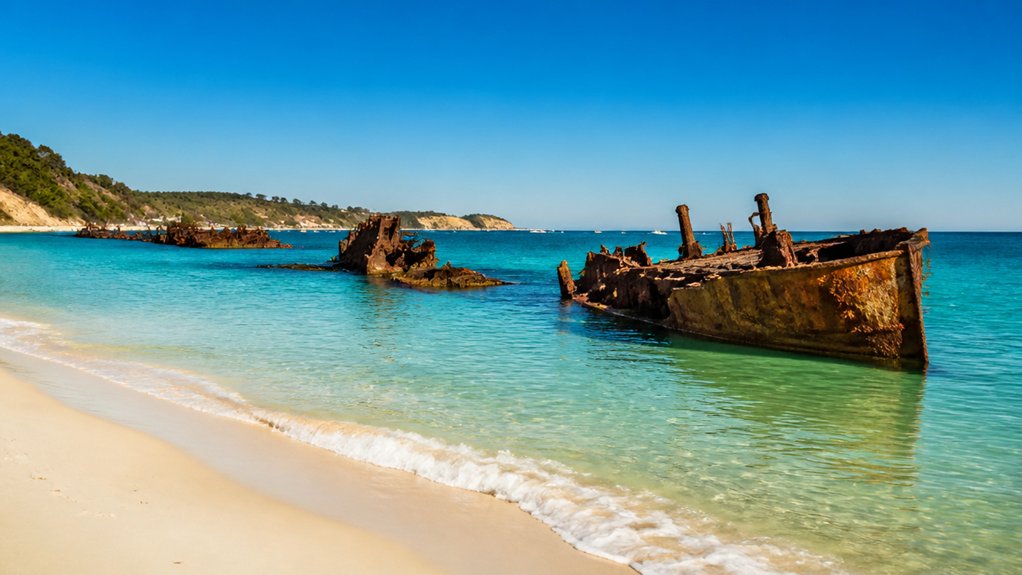
The Tangalooma Wrecks sit just north of the resort, about a fifteen to twenty-minute walk up the beach, where fifteen old vessels were deliberately sunk. You can reach them on foot, but strong currents run past the wrecks, so a guided snorkelling trip is the safer way to get in the water.
The island’s interior tracks and walking trails aren’t marked, so wandering alone makes little sense unless you’re a seasoned bushwalker. A local guide who understands the terrain, knows which wildlife you’ll encounter, and can read the tides transforms an afternoon into something genuinely useful rather than frustrating and poorly informed. A guided walk or snorkelling trip booked through the ship gets you someone who explains what you’re looking at.
Your Port Day: A Sample Itinerary
Most port days here end with passengers queuing for the tenders in the heat, having missed the actual island entirely because they spent the morning wrestling with logistics. Have your activities booked before you arrive and head off within the first hour ashore, which gets you past the crush at the landing point.
Head straight to the Tangalooma Wrecks or out on your booked tour, depending on what appeals to you. The wrecks hold more than a hundred species of fish, and dolphins sometimes turn up, though nothing is certain. Pack water before you head off, because food and drink near the landing point cost substantially more and you’ll waste port time queuing for average sandwiches.
Spend your mid-morning and early afternoon actually in the water or on the beach rather than shopping or eating near the landing point. Come back to the tender point by early afternoon so you have a genuine buffer before departure, rather than racing back in a panic. Use your final hour ashore to sit with a coffee at normal prices or simply stand quiet for a bit, letting the place settle instead of cramming in one last rushed purchase.
You’ll return to the ship tired, salty and actually satisfied—which is rarer than it sounds for a port day this close to a major city.
Book your Moreton Island day
Tours for this port, compare before you book
Getting around in port
✈️ Before you sail: eSIM, insurance, luggage, flight delays
Ships In Moreton Island
Upcoming calls from our sailings tracker, updated regularly.
Carnival Adventure
CarnivalSat 10 Oct
⚓ 08:00–18:00
Carnival Adventure
CarnivalWed 14 Oct
⚓ 08:00–18:00
Carnival Adventure
CarnivalThu 29 Oct
⚓ 08:00–18:00
Carnival Adventure
CarnivalWed 11 Nov
⚓ 08:00–18:00
Carnival Splendor
CarnivalThu 19 Nov
⚓ 08:00–18:00
Carnival Splendor
CarnivalThu 26 Nov
⚓ 08:00–18:00