Airlie Beach Cruise Port Guide
Why do most cruise passengers overpay at Airlie Beach when savvy travelers know the real secrets?
In this guide
Try one free personalised day plan — built around your ship’s actual arrival and departure times. Then get every port on your cruise done the same way from £7.99 (about $10).
Cruise Port Overview: What To Expect
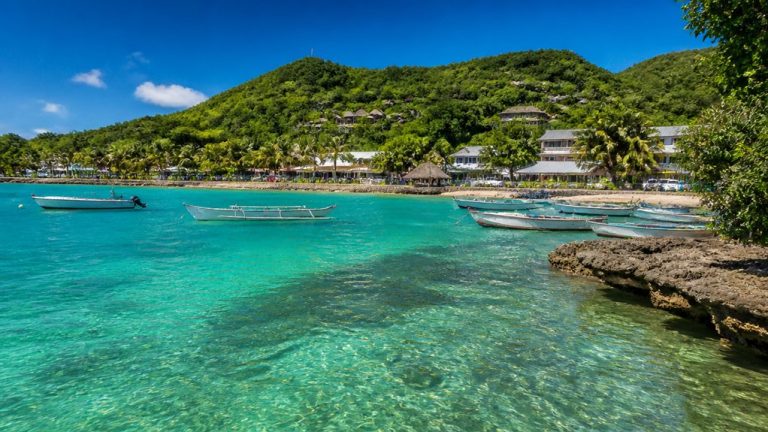
Ships anchor offshore at Airlie Beach and tender you to the Port of Airlie marina, where the cruise terminal is small enough that you’ll clear it quickly without the grinding queues you’d face at larger Australian ports. The marina sits on the edge of the main street, so you’re on the beachfront or in the town centre within a short walk of the tender landing.
The town itself covers only a few blocks, which means navigation is straightforward but also that everywhere becomes congested between mid-morning and early afternoon when ships are in port. The Esplanade, the main street, fills with cruise passengers and the restaurants here price accordingly for a trapped audience. If you want reasonable coffee or a decent lunch, going one street back saves you significantly.
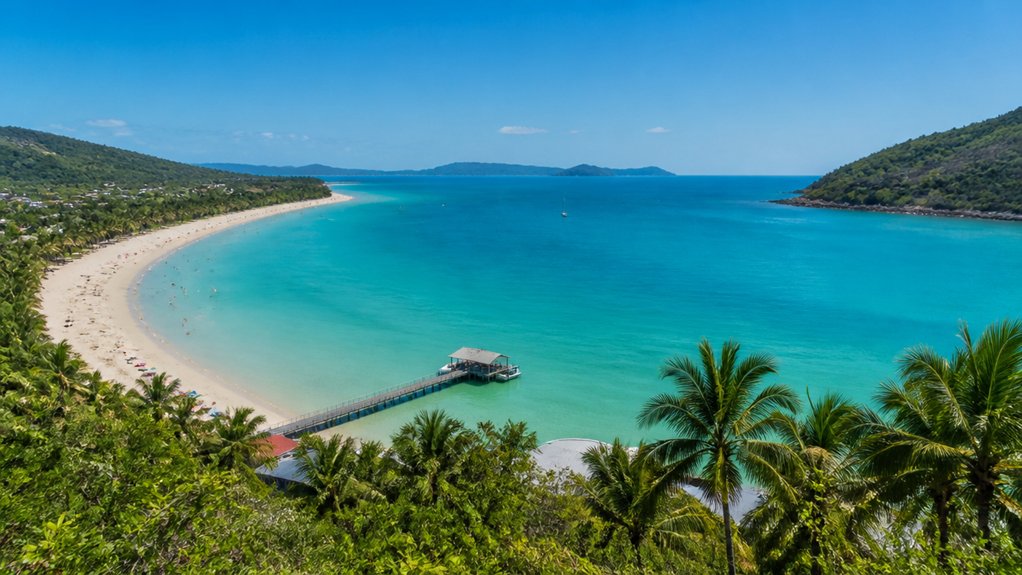
The beach is patrolled and safe, though the water stays warm year-round and you should check seasonal warnings before entering. Most of what justifies a port stop here lies outside the immediate terminal area—the Whitsunday Islands, Great Barrier Reef access, rainforest walks—so arranging an independent tour in advance is genuinely worthwhile. You can book guided tours and shore excursions with experienced operators before arriving to maximize your time exploring these natural attractions. Popular reef and island tours fill quickly during cruise season, so booking before your ship arrives ensures you get something and avoid turning up to find nothing left.
The terminal itself has basic facilities, but the real range of restaurants, services, and tour operators exists across the beach neighbourhood rather than at the dock.
Getting From the Port To Town
The tenders drop you a short walk from the Esplanade, along with thousands of other passengers, all moving in the same direction toward the restaurants and shops clustered along the seafront. This creates an immediate bottleneck where prices are inflated and queues are long. The practical solution is to walk one street back, parallel to the water, where you’ll find where locals actually spend money on food and drink.
The neighbourhood behind the Esplanade operates at a completely different pace and cost. You’ll notice the prices drop noticeably and the crowds thin out enough that you can actually get a table. This is where your time ashore becomes genuinely useful rather than spent shuffling between tourist traps.
Water-based tours sell out during cruise season, particularly the ones worth your money rather than the overcrowded charter boats. If you want a specific tour—reef trips, island hops, snorkelling—book it online before you arrive, which guarantees your spot and costs less than paying at the terminal kiosk. This also removes the stress of wondering whether availability will evaporate while you’re exploring. To stay connected during your excursions, consider purchasing a local eSIM data plan so you can navigate, communicate, and share your experience without incurring roaming charges.
The town is small enough that everything accessible sits within a reasonable walk from the terminal, so you don’t need to mess about with taxis or shuttles. The problem is that during peak cruise hours, everywhere worth visiting is also everywhere packed with other cruise passengers. Timing your movement away from the immediate rush after disembarkation makes the difference between actually seeing the place and being herded through it.
The Must-Do Experience: Start Here
The actual reason to stop in Airlie Beach is to get out on the water to the Whitsundays—the reefs and islands that draw cruise ships here in the first place. Your port day works best as a launching point for a snorkelling or island tour rather than time spent browsing the same souvenir shops you’ve already visited multiple times. Booking these trips independently before you arrive gives you access to better operators at lower prices than what you’ll pay at the terminal, and you’ll secure a spot rather than competing with hundreds of other passengers at the kiosk.
Early departures matter more than which operator you choose. Calmer water and clearer visibility happen in the morning before the wind builds up, which also means you’re back on the ship ahead of the boarding crush rather than stuck in queues with thousands of others. This timing actually determines whether your day feels like a proper excursion or a stressful scramble.
Island day trips work as an alternative if reef snorkelling doesn’t interest you, offering walks through bushland and quieter stretches of beach instead. You can book guided excursions through port operators to enhance your experience and ensure access to knowledgeable guides. These fill up equally fast during cruise season, so the same advance-booking approach applies to avoid turning up to find no availability.
History Culture and the Top Sights
Airlie Beach has virtually no history that warrants your attention, and whether that frustrates or relieves you depends on what you came for. The town exists as a functional base for accessing the reef, assembled over recent decades with standard resort infrastructure—cafés, souvenir shops, and beachwear stores that could be anywhere along Australia’s coast. Your tender lands a short walk from it all, surrounded by the kind of high street designed for passing time rather than genuine exploration.
The actual history belongs to the Whitsunday Islands themselves, where Indigenous peoples lived for thousands of years. That context has been sidelined by commercial tourism operations because it demands genuine engagement rather than the quick excursion format. You won’t find significant cultural sites within reasonable walking distance of the port, nor will cruise lines prioritise them for obvious logistical reasons.
The esplanade does have restaurants worth trying if you want to eat somewhere other than the terminal, though water views come with noticeably higher bills. The man-made lagoon is perfectly safe and clean, but largely redundant if you’re planning to get out to the actual reef. Your energy is better spent on what actually justifies stopping here—getting onto the water where the islands and coral are located rather than circulating through shops or spending hours ashore doing nothing particular.
Beyond the Centre: Day Trips and Alternatives
Most people who venture beyond the esplanade do so because they’ve already worked out that Airlie Beach itself isn’t the attraction. Your actual options sit on the water, and the gap between a rushed, expensive ship excursion and a well-planned independent day is large enough to justify booking ahead.
The Whitsunday Islands are where your time actually counts. Whitehaven Beach has the reputation for a reason—the sand genuinely is white, and it’s genuinely worth the trip—but it’s also where every cruise passenger turns up between mid-morning and early afternoon. Timing your visit earlier or later shifts your experience considerably, which is why independent tours that depart before the main fleet have a real edge. Popular operators fill their slots quickly during cruise season, so booking online in advance isn’t something you can skip if you want the better time slots.
Hill Inlet sits next to Whitehaven Beach and is best seen from the Tongue Point lookout, which gives you a different angle on the same stretch of sand. The aerial view of how the tides work is worth the effort, and fewer cruise passengers bother with it, which in itself makes the trip more worthwhile. You can combine this with reef time rather than simply anchoring at the same popular beach as everyone else.
Snorkelling tours run by independent operators often work outside the standard cruise passenger routes and deliver considerably better value than what your ship offers. They also avoid that feeling of being processed through with fifty other people. Book these tours before you sail—they do sell out, and waiting until you arrive in port means taking whatever’s left, which is rarely the better option.
Shore Excursion or Going It Alone
Your ship’s excursion desk will pitch organised tours as convenient and worry-free. What they omit is that you’re paying significantly more to be grouped with a hundred other passengers on a predetermined schedule that moves at the lowest common denominator and stops wherever the itinerary dictates rather than where you want to spend time.
The maths are simple. Independent operators charge less for the same tours because they don’t have your cruise line’s captive audience advantage. You also retain control—start earlier if you prefer, stay longer at places that interest you, or pivot based on conditions when you arrive. Competing on price and quality is how independent operators survive; the cruise line competes on convenience alone.
Booking online before you sail protects you from inventory problems. The most popular tours, particularly early departures that avoid midday crowds, fill up during cruise season. Booking onshore instead means settling for whatever slots remain available, which typically means late-morning departures when beaches are already crowded. You’re not just gambling; you’re nearly certain to lose.
Ship excursions make sense if your mobility is restricted or you genuinely want someone else managing every detail. You’re buying convenience rather than value, and that’s a rational choice if the trade-off works for your situation. Just accept what you’re paying for rather than expecting bargain pricing, and acknowledge that better alternatives exist if you’re willing to plan ahead.
Before You Leave the Ship: Airlie Beach Practicalities
Airlie Beach’s main strip gets swamped with cruise passengers between mid-morning and early afternoon, which is exactly why independent tour operators schedule their Great Barrier Reef and Whitsunday Islands departures earlier. You’ll board during quieter hours, encounter fewer people on deck, and actually see the water without jostling for position at the rail. The cruise desk favours midday slots because they’re cheaper to staff and pull better margins—they won’t mention that you’re paying extra for the privilege of boarding during rush hour.
Water taxis run regularly from the main jetty at rates well below what your ship charges, but you need to research operators beforehand and account for seasonal schedule changes. Booking a reef tour independently ahead of time eliminates the guesswork while saving money that would otherwise go to the cruise line’s commission. Popular tours fill weeks in advance, so waiting until you’re onboard leaves you with afternoon slots or last-minute markups.
The foreshore promenade deserves an hour of your time, though restaurants overlooking the beach charge inflated prices that feel excessive even for a cruise port. Head two streets inland toward the town centre and you’ll eat better food for less money, just without the ocean backdrop. If snorkelling or diving interests you, the same operators appearing on your ship’s excursion list can be booked independently online for considerably less—book early or accept paying premium rates for whatever slots remain available.
Your Port Day: A Sample Itinerary
Most people waste their Airlie Beach morning stuck at the cruise terminal instead of being out on the water where anything interesting actually happens. If you’ve booked an independent reef or island tour in advance—which you should—you’ll already be aboard a smaller vessel watching the Whitsundays come into view while ship passengers are still deciding whether to buy overpriced coffee at the terminal cafe.
Head straight to your tour operator’s jetty when you arrive. You’ll be out before mid-morning, snorkelling above coral or walking island beaches without crowds pressing against you. The water clarity is better in these early hours anyway, and you’ll be back ashore by early afternoon with the best part of your port day already finished.
Once you’re back, skip the beachfront restaurants. Walk inland toward the town centre where local spots serve decent food at reasonable rates. Grab lunch, then spend an hour browsing the shops and galleries along Shute Harbour Road—nothing special, but a genuine sense of how Airlie Beach operates when cruise ships aren’t the main event.
Book your Airlie Beach day
Tours for this port, compare before you book
Getting around in port
✈️ Before you sail: eSIM, insurance, luggage, flight delays
Ships In Airlie Beach
Upcoming calls from our sailings tracker, updated regularly.
Carnival Encounter
CarnivalThu 15 Oct
⚓ 08:00–17:00
Carnival Encounter
CarnivalTue 27 Oct
⚓ 08:00–16:00
Carnival Encounter
CarnivalThu 5 Nov
⚓ 08:00–17:00
Quantum Of The Seas
Royal CaribbeanWed 11 Nov
⚓ 07:00–20:00
Celebrity Edge
Celebrity CruisesFri 13 Nov
⚓ 07:00–17:00
Carnival Encounter
CarnivalTue 17 Nov
⚓ 08:00–17:00