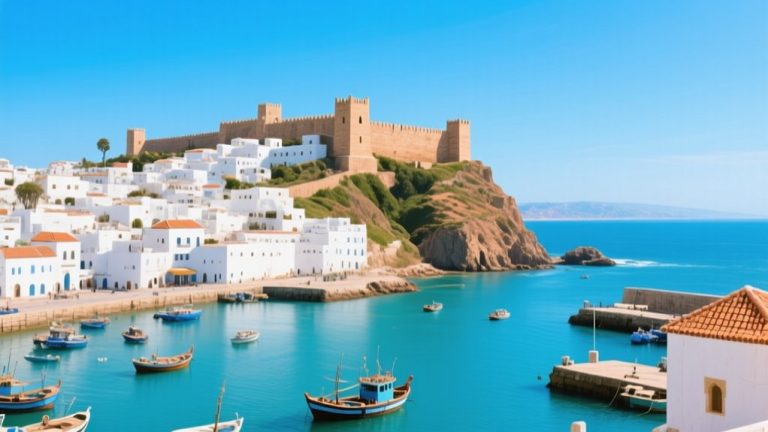
San Diego Cruise Port Guide
Uncover hidden gems and insider tips for maximizing your San Diego cruise port experience beyond the tourist traps.
In this guide
Try one free personalised day plan — built around your ship’s actual arrival and departure times. Then get every port on your cruise done the same way from £7.99 (about $10).
Cruise Port Overview: What To Expect
San Diego’s cruise terminal operates within an active working harbour rather than a sequestered port zone, so you’re thrust directly into functional city infrastructure the moment you disembark. The terminal itself is small enough to navigate without confusion, and the immediate surroundings prioritise efficiency over aesthetics—the area functions well for getting where you need to go, but cafés and curiosities aren’t its draw. From any terminal along the waterfront, the Gaslamp Quarter sits inland at a straightforward walk, reachable by following the street grid without the need for directions or local knowledge.
San Diego differs from other West Coast ports because you can accomplish substantive activities without paying for a ship excursion. Independent operators consistently undercut cruise line pricing, particularly for historical walking tours or beach access, and these services attract enough cruise passengers that advance online booking prevents both disappointment and overspending. You can also book guided excursions directly with local tour providers to customize your experience beyond standard cruise offerings. The climate here runs predictably mild, which means weather won’t sabotage your plans or force you into expensive covered alternatives.
Before your port day begins, assess honestly whether you want an unhurried afternoon of food and water views or something requiring sustained effort like the zoo or Balboa Park. Cramming multiple major attractions into a single port day produces the exhaustion and frustration that cruise passengers report—it’s a mathematical problem disguised as a leisure opportunity. If you’re after a genuine break rather than a checklist completion, moderate your ambitions accordingly.
Getting From the Port To Town
Walking from the cruise terminal into downtown San Diego is easy, because the B Street terminal sits on the Embarcadero right on the edge of downtown, and the Gaslamp Quarter is reachable on foot if you don’t mind navigating on your own. The local trolley system offers a more straightforward route and costs less than most alternatives, depositing you directly where you need to be without the uncertainty of timing a conventional bus. Rideshare apps function adequately here, but surge pricing on busy port days can inflate what should be a cheap journey into something unreasonable.
A traditional taxi gives you a fixed rate and removes the guesswork, though you’ll pay considerably more than what independent operators charge. Walking actually makes financial sense because San Diego’s waterfront streets follow a grid pattern, the weather typically cooperates, and you’ll pass working fishing boats and genuine port activity rather than tourist-focused development. The trolley represents a reasonable middle ground if walking feels like too much effort.
Avoid the transport packages the cruise line sells you, as they exist primarily to manage the ship’s logistics rather than improve your experience or save you money. If you want a walking tour, book through an independent operator before you arrive because the decent ones fill quickly with cruise passengers, and online booking before departure guarantees your spot without the disappointment of finding tours sold out once you’re ashore. Your port time is too limited to waste on convenience purchases that don’t genuinely improve how you spend those hours.
The Must-Do Experience: Start Here
San Diego’s actual strength comes down to geography. The water sits close enough that you can move through a full day without getting stuck in traffic or pushed inland into residential sprawl where you lose sight of the harbour entirely.
Begin at the working waterfront itself, not the polished tourist sections. Watch fishing boats unload their catch, buy coffee from a café that serves locals, stand around and absorb what an active port actually looks like. This takes minimal time and costs almost nothing, but it orients you properly before you move into the crowded zones where everyone else goes.
Move into the Gaslamp Quarter while you still have mental energy for it. The Victorian architecture and street layout reward close attention, and the area functions as an actual neighbourhood rather than a constructed experience designed purely for visitors. Ground-floor businesses have adjusted their pricing for cruise traffic, but if you climb one flight of stairs or walk a single block away from the main drag, you’ll find breakfast spots where locals eat at normal rates.
Consider booking an independent walking tour before you arrive if you want expert information without the cruise ship version. These operators fill up quickly with people just off the boats, and booking online beforehand guarantees your place while usually costing less than what the ship offers onboard. The quality varies, but the better ones give you genuine flexibility rather than being herded through predetermined stops.
Resist the urge to rush through the Gaslamp Quarter despite knowing your ship leaves in a few hours. The architecture and local history actually reward your attention, and moving fast defeats the point of being there.
History Culture and the Top Sights
San Diego’s museums charge premium prices because they’re built around cruise ship economics—they know your schedule and price accordingly. The Fleet Science Center costs more than equivalent venues inland, and the maritime museum, while genuinely informative, sits squarely on the tourist route where everything carries a markup.
The actual value lies in recognising that San Diego’s history exists outside museum walls. The USS Midway, permanently moored at Navy Pier, is a retired aircraft carrier turned museum that you can walk through rather than observe behind glass. You move through actual naval spaces instead of a polished exhibition, and despite the crowds of cruise passengers, this hands-on experience beats reading interpretive panels.
Spanish colonial history matters far more than most ports suggest. Old Town sits below Presidio Hill, where the San Diego de Alcalá mission was first founded, and keeps the early settlement layout, giving you legitimate historical context rather than the Victorian-era tourist construction of the Gaslamp Quarter. You’ll encounter residents going about their lives rather than performing for visitors, and commercial pressure remains substantially lower.
Book an independent historical walking tour of Old Town and the early Spanish settlement before you arrive, as these operators fill quickly and offer better value than your ship’s excursions. You’ll understand how the port transformed from Spanish garrison to American naval centre without the predetermined stops and rushed pacing of larger organised groups. The combination of lower cost and superior information makes advance booking worth your effort.
Beyond the Centre: Day Trips and Alternatives
San Diego rewards those willing to leave the cruise terminal, yet most passengers treat the waterfront as the entire port. The actual experience depends on understanding which neighbourhoods give you real value within your limited time ashore, and which ones exist primarily to extract money from passing ships.
Balboa Park contains legitimate world-class museums and gardens, but the logistics work against cruise passengers—you’ll spend substantial time travelling to and from the terminal rather than experiencing what’s there. The Gaslamp Quarter presents itself as authentically restored, which translates to higher prices, chain restaurants pretending to be local institutions, and passenger crowds that rival your ship by mid-morning.
Old Town delivers better value and fewer cruise passengers. The neighbourhood functions as an actual place where people live, and you’ll find genuinely good Mexican food at reasonable prices rather than tourist-markup establishments. Local taquerias serve proper fare at a fraction of what the waterfront charges.
La Jolla offers dramatic coastal scenery and genuine neighbourhoods beyond the main beach, though it requires more travel time than most cruise schedules allow. If you have eight hours or more ashore, an independent tour exploring La Jolla‘s coves and local shops outperforms a rushed ship excursion.
Book an independent Old Town walking tour or La Jolla coastal exploration through established local operators before your cruise arrives. Popular guides fill quickly during cruise season, and advance booking secures better rates whilst guaranteeing a spot. These independent tours offer flexibility the ship cannot match, allowing you to linger where it matters rather than move on schedule.
Shore Excursion or Going It Alone
The cruise line’s shore excursion desk charges roughly double what local operators want, and you’ll spend half your day waiting for other passengers to board coaches. That markup covers the commission they take—not superior guides or more thorough routes.
Going it alone from San Diego works if you’re comfortable with basic navigation and know where you want to go. Old Town requires minimal effort to reach on your own, and you’ll actually eat proper food instead of photographing it before the group moves on. The better option, though, is booking a focused independent tour in advance—you avoid the ship markup entirely, put money directly into local guides’ pockets, and secure a spot on tours that fill quickly during cruise season.
A local guide who knows Old Town well transforms a casual walk into something genuinely informative about San Diego’s actual history rather than the sanitised version cruise lines present. Someone knowledgeable walking you through the neighbourhood’s Mexican heritage, pointing out which restaurants locals actually use, and explaining why certain areas matter costs considerably less than the ship equivalent while delivering substantially more value.
Book directly with established San Diego tour companies online well before your cruise arrives. Popular guides have limited spots and cruise passengers get last priority when calling at the last minute. Early booking secures better rates, guarantees availability, and means you arrive ashore with a confirmed plan rather than hoping something’s available at the terminal desk.
San Diego: The Details Nobody Mentions at the Port Talk
The cruise terminal provides basic necessities—functioning WiFi, adequate bathrooms, and staff who can explain transport options without pushing you toward expensive alternatives. Taxis wait outside at reasonable rates, though rideshare apps give you better value if you’re travelling with someone else and willing to bypass the queue. Your ship won’t depart if you’re on an official tour, but if you leave independently and your ride hits traffic, the terminal staff won’t help you catch up. Consider booking professional drivers in advance to guarantee reliable transportation and eliminate the stress of coordinating rides on port day.
San Diego’s coastal weather shifts quickly, so pack a thin layer regardless of clear skies when you board. The USS Midway, the maritime museum and Seaport Village are all a short walk along the waterfront from the terminal, and better neighbourhoods are just minutes away. Most people assume reaching anything worthwhile takes hours; it genuinely doesn’t. Old Town is straightforward to reach on your own, and arriving mid-morning instead of at dawn with everyone else means you’ll actually get a table for lunch.
The beaches are deceptively far from where maps suggest, and trying to reach them and return within a standard port day leaves you worn out rather than refreshed. Reserve beaches for ports where you have a full day or overnight berth. Put your energy into neighbourhoods where locals actually eat rather than wherever the cruise lines have packaged for tourists. Spending a focused morning in one area gives you far more than rushing between three in an afternoon.
Your Port Day: A Sample Itinerary
Most cruise passengers lose their first hour to terminal wandering or joining a tour that departs when they could simply walk outside. San Diego rewards those who move with purpose and a basic plan before disembarking.
Start in Old Town by taking a rideshare or taxi directly there. The cost is low enough to justify skipping the walk, and arriving mid-morning means you’ll actually get a café seat on San Diego Avenue before the organised groups arrive. Spend a couple of hours browsing at your own pace, then eat lunch somewhere locals go rather than the tourist restaurants around the main plaza.
Move down to the waterfront neighbourhoods where the city functions as itself. The Gaslamp Quarter contains genuine Victorian architecture, independent bookshops, and actual galleries rather than gift shops masquerading as cultural spaces. Two hours of wandering here feels unhurried, and the cafés charge reasonable prices compared to anywhere near the terminal.
Walking tours of the Gaslamp Quarter or guided visits to nearby attractions fill up quickly with cruise passengers, so book these online well before you arrive. You’ll pay considerably less than the ship charges and get genuine local knowledge from guides who aren’t reading from a standard script. Reserve early to ensure availability.
Book your San Diego day
Tours for this port, compare before you book
Getting around in port
✈️ Before you sail: eSIM, insurance, luggage, flight delays
Ships In San Diego
Upcoming calls from our sailings tracker, updated regularly.
ms Eurodam
Holland AmericaThu 8 Oct
⚓ 07:00–16:00
ms Zaandam
Holland AmericaThu 8 Oct
⚓ 07:00–16:00
Disney Magic
DisneyFri 9 Oct
⚓ 08:00–16:00
Disney Wonder
DisneySat 10 Oct
⚓ 08:00–16:00
Serenade Of The Seas
Royal CaribbeanSun 11 Oct
⚓ 07:00–16:00
Disney Magic
DisneyMon 12 Oct
⚓ 08:00–16:00