Cape Town Cruise Port Guide
Cruise into Cape Town and discover why Table Mountain, wine estates, and vibrant neighborhoods are calling—but first, skip the waterfront crowds.
In this guide
Try one free personalised day plan — built around your ship’s actual arrival and departure times. Then get every port on your cruise done the same way from £7.99 (about $10).
Cruise Port Overview: What To Expect
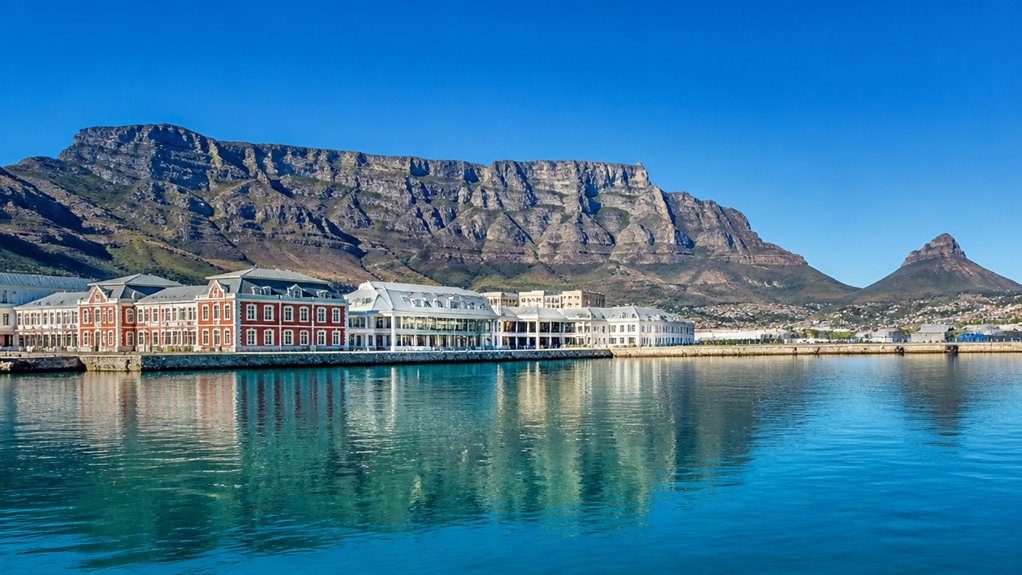
Cape Town’s terminal sits directly in the V&A Waterfront, a functioning harbour where fishing boats and cargo operations continue alongside cruise ships. This means you walk straight into actual working infrastructure rather than a purpose-built tourist precinct, which works in your favour—no elaborate shuttle systems or security queues separate you from the city. The proximity matters because it collapses the distance between ship and streets.
Disembarkation is straightforward once the gangway lowers, and the terminal itself is compact enough that queues move reasonably fast. You’ll find information desks and basic facilities inside, though everything genuinely useful starts once you exit onto the waterfront promenade. The real infrastructure of the city is immediately accessible.
The Waterfront complex around the terminal offers restaurants, shops, and galleries, but you’re paying a premium for everything here—significantly more than you’d spend elsewhere in the city. This doesn’t trap you, though; the city centre and Table Mountain are within walking distance or reachable by inexpensive transport in minutes. You can book guided excursions in advance to maximize your time ashore and secure better rates than onboard options provide. The immediate area is functional rather than essential.
Midmorning brings crowds of day-trippers to the waterfront, so the experience changes noticeably depending on when you venture out. If you’re booking independent tours, confirm departure points and times before leaving the ship, as popular offerings fill with cruise passengers quickly and online booking secures lower rates than ship excursion desks offer. Planning ahead matters more than flexibility in this context.
Getting From the Port To Town
The walk from terminal to city centre is manageable on foot, though the waterfront promenade becomes congested with tour groups, vendors, and other cruise passengers moving in the same direction. You’ll cover ground faster and see more by turning inland away from the obvious route almost immediately. This means missing the postcard views but gaining actual perspective on how the place functions.
Minibus taxis depart from near the terminal and represent your cheapest option for reaching the city centre. They’re quick and genuinely local in operation, though the experience feels chaotic if you’ve never used them before. Ride-sharing apps offer more predictability and cost less than traditional taxi ranks, with prices confirmed before you commit.
Walking remains your best choice if you have the energy for it. Moving away from the waterfront bustle and following the street grid inland takes you through working neighbourhoods and small shops where cruise passengers don’t typically venture. The city centre sits close enough that this becomes actual exploration rather than a forced march.
Ignore the ship excursion desks for anything beyond immediate waterfront activities. Independent operators consistently offer better value and smaller group sizes, and the best experiences sell out quickly through online booking. Reserving a tour before leaving the ship secures better rates and guarantees a spot on your specific date, whereas walk-ups get whatever tours remain available.
The Must-Do Experience: Start Here
Table Mountain will structure your entire day in Cape Town because the cable car queues become unmanageable as morning turns to afternoon, and cloud cover regularly obscures the views by early afternoon. Booking a tour with skip-the-line access before you dock costs less than walking up to the station and guarantees you’ll spend your time looking at the city rather than waiting. From the top you look out over the city and the Atlantic coastline you’ll visit later, though whether you see anything depends partly on weather and partly on when you go, and the cableway closes when the wind or cloud is bad.
Independent tour operators consistently undercut the cruise lines on price while keeping groups small and departure times flexible. Booking online before arrival matters because these tours fill up quickly with cruise passengers, and the difference between booking ahead and paying at the gate is substantial. Your cable car experience becomes the anchor point that everything else attaches to—handle it first thing, descend into the city for lunch, and move into the next activity rather than finding yourself queuing through your final hours on shore.
History Culture and the Top Sights
The Company’s Garden occupies the space where colonial administrators planted vegetables centuries ago, and it functions now as an actual lunch spot for working people rather than a photo queue for cruise passengers. Entry costs nothing, the noise level stays low, and the streets branching off—Wale, Burg, Church—contain better food and coffee than anywhere near the waterfront tourist zone. Skip the inflated harbour restaurants and walk inland to find neighbourhood places where your budget doesn’t evaporate and the cooking reflects how people actually eat here.
Robben Island requires a ferry and takes around three and a half hours there and back, which is why cruise lines price their excursions high enough that booking independently beforehand costs significantly less. Nelson Mandela’s cell and the limestone quarry where he laboured are sobering to see in person. Ferries leave from the Nelson Mandela Gateway at the V&A Waterfront, a short walk from the cruise terminal, and places sell out, so book your ticket online before arrival. Leave Table Mountain by midday, eat lunch near the Gardens, then take an early ferry back so you’re not cutting it close before the ship leaves.
The District Six Museum documents apartheid’s forced removals through photographs and recorded accounts from people who lived through it, which makes it more valuable than comfortable sites because it refuses to soften what happened. The space is compact, located within walking distance of the Gardens, and reasonably priced, so you can actually absorb what you’re seeing without feeling pressured to rush through. Follow this with an afternoon walk through Bo-Kaap where the terraced houses are painted in shades that make them impossible to ignore, and where antique dealers and working artists occupy street-level studios alongside residents.
Beyond the Centre: Day Trips and Alternatives
Ship excursions to the Winelands charge substantially more than independent wine tours booked online beforehand, and you get essentially the same experience minus the markup and the time wasted moving other passengers between locations. Established operators who specialise in this route offer better value and smaller groups if you arrange your own transport, particularly if you book a week or two before arrival when availability is still decent.
The Constantia Valley produces some of South Africa’s most respected wines, and visiting two estates in an afternoon is straightforward without paying the cruise line’s premium. Independent operators collect you from the waterfront, spend actual time at each property rather than rushing through, and charge a fraction of the ship’s rates. Book online in advance because popular operators fill quickly with cruise passengers, and you’ll get better slots and pricing by committing beforehand rather than waiting until you’re dockside.
If wine holds no interest, the Chapman’s Peak Drive follows a dramatic coastal route where cliffs meet ocean and the views justify the journey on their own merit. Renting a car lets you drive yourself and stop whenever you wish, though this requires comfort with left-hand driving and navigating unfamiliar roads. A guided driver service covers the same route for less than a ship excursion, removes the navigation burden, and leaves you free to photograph and actually look at the coastline. Book these services before you arrive since they operate limited daily slots and cruise passengers who book last-minute frequently find themselves shut out.
Shore Excursion or Going It Alone
The ship’s excursion desk will pitch their guided tours as convenient and safe. What they neglect to say is that you’re paying a significant markup to be processed through a group of fifty people on a schedule designed to get everyone back to the vessel rather than to give you actual time to experience anything.
Planning ahead makes independent touring straightforward. Book a wine tour or coastal driver service online before you arrive and you’ll spend less money while keeping the option to stay longer where interests you, talk to people who actually know the area rather than recite a script, and move according to your own rhythm. The Constantia Valley estates and Chapman’s Peak Drive have independent operators running year-round with limited daily capacity, so booking ahead matters; waiting until you’re at the dock means either paying inflated last-minute rates or finding everything already full.
Some organised excursions do have their place. Remote reserves or complex cultural experiences where genuine local knowledge makes a real difference can justify what the cruise line charges, though even then you benefit from doing your own research first to confirm what they’re offering is actually worth the money rather than just convenient packaging.
The real situation is that Cape Town improves when you stop seeing your day as a problem to manage and start treating it as time to spend according to what actually interests you. Book your independent tour this week, arrive at the dock with your confirmation, and you’ve already worked around both the crowds and the cruise line’s pricing.
The Practical Details That Change Your Day in Cape Town
The V&A Waterfront exists primarily to extract money from people who’ve just stepped off a ship. Restaurant prices double within metres of the working harbour, gift shops sell identical goods at wildly different markups, and the entire precinct is engineered to feel like an attraction rather than an actual place.
Your advantage as a cruise passenger is time scarcity, which lets you bypass this entirely. Leave the waterfront immediately and head into the city bowl where tour groups thin out. The neighbourhood restaurants there serve decent food at fair prices, and you’ll actually see more residents than cameras.
One practical move worth knowing: check Table Mountain‘s visibility from your cabin before you disembark. Many cruise passengers rush straight to the mountain only to find it clouded in, then burn hours waiting for conditions that never improve. If cloud cover is heavy, go to Chapman’s Peak Drive or the wine estates instead. If it’s clear, sort your transport immediately because cable car queues grow quickly when multiple ships are docked.
The waterfront does serve a purpose for specific needs. There are good bookshops, banks with reasonable exchange rates, and cafés where you can actually sit down. Treat it as a functional stop between actual experiences, not a destination in itself. Your time is better spent elsewhere.
Your Port Day: A Sample Itinerary
Most cruise passengers waste their morning queuing at the cable car while the light is poor and their photos will show it. Start by eating breakfast in the city bowl near your ship, then head straight to Chapman’s Peak Drive while the light works in your favour and you’ll encounter fewer people.
Drive or book a shared minibus tour along Chapman’s Peak before midday—you’ll see the Twelve Apostles and turquoise water without the queues of tourists. Independent tours cost less than what your ship charges and give you flexibility to stop where you want. Book online before arrival since operators fill up quickly when multiple ships are in port.
Return to the city bowl for lunch at a neighbourhood restaurant away from the waterfront. You’ll eat better food at half the price and actually encounter how locals eat rather than a simplified version designed for cruise passengers. The streets are quieter inland and you remain close enough to your ship if plans change.
Spend your afternoon at Table Mountain if visibility allows, but time your cable car visit for late afternoon when the morning crowds have dispersed. Alternatively, visit the wine estates on the slopes—independent wine tours book faster than ship options and provide proper tastings instead of rushed samples. Either choice gets you back to the harbour with time to spare before departure.
Book your Cape Town day
Tours for this port, compare before you book
Getting around in port
✈️ Before you sail: eSIM, insurance, luggage, flight delays
Ships In Cape Town
Upcoming calls from our sailings tracker, updated regularly.
MSC Armonia
MSC CruisesThu 11 Mar
⚓ arrives 05:30
MSC Armonia
MSC CruisesTue 16 Mar
⚓ departs 18:00
MSC Armonia
MSC CruisesSun 21 Mar
⚓ 06:00–18:00
Costa Deliziosa
Costa CruisesWed 24 Mar
⚓ 07:00–20:00
MSC Armonia
MSC CruisesFri 26 Mar
⚓ 06:00–17:00
MSC Armonia
MSC CruisesMon 29 Mar
⚓ 05:30–17:00