Dakar Cruise Port Guide
From colonial history to pink lakes, discover why cruise passengers are ditching ship tours for authentic Dakar experiences.
In this guide
Try one free personalised day plan — built around your ship’s actual arrival and departure times. Then get every port on your cruise done the same way from £7.99 (about $10).
Cruise Port Overview: What To Expect
Ships berth in the Port of Dakar on the Presqu’île du Cap-Vert, less than a mile from the Plateau city centre, so you can walk in, though a taxi is the easier transport in the heat. The port authority operates a shuttle to central Dakar, but the service runs on unpredictable timings; booking a private taxi or tour in advance cuts through the waiting and generally costs less frustration.
Security processing at the terminal is thorough and usually efficient. Immigration and customs work without complications, though expect the pace to be deliberate rather than quick, so patience helps more than rushing.
The terminal itself has the basics: toilets, an overpriced café, and souvenir stalls with standard crafts at marked-up prices. You’re expected to leave and explore properly, not linger here. International mobile roaming works well if you’ve activated it before arrival, which is worth arranging beforehand, and purchasing a local eSIM data plan can help you avoid expensive roaming charges while staying connected during your time in port.
Most cruise passengers either use ship-organised excursions or hire independent guides booked through accommodation or online before arrival. Independent guides genuinely provide better value and smaller groups, though during busy seasons the reliable ones fill weeks ahead. If you want a meaningful half-day on Gorée Island or in the medina, secure your guide before the ship docks — the worthwhile tours book quickly, and advance planning means you spend your time doing what appeals to you rather than hunting for availability.
Getting From the Port To Town
Taxis from the port cost substantially less than cruise passengers typically assume, though agreeing on the fare before you leave the dock prevents disputes later. The official port shuttle operates on its own timetable, not yours, so unless you’re in a large group willing to wait around, booking a taxi through your ship or arranging one via your hotel beforehand works better.
The journey into town is short, though it depends on traffic conditions. Rush hours bring chaos to the roads, so departing mid-morning gives you a smoother passage. Drivers know the port area and won’t lose their way, but writing your destination down or displaying it on your phone removes any ambiguity.
If you’re hiring an independent guide, they typically arrange transport as part of their service, which eliminates one layer of planning. Otherwise, settle your taxi fare in advance and clarify whether the driver waits for you or you’ll call them later. Many drivers will drop you at your first location and return at a set time, giving you genuine flexibility to move around at your own pace.
For a more organized experience, consider booking your transfer in advance through professional driver services to ensure reliable transportation from the moment you arrive. Your mobile phone may not work immediately upon arrival despite Senegal’s reliable networks. Getting your phone sorted before you dock beats fumbling with technical problems on the waterfront. Starting your day with a working map, a confirmed guide if needed, and transport already arranged means you’ll actually spend time in Dakar rather than managing logistics.
The Must-Do Experience: Start Here
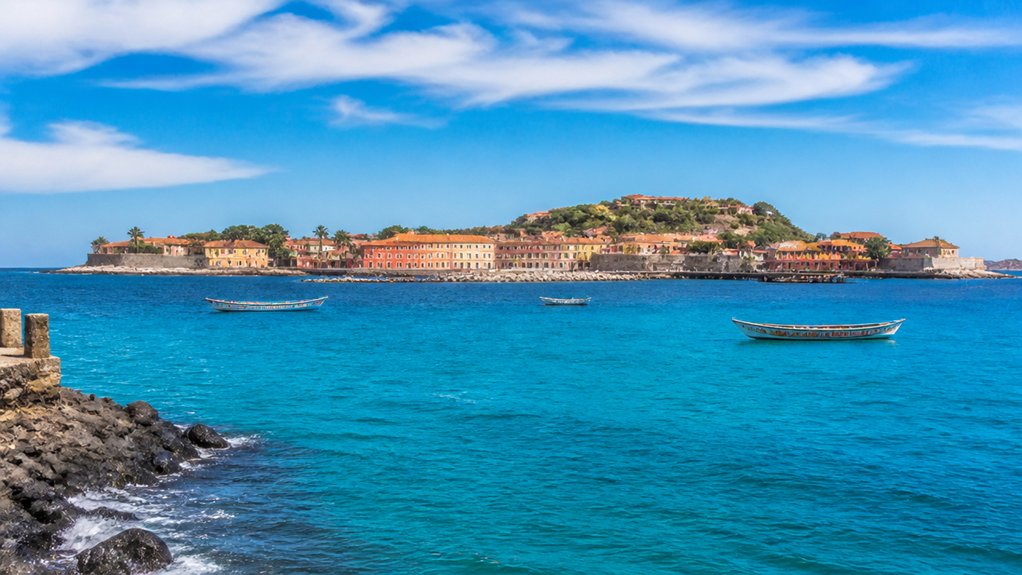
Dakar’s waterfront works best when you skip the cruise-line itinerary and take the ferry to Île de Gorée instead. Most passengers either don’t bother or get herded through in three rushed hours, which isn’t enough time to understand what you’re looking at. Book an independent guide beforehand who’ll meet you at the terminal and move through the streets at a pace that lets you actually think about the colonial architecture and what the island’s history means, rather than treating it like a cattle run.
If ferries aren’t your preference or you’d rather stay on the mainland, the Museum of Black Civilisations gives you real context without the cruise-tourist atmosphere. Arrive early, before the mid-morning crowds from the ships overwhelm the space, so you can look at things properly instead of shuffling past them. Either option beats the ship’s standard city tour, which shows you markets and traffic without explaining anything that matters.
Hiring a guide through a local operator costs less than what the ship charges and actually gets you somewhere worth spending time. Popular guides fill up when cruise ships dock, so arrange this before you arrive. You can book tours and activities through independent operators to enhance your experience beyond standard cruise offerings. Start with whichever option you’ve chosen in the morning, since both work better in cooler hours and the afternoon heat makes serious exploration genuinely difficult.
History Culture and the Top Sights
Dakar’s colonial history remains visibly embedded in its present landscape, which means the significant sites here demand explanation rather than photogenic framing. The Island of Gorée functions as the primary attraction—a UNESCO location where the House of Slaves documents the mechanics of the transatlantic trade—but genuine understanding requires time and someone who grasps the complexity beyond standard narratives. Most cruise passengers move through in approximately two hours, collecting images but little substantive knowledge.
The Museum of Black Civilisations addresses what Gorée alone cannot convey. Rather than presenting Dakar as merely colonial architecture and European remnants, the museum traces the history and cultures of Black peoples across Africa and beyond, before, throughout and after European occupation—a framework absent from typical ship-organised tours. The building remains manageable and uncrowded if you arrive early, allowing you to actually read the material rather than rush past it.
Arrange an independent local guide through an established online operator before your ship docks. Experienced guides book weeks in advance during cruise days, and hiring independently costs less than the ship’s premium whilst ensuring someone familiar with actual history rather than condensed talking points. Morning hours suit both locations—cooler temperatures and better light mean your attention span remains functional rather than depleted by afternoon heat.
Beyond the Centre: Day Trips and Alternatives
Dakar’s periphery offers more authentic experience than circling the colonial centre, though most cruise passengers stick to sanctioned routes because organizing independent travel from the ship feels complicated.
Île de Ngor sits about a kilometre off Ngor beach on the western edge of the city, a few minutes away by boat, and functions as ordinary neighbourhood rather than performance space. Fishermen actually work there, local restaurants charge reasonable prices, and Dakarois use the beaches for swimming instead of Instagram angles. The atmosphere differs starkly from Gorée’s tourist reverence, which is precisely the point of going.
Lake Retba further north contains pink-tinted water caused by algae and mineral content—genuinely unusual enough to justify the travel commitment if you’re willing to spend half a day away from standard cruise routes. You’ll need to arrange a tour in advance through an operator familiar with the area, since navigating there requires local knowledge and spots fill during cruise schedules. Booking independently lets you skip the ship’s markup and work with someone who understands the actual ecology rather than just the visual spectacle.
Almadies neighbourhood north of the centre shows working Dakar—street food at realistic prices, functioning markets rather than souvenir shops, and commercial life that hasn’t reorganised itself around tourism. Getting there requires arranging transport, but wandering through an actual neighbourhood outweighs another photograph of old French architecture.
Shore Excursion or Going It Alone
The cruise desk charges heavily for tours built around their margins and rigid schedules that prioritise moving groups rather than allowing exploration. Booking independently undercuts these prices substantially and gives you actual control over your time.
The town centre requires no guide if you’re content with standard sightseeing—colonial buildings, the cathedral, the museum. Navigation is straightforward enough to manage alone, and the restaurants away from the terminal are cheaper and less obviously aimed at tourists. A few hours on foot covers what most people want to see without paying group rates.
Anything beyond walking distance—Lake Retba, Île de Ngor, the Almadies neighbourhood—needs transport you won’t find easily from the ship. Local operators offer better value than the cruise desk and actually know how the area functions rather than just running people through scheduled stops. Book before you sail rather than scrambling to arrange things from your cabin or trusting whoever approaches you at the terminal.
The practical obstacle is that organising transport feels burdensome when you’re already dealing with luggage and departure timing. Spending a quarter hour online before departure removes this entirely, leaving you ashore with confirmed transport details and costs already settled. This simplicity puts you well ahead of most cruise passengers who show up dock-side holding brochures and negotiating with operators of dubious reputation.
What Experienced Cruisers Know About Dakar
Dakar’s waterfront promenade operates as an open-air marketplace where vendors pursue customers with genuine persistence rather than aggression, though the relentless friendliness exhausts you without preparation. Speaking French or even attempting French phrases immediately shifts how locals treat you, moving interactions from transactional to respectful exchanges. English suffices in tourist zones, but that extra effort in their language changes everything about how your money gets spent and what people actually tell you.
The cathedral and colonial quarter warrant your attention if you arrive early, since mid-morning brings the crowds when multiple ships dock at once. Most cruise passengers overlook the Museum of Black Civilisations because the cruise desk doesn’t push it, yet the collection actually repays careful looking rather than functioning as a photo backdrop. You’ll learn more about the city in there than from wandering streets aimed at extracting money from people in sunglasses.
Carry small notes because vendors and café owners cannot break large denominations and the resulting awkwardness wastes everyone’s time. Tap water in the city centre poses no problems, but bottled water from a neighbourhood shop costs a fraction of what you’ll pay near the terminal, making a detour worth the effort. Your ship’s overpriced bottles sit in your cabin while locals know where the actual bargains are.
Afternoon light transforms the waterfront into something genuinely different from the morning version—crowds thin considerably, vendors negotiate rather than quote, and restaurants stop performing for cruise passengers and become actual places where locals eat. The food improves noticeably once the lunch rush clears and kitchens cook for people with standards rather than schedules. This timing advantage beats any tip the cruise desk offers because it changes not just what you see but what actually happens when you’re there.
Your Port Day: A Sample Itinerary
Dakar’s port puts you close enough to walk anywhere that matters, so your day depends on timing rather than getting lost. Start at the cathedral and colonial quarter before the morning crowds settle in and light becomes difficult for looking at anything properly. The architecture actually shows you something—French colonial design mixed with African construction tells you how the city developed in ways that reading about it won’t.
By mid-morning you’ll have covered the worth-seeing parts and avoided the surge when multiple ships empty their passengers into the streets. Head to the Museum of Black Civilisations while other cruise passengers crowd the souvenir shops. The collection moves through African history at a pace that lets things stick, and you’ll understand what Dakar actually represents in West Africa rather than absorbing a tour guide’s rehearsed version.
Find lunch around noon at a place where locals eat instead of somewhere aimed at the waterfront tourist trade. Ask people living in the neighbourhood rather than cruise staff, since they’ll point you somewhere the food actually tastes deliberately made. The cost difference is considerable and the cooking quality shows it.
Spend your afternoon at the waterfront once the cruise passengers thin out and the market vendors shift from pushing sales to actually negotiating. Wander through Marché Sandaga if textiles and local crafts interest you, or simply sit at a café and watch how the port operates when it’s not swamped. Dakar becomes recognisably itself during these quieter hours, and that’s worth your time.
Book your Dakar day
Tours for this port, compare before you book
Getting around in port
✈️ Before you sail: eSIM, insurance, luggage, flight delays
Ships In Dakar
Upcoming calls from our sailings tracker, updated regularly.
Queen Mary 2
CunardTue 2 Mar
⚓ 08:00–18:00
Queen Victoria
CunardWed 21 Apr
⚓ 08:00–18:00