La Palma Cruise Port Guide
Discover La Palma beyond the cruise terminal: authentic local experiences, hidden hiking trails, and why most passengers miss the island’s best-kept secrets.
In this guide
Try one free personalised day plan — built around your ship’s actual arrival and departure times. Then get every port on your cruise done the same way from £7.99 (about $10).
Cruise Port Overview: What to Expect
La Palma sees far fewer cruise ships than other Canary Islands ports, so the place won’t feel overrun with tourists. The port is a functional working harbour rather than a polished tourist facility, which means you get the real thing—locals going about their business rather than staged authenticity.
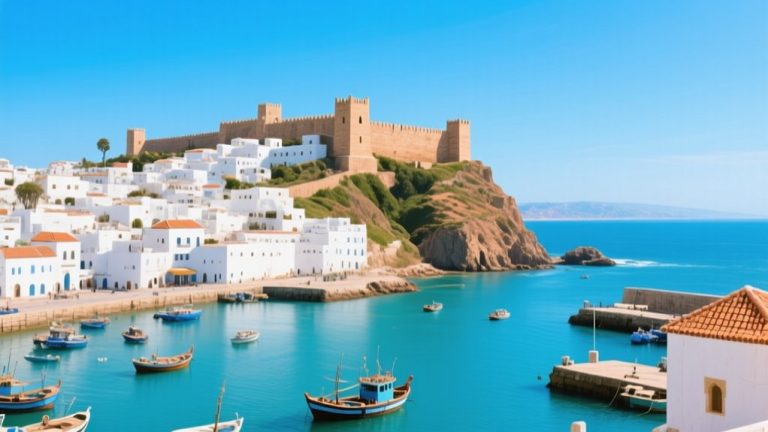
Your ship docks at the cruise quay in Santa Cruz de La Palma, the island’s capital, right beside the town. The seafront Avenida Marítima and the old town are an easy, flat walk from the ship, and the old town is where it gets worthwhile, with actual residents and functioning shops rather than tourist chains.
The harbour can be rough when weather moves in, so if you’re sensitive to motion, the overnight approach might affect you more here than at other ports. Ships berth alongside the quay, so there is no tendering and you can walk straight off once the ship has been cleared. Check the ship’s notices for the time you can go ashore.
Book any tours you want to do before you get here. The best trips—to the volcanic interior or the quieter northern coast—book out because La Palma attracts fewer cruise passengers than Tenerife or Gran Canaria. You can explore guided excursions through independent operators who offer better value and more actual choice than the ship’s excursions, so research online now and secure your spot rather than trying to sort it out on the day.
Getting From the Port to Town
Getting from the port to town is easy. The cruise quay sits at the edge of Santa Cruz, and the walk along the seafront promenade brings you straight into the centre. A taxi or local bus is only worth it if you’re heading further out, such as up to the sanctuary at Las Nieves or across to the other side of the island.
Walking is the obvious choice for the town itself, so save transport for trips further afield. Taxis wait near the port entrance, and the drivers understand where visitors want to go. Local buses link Santa Cruz with the rest of the island; ask at the tourist information point which route you need if you’re heading beyond the capital.
Book transport for volcano tours or coastal excursions before you arrive at the port. Tour operators collect passengers from set locations at scheduled times, and arranging online beforehand saves you from scrambling on the day. Early morning departures fill fastest because your time ashore is limited, so securing your booking now makes better sense than gambling on last-minute slots.
The Must-Do Experience: Start Here
La Palma works better when you stop thinking like a cruise passenger and treat it as an actual place where people work, live, and eat. Most visitors head straight for the volcano tours, which are genuinely worth doing, but your better move is spending your morning walking the seafront in Santa Cruz de La Palma and eating breakfast where locals sit down, not where tour groups gather.
The harbour-front streets have actual character without the polished tourist treatment. The colonial buildings are there to look at, the small museums exist if you care about local history, and the streets behind the main square have better coffee and cheaper food because that’s where people actually spend money. Two hours here costs very little and gives you a sense of how the place functions when visitors aren’t around.
Once you’ve got your bearings, book an independent volcano tour for later in the day. Caldera de Taburiente and Cumbre Vieja fill up fast because cruise passengers all want the same things at the same times. Independent operators pick you up from town rather than the port, which means less waiting around and lower costs than your ship’s desk charges. Book online before you arrive because the decent guides book out weeks in advance, and you don’t want to be standing at the port finding out everything’s sold.
History Culture and the Top Sights
La Palma’s history hasn’t been sanitised into a theme park, which means you can actually engage with it on real terms. The Museo Insular de La Palma, in the former convent of San Francisco in Santa Cruz, presents what genuinely happened: colonial trade networks, volcanic upheaval and the everyday decisions of the people who built the settlement, without the queuing that makes museum visits tedious elsewhere. An hour spent there clarifies why the island functions as something other than a postcard.
The architecture itself carries the island’s character more directly than any curated exhibition. The balconied houses on the seafront Avenida Marítima, the Casas de los Balcones, with their carved wooden galleries, are evidence of the centuries during which merchants grew wealthy through sugar and trade. The Church of El Salvador anchors the main square, Plaza de España, while the Royal Sanctuary of Nuestra Señora de Las Nieves, home of the island’s patron, sits in the hills just outside town. These remain working buildings rather than archived objects.
The cultural village experiences marketed by your ship’s excursion desk are worth avoiding entirely. They’re expensive reconstructions based on assumptions about how people lived, which amounts to paying a significant fee to watch actors perform rather than observing where real activity happens. Sit instead in a café on Calle Real, order coffee, and listen to how the town actually operates—you’ll understand La Palma better within forty minutes than any guided cultural tour would deliver, and you’ll spend far less money doing it.
Beyond the Centre: Day Trips and Alternatives
Most cruise passengers remain in Santa Cruz, leaving the quieter areas of La Palma actually quiet. The caldera walk in Caldera de Taburiente National Park delivers genuine solitude—volcanic crater walls layered in rust and ochre above pine forest, landscape that works on its own without needing description.
Arranging this independently costs less than your ship’s excursion and lets you control your pace. Book a local guide online beforehand since the reliable ones book out during cruise days, and you’ll walk mostly steady terrain with actual reward, spending the afternoon with fewer than a dozen others instead of a managed group.
The western coastal drive to Tazacorte offers black sand beaches and working fishing villages without performance. The road curves properly, and views require no explanation because they function alone. Stop for lunch at a basic beachfront restaurant where the daily catch shapes the menu, and you’ll eat better for less outlay than anything offered through your terminal.
Both options need you to leave the port area early, before your ship’s organised groups spread outward. A hired car or booked tour keeps you free of cruise schedules, which matter more here than elsewhere—La Palma fills quickly during peak season, and the better experiences require advance arrangement.
Shore Excursion or Going It Alone
The ship’s excursion desk will sell you a caldera walk with transfer times and group coordination that leaves you standing around waiting for stragglers. An independent route costs considerably less and gives you actual control—you leave when you choose, stop where you want, walk at your own speed.
Book a local guide through online platforms weeks ahead, not days. The good ones fill during cruise season, and you’ll get genuine expertise rather than a herded tour. Your guide knows the terrain intimately, knows which trails suit your fitness level, and can adjust on the fly when weather shifts or you spot something worth investigating.
For the coastal drive to Tazacorte, hiring a car independently or booking a private driver works better than a ship excursion because you’re not bound to a schedule or a group route. You’ll eat better at local restaurants, linger at fishing villages without feeling rushed, and actually see how the place functions rather than how it performs for visitors.
Independence requires booking ahead and leaving your ship early, but you’ll spend less money, see more of actual value, and avoid the crush of organised tourism. The ship’s package feels safe and simple until you realise you’ve paid premium rates for a watered-down experience surrounded by your own cruise passengers. Going it alone here isn’t complicated—it’s just slightly more organised.
Things Worth Knowing Before You Step Off in La Palma
La Palma’s port authority doesn’t publicise that most cruise passengers never leave the immediate harbour area, which means the moment you venture inland, you’ll have far better access to local restaurants, hiking trails, and fishing villages than the people queuing for the ship’s overpriced walking tour. The trade-off is straightforward: you need to organise yourself before arrival, but the payoff is genuine solitude in places that feel nothing like a cruise destination. Getting away from the port takes minimal effort and returns disproportionate rewards.
The single biggest mistake is assuming you need a guide at all for the caldera. The main trail is well-marked, safe, and costs nothing, though you’ll need proper footwear because the volcanic terrain is sharp, plus plenty of water and an early start before the afternoon heat sets in. Leave your ship within the first couple of hours of docking and you’ll have the high ridge mostly to yourself.
Restaurants near the port charge what you’d expect near any tourist harbour. Walk inland and your lunch costs roughly half as much whilst tasting infinitely better, because the locals eat where the fishing boats unload their catch. Follow that logic and you won’t go wrong.
One genuinely useful independent guide option is booking a local through established platforms well before your voyage; the ones worth having fill during cruise season and offer real flexibility around your ship’s schedule rather than forcing you into a rigid group departure time. This costs considerably less than the ship’s package and actually lets you dictate your own pace. Consider purchasing a local eSIM data plan before arrival to stay connected without expensive roaming charges while exploring independently.
Your Port Day: A Sample Itinerary
The port sits close enough to La Palma’s best attractions that you can see something worthwhile without rushing, but only if you leave the port area and head inland within your first hour ashore. Walk or take a local taxi directly to Santa Cruz’s old town, where you’ll find proper cafés serving coffee and pastries that locals actually eat rather than cruise passengers passing through. This neighbourhood has character precisely because tourists rarely venture here, and you’ll shake off the ship feeling like you’ve arrived somewhere real.
Spend your first hour or so exploring the narrow streets around the church and harbour front, grabbing breakfast at a place without laminated menus. By mid-morning, head for either the Caldera de Taburiente if you’re confident with hiking, or the Museo Insular if the weather looks uncertain or your knees aren’t keen on volcanic rock. The museum offers genuine insight into the island’s history without pretence, and the entry cost feels reasonable for what you get.
If you’ve booked an independent walking guide in advance—which you should do, as the best ones fill quickly—meet them now and let them dictate the pace rather than racing through a predetermined route organised by the ship. Use your final couple of hours lingering in the port neighbourhood or over lunch at a fishing village restaurant where the catch of the day actually means something. Return to your ship with the knowledge that you’ve spent your port day where La Palma lives, not where it performs for visitors.
Book your La Palma day
Tours for this port, compare before you book
Getting around in port