Victoria Mahé Seychelles Cruise Port Guide
Bypass cruise desk markups and discover Victoria’s hidden gems with insider tips on transport, dining, and local experiences that will transform your port day.
In this guide
- Cruise Port Overview: What to Expect
- Getting From the Port to Town
- The Must-Do Experience: Start Here
- History Culture and the Top Sights
- Beyond the Centre: Day Trips and Alternatives
- Shore Excursion or Going It Alone
- The Practical Details That Change Your Day in Victoria Mahé Seychelles
- Your Port Day: A Sample Itinerary
Try one free personalised day plan — built around your ship’s actual arrival and departure times. Then get every port on your cruise done the same way from £7.99 (about $10).
Cruise Port Overview: What to Expect
Victoria’s terminal puts you within walking distance of the city centre, which means no shuttle buses or haggling with taxi drivers like you’ll find at other Indian Ocean ports. Customs moves people through quickly, and most passengers clear the dock within thirty minutes. The whole process is straightforward enough that you can be making decisions about where to spend your time rather than worrying about logistics.
The harbour works as a functioning port first and tourist attraction second. Fishing boats and container ships occupy the same water as cruise vessels, and the waterfront operates according to local rhythms rather than visitor schedules. This means Victoria lacks the polished shopping districts and promenade infrastructure of bigger cruise destinations, but what you get instead is a place where people actually live and work.
Peak season brings noticeable crowds, though Victoria handles them better than comparable ports manage their visitor traffic. The pedestrian streets near the Cathedral and Market fill with people without becoming impassable, so foot traffic is genuinely manageable. Your main constraint during a port day will be the heat rather than navigating dense crowds, which matters more when you’re planning how much ground you want to cover on foot.
Getting From the Port to Town
The walk from the terminal into Victoria takes roughly twenty minutes on foot, which puts you ahead of most cruise ports where transport logistics eat into your time ashore. The route is straightforward and flat, following the waterfront past fishing vessels and working harbour activity until you reach the town proper. You’ll know you’re in the centre when the colonial architecture and local shops replace the industrial waterside.
If the heat feels oppressive or you’re travelling with elderly companions, minibuses run regularly from near the terminal entrance at a small fee. They’re genuine local transport rather than tourist shuttles, so you’ll share rides with people heading to work or the market. Your ship will have signage pointing toward the minibus stand, though the drivers speak limited English—just show them where you’re headed or point to other passengers getting off at your destination.
Taxis queue near the terminal, and negotiating a fare beforehand saves awkward conversations later. Drivers know cruise ship schedules and won’t overcharge dramatically, but settling on a price before stepping into the vehicle keeps things straightforward. For most journeys within the centre, a minibus offers better value and a more authentic glimpse of how Victoria actually functions.
Walking remains your best option once you’re in town. The centre is genuinely compact, and wandering on foot reveals details that any organised transport would skip past—market vendors, colonial buildings, the rhythm of the place.
The Must-Do Experience: Start Here
Most cruise passengers spend their first hour in Victoria walking the same colonial streets near the clock tower, then leave without seeing what actually makes the place worth visiting. The National Botanical Garden at Mont Fleuri sits a walk away south of town and charges only a modest entry fee, which makes it genuinely good value if you want to escape the port crowds for a few hours. You’ll find endemic palms, wandering tortoises, and enough space to actually think without people bumping into you.
The garden works best when you take your time rather than rush through it. Different zones—coastal vegetation, spice gardens, shaded walkways—connect via winding paths, and you can comfortably spend a couple of hours here without feeling pressured. Bring water and wear proper shoes, since the ground is uneven in places and the sun can be relentless when there’s no cloud cover. If you’re staying connected throughout your visit, consider purchasing a local eSIM data plan to avoid roaming charges while navigating the gardens.
If you prefer structure, independent guided tours run regularly and cost less than what the ship charges while giving you the same information without the sense of being herded around. Tours fill up, so booking online before your port day gives you better options and often better rates than booking onboard.
The garden sits just beyond the town centre and is reachable by a short minibus ride or by walking if you can handle the heat. Either way, you’re moving away from where the crowds gather, which is reason enough to go.
History Culture and the Top Sights
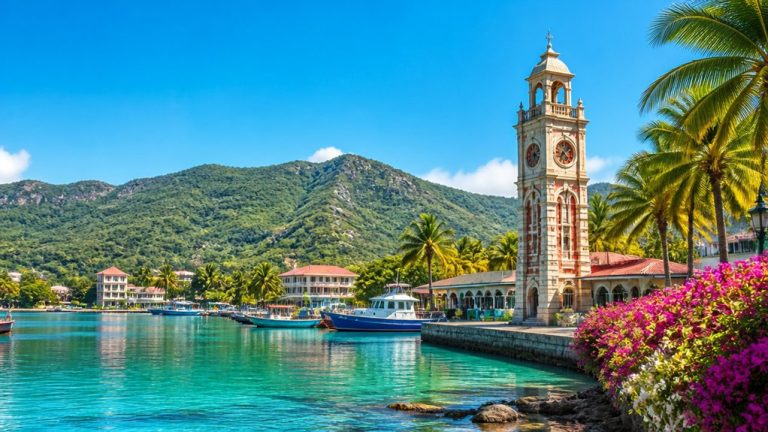
Victoria’s colonial architecture lacks the heavy-handed monuments you’d find in most tropical ports, partly because the British didn’t establish deep enough roots to accumulate grand building projects. The Clock Tower on Independence Avenue functions as the actual centre of the city—everything worth your attention radiates from this point, so orient yourself there and move past it quickly to escape the souvenir hawkers. Spend your initial minutes here establishing your bearings, then leave.
The National Museum of History occupies the restored colonial Supreme Court building and explains how the islands actually developed rather than leaving you to guess at their history while wandering forgettable streets. The collection is small and straightforward, which means you’ll absorb the information without fatigue or confusion. You’ll understand why Seychelles held importance to global trade routes and why the population reflects so many different ethnic backgrounds—context that makes walking through the rest of the city coherent.
St Paul’s Cathedral sits away from the waterfront and functions as an active spiritual space rather than a colonial memorial, which creates an entirely different atmosphere than cathedral visits elsewhere. The interior remains simple and unadorned, and midday visits mean you’ll have space to move without other tourists pressing against you. You can spend as long as you want here without feeling rushed or observed.
Walking tours operate throughout the day and cost considerably less than what your ship charges for the same experience while moving at a pace that doesn’t exhaust you. The best guides book up quickly during cruise season, so arrange your tour online before you arrive rather than accepting whatever remains available through onboard booking. A logical route through these three locations beats wandering on your own and then struggling to recall where you’ve been.
Beyond the Centre: Day Trips and Alternatives
Most cruise passengers stick to Victoria’s waterfront, so the quieter areas of Mahé only appear if you venture inland or along the coast. Ship excursions tend toward beach clubs and snorkelling trips—functional ways to pass four hours, but they cost more than arranging the same thing yourself and they shuffle you around with other tour groups.
For actual swimming and coral without the tour operator structure, book a boat trip through a local operator before you arrive. The reliable guides fill their schedules during cruise season, you’ll pay substantially less than the ship charges, and you get a smaller group with the freedom to stay longer where conditions work. Search for half-day reef trips departing from the harbour—these operators know which spots perform consistently and can adjust to what’s actually happening rather than stick to a fixed itinerary. You can book guided tours through platforms that specialize in shore excursions at cruise ports to secure your spot with reputable local operators.
The botanical gardens serve as a solid land-based option if you’d rather skip water activities. You move through at your own pace without a group pulling you forward, and the collection of native palms and spice plants explains what actually drives the local economy. Pair this with lunch at a restaurant in a residential area rather than the tourist zone, where you’ll spend less and eat noticeably better than anything near the Clock Tower.
Book your activity before the ship docks. Independent tours do sell out on busy cruise days, and your remaining choices narrow to whatever slots haven’t filled.
Shore Excursion or Going It Alone
The cruise line’s excursion desk charges substantially more than independent operators charge for the same activities. You’re paying for their booking system and the insurance that you’ll return before departure—conveniences that don’t improve your actual experience on the water or in the gardens.
Going it alone means making one decision before you dock: book your activity through a local operator in advance. This isn’t optional—the best reef trips and private guides fill quickly during cruise season, and your choices shrink considerably if you wait until you’re ashore. Independent operators typically charge less than the cruise line, run smaller groups, and let you decide where to spend your time without following a set schedule.
The logistics work simply. Arrange pickup from the harbour before your ship arrives and confirm meeting times the night before, and you’ve eliminated the need to negotiate taxis or figure out local roads under time pressure. Most operators work with cruise passengers regularly and build in sensible buffer time for delays. Professional drivers managing transfers ensure you arrive at your activities on schedule without the stress of navigating unfamiliar transportation options.
The trade-off is straightforward: you lose the convenience of having everything organised by your cruise line, but you gain control over what you pay, who you travel with, and how fast you move. For a half-day reef trip or botanical gardens visit, that’s a reasonable exchange. Local tour operators consistently deliver better value and a less rigid experience than anything the ship offers.
Book within a week of your voyage date while availability remains open.
The Practical Details That Change Your Day in Victoria Mahé Seychelles
The harbour taxi rank works on an informal system that catches most cruise passengers off guard, which is exactly why the desk charges inflated rates for transfers you could arrange yourself. Operators there know you’re in a hurry and unfamiliar with local rates, so they price accordingly. Your best move is to ask other passengers where they’ve successfully arranged transport, or book ground transport through your independent tour operator when you arrange your main activity—they’ll handle your arrival and departure without the guesswork.
The main tourist strip near the port charges considerably more than establishments just two streets inland, where locals actually eat. Walk away from the waterfront for a few minutes and your lunch costs a fraction of the price for noticeably better quality. The food itself is better when you’re not paying the cruise tax on your meal.
The botanical gardens and nature reserves operate year-round, but afternoon crowds peak when multiple ships are in port. If you’re going independently rather than booking a ship excursion, aim for early morning visits to avoid the worst of it. Seychellois people are genuinely helpful when you ask directions—they’re accustomed to visitors and rarely rush you through an answer, which means you can navigate confidently without relying entirely on pre-booked guides.
Your Port Day: A Sample Itinerary
Most cruise passengers spend their first hour ashore either queuing for taxis or waiting in the ship’s tour office. This happens to be exactly when the botanical gardens are quietest and the light is best for actually seeing what’s there.
Arrange your transport the evening before through an independent operator rather than the ship. You’ll pay less and avoid the morning rush entirely, which means you can head straight to the National Botanical Garden at Mont Fleuri while other passengers are still working out their plans. Getting there before mid-morning lets you see the giant tortoises and tropical plants without fighting through crowds.
Once you’ve finished the gardens, walk into Victoria proper. The Seychelles National Museum is centrally located and charges a modest fee, giving you actual context for the islands’ history without the markup you’d pay a tour operator. This takes a couple of hours and covers the essentials efficiently.
Lunch works best if you walk two streets inland from the waterfront. Local restaurants serve the same seafood and curries at half the waterfront price, and you’ll eat where actual residents eat rather than in the tourist corridor.
How you spend the afternoon depends on what you’ve arranged beforehand. If you’ve booked an independent snorkelling or island tour in advance, you’ll head out now—these fill quickly for cruise passengers, so booking online beforehand guarantees you get space on a decent operator. If you’re staying in town instead, the side streets around the market are worth walking through, the clock tower gives decent views, or you could simply sit with coffee and let the place settle into your head rather than rushing through it.
Book your Victoria Mahé Seychelles day
Tours for this port, compare before you book
Getting around in port