Deception Island Cruise Port Guide
Journey to Antarctica’s most deceptive volcano—discover why this black sand paradise hides secrets that will transform your polar expedition.
In this guide
Try one free personalised day plan — built around your ship’s actual arrival and departure times. Then get every port on your cruise done the same way from £7.99 (about $10).
Cruise Port Overview: What To Expect
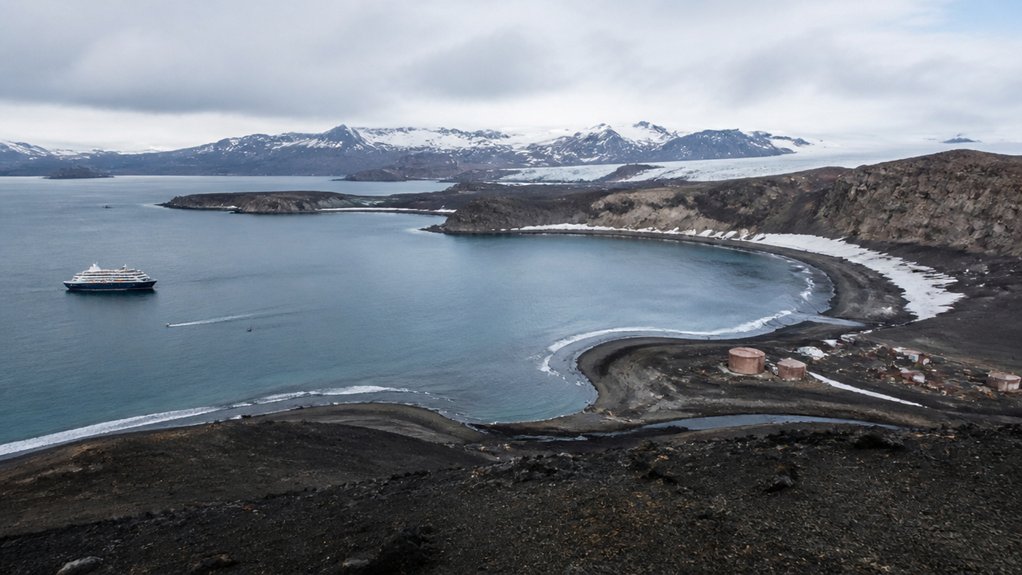
Deception Island is an active volcano that collapsed into the Southern Ocean, leaving only a crescent-shaped rim of black sand and rock above the waterline. Your cruise stop operates nothing like a traditional port call because there’s no town, no infrastructure, and no way to resupply or shop. What exists instead is raw Antarctic terrain: geothermal vents heating the ground beneath you, water warm enough to enter if you’re willing, and genuine remoteness.
Most landings follow a predictable routine—a guided walk across volcanic ground, a dip in the warm shallows, and a look at the abandoned whaling and research buildings. Landings are run by your ship’s own expedition team, and site rules allow only one ship at a landing site at a time with no more than 100 visitors ashore, so it rarely feels crowded. There is no independent shore excursion to book here; the only way ashore is with your ship.
Your time ashore runs to several hours, which is enough but not lavish. The practical reality here is simple: you’re not coming for shops or comfort, but to experience one of Earth’s genuinely odd places. Pack waterproof clothing, proper boots, and bring a camera—the Antarctic expects you to be ready for it.
Getting From the Port To Town
Deception Island has no town, which means your entire visit stays within the caldera itself. Your ship sails in through Neptune’s Bellows, the narrow gap in the crater wall, into the flooded caldera of Port Foster, and you go ashore by Zodiac at a landing site such as Whalers Bay. This is not a port where you travel inland to reach somewhere else. The island exists as your destination rather than a gateway to one.
Zodiacs take you from the ship to the black sand beaches in whatever time conditions allow. Antarctic weather dictates the schedule, so rough seas can prevent landings altogether, though this is less common during the busier months. Once you land, you walk only on designated routes, which keeps the environment intact and steers you away from unstable ground and active geothermal areas that actually pose a risk.
The ship’s expedition team decides where and when you land, based on weather, ice and the site rules. There are no independent operators on the island and nothing to book separately, so listen carefully to the landing briefing on board, which covers the route, how close you can get to wildlife and what you must not touch.
The Must-Do Experience: Start Here
Deception Island works differently because geothermal activity actually warms the water—you can wade in a bay heated by volcanic vents while icebergs drift nearby and penguins come ashore. The thermal gradient creates zones where cold Antarctic water transitions into genuinely warm shallows, a physical sensation you won’t replicate elsewhere on the continent. This temperature contrast is the practical reason to prioritize the island over other landing sites.
If your ship lands at Pendulum Cove or Whalers Bay, get into the first Zodiac group you can. The thermal zones show themselves most clearly here, and the Zodiac queue builds quickly once other passengers realize what’s happening. Wade into the shallows to feel the temperature shift yourself—it’s the most straightforward way to understand why this location matters.
Walk the designated route along the black sand beaches toward the old research station. You’ll pass fur seals and resting penguins while moving past geological features that explain the island’s volcanic origin without requiring interpretation. The walking itself is straightforward without being trivial.
Ask your ship’s expedition staff about the island’s geology before you land. They can explain why certain areas remain restricted and what the landscape actually indicates about the island’s formation. There are no separate Antarctic operators running tours on the island, so the specialists already travelling with you are your guides.
History Culture and the Top Sights
Deception Island’s history is a run of attempts to work here that the island eventually ended, which tells you more than most Antarctic destinations will. Whalers Bay holds the remains of the Norwegian Hektor whaling station and the abandoned British research station that later used the site, left for good after volcanic eruptions in the late 1960s buried buildings in ash and mud. Most of what you see has been left as it was, which is precisely what makes it useful to examine.
What you’re observing is geology asserting itself over human effort. The rusted fuel drums, collapsing structures, and lichen spreading across the buildings form an unintentional record of why Antarctica refuses to accommodate permanent habitation. You can walk through this site without a guided narrative and grasp Antarctic history more clearly than any lecture on board will provide.
The cultural logic here reverses what most ports offer. There are no local populations, no indigenous heritage to encounter, no neighbourhoods to move through. This absence is the actual content worth understanding. Deception Island marks the boundary between where humans can visit temporarily and where they cannot establish themselves, which teaches you more than any settled destination could.
Move through the site with practical efficiency rather than reverence. You’re walking through a record created by geological forces, not human civilisation, so observe it on those terms. The significance here emerges from emptiness rather than accumulation, which means you need less time than you might expect to understand what’s actually worth seeing.
Beyond the Centre: Day Trips and Alternatives
Deception Island functions as a single destination rather than a hub with multiple competing attractions, which means your real decision is how thoroughly you want to explore what exists rather than choosing between alternatives.
Your ship sails in through Neptune’s Bellows, the caldera entrance, and lands you at sites such as Whalers Bay with its abandoned research station, using a Zodiac transit from ship to shore. There are no independent operators offering landings here; the ship’s own expedition team takes everyone ashore.
Landings are limited by passenger caps that protect the site, one ship at a time and no more than 100 people ashore, so your expedition team lands passengers in groups. Advance planning matters for choosing your voyage, not for booking a shore tour here. For the ports either side of your voyage, you can explore guided tours and shore excursions before you sail.
Shore Excursion or Going It Alone
With a cap of 100 people ashore, larger ships land passengers in shifts, and you may spend part of your time waiting on board for your group to be called. The expedition team runs the Zodiac tour and it is the only way ashore, so use the wait to get your layers and boots ready rather than losing time when your group is called.
No outside operator runs its own landings at Deception Island for cruise passengers. Neptune’s Bellows, the abandoned research station and the thermal features are reached only with the ship you arrive on. If Deception Island matters to you, check that it is on your expedition itinerary when you book, and remember that weather can still cancel a planned landing.
Two practical questions determine what makes sense for you. First, is Deception Island a confirmed stop on your itinerary, or only a possible one if the weather allows? Second, how large is your ship, and how will that affect how long each group spends ashore under the 100-person limit? Asking your cruise line these questions before you book is worth the effort.
Time ashore is short when you’re already paying for an entire voyage, so be ready when your group is called. There are no shops or services on the island, so sort out a local eSIM data plan for the ports either side of your voyage before you leave home. Listen to the landing briefing on board, because the expedition team will tell you exactly where you can walk.
What the Cruise Desk Leaves Out About Deception Island
The ship’s information packet will claim you have five hours ashore at Deception Island, which is technically accurate but leaves out the crucial detail that the best landing windows occur in early morning when sea conditions cooperate and visibility holds. By the time your organised group assembles and loads onto the boats, you’ll have already lost two hours before actually reaching the shore.
Weather here deteriorates faster than in most places. Your morning might appear clear and workable, but strong winds can build quickly and halt all boat operations within thirty minutes. The expedition team builds in schedule flexibility, moving landings earlier or later to catch a window or switching to another site inside the caldera, but on a bad day you could spend your entire port day watching from the rail.
Thermal activity is genuine enough that you can feel the ground warming through your boots, but it’s also fragile and damaged easily by foot traffic. Stick to marked paths, collect nothing, and take no samples. The abandoned research station draws crowds relentlessly, so arrive early in your landing window before other groups come ashore, or visit late in the afternoon after most passengers have cycled through and returned to the ship.
Your Port Day: A Sample Itinerary
Weather, not the clock, determines what you can actually do at Deception Island—plan your day around what conditions allow rather than what you think should happen. There is no independent zodiac tour to book; your ship’s expedition team decides landing times and groups. Getting into an early group gives you the advantage of clearer steam from thermal features and fewer footprints around the research station grounds.
The ground around the station is unstable beneath its thermal activity, so stay on marked pathways because each unmarked step accumulates into visible damage over successive seasons. If the weather and your guides allow, walk a little way back from where the landing group clusters so you can feel the thermal warmth through your boots and see the island’s geological structure without navigating around crowds. Head back to the landing point as soon as the expedition team calls, since the wind can rise quickly and visibility must stay safe for the boat journey back.
Bring significantly more layers than seems reasonable and proper waterproof gear—the weather shifts rapidly enough that what seemed stable an hour earlier becomes dangerous by afternoon. Your expedition team will be watching the wind all day, so accepting their decisions matters more than sticking to your own expectations for the day.
Book your Deception Island day
Tours for this port, compare before you book
Getting around in port