Curacao Cruise Port Guide
Get insider tips for maximizing your Curaçao cruise port day—but there’s one critical booking mistake most visitors make.
In this guide
Try one free personalised day plan — built around your ship’s actual arrival and departure times. Then get every port on your cruise done the same way from £7.99 (about $10).
Cruise Port Overview: What To Expect
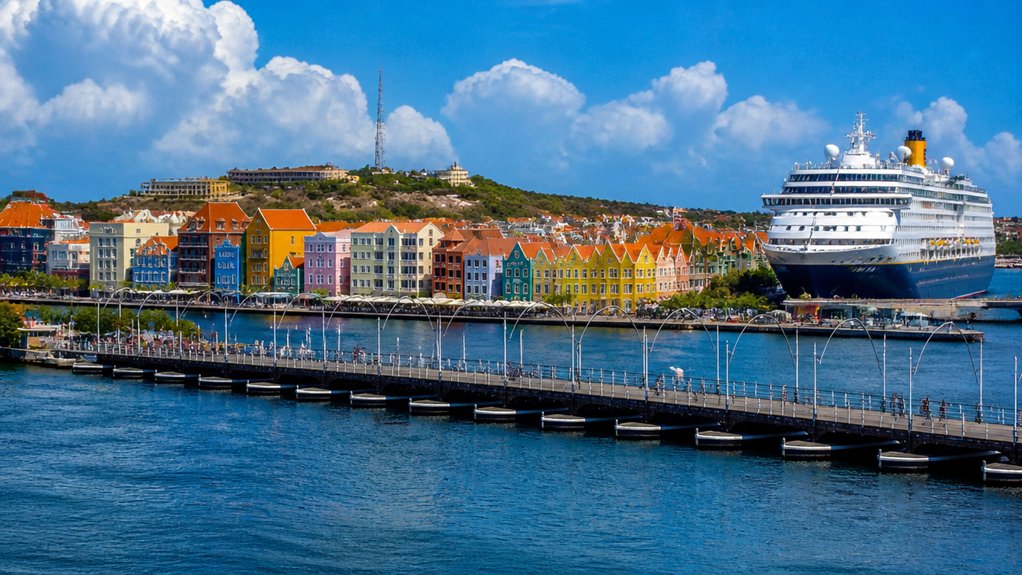
The cruise terminal in Willemstad’s Otrobanda neighbourhood puts you directly into the old town without the usual shuttle bus shuffle. Your immigration clearance moves quickly, and within a reasonable timeframe you’re walking the streets rather than queuing in a transit area. The Queen Emma Bridge sits a short walk away—it’s free to cross and used by locals and tourists alike, which means it actually feels like part of the living city rather than a tourist attraction retrofitted for visitors.
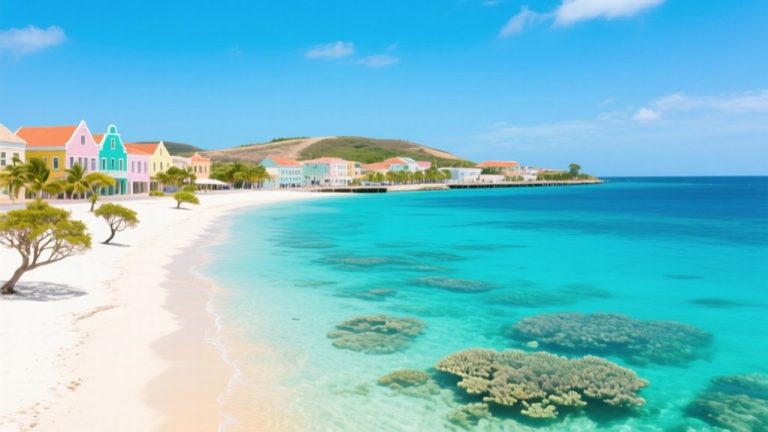
The harbour itself is the main reason to be here. Pastel colonial buildings ring the water in a natural curve, and the scene does match what you’ve seen in photographs, though this only lasts until multiple ships dock and the crowd density shifts everything. The terminal building itself is straightforward and uncluttered, which counts for something when you’re trying to move through quickly.
Expect crowding around the Floating Market and along Handelskade once the tour groups organize themselves, particularly mid-morning. The actual city spreads inland and along the coast, places where cruise passengers rarely venture, so the congestion isn’t permanent or inescapable. Your best approach involves booking independent activities in advance—diving trips, beach visits, or drives beyond the centre—which sidesteps both the crowds and the inflated pricing that comes with ship excursions.
Walking Willemstad works well if you move with purpose rather than drift. The tourist quarter charges more for less, and aimless wandering wastes your port time. Local knowledge matters here; the restaurants and bars worth your money sit outside the zones where cruise ships send their passengers, which means asking residents rather than following foot traffic.
Getting From the Port To Town
The terminal sits so close to the old town that you’re essentially already there. This proximity saves your port time from being eaten up by transfers and protects you from the inflated taxi prices that cruise operators charge elsewhere in the region.
Walking costs nothing and remains your simplest option. The Queen Emma Bridge is a short walk from the terminal through Otrobanda, and crossing it takes you over St Anna Bay into Punda. The route is straightforward and designed for pedestrian traffic.
Taxis queue near the terminal exit if you’re carrying heavy bags or prefer to avoid walking in the heat. Always agree on a fare before getting in the cab, since meters aren’t consistently reliable. The cost usually falls somewhere between affordable and moderate, but remains substantially lower than what the ship charges for transport.
Renting a car only makes sense if you plan to drive inland or explore the coastline beyond walking range. Most passengers who stick to the colonial centre find a rental unnecessary, and the effort of booking and collecting a vehicle with limited shore time rarely justifies the cost. If you decide to rent anyway, book online in advance since availability becomes tight when multiple ships dock.
Stay on foot to explore the immediate harbour area. Exit the terminal, cross the bridge, and let the pastel buildings orient you. Your money remains unspent and you move at whatever pace suits you rather than keeping to someone else’s schedule.
The Must-Do Experience: Start Here
Most visitors start at the colonial waterfront, and this is where your orientation should begin too. The pastel buildings reflect in the water, narrow streets slope towards the harbour, and restaurant tables fill the pavements by mid-morning—all of this works as a natural checkpoint before you venture elsewhere.
The Queen Emma Bridge is the obvious first stop. It’s a floating pontoon that opens for boat traffic, and spending ten minutes watching it swing aside gives you a practical sense of the harbour’s layout without needing a map or guide. Whether you’re interested in the mechanics or just want a photograph, you’ve oriented yourself.
Behind the waterfront sits Punda, a cluster of alleyways where most of the better restaurants are located. The prices here are considerably lower than what you’ll pay harbourside, where menus cater to cruise passengers and sea views add a markup to every plate. Two blocks inland, you’ll eat the same food for less money. Consider booking a guided excursion to explore the surrounding neighbourhoods beyond the main tourist areas.
The real value in this opening stretch comes from watching how the town functions. You’ll see which streets actually have foot traffic, which restaurants have queues, and where locals eat versus where tourist menus appear. After an hour here, you’re no longer following someone else’s suggestions—you’re making decisions based on what you’ve actually observed.
History Culture and the Top Sights
Curaçao’s colonial waterfront tells a straightforward story once you understand what you’re looking at. The architecture documents three centuries of trade, slavery, and survival—reading the streets means accepting that colonial charm masks economic systems that shaped everything about how this island developed. Most cruise passengers follow the same district loop without this context and leave satisfied but without understanding what they saw.
The Mikve Israel-Emmanuel Synagogue is the oldest continuously used Jewish temple in the Caribbean, located on a side street near the waterfront. Sand covers the floor deliberately, reflecting the diaspora experience, and the attached museum explains why Curaçao became a refuge when other colonies excluded Jewish residents. The admission fee is modest, but the context it provides changes how you interpret Punda from a postcard destination into a place with actual historical weight.
The Curaçao Museum in Otrobanda is the island’s oldest museum, housed in a former military hospital built in 1853, with collections of art and local history. This matters because Curaçao’s story is one of trade, economic pragmatism and cultural layering rather than aesthetic exoticism. You’ll understand why certain neighbourhoods developed as they did and how the island functioned as a working port rather than a theme park version of itself.
Skip the guided heritage tours sold onboard—they’re expensive and move at cruise-ship pace where you’ll never ask genuine questions. Instead, book an independent walking tour in advance with a local guide, as these fill quickly on cruise days. You’ll spend less money and see the same sites with someone who can actually explain why they matter rather than rushing forty people through a predetermined script.
Beyond the Centre: Day Trips and Alternatives
Most cruise passengers stay in Punda, which leaves the quieter residential areas and natural spaces beyond the colonial centre relatively untouched. The Scharloo district, across the small bridge from Punda with its restored merchant houses, and the neighbourhoods beyond it show how locals actually live, rather than the version presented at the port. Food and drink cost considerably less once you move away from the tourist areas.
The island’s beaches require travel from the port but are worth the effort to escape the crowds. Playa Kalki offers basic swimming facilities at no cost, though amenities are minimal. Sunscape Curaçao provides a more developed option with shade and facilities if you prefer a straightforward beach day without having to navigate independently.
The Ostrich Farm functions as a practical option if you’re travelling with others and want a structured activity. You’ll learn how local agriculture works and understand rural Curaçao beyond the port economy. Independent bookings for this area fill quickly during cruise days, so arrange yours online before your port date arrives to secure availability and better pricing than the ship offers.
Local food tours and neighbourhood walks led by residents provide genuine exposure to working markets, family-run restaurants, and actual daily life on the island. These book out rapidly and cost significantly less than cruise-organised excursions. Reserve your spot as soon as your port date is confirmed.
Shore Excursion or Going It Alone
The ship’s excursion desk markets their organised tours as efficient and stress-free, which holds up in practice—but you’ll pay substantially more and share the experience with hundreds of other passengers. Independent travel gives you flexibility, better rates, and actual conversation with locals instead of trailing behind a guide in crowded spaces. The trade-off hinges on your comfort with unstructured travel and managing logistics yourself.
For simple activities like swimming or the Ostrich Farm, going alone works if you can handle taxis or ask directions without anxiety. You’ll spend less and set your own rhythm, though you forfeit the logistics framework and the reassurance of a group. Most people find this worthwhile once they’re honest about their comfort level with uncertainty.
Local independent tour operators deliver genuine value that the cruise desk can’t match. A neighbourhood food walk or guided tour through residential areas costs far less than what the ship charges, sells out quickly during port days, and connects you with the actual place rather than the packaged version sold onboard. Book these before you arrive, since the best operators fill their slots fast with cruise passengers spreading word about how much better these experiences are. Consider purchasing local eSIM data plans to stay connected while navigating independently and communicating with tour operators.
Ship excursions make more sense for activities requiring transport to remote locations or specialist knowledge you lack. The extra cost covers dependable timing that ensures you’re back at the port with margin to spare. If you’re anxious about missing your ship, paying for that certainty isn’t frivolous spending.
Curacao Notes the Excursion Desk Skips
The money changers operating inside the terminal offer exchange rates that work heavily against you, so bring cash withdrawn from your bank before boarding or find an ATM once you’re in town. Taxis waiting outside the terminal are priced for people who have no choice—negotiate your fare before getting in the car, or ask a port worker what a realistic fare should be rather than accepting the driver’s opening number.
The beaches closest to the port serve their purpose but fill up quickly when several ships are docked simultaneously. Jan Thiel Beach and the Spanish Water area require a taxi ride but offer more space. Independent drivers know these spots and can take you straight there.
The restaurants surrounding the terminal charge premium prices that have nothing to do with what’s on the plate—you’re paying for being near the ship and needing somewhere quick to eat. Move two streets inland and you’ll pay half as much for the same food prepared the same way. Locals eat where you won’t accidentally stumble while wandering, which is exactly where your money stretches further.
Book walking tours or food experiences through independent operators before your ship arrives, not at the terminal desk. The operators running neighbourhood food walks and residential area tours sell out because cruise passengers talk to each other and word spreads about quality. Booking online beforehand guarantees your spot and costs less than booking on the day.
Your Port Day: A Sample Itinerary
Most cruise passengers spend their morning in terminal queues while the ship docks, but you could be eating breakfast in places where locals actually eat. Head straight into Willemstad’s Punda neighbourhood before other passengers arrive. A café away from the waterfront costs less and serves better food, and the walk there helps you get your bearings while the terminal sorts itself out.
Book a walking food tour through the residential streets by mid-morning if you haven’t arranged one already. Independent operators fill up by early afternoon once earlier cruise groups spread the word, so timing matters. You’ll eat actual local cooking, understand how the neighbourhoods work, and pay far less than the ship charges for a generic excursion.
After lunch, choose based on what you have left in you. Staying central means wandering the pastel streets and checking out the floating market at the harbour’s edge—genuinely interesting and requiring no transport. If you take a taxi inland to Spanish Water, you get actual beach space without the queue of cruise passengers fighting for the same spot. Either way, you return to the ship with time and money remaining.
Moving inland early and booking experiences before you arrive is what separates a useful day from a wasted one. The best operators sell out, and the best value sits two streets away from where your ship expects you to spend money.
Book your Curacao day
Tours for this port, compare before you book
Getting around in port