Aruba Cruise Port Guide
Discover insider secrets to maximizing your Aruba cruise port day—skip overpriced tours and learn where locals really go.
In this guide
Try one free personalised day plan — built around your ship’s actual arrival and departure times. Then get every port on your cruise done the same way from £7.99 (about $10).
Cruise Port Overview: What to Expect
Aruba’s cruise terminal is small enough that you’ll either get through quickly or find yourself waiting with passengers from two or three other ships—there’s rarely a situation in between. The terminal sits close enough to Oranjestad that walking into town takes under ten minutes, but this proximity has a downside: the terminal area functions more like a shopping precinct than a working port, and everything around it is priced for cruise passengers with chain stores taking up most of the space.
What works practically is that the port requires minimal navigation. Immigration and customs processing moves at a reasonable pace, the facilities do what they’re supposed to do, and once you’re through, you’re close to the main shopping streets. Taxis are available immediately outside the terminal with fixed, regulated fares, so you don’t need to worry about haggling. If you prefer, walking is straightforward, or you can arrange a shore excursion beforehand to explore further.
The port doesn’t get overwhelmed the way busier Caribbean terminals do, even when multiple ships are docked. Most cruise passengers get directed into tour coaches or stay in the shopping district, which means the quieter residential streets beyond the obvious tourist areas feel genuinely less crowded. Getting past those immediate tourist zones requires only modest effort and takes you to where locals actually spend their day. The terminal itself is merely the entry point—what happens next depends on what you actively choose to do beyond it.
Getting From the Port to Town
You won’t need the taxis outside the cruise terminal for the town itself. Walking into town takes a few minutes, costs nothing, and actually teaches you how the island is laid out rather than how the tourism industry wants you to see it. Save a cab for trips further out, where the island’s fixed fares make the price clear before you set off.
Head out of the terminal along the waterfront road toward Oranjestad’s centre. You’ll pass through the shopping district first—chain stores and duty-free outlets designed to separate you from money quickly—but the real neighbourhoods with actual restaurants and local shops are just beyond this precinct. Once you’re past the commercial corridor, your money stretches further and you’re eating and shopping in places where locals go.
If you want to reach Eagle Beach or the inland areas around the ostrich farm and Ayo rock formations, book an independent tour operator in advance rather than through the cruise line. These operators fill their groups quickly when ships dock, and their rates undercut what your cruise desk will charge you. Small-group tours give you more say in the pace and route than the standard coach circuit does.
The walk to town requires nothing from you except the willingness to move at a normal pace. Most people cover the distance without difficulty, and once you’re past the tourist quarter, you’re in an actual functioning part of Aruba rather than a version constructed for visitors.
The Must-Do Experience: Start Here
Aruba’s real advantage as a cruise port is that you can construct a worthwhile day without pre-booking a single thing, which puts it ahead of Caribbean stops where you’ll lose hours to logistical friction. This flexibility matters more than you might think when you’re working with limited time ashore.
The butterfly farm and ostrich farm both offer something different from the standard beach-and-resort formula. They’re not particularly grand, but they’re genuinely interesting and operated by people who actually live here rather than imported for the season. Book through independent operators before you arrive and you’ll pay substantially less than the cruise line charges whilst securing your spot before other passengers from multiple ships claim the available slots.
The Ayo rock formations give you a genuine sense of exploring rather than being processed through a tourism experience. The massive boulders scattered across the landscape provide reasonable views across the island and enough terrain to scramble through that it feels like something you’re discovering rather than consuming. Independent operators will get you there faster and cheaper than booking through your ship.
The aloe plantation shows you something true about how Aruba actually functions economically—it’s not a polished tourist experience, but you’ll see the actual crop, watch the processing, and leave with genuine knowledge about the island rather than another photo of sand and water. This matters if you want your time ashore to mean something beyond ticking boxes.
Arrange any of these through independent operators before you dock. Consider purchasing a local eSIM data plan to stay connected while coordinating with your guides and sharing your discoveries in real time. Tours fill quickly when multiple ships arrive and you’ll pay a fraction of what your ship’s desk charges. The real difference is having locals drive you and explain things honestly rather than having someone read from a script.
🗺️ Tours & Experiences at This Port
Skip the ship’s overpriced excursions — browse top-rated independent tours trusted by thousands of cruise passengers.
History Culture and the Top Sights
Aruba’s colonial history barely registers as significant, which shapes how you should approach the island’s cultural offerings. The economic forces that built Aruba matter far more than dramatic heritage narratives, and accepting this reframes what’s actually worth your attention. Understanding this distinction separates useful time spent from tourist boxes ticked.
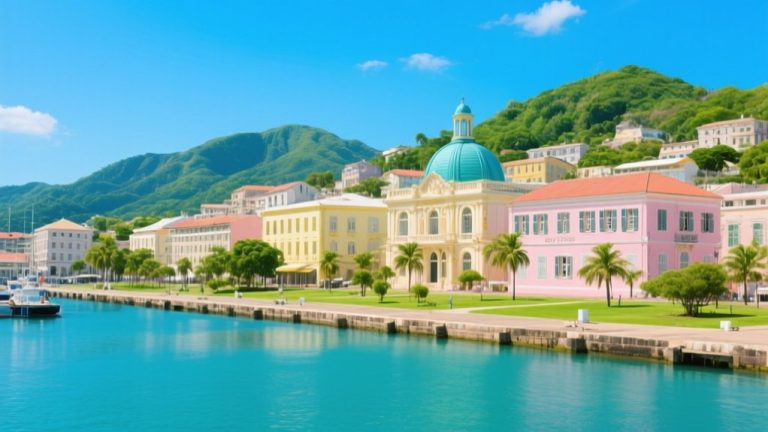
Oranjestad’s waterfront displays pastel buildings restored for contemporary visitors rather than preserved as important architecture. Fort Zoutman contains a small museum that explains the island’s military-strategic role, which matters if you’re interested in why Aruba developed as it did. Walking the old town takes minimal effort and provides adequate context without demanding significant commitment.
The Numismatic Museum operates without the commercial polish typical of cruise-port attractions, which means it serves actual currency enthusiasts rather than casual tourists. Entry costs little, and the collection reflects genuine curatorial interest rather than marketing strategy. This approach either appeals to you or it doesn’t.
Aruba’s real story centres on oil refining and tourism infrastructure rather than the plantation agricultural history common across the Caribbean. This economic foundation explains the island’s functional organisation and reduced dependence on cruise-ship economics compared to competing ports. The cultural substance exists in conversations with residents rather than in designated historical sites.
Independent walking tour operators provide substantially more useful historical context than cruise-line personnel at significantly lower cost. Local guides understand the island’s actual development trajectory rather than delivering standardised narratives. This investment in a proper guide returns considerably more practical knowledge about how Aruba functions.
Beyond the Centre: Day Trips and Alternatives
Most cruise passengers pay extra to sit in a minibus with forty other people from their ship while visiting Ostrich Farm. The experience costs considerably more than arranging it yourself, and you’ll spend the entire time on someone else’s schedule rather than your own.
Aruba’s roads are well maintained and straightforward enough that independent car hire makes genuine sense. The island is small enough that you’d need to try hard to get lost, and rental rates come to a fraction of what the cruise line charges for a guided tour. You control where you stop, how long you stay, and whether you eat at a proper restaurant or tourist trap near the harbour.
If driving isn’t for you, local taxi operators know the island properly and will negotiate reasonable rates for half-day trips. They’ll take you to Eagle Beach or the windward side without the markup applied at the cruise port, and they’re more likely to point you toward actual food than the chains clustered near the terminals.
The most practical approach is booking local tour operators directly online before you arrive. Ostrich Farm visits, ATV expeditions, and snorkelling trips fill quickly once ships dock, so going straight to the companies secures better rates and smaller groups. During busy seasons, popular operators sell out within days of posting availability, which means arranging things a day or two before you dock genuinely matters.
What you should avoid is standing in line at the excursions desk paying premium rates for experiences you could arrange yourself far more cheaply. Aruba actively rewards travellers who book their own activities. Your port time becomes actually yours instead of a carefully managed slot in someone else’s operation.
Shore Excursion or Going It Alone
The cruise desk will tell you the island is safe and relaxed, which is true. What they won’t mention is that the shops closest to the terminal are pitched squarely at ship passengers, with inflated prices to match. The real Aruba exists a few streets further on, so have a plan for where you’re heading before you step off.
The terminal sits right on the edge of Oranjestad’s actual town, so the difference isn’t distance but where you choose to spend. Shops right by the dock know they have you for a few hours, and pricing reflects that. Walking a few streets inland, or heading out of town by taxi or rental car, shifts you into a different economic zone where locals shop and eat.
The windward side of the island, facing the Atlantic, stays largely untouched by cruise tourism. The beaches are rougher and the landscape feels genuinely wild compared to the manicured western shore. If you’ve arranged a car or negotiated a taxi rate beforehand, this side rewards the effort with proper solitude and actual island character rather than resort theatre. Consider booking guided excursions that take you beyond the typical tourist corridor.
The island’s tap water is desalinated and perfectly safe to drink, so you’re not locked into buying bottled drinks at cruise-port markups. Bring a refillable bottle and fill it on the ship before you head ashore. This small gesture delivers genuine savings.
Local operators often include practical touches the cruise lines skip—proper sunscreen guidance, knowledge of which beaches have facilities, honest warnings about sea conditions. Booking independently before you arrive doesn’t just save money; it connects you with people who actually want you to have a good day rather than simply process you through an experience.
The Mistakes Cruise Passengers Make in Aruba
Aruba’s real advantage is that the island functions perfectly well independent of cruise tourism, so you can actually have a proper day without fighting the industry infrastructure. The compact layout and solid roads mean you won’t waste hours just trying to get somewhere worth being, which matters more than it sounds when you’re working with limited port time.
US dollars are widely accepted, so you don’t need to exchange money at the terminal. The SETAR kiosk inside the cruise terminal sells Wi-Fi cards and international call services, which can be useful for staying connected.
Renting a car requires only your regular driving licence and costs moderately, with roads that are genuinely straightforward to navigate compared to other islands nearby. If driving isn’t for you, arranging a private driver in advance costs substantially less than negotiating with dock taxis and removes the stress entirely from your day.
The southern coast around Savaneta contains actual working fishing villages where local people spend their time, the Ostrich Farm inland offers something genuinely different from standard beach tourism, and the Ayo rock formations provide real landscape interest without feeling artificially constructed for photographs. All of this sits close enough to reach within a short journey from the terminal.
Book independent guides beforehand because the best ones have limited availability once cruise ships dock, and you’ll save money compared to ship-organised tours. You get someone who lives here by choice and knows the place through genuine daily experience rather than rotating through tourist scripts.
🗺️ Tours & Experiences at This Port
Skip the ship’s overpriced excursions — browse top-rated independent tours trusted by thousands of cruise passengers.
Your Port Day: A Sample Itinerary
The real problem with a port day here is wasting hours if you stay near the cruise terminal. Downtown Oranjestad is only a few minutes’ walk from the ship, and the shops by the dock will drain your money and time before you realise what’s happened.
Arrange a pickup at the cruise terminal before you arrive. A private driver or independent guide you’ve booked in advance means no haggling and no delay, and you’ll be heading into actual Aruba within minutes rather than sitting through a sales pitch. Head straight to the Ayo rock formations first, where you’ll see what the island genuinely looks like beyond the resorts.
By midday, move toward Savaneta on the southern coast. The fishing villages here work on local time, not cruise ship time, and the small restaurants charge what locals pay rather than what cruise passengers expect to spend. The water stays calmer on this side too, which matters if swimming is part of your plan.
Your afternoon can go either toward the Ostrich Farm—genuinely odd and actually interesting—or back to Eagle Beach if you want straightforward time in the water. Book any farm visit through an independent operator before you sail; the cruise line’s version costs more and runs on their timetable, not yours.
Build in buffer time for your return to the terminal. The roads are simple enough to navigate, but a conversation with someone you meet or a slow truck can easily add unexpected minutes, and missing your ship isn’t a trade-off worth making for extra browsing time.
🗺️ Tours & Experiences at This Port
Skip the ship’s overpriced excursions — browse top-rated independent tours trusted by thousands of cruise passengers.
Book your Aruba day
Tours for this port, compare before you book
Getting around in port