Hiroshima Cruise Port Guide
Know the insider secrets to maximizing your Hiroshima port day—but there’s one critical timing mistake most cruisers make.
In this guide
Try one free personalised day plan — built around your ship’s actual arrival and departure times. Then get every port on your cruise done the same way from £7.99 (about $10).
Cruise Port Overview: What to Expect
Hiroshima’s port sits reasonably close to the city centre, but the approach matters far more than the distance itself. Most cruise passengers follow the ship’s excursion crowds directly to the Peace Memorial Park, which means you’ll arrive at peak times alongside hundreds of others, paying inflated prices for mediocre meals and queuing for basic experiences.
The port terminal has basic facilities—a small convenience store, information desk, and taxi rank—but nothing that justifies lingering. Your real decision point comes immediately: whether to join the orchestrated tour groups or take control of your morning. Taxis into the city centre are moderately priced and plentiful, and you’ll reach the main attractions within reasonable time even with limited port hours.
What often surprises cruise passengers is how manageable Hiroshima feels on foot once you’re in the right area. The Peace Memorial Park, museums, and riverside districts connect logically, so you won’t waste energy backtracking. This matters when you’re working against a ship departure time. You can book guided tours and shore excursions in advance to maximize your time exploring the city’s most significant sites.
The honest assessment: Hiroshima deserves a serious visit, not a rushed checkbox exercise. If you have sufficient time ashore, you can see the Peace Memorial Museum, walk the park, explore nearby neighbourhoods, and eat well without feeling pressured. With limited time ashore, be selective and book a well-structured independent tour in advance rather than gambling on DIY timing, since popular tours fill quickly for cruise passengers and securing your spot online beforehand removes real stress on the day itself.
Getting From the Port to Town
Taxis queue reliably at the terminal and drivers understand cruise passenger schedules—mention your ship departure time and they’ll factor it into their route. A cab ride into the city centre costs a moderate amount and buys you something more practical than savings: you arrive when you decide, not when a tour operator’s bus fills up, and you don’t spend half your morning travelling with seventy other passengers wedged into a coach.
If you want structure without paying the ship’s markup, book an independent guided excursion in advance through online platforms. These fill quickly for cruise passengers, so securing your spot beforehand removes the uncertainty of finding availability on the day. You’ll pay considerably less than the ship charges and often get a guide who actually knows the place rather than someone reciting a script.
Walking works once you’re downtown, particularly between the Peace Memorial Park and the riverside districts. The terrain is flat, signs are clear, and you won’t feel disoriented even if you wander slightly off course. This only makes sense if you arrive with an honest calculation of what you can actually see in the hours you have.
Public transport—streetcars and buses—operates efficiently, but learning the system as a cruise passenger with limited time requires more effort than it saves. A taxi to your first destination, then walking and selective bus rides afterwards, makes better use of your hours. Factor in the queuing at the terminal on your return rather than imposing an artificial deadline that pushes you to rush through what you came to do.
The Must-Do Experience: Start Here
Most cruise passengers treat the Peace Memorial Park as a checkbox rather than a destination, arriving in a group, spending forty minutes, and leaving without absorbing why they came. The real must-do here isn’t the park itself—it’s understanding what happened and why it matters, which changes how you move through the space and what you actually see.
Start with the Peace Memorial Museum before the park. This seems backward to many visitors, but the museum provides the context that transforms the monuments from impressive stonework into something genuinely moving. You’ll grasp the scale of the event and recognise the personal stories embedded in the exhibits, which means when you walk to the cenotaph and the Atomic Bomb Dome afterwards, you’re not just taking photographs—you’re processing something real.
The Dome is visible from the park, and yes, it’s surrounded by other visitors, but the crowds thin considerably if you arrive early or approach from the riverside rather than the main entrance. Walking the perimeter often feels more reflective than standing in the formal viewing area with dozens of others. This shift in approach costs you nothing but changes the quality of what you experience.
Book an independent guided tour in advance if you want deeper historical insight without the premium the ship charges. A good guide contextualises what you’re seeing and answers the questions that simply walking through won’t resolve. Guides who specialise in this work sell out quickly on cruise days, so securing your spot beforehand guarantees you won’t waste your morning hunting for availability.
🗺️ Tours & Experiences at This Port
Skip the ship’s overpriced excursions — browse top-rated independent tours trusted by thousands of cruise passengers.
History Culture and the Top Sights
The Hiroshima Peace Memorial Museum contains far more than most visitors encounter, particularly in the basement where personal objects convey individual experiences instead of aggregate figures. Cruise passengers frequently skip these lower levels because they’re conscious of ship departure times, missing the material that actually contextualises what happened. You’ll genuinely need over an hour to process the exhibits properly; moving through in half that time renders the visit superficial.
Entry charges a modest sum and the queues function reasonably well, so arriving early or mid-morning avoids the crush that occurs when several ships dock simultaneously. The museum’s actual size catches people off guard if you’re used to smaller memorial spaces. Plan accordingly rather than assuming you can dash through and rejoin your group.
The Cenotaph and grounds become far more intelligible once you’ve absorbed the museum’s content. The A-Bomb Dome photographs better from angles other visitors ignore—the riverside path provides clearer views than the crowded front entrance, and circling the perimeter without hurrying gives you spatial understanding between the hypocenter marker, memorial, and structure itself. Most visitors snap photos from the obvious spot then leave, having missed how these elements relate to one another.
Hiroshima Castle sits northwest of the peace memorial area and warrants a visit if you have substantial port time, though it addresses feudal history rather than twentieth-century events. The castle gardens are pleasant without being essential to understanding Hiroshima’s significance for cruise visitors. Calculate your return journey carefully rather than losing track of time and scrambling back to the port.
Beyond the Centre: Day Trips and Alternatives
Going to Miyajima alone works better than joining a ship excursion because you control your own schedule instead of being held to group pace. The ferry is cheap and runs often enough that you don’t need to panic about timing, which matters when you’re trying to avoid a ship deadline. Book your return ticket as soon as you land so you’re not doing mental math about departure windows while standing at the terminal.
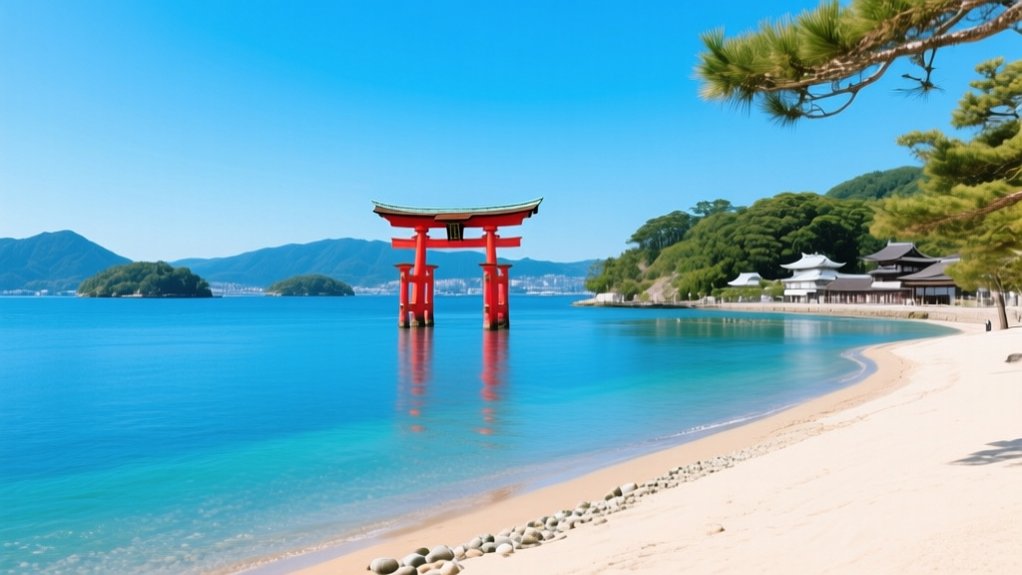
The main shrine and floating torii gate attract crowds during midday when multiple ships are docked. Arriving early or staying after the organised groups leave eliminates most of this problem. The walking paths on the hillside beyond the central temple stay relatively empty and give you a sense of why the place holds spiritual weight rather than just functioning as a photo spot.
A moderate uphill walk takes you above where most visitors cluster, and the views are worth the effort without demanding any special fitness level. Independent travel costs less than paying for a ship excursion while giving you the freedom to stay as long as you want. The restaurants and shops away from the shrine area generally offer better value than those in the tourist core.
Be realistic about your ferry departure time and add a buffer so you’re not running back to the terminal. The whole journey takes longer than you’d expect when you factor in queuing, walking between places, and the crossing itself. Leave yourself room to absorb the quieter parts of the island without rushing.
Shore Excursion or Going It Alone
Ship excursions to Hiroshima funnel you through a scripted experience that costs considerably more than transport and entry combined, while a guide delivers information you could absorb independently. You’ll arrive at the Peace Memorial Museum during peak hours, constrained by group timing and someone else’s narrative priorities. Going alone gives you actual control over your attention—spending twenty minutes at one exhibit or two hours, depending on what matters to you.
The museum audio guide is thorough and available in multiple languages, so a paid tour handler adds nothing substantive. If you want background context, reading something beforehand costs nothing and lets you set your own pace without external rhythm dictating when you move between spaces. The psychological difference is real: you’re not watching the clock or pretending to absorb details while standing still with other tourists.
Book a private guide through a local operator in advance if you want guided context without group constraints. Independent guides typically charge a fraction of cruise line rates and will tailor the visit to what actually interests you rather than a standardised script. The critical detail regardless of which approach you choose is arriving early enough that ferry departure times don’t force you to rush through the exhibits.
🗺️ Tours & Experiences at This Port
Skip the ship’s overpriced excursions — browse top-rated independent tours trusted by thousands of cruise passengers.
The Practical Details That Change Your Day in Hiroshima
The ferry terminal’s convenience shops charge well above what you’d pay elsewhere, so buy your coffee and snack before boarding. Most cruise passengers don’t realise that a midday arrival combined with lunch delays leaves you with barely enough time before closing, which changes with the season.
Coin lockers at the terminal cost a small fee and actually solve a real problem—carrying a backpack through crowded streets and museum floors drains your energy far more than walking itself. The lower floors of the museum empty out progressively through the afternoon, so arriving in the early afternoon gives you quieter access to later exhibits while morning arrivals are still stuck at the entrance.
The tram from the port stop to the Peace Park is the most direct cheap route, taking around half an hour, and it saves you second-guessing a walk of several kilometres. Food vendors near the park price everything aggressively, so eat your main meal before you arrive or after you leave rather than paying marked-up rates during your visit. Independent guides available through advance booking charge substantially less than ship excursions and actually let you move through the museum at a pace that suits you rather than a schedule, though they do fill up quickly on cruise days.
🗺️ Tours & Experiences at This Port
Skip the ship’s overpriced excursions — browse top-rated independent tours trusted by thousands of cruise passengers.
Your Port Day: A Sample Itinerary
Most cruise passengers spend their first hour lost, which means they arrive at the Peace Memorial Museum during peak crowds. Use the coin lockers at the terminal first—this is necessary, not optional—then take the tram toward the park. Moving quickly while others consult maps gets you to the museum entrance before the mid-morning rush.
Your morning works best if you move through the museum at your own speed. An independent guide booked ahead actually changes what you see, letting you spend time on exhibits that matter to you instead of following a group’s schedule. Solo visitors should budget two to three hours; the lower floors quieten as afternoon arrives, giving you less crowded access to later sections.
Leave by early afternoon and eat your main meal somewhere other than the vendor stalls near the park. Either bring food with you or wait until you’ve left the precinct, where prices don’t reflect captive foot traffic. Spend remaining time walking the surrounding neighbourhoods or visiting one of the smaller temples nearby; these places see almost no cruise passengers and actually feel like part of the city rather than an extension of the memorial site.
Head back to the terminal with genuine time to spare. The tram ride back to the port takes around half an hour, so leave room for it rather than rushing the end of your day.
🗺️ Tours & Experiences at This Port
Skip the ship’s overpriced excursions — browse top-rated independent tours trusted by thousands of cruise passengers.
Book your Hiroshima day
Tours for this port, compare before you book
Getting around in port
✈️ Before you sail: eSIM, insurance, luggage, flight delays
Ships In Hiroshima
Upcoming calls from our sailings tracker, updated regularly.
Celebrity Millennium
Celebrity CruisesSat 10 Oct
⚓ 11:30–21:00
Celebrity Millennium
Celebrity CruisesThu 22 Oct
⚓ 09:00–18:00
Diamond Princess
Princess CruisesSat 24 Oct
⚓ 07:00–17:00
Norwegian Jade
Norwegian Cruise LineSat 7 Nov
⚓ 08:00–19:00
ms Westerdam
Holland AmericaThu 12 Nov
⚓ 08:00–23:59
Norwegian Jade
Norwegian Cruise LineTue 17 Nov
⚓ 07:00–16:00