Rovinj Cruise Port Guide
Discover hidden gems and insider tips for maximizing your Rovinj port day—but here’s what most cruise guides won’t tell you.
In this guide
Try one free personalised day plan — built around your ship’s actual arrival and departure times. Then get every port on your cruise done the same way from £7.99 (about $10).
Cruise Port Overview: What to Expect
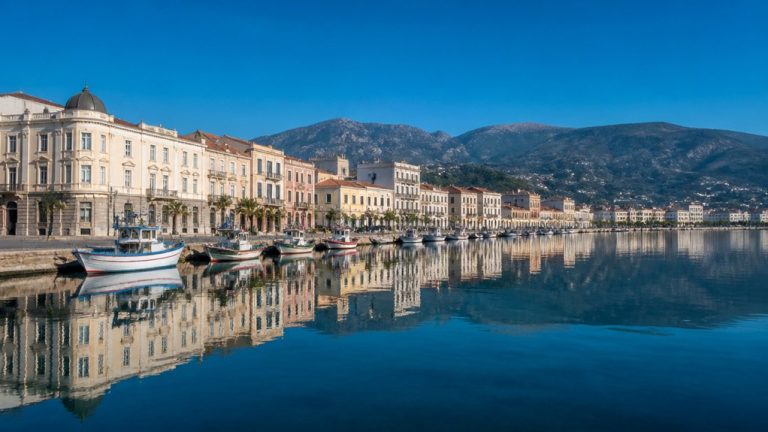
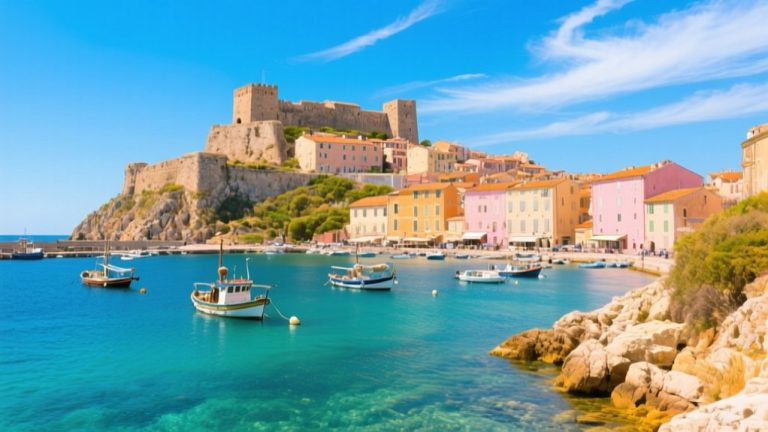
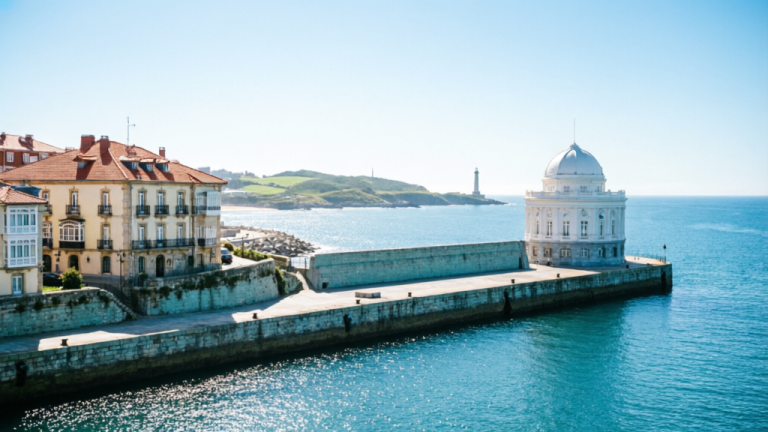
Rovinj’s cruise port operates on a genuinely small scale—the entire old town is walkable in under an hour, which means your actual problem is deciding what to skip rather than hunting for activities. Ships anchor offshore and tender you to a pier right on the edge of the medieval centre, so the walk into town is flat and short, passing a few cafés and souvenir stalls before the atmospheric narrow streets begin. The location works in your favour because everything worth seeing is contained and accessible.
The old town itself is authentically cramped. A coffee and a wander through the cobbled lanes costs considerably less than similar experiences elsewhere on the Adriatic coast, and the Venetian architecture paired with actual coastal views gives you something to photograph without pretence. Independent boat tours exploring nearby caves and coves operate here and offer better value than anything your ship organises, though they fill quickly during peak season, so advance online booking is necessary if you want a spot.
What often surprises visitors is how few people venture past the main square and waterfront. If you walk uphill away from the crowds, you reach residential streets where locals actually live rather than perform for tourists, and this is where the town becomes something more than a port attraction. The harbour itself remains functional—fishing boats still operate from here, and the waterfront restaurants aren’t uniformly good, with some relying purely on location and charging accordingly.
Fresh seafood lunch here costs substantially less than equivalent food on the ship, and the quality difference is stark. Choose your restaurant carefully rather than grabbing the first option, as the waterfront can be a trap for careless spending. Eating reasonably well from an actual kitchen rather than a ship galley makes the port worth the effort alone.
Getting From the Port to Town
The tender pier sits right on the edge of the old town. From there, a straightforward pedestrian path takes you past a handful of cafés where locals actually sit. The route is flat, well-signed, and impossible to get lost on, which removes one source of port-day anxiety.
Your main variable is pace. If you move steadily without stopping, you’ll reach the main square fairly quickly. If you pause to look at anything, add considerably more time.
The residential streets uphill from the harbour offer a quieter entry into town than the waterfront. Approaching from above rather than joining the crowds at sea level gives you a better sense of how the place actually functions. By the time you reach the old town proper, you’ll already have your bearings rather than feeling disoriented among the cobbles.
Taxis theoretically exist, but using one is pointless for a distance this short and costs more than it should for barely saving you time. Walking is faster, cheaper, and gets you acclimated to the town’s layout immediately. The architecture and coastal light will slow you down naturally anyway, so build that into your expectations rather than fighting it.
The Must-Do Experience: Start Here
The Church of St. Euphemia shuts during lunch, which means you need to go early or miss it entirely. Climb the bell tower before the heat peaks and before the stairs become a queue of cruise passengers shuffling upwards. You’ll come out at the highest point of the old town with a proper sense of how Rovinj actually sits—the layout makes sense from up there in ways that wandering the streets never will.
Once you’ve descended, find a café away from the waterfront. The residential streets above the church are where locals queue for coffee and pastries, so the prices are reasonable and you’re not paying for the view. Tuck yourself into one of these neighbourhoods instead of the obvious choices facing the harbour.
If you want to explore the wine villages or coastal paths nearby, book a walking or cycling tour in advance through independent operators rather than the cruise desk. The ship excursions fill up fast and cost more. Booking online means smaller groups and a pace that actually works for seeing things.
An hour spent climbing that tower and finding proper coffee orients you for the day and stops you from drifting aimlessly through the cobbles.
🗺️ Tours & Experiences at This Port
Skip the ship’s overpriced excursions — browse top-rated independent tours trusted by thousands of cruise passengers.
History Culture and the Top Sights
Rovinj’s history is a straightforward sequence of Mediterranean control—Venetian rule, Austrian occupation, Italian administration, Yugoslav fragmentation, Croatian independence—but the old town rarely volunteers this information. What survives visibly is Venetian architecture repackaged as Croatian identity, which functions adequately if you look critically rather than simply taking photographs.
The Church of St. Euphemia commands attention both physically and symbolically, with its bell tower visible from the harbour and its baroque interior accessible via a climb that attracts crowds. The actual history lies embedded in the narrow streets themselves—their winding patterns, weathered shutters, laundry suspended between buildings—rather than in any particular landmark. Move beyond the waterfront promenade into the residential areas where locals actually live and work, and you’ll see Rovinj as something other than a staged environment.
Walking tours led by local guides deliver more substantive information than cruise ship excursions provide. These guides understand the context behind buildings and can address questions beyond rehearsed scripts, and booking in advance matters because the better operators fill with cruise passengers quickly. Smaller groups navigate the cobbled streets at a reasonable pace. You can book guided tours and shore excursions through specialized platforms that connect cruise passengers with experienced local operators.
The Austro-Hungarian period left far less of a mark on the old town than Venice did. Rovinj was Venetian for more than five centuries, and most of what you recognise in the old town was built or reshaped in that time. Knowing this clarifies what you’re actually observing when examining individual buildings and prevents misreading the urban landscape.
Beyond the Centre: Day Trips and Alternatives
The cruise ship excursion to nearby islands costs substantially more than booking independently, yet delivers an identical itinerary. The complaint isn’t about quality—the islands warrant the journey—but about paying a middleman premium for convenience you don’t actually require.
Independent boat operators depart from the harbour regularly and reach the same destinations at lower cost. The Limski Channel trip, a narrow fjord-like inlet lined with restaurants and pine forests, works as the standard half-day option and genuinely justifies leaving the old town. Book your place in advance online because the better operators—those with smaller boats that navigate the channel properly rather than simply anchoring offshore—fill quickly with cruise passengers.
The Rovinj archipelago offers a quieter alternative if solitude appeals to you more than crowds. Fewer tourists venture to smaller islands like Sveti Andrija, where you can swim and eat lunch without the orchestrated experience that accompanies main attractions. The ferry system runs throughout the day on a straightforward schedule at minimal cost per journey.
Returning to Rovinj by mid-afternoon allows you to reclaim the old town once cruise crowds disperse. This timing strategy—leaving early, returning early—transforms the waterfront from congested to genuinely pleasant. The better restaurants along the harbour become accessible without reservation pressure, and you’ll finally understand why people travel here beyond the photograph opportunity.
Shore Excursion or Going It Alone
The cruise desk will sell you a four-hour town tour for what amounts to a guided walk around streets you could navigate alone in half the time. Rovinj’s old town is genuinely small—you’ll see everything worth seeing without a guide simply by wandering uphill from the harbour and following your instincts. The real advantage comes from knowing when to be where, not having someone explain what you’re looking at.
Most cruise passengers cluster around the Church of St. Euphemia between late morning and early afternoon, making the narrow streets feel crowded and slow. If you head directly uphill when you arrive, you’ll reach the church’s interior and the bell tower views before the crowds materialise, then work your way back down toward lunch as others are filtering up. Restaurants along the backstreets—away from the main waterfront—serve better food and won’t assume you’re in a hurry because you’ve got a ship to catch.
The local market near the town centre opens early and closes by early afternoon. Shopping there for fresh fruit, local cheese, and bread costs considerably less than grabbing anything near the cruise terminal and gives you proper lunch material for a harbour-side bench. This simple decision frees you from the tourist restaurant trap entirely.
Download an offline map before you dock, since mobile signal gets congested when thousands of cruise passengers arrive simultaneously. Navigation that doesn’t depend on the network staying alive will save you time and frustration while you’re exploring on your own schedule.
🗺️ Tours & Experiences at This Port
Skip the ship’s overpriced excursions — browse top-rated independent tours trusted by thousands of cruise passengers.
Local Knowledge Worth Having Before You Dock
The locals in Rovinj keep their wooden shutters open during the day as a deliberate choice, fully aware that cruise passengers will look inside. This isn’t an accident of living in a port town—it’s a calculated arrangement that works both ways. Understanding this changes your approach to the old town, because you’re not intruding but participating in something the residents have actively organised.
Rovinj’s waterfront restaurants charge considerably less when you order what’s actually fresh rather than pointing at a menu item. Ask your server what came in on the morning boats, and they’ll point you toward something worth eating instead of what’s simplest to plate up. This question signals that you’re not another tourist following a guidebook, and they’ll treat your order accordingly.
The Adriatic coast beyond the town centre contains smaller coves where you can swim while cruise passengers photograph themselves in the main harbour. Walking past the last row of shops gets you to water so clear you can see the seabed, along with genuine quiet. This isn’t a secret, but it does require you to opt out of the main drag.
Independent boat tours departing from the local harbour cost less than the ship’s excursions and fill with actual travellers rather than grouped passengers. These operators run smaller boats that fill quickly, so you’ll need to arrange this before arriving in port. The difference between a crowded ship excursion and a half-full local boat is substantial enough that it changes what you actually experience.
🗺️ Tours & Experiences at This Port
Skip the ship’s overpriced excursions — browse top-rated independent tours trusted by thousands of cruise passengers.
Your Port Day: A Sample Itinerary
Most cruise passengers spend their first hour in Rovinj paying for the ship’s walking tour when you can navigate the old town alone in half that time. Head straight up the narrow streets behind the harbour instead of browsing the waterfront shops—the crowds disappear once you’re past the initial tourist zone, and you’ll reach the Church of St Euphemia before the bulk of day-trippers arrive.
Spend mid-morning in the residential neighbourhoods where people actually live, following lanes that branch away from the main square. This is where you’ll find proper coffee and pastries at reasonable prices rather than the inflated harbour rates. The view from the church tower costs a fee but shows you how the town actually connects the old centre to the newer areas beyond.
Order what the morning boats brought in rather than pointing at the laminated menu everyone else is studying. You’ll eat better food for less money, and the difference between tourist-trap fish and actual fresh catch becomes obvious immediately on your plate.
Spend your afternoon on what Rovinj does well—the water itself. Walk to the quieter coves beyond the main harbour for solitary swimming, or book an independent boat tour from the local harbour before you arrive in port. These small-group tours fill quickly and cost far less than the ship charges, giving you actual time on the water rather than time spent following a predetermined route.
🗺️ Tours & Experiences at This Port
Skip the ship’s overpriced excursions — browse top-rated independent tours trusted by thousands of cruise passengers.
Book your Rovinj day
Tours for this port, compare before you book
Getting around in port
✈️ Before you sail: eSIM, insurance, luggage, flight delays
Ships In Rovinj
Upcoming calls from our sailings tracker, updated regularly.
MSC Explora 1
MSC CruisesFri 21 Apr
⚓ 09:00–19:00
MSC Explora 1
MSC CruisesFri 5 May
⚓ 09:00–20:00