Fortaleza Cruise Port Guide
Skip the tourist traps and discover Fortaleza’s authentic beaches, lagoons, and local culture—but first, learn the essential safety tips you need to know.
In this guide
Try one free personalised day plan — built around your ship’s actual arrival and departure times. Then get every port on your cruise done the same way from £7.99 (about $10).
Cruise Port Overview: What To Expect
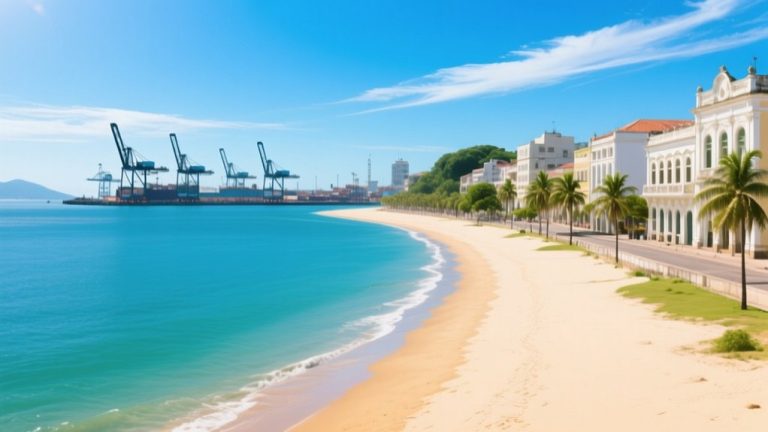
The cruise terminal is at the Porto do Mucuripe, on the seafront several kilometres east of downtown Fortaleza, so the old centre isn’t a walk. The streets around the port are busy and not built for pedestrians, and on foot you need to keep an eye on valuables, so this is not a port for wandering off alone. Taxis and ride-share services offer a safer, faster route directly to Praia de Iracema or Mucuripe at a fraction of what cruise lines charge for transfers.
The terminal has basic cafés and shops, but nothing warrants spending your limited time there. You’re better off heading into the actual city where the restaurants, beaches and neighbourhoods worth exploring are located. The facilities exist mainly for emergencies or last-minute purchases rather than genuine experiences.
Disembarking and re-boarding involve organised queues that move at their own pace regardless of your effort to speed things up. Plan for delays in both directions, as security processing depends entirely on how many passengers precede you through the checkpoints. Rushing accomplishes nothing except unnecessary stress.
Heat and humidity dominate Fortaleza throughout the year, so lightweight clothing and constant water intake become non-negotiable. The sun bounces intensely off water and concrete with virtually no shelter between the dock and the worthwhile neighbourhoods, making sunscreen genuinely protective rather than optional. Sunburn here happens faster than most travellers anticipate.
Book independent tours and excursions before arrival if you want anything other than standard cruise ship group experiences. Last-minute arrangements typically mean overcrowded itineraries and compromised logistics. Your hours ashore disappear quickly when spent problem-solving rather than actually exploring.
Getting From the Port To Town
Ordinary taxis at the taxi rank run on the meter, so check it’s switched on before you set off, and agree a fixed price in advance for longer trips. Ride-share apps work consistently throughout Fortaleza and eliminate negotiation entirely, plus the fare appears on screen before you commit. Both beat the cruise line’s transfer service on cost and speed combined.
The route into the centre takes longer than the map distance suggests because Fortaleza’s streets follow commercial patterns rather than direct logic. You’re not being deliberately sent the wrong way; the city layout simply doesn’t accommodate straight lines. Use the journey to study a map rather than counting on recognising your surroundings when you arrive.
Walking from the terminal to downtown isn’t realistic, as the old centre is several kilometres away, and even short walks near the port carry genuine risk. The pavements disappear in sections, traffic follows no predictable rules, and anything valuable draws attention you don’t want. A short ride costs little and protects both your safety and your ability to relax.
Once your ride drops you near Praia de Iracema or in the Mucuripe neighbourhood, you’ve reached the part of Fortaleza that makes the journey worthwhile. The seafront path, local restaurants away from tourist concentrations, and the actual patterns of daily life become walkable from these areas. This is where your time ashore actually starts.
The Must-Do Experience: Start Here
Praia de Iracema photographs better than it actually performs as a beach destination, particularly when the cruise ships disgorge their passengers mid-morning. The sand is narrow, the water quality fluctuates unpredictably, and the few colonial structures worth photographing sit awkwardly between ordinary shops and commercial buildings. Your time is better spent walking the promenade while it’s quiet, taking coffee at a local café set back from the main tourist strip, and treating this area as a starting point rather than an endpoint.
The practical reason to begin here involves logistics. Transport links are immediately accessible, you can properly caffeinate and gauge your energy, and you can then choose to head inland toward the neighbourhoods where actual residents spend their time, or continue along the coast toward Mucuripe. Both options genuinely serve your port day better than joining the queue at whatever attraction the other passengers have already located.
If swimming genuinely appeals to you, Praia de Iracema will work for a quick dip, though Praia do Futuro sits further east with better sand and fewer cruise passengers in attendance. The waterfront restaurants charge tourist rates for standard dishes, so walking one street inland puts you among local restaurants serving identical food for considerably less money.
Spend your first hour ashore recalibrating rather than rushing. Once you’ve had your coffee and mentally oriented yourself, you’ll actually be prepared to explore the parts of Fortaleza that justified leaving the ship in the first place.
History Culture and the Top Sights
Fortaleza’s museums fill with cruise passengers during mid-morning when the crowds are thickest and the experience least rewarding. Understanding which attractions justify your time means skipping roughly half of what’s marketed as essential.
The Museu de Arte Contemporânea sits inside the Dragão do Mar cultural centre and contains work worth examining; visit early when you’ll have space to actually look at things. The Fortaleza de Nossa Senhora da Assunção, the fort that gave the city its name, began as a Dutch fort in 1649 and was rebuilt in stone in the early 19th century, so it delivers genuine historical context. It is still used by the army, so check whether visits are possible on your day before you plan around it.
Centro Dragão do Mar de Arte e Cultura, in the Praia de Iracema district, stands one block inland and serves two purposes: its architecture and exhibitions warrant exploration, and it acts as a reliable reference point orienting you toward older neighbourhoods beyond the tourist strip. The streets surrounding it contain colonial structures, local eating places with fair pricing, and the kind of ordinary activity that separates a functioning city from a tourism infrastructure. Walking these areas gives you a sense of how people actually live here rather than how the port wants you to experience it.
Skip the cruise line’s standard cultural tour and book an independent walking tour operated by a local company before arrival. These tours fill quickly for cruise passengers, cost less than the equivalent ship excursion, and cover neighbourhoods that organised groups tend to avoid. You’ll see where residents spend their time and understand the city’s actual patterns rather than finish your morning exhausted from following a predetermined route.
Beyond the Centre: Day Trips and Alternatives
Fortaleza’s interior actually works better than the seafront would suggest, and most cruise passengers stick to areas within walking distance of the terminal. The beaches west of the centre genuinely attract locals rather than tour groups, though you’ll need either a taxi or willingness to navigate the bus system without help.
The lagoons inland deliver more than standard port guides indicate. One sits far enough out that the journey itself becomes part of the experience—mangrove edges, water birds, and kayaking options that operate outside the cruise tourism circuit. Arranging this yourself costs substantially less than the ship’s package and lets you stay as long as you want instead of following a fixed timetable.
Beach clubs further west serve the local population, which means reasonable entry fees, food priced for actual residents, and a genuine sense of how Fortalezans use their free time. The catch is arranging your own way there and managing without English-speaking assistance—the exact conditions that make it worth doing.
Contact a local operator before your port day to arrange a combined lagoon and beach trip. These trips fill quickly for cruise passengers and include transport, someone who knows which spots actually work, and enough flexibility to move at your pace. Guided tours from established shore excursion providers can also be booked in advance to secure your preferred activities. Starting early gives you real hours away from the ship and you’ll return with actual experience rather than standard photographs.
Shore Excursion or Going It Alone
The ship’s shore excursions are organised by people who’ve never actually spent time in Fortaleza—they prioritise convenience over experience, which means you’ll find yourself herded through the same three tourist checkpoints that every other cruise passenger visits. The maths are straightforward: the cruise desk takes a cut, the operator builds in profit margins, and you pay a premium for the privilege of following a timetable that has nothing to do with how you’d actually like to spend your hours ashore.
Going it alone costs considerably less and gives you genuine control over your day. Yes, you’ll need to sort transport and research beforehand—that’s the trade-off. But local operators who specialise in lagoon trips and beach club visits understand the rhythm of these experiences far better than a cruise company ever could, and their prices reflect what locals pay rather than what tourists are assumed to tolerate.
Book an independent combined lagoon and beach excursion before your port day arrives. The best operators fill their spots quickly for cruise passengers, and booking online in advance secures better rates, guarantees your guide speaks English, and removes the scramble on the morning you arrive. You’ll depart when it suits you rather than when the ship says so, stay in places long enough to actually feel present, and return with real money left in your pocket.
The sensible move: skip the cruise desk entirely and arrange your own transport with a pre-booked operator who knows the territory. You’ll have more time, more autonomy, and more authentic experience.
Before You Leave the Ship: Fortaleza Practicalities
Fortaleza’s harbour area floods with cruise passengers by mid-morning, turning the seafront near the port into an extension of the ship’s shopping zones rather than a functioning neighbourhood. The souvenir stalls proliferate, prices adjust upward accordingly, and you’ll spend more energy avoiding other tourists than observing anything of substance. The actual city exists beyond the cursory five-minute radius that most organised tours consider sufficient.
Head for the beaches or lagoons, where life moves at a normal rhythm, rather than the stalls selling mass-produced souvenirs. Mucuripe Beach is right beside the port, so it’s the quickest beach to reach, and the seafood restaurants here serve locals alongside visitors, which signals reasonable pricing and actual quality.
If you’ve arranged an independent lagoon excursion, confirm your operator’s collection point the evening before and budget extra time for finding transport. Taxis line up near the terminal, but many independent operators pick up passengers from side streets away from the main crush. The difference between arriving frazzled and rushed versus showing up early with your bearings affects how your day unfolds.
The beaches themselves are genuinely solid and considerably less chaotic than you’d anticipate for a major port, provided you’ve organised something concrete rather than hoping direction presents itself.
Your Port Day: A Sample Itinerary
Most cruise passengers queue at the terminal in the morning whilst deciding their next move, so leaving early puts you ahead. Head straight to Mucuripe Beach and eat breakfast at one of the seafood restaurants there around the time local workers take their mid-morning break—you’ll get actually fresh catches at sensible prices rather than the inflated rates you’d pay elsewhere.
Spend your first couple of hours swimming or drinking decent coffee, letting the initial rush of cruise passengers filter through the Centro without you in it. By late morning, a lagoon excursion makes sense if you’ve booked one beforehand—independent operators give you better value than the ship’s organised tours and the landscape justifies the journey. The lagoons are close enough that you’re not sacrificing beach time, and they offer something genuinely different from the standard port-day circuit.
For your final hours ashore, go back to Mucuripe or walk into the neighbourhood beyond the beach where actual shops and cafés serve local residents rather than visitors. Buy something that doesn’t have “Fortaleza” printed on it and grab a light lunch. Head back to the terminal with proper time to spare so you’re not caught in the rush of people arriving at the last minute.
Book your Fortaleza day
Tours for this port, compare before you book
Getting around in port
✈️ Before you sail: eSIM, insurance, luggage, flight delays
Ships In Fortaleza
Upcoming calls from our sailings tracker, updated regularly.
Majestic Princess
Princess CruisesSat 28 Nov
⚓ 09:00–18:00
Queen Anne
CunardMon 1 Feb
⚓ 08:00–18:00
ms Zaandam
Holland AmericaSun 28 Feb
⚓ 07:00–17:00
Majestic Princess
Princess CruisesFri 12 Nov
⚓ 07:00–17:00
Fred Olsen Borealis
Fred OlsenWed 16 Feb
Majestic Princess
Princess CruisesSun 12 Nov
⚓ 07:00–17:00