Chania Cruise Port Guide
Just discovered why cruise passengers flock to Chania’s Venetian harbour—but there’s a secret most tours won’t tell you.
In this guide
Try one free personalised day plan — built around your ship’s actual arrival and departure times. Then get every port on your cruise done the same way from £7.99 (about $10).
Cruise Port Overview: What to Expect
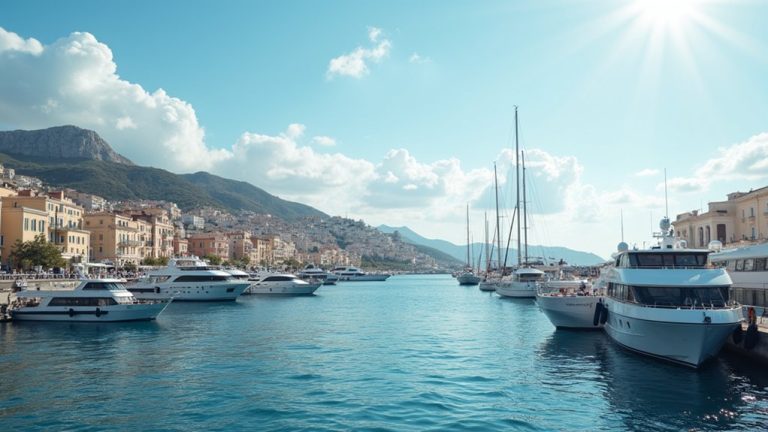
The Venetian harbour attracts cruise passengers in significant numbers within an hour of the first ship arriving, so expect crowds rather than solitude. Chania’s old town functions as an actual neighbourhood rather than a tourist construction, which means your experience depends largely on where you choose to spend your time and energy. Ships dock at Souda, about 7 km from the old town, so you’ll need the shuttle bus, a local bus or a taxi to get into Chania.
The port at Souda is too far to walk from, so plan on a taxi (around a quarter of an hour) or a bus (a little longer) into town. Once you’re dropped in Chania, the walk down to the waterfront is short and simple, with no complicated turns.
Beyond the main pedestrian street—which fills with tour groups by midday—the narrow lanes contain actual working bakeries, family-run shops stocking things locals actually buy, and restaurants where the owners prepare the food. One street over from the tourist drag, prices become reasonable and you’re among neighbours rather than other visitors. The difference is immediate and substantial enough to make the extra navigation worthwhile.
Your primary decision concerns whether to explore on your own or book a guided experience through an established operator. Independent exploration works if you’re confident navigating unfamiliar streets and comfortable with uncertainty about where things are. Tours make sense if you want contextual information about what you’re seeing or plan to reach places like Samaria Gorge or inland villages, since booking in advance online costs less and eliminates the logistics puzzle when your port time is limited. Shore excursions at established operators provide structured itineraries with expert guides who share the cultural and historical context that transforms a simple visit into a meaningful experience.
Getting From the Port to Town
The shuttle bus, a local bus or taking a taxi gets you from Souda into Chania. After that, do the rest on foot: you’ll actually see the city rather than hopping between cabs, and the waterfront route is easy to follow.
Head for the harbour edge once you reach the old town. You’ll pass working fishing boats and local tavernas where fishermen actually eat lunch, and you’ll smell salt and diesel fuel doing their ordinary work. This isn’t a tourist path; it’s where Chania functions normally, which matters because it gives you a genuine sense of the place.
The waterfront leads you straight round the Venetian harbour where the old town begins. No navigation puzzles, no wrong turns, no backtracking required. Even if you bring maps, you’ll barely need them.
If you have mobility concerns or small children, a taxi from the port drops you close to the centre. Once you’re in town, walking costs nothing and provides exercise after days at sea. You’ll also develop an actual sense of geography rather than that particular taxi-passenger confusion where you never quite know which direction anything lies.
Getting into town early also gives you time to notice Chania before the tour groups arrive and change what you’re seeing into something processed and familiar.
The Must-Do Experience: Start Here
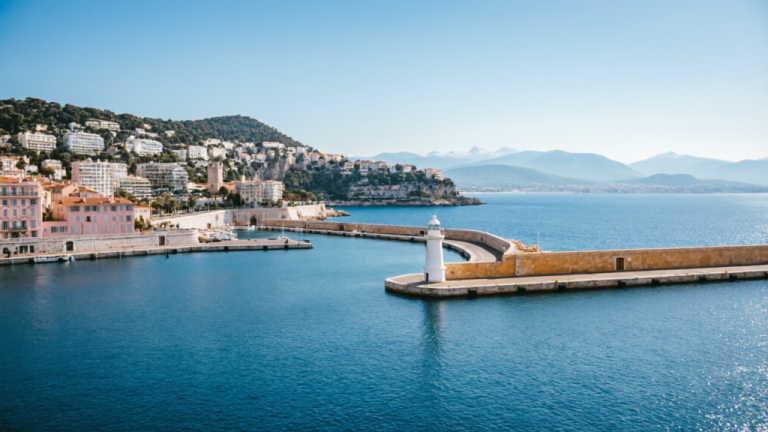
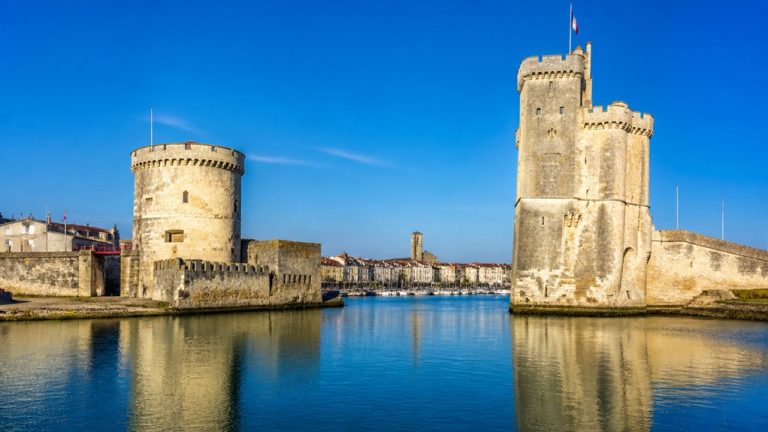
Most cruise passengers spend their first hour in Chania looking for the lighthouse, then realise they’ve been standing next to it the whole time. The stone tower sits at the harbour’s edge, so ordinary it vanishes from attention — rather like how you stop noticing your own front door after years.
Start at the Venetian lighthouse itself. Walk around its base, sit on the stone wall for ten minutes, and watch the fishing boats work. This costs nothing and does something better than any guided tour: it lets you understand how Chania actually functions rather than how it’s been packaged for tourists.
The light and the water and the ordinary rhythm of the place matter more than rushing to collect sights. From there, walk the entire harbour perimeter on foot. You’ll pass waterfront tavernas where the customers are local rather than international.
Order whatever the specials board advertises rather than scanning menus designed for outsiders. Sit down. Spend time.
The real discovery happens when you leave the obvious route and turn into the narrow streets behind the harbour. No landmarks, no famous sights, just Chania as it exists between visitor seasons. Walk until you lose track of direction, then use your phone’s map to find your way back.
This aimlessness teaches you more about a place than any itinerary ever could.
🗺️ Tours & Experiences at This Port
Skip the ship’s overpriced excursions — browse top-rated independent tours trusted by thousands of cruise passengers.
History Culture and the Top Sights
Chania’s history is simultaneously everywhere and nowhere — you can walk past four centuries of occupation in a single afternoon without recognising any of it as history at all. The Venetians left their fortress and harbour layout. The Ottomans left their mosques converted into churches and churches converted into museums. The Cretans left their stubbornness embedded in the streets themselves.
The Archaeological Museum sits inland from the harbour and holds the sort of collection that rewards slow looking rather than rushed ticking-off. Minoan pottery, Roman sculptures, Byzantine mosaics — nothing headline-grabbing, but genuinely worth your time if you enjoy understanding how people actually lived rather than just seeing famous objects. Allocate at least ninety minutes and arrive early to avoid cruise ship crowds.
The Venetian fortress overlooking the harbour from the west is more interesting as a walk around its perimeter than as an interior visit. The views across the water cost nothing, the crowds are thinner, and you’ll understand the defensive logic of the place far better than you would trudging through restored rooms.
The real history lives in smaller moments — the Ottoman fountain tucked into a backstreet, the Byzantine church doors, the way neighbourhoods are still organised by old family territories. These won’t feature in guidebooks because they require you to wander rather than follow a route. Book a local walking tour in advance rather than relying on ship excursions, as independent guides often offer considerably less rushed experiences and considerably better value for your time ashore.
Beyond the Centre: Day Trips and Alternatives
The Samaria Gorge excursion sold by your cruise line costs significantly more than booking independently, arrives with hundreds of other passengers, and leaves you feeling rushed. Skip the ship’s package and arrange your own transport with a local operator instead—you’ll spend less money, start earlier, and actually walk the gorge rather than spend half the day standing in queues.
The gorge requires serious preparation. Expect a full day of roughly five hours walking through one of Europe’s longest canyons, descending steeply through pine forest that gradually opens to Mediterranean scrubland. It’s worthwhile if you’re reasonably fit, but it’s physically demanding, not a casual afternoon stroll. Choose an operator that includes transport from the port and manages your exit logistics; this solves the practical headaches and costs a fraction of what the cruise line wants.
The White Mountains villages offer actual Cretan daily life without the cruise ship infrastructure. Loutro sits on the water and has a few tavernas serving better food at better rates than anywhere near the docks. Getting there requires advance planning—book boat tickets early and coordinate your timing with your ship’s departure—but you’ll spend time with locals rather than other passengers.
Book independent tours before you travel because they fill quickly when multiple ships dock simultaneously. Online reservations guarantee your place and often cost less than last-minute arrangements. Ignore the operators working the gangway trying to sell you their packages; stick with what you’ve already organised.
Shore Excursion or Going It Alone
The cruise desk will claim getting to the old town is straightforward; they won’t mention that thousands of other passengers will be funnelling through the same narrow streets at the same time, turning a simple journey into a slow shuffle. The real advantage of going alone isn’t mainly about saving money—it’s about control. You leave when you want, not when the ship decides, which means you can start early, sidestep the midday crowds, and actually move through Chania on your own terms.
Book any guided tours before you arrive, because the operators selling excursions at the gangway are banking on your time pressure and uncertainty. What they’re offering costs considerably more than identical tours you can book online now from your sofa. Popular walks and village tours fill fast when multiple ships dock, so securing your spot in advance solves most of your planning headaches. You can explore tours and activities at ports worldwide to compare options and prices before committing to onboard offerings.
Going entirely independent works if you’re comfortable with basic Greek, reading maps, and sorting out transport yourself. The bus network reaches nearby villages and beaches, but you’ll need to puzzle out timetables and routes without someone else doing the thinking. Many passengers find the mental relief of a small-group tour worth the cost rather than spending hours trying to decode the local system.
Your ship departure time is absolute, and that’s where organised excursions genuinely deliver—they guarantee your return before the gangway closes. If you’re exploring solo, you need to build in substantial buffer time and know exactly where to catch your transport back. The difference between a good day and a very expensive flight home depends entirely on decisions you make right now, before you leave port.
Chania: The Details Nobody Mentions at the Port Talk
The cruise terminal has no shade, no seating worth using, and paying a small fee will get you through the gates faster than the free queue—most passengers don’t know this exists because the cruise desk keeps it quiet. Your phone will lose signal the moment you step ashore, so download an offline map before leaving the ship. The old harbour area looks close on a map but the streets twist unpredictably, and relying on wifi that appears and vanishes isn’t worth the stress when you’re watching the clock.
The vendors selling tours at the gangway will insist their guides speak English and know local corners—they do, but you’re paying extra for thirty other cruise passengers in a group. Book a small-group walking tour online before you arrive instead, since independent operators charge considerably less, often include coffee or a meal, and work around multiple ship schedules rather than forcing you into a rigid time slot. Bring cash in small denominations because card machines work everywhere in the new town, but the traditional tavernas in the old harbour prefer notes, and some family-run places simply won’t accept cards at all.
Leave the old town by early afternoon since the afternoon light gets harsh, the crowds intensify, and you’ll spend your final hours fighting for photos and tables rather than enjoying yourself. The quieter neighbourhoods beyond the tourist strip are where locals actually eat, and that’s where your afternoon should take you. The real advantage of timing this right is you’ll eat better food, pay less money, and actually relax instead of rushing.
🗺️ Tours & Experiences at This Port
Skip the ship’s overpriced excursions — browse top-rated independent tours trusted by thousands of cruise passengers.
Your Port Day: A Sample Itinerary
Most cruise passengers spend their morning stuck in the queue to disembark, then hurry through the old harbour in a panic. Get ashore early instead and use those first few hours when you can actually walk without constantly stopping. The morning light works better on the waterfront then, the tavernas aren’t yet crowded, and you can drink decent coffee standing at a bar rather than sitting at a marked-up table.
Walk straight to the Venetian Harbour and spend an hour in the narrow streets behind it. Duck into the small churches, take wrong turns on purpose, and let the layout confuse you—this is the only time the place feels like an actual town rather than a postcard version of itself. You’ll notice the difference immediately once the tour groups arrive.
By late morning, walk past the old town into the neighbourhoods where locals actually live and work. Eat lunch at a family-run taverna here, where the prices are what residents pay and the food is noticeably better than anything on the waterfront. These places often have no English menu and owners who are genuinely pleased when someone bothers to find them.
Leave the crowded centre by mid-afternoon and head inland to explore the quieter residential streets, or book an independent small-group walking tour in advance if you want something structured—covering the Minoan sites or surrounding villages. These tours fill quickly, cost considerably less than the ship’s excursions, and you’ll actually see things beyond the standard route. Spend your final hours sitting somewhere quiet with a view rather than fighting for space with the afternoon arrivals.
🗺️ Tours & Experiences at This Port
Skip the ship’s overpriced excursions — browse top-rated independent tours trusted by thousands of cruise passengers.
Book your Chania day
Tours for this port, compare before you book
Getting around in port