Nafplion Cruise Port Guide
How can you experience authentic Nafplion while avoiding the crowds and overpaying at tourist traps?
In this guide
Try one free personalised day plan — built around your ship’s actual arrival and departure times. Then get every port on your cruise done the same way from £7.99 (about $10).
Cruise Port Overview: What to Expect
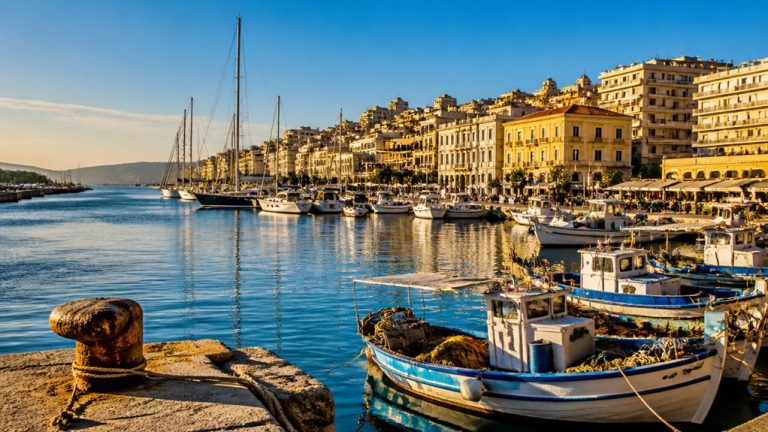
Nafplion’s harbour is genuinely small, which means your ship anchors offshore and you tender in rather than dock at a pier. This affects how you spend your limited time ashore because the tender ride itself consumes part of your day, and you’re working with real constraints rather than a leisurely stroll down a gangway.
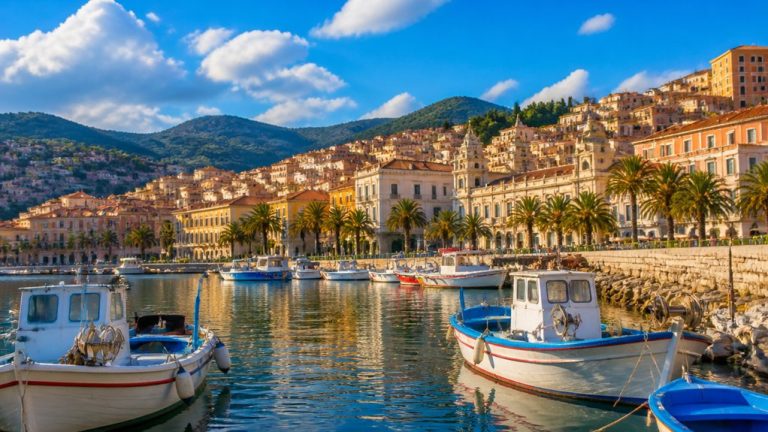
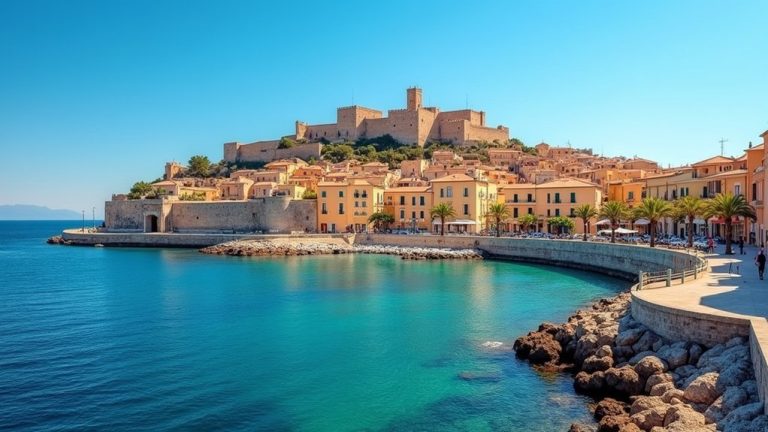
The tender brings you to the Old Town waterfront, where the architecture is Venetian and Ottoman layered with Greek independence history. The area has resisted the typical cruise port transformation into a souvenir-focused zone, though tourist restaurants along the harbour charge accordingly. Walk fifty metres inland and you’ll eat properly for significantly less money, which matters when you’re juggling multiple ports and budgets. Consider booking guided excursions to maximize your exploration of the region’s historical significance.
Your actual choice at Nafplion is whether to spend your time exploring the Old Town thoroughly or attempting nearby Ancient Argos and Epidaurus, both substantial archaeological sites. The Old Town takes two to three hours of walking if you want to see the narrow streets, proper museums, and Palamidi fortress properly. Attempting both the Old Town and ancient sites in a single port day means rushing through either one or both, so decide your priority before you arrive.
Getting From the Port to Town
The tender dock or cruise quay lands you closer to the Old Town than most cruise ports manage: the port is about 700 metres from the town centre. You step ashore into an actual working waterfront with narrow streets and proper buildings around you, not a purpose-built cruise terminal surrounded by empty space.
The Old Town climbs directly uphill from where you land. Head straight up and you’re into it within moments. The restaurants along the harbour will call out to you, but they charge significantly more than places you’ll find by walking inland for half a minute.
Navigation is straightforward enough without paying for a guide or joining an organised tour. The slope of the land guides you upwards, and local people speak English well and will give you honest directions without any pressure. Most are genuinely helpful rather than interested in hurrying you along.
If you’re planning to visit Argos or Epidaurus, book an independent guided tour before you arrive. The ship’s own excursions cost considerably more, and the competent local guides get fully booked during cruise season. Arranging this online beforehand guarantees your spot and means someone will collect you from the tender dock and manage the timing around your ship’s schedule.
The Must-Do Experience: Start Here
Palamidi Fortress sits visible from where your tender docks, and climbing it early matters more than you might think. Most cruise passengers drift into the Old Town cafés straightaway, leaving the fortress genuinely quiet during those first hours ashore—a rarity in ports this busy.
The climb is steep and doesn’t ease up, but you’ll reach the top while the Argolic Gulf spreads below you in full view. The Venetian bastions offer actual solitude if you go before mid-morning, something entirely lost if you wait. Bring water, because shade is scarce and the stone throws heat back at you.
Once you’ve come down, breakfast in the Old Town becomes a genuine reward rather than just another meal, and you’ve already accomplished what most day-trippers skip entirely. This leaves you free to wander the port without that nagging sense of missing something important.
Shore Excursion or Going It Alone
If your ship’s schedule allows and the fortress doesn’t appeal, booking a guided tour to Epidaurus beforehand removes the guesswork entirely. The ancient theatre is genuinely worthwhile, and local guides fill their slots weeks ahead during cruise season. Someone meets you at the tender and handles the timing around your departure, so you needn’t worry about getting back late.
🗺️ Tours & Experiences at This Port
Skip the ship’s overpriced excursions — browse top-rated independent tours trusted by thousands of cruise passengers.
History Culture and the Top Sights
Nafplion’s history feels oddly weightless for a place this old—you won’t find the layer-upon-layer archaeology you’d expect from a Greek port, and that’s because the Ottomans, Venetians and assorted conquerors kept scrubbing the slate clean rather than building on top of it. What remains is genuinely interesting precisely because it’s so selective.
The Archaeological Museum sits near the harbour and houses finds from across the Argolid region, which gives context to what you’re seeing elsewhere—Bronze Age pottery, classical sculpture, the sort of material that explains why this neighbourhood mattered for thousands of years. The collection is moderately sized, so you won’t lose half your day inside, and the staff actually seem pleased when tourists arrive rather than tolerating them. This matters more than you’d think if you’ve spent time in larger Greek museums.
The Old Town functions as an actual place where people live rather than a staged historical walk. You’ll spot Venetian fortifications mixed into ordinary apartment buildings, Ottoman mosques converted to other purposes, and neoclassical townhouses that housed the Greek War of Independence‘s early political figures. None of it feels artificially preserved, which makes it far more honest than ports where history has been fully stage-managed for visitors.
Wander inland from the waterfront promenade rather than staying glued to the cafés along the harbour. The side streets reveal far more of actual Nafplion, and you’ll find genuinely good lunch spots where locals eat—the prices considerably less than what you’ll pay by the water. This approach takes minimal effort and returns actual information about how the town functions.
Beyond the Centre: Day Trips and Alternatives
The Peloponnese contains enough archaeological sites within reach of Nafplion that choosing which to visit matters more than deciding whether to leave the port. Mycenae and Tiryns dominate the options, though their popularity means organized excursions bring hundreds of cruise passengers to each site, often simultaneously.
Organized excursions handle the practical side well enough. Your group gets collected, transported, given some context about what you’re looking at, and returned before the ship leaves. The trade-off is that you follow a fixed itinerary at a fixed pace, with no opportunity to linger where something genuinely interests you or to wander off the route.
Independent travel costs significantly less and means far fewer people around you if you’re prepared to do basic research beforehand. Hiring a taxi for the day or booking a small-group tour in advance gives you control over your schedule and eliminates the tourist bottleneck. For cruise passengers, popular independent tours book up weeks ahead, so arranging something online before you arrive isn’t bureaucratic—it’s simply how you secure a spot.
If Mycenae is your priority, start there early and work back toward Tiryns instead of following the reverse sequence that group tours default to. You’ll encounter noticeably fewer people and can actually examine what you came to see without fighting for space. The drive between sites shows you something of how the landscape actually looks, rather than flattening it against a coach window.
Eat a proper meal in Nafplion’s old town before returning to the ship in mid-afternoon. This beats the standard option of grabbing something hurried and forgettable near the port.
Shore Excursion or Going It Alone
The cruise line’s shore excursion desk will quote prices that make hiring a taxi and going your own way look cheap by comparison, yet most passengers book through them anyway because they underestimate how simple Nafplion is to navigate independently. The real benefit of exploring alone isn’t primarily financial—it’s that you skip the group-tour logistics while seeing the same sites. Taxis queue at the port, drivers know where the archaeological sites are, and negotiating a day rate costs significantly less than what the cruise line charges for identical routes.
Going solo also means you decide your own schedule, which lets you actually sit down for a proper meal instead of eating standing up between rushed stops. You control when you leave the port and when you return, so there’s no watching the clock while a tour guide hurries everyone along. This flexibility alone often makes the independent option worthwhile.
If you want local knowledge without the cruise-ship experience, book a small-group tour online before you arrive. These operators reserve spots weeks in advance for cruise passengers, so waiting until you’re docked usually means they’re full. Private tours cost considerably less than ship excursions and typically include guides who understand the archaeology rather than simply moving groups through a gate.
The cruise desk’s actual strength is removing all planning from your day—a coach picks you up, transports you, and returns you with nothing for you to arrange. If certainty and convenience matter more to you than saving money, that’s a legitimate choice. But if you can read a map and ask for directions, you’ll have a better experience and enough savings left for an actual lunch in the old town.
🗺️ Tours & Experiences at This Port
Skip the ship’s overpriced excursions — browse top-rated independent tours trusted by thousands of cruise passengers.
Local Knowledge Worth Having Before You Dock
The archaeological museum shuts down earlier than most cruise passengers expect, so you need to arrive when it opens if you want to actually look at the Mycenaean artefacts instead of sprinting through the final twenty minutes. Everyone else will be queuing at Palamidi Castle, which means the museum stays relatively quiet in the morning—a genuine advantage whether you’re travelling alone or with someone who bothers to read what’s on the walls.
Bring shoes with proper grip because the cobblestones in the old town become genuinely treacherous when wet, and the castle stairs are steep enough that flip-flops stop being footwear and start being a safety problem. You’ll watch people struggle on both surfaces during every port day, so don’t add yourself to that group.
The seafront restaurants charge considerably more than places tucked two streets back in the neighbourhood, though the fish is fresh and worth eating. Ask your taxi driver where he’d take his own family and you’ll spend less while eating better than anything you’d find where cruise ships can actually see you from the water.
Nafplion works in your favour because it’s small enough to navigate without a guide yet architecturally varied enough that walking around actually reveals things. The Venetian fortifications, the neo-classical buildings, the quiet squares hidden behind the main streets—these unfold gradually as you move through them rather than through rushed tour commentary. You control your own pace, stop when something interests you, and leave when you’ve had enough rather than when someone with a clipboard decides it’s time to move on.
🗺️ Tours & Experiences at This Port
Skip the ship’s overpriced excursions — browse top-rated independent tours trusted by thousands of cruise passengers.
Your Port Day: A Sample Itinerary
Most cruise passengers queue uphill in the heat at Palamidi Castle when the real reason to come here is the archaeological museum. Walk straight into town from the waterfront, buy coffee at a square away from the seafront, then head to the museum when it opens. You’ll stand alone with the Mycenaean collection while everyone else is still climbing.
Spend your midday moving through the old town without a schedule. The neoclassical buildings make more sense when you’re not rushing, and you’ll find actual squares where locals sit rather than tourist rows. Two streets back from the waterfront is where locals eat; your taxi driver knows which street, and the food costs what it should rather than what cruise operators charge.
By afternoon, if you’re still interested, Palamidi Castle works better once the crowds thin out. The views across the Argolic Gulf are legitimately worth the steep walk, and the Venetian fortifications are worth seeing for themselves. If you’d rather spend your remaining hours walking the neighbourhood—looking into small shops, stopping for another coffee, sitting by the water without waiters hovering—that’s the smarter choice.
Book independent walking tours before you arrive rather than buying ship excursions. The better guides fill up quickly, cost less money, and actually let you decide how long you stay anywhere.
🗺️ Tours & Experiences at This Port
Skip the ship’s overpriced excursions — browse top-rated independent tours trusted by thousands of cruise passengers.
Book your Nafplion day
Tours for this port, compare before you book
Getting around in port