Livorno Cruise Port Guide
Overcome the industrial first impression of Livorno’s cruise port and discover hidden local gems, authentic trattorias, and day-trip adventures that reveal why savvy travelers skip organized tours.
In this guide
Try one free personalised day plan — built around your ship’s actual arrival and departure times. Then get every port on your cruise done the same way from £7.99 (about $10).
Cruise Port Overview: What to Expect
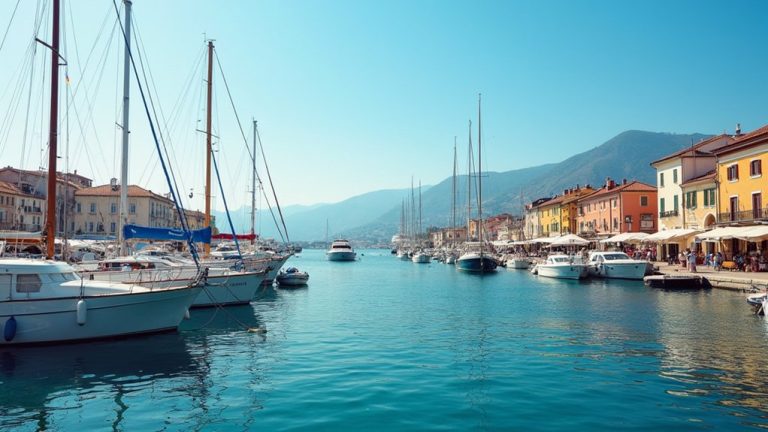
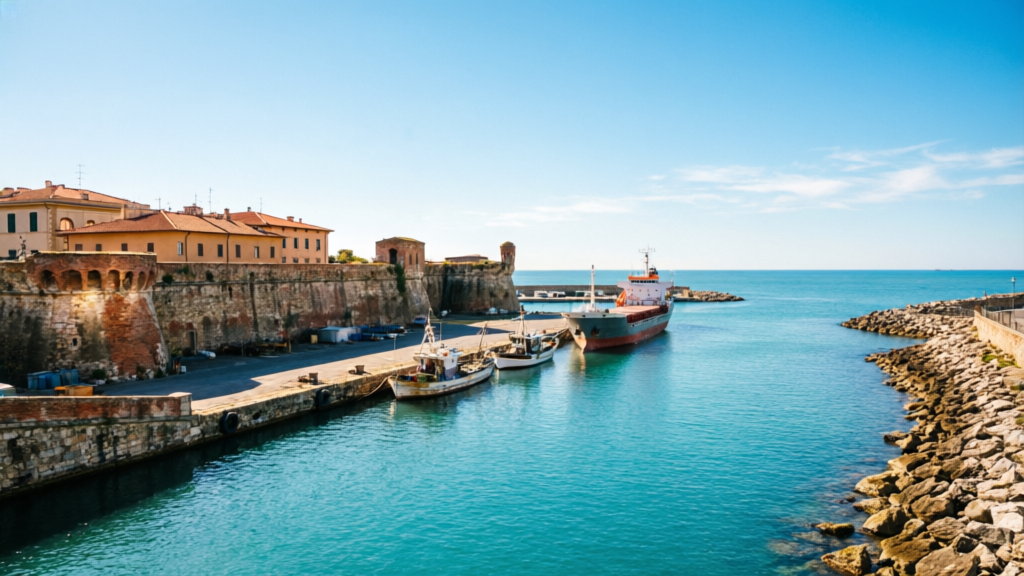
Livorno’s cruise terminal sits in the middle of the city’s working harbour, which means you’ll share your morning with actual cargo ships and the occasional bewildered lorry driver wondering why there’s a floating hotel in the way. Larger ships berth in the industrial port, where you can’t walk out and the cruise lines run a shuttle bus to Piazza del Municipio in the centre; smaller ships use the older harbour within walking distance of town. Either way, the surroundings look industrial—corrugated metal, working docks, occasional diesel smells—rather than photogenic.
The terminal itself is functional. You’ll find toilets, a small café, and an information desk, but nothing elaborate. From the berth, the shuttle (or, from the older harbour, a straightforward walk) takes you into the actual city centre, where the atmosphere improves considerably and the town spreads out in a logical grid that’s easy to navigate.
Livorno feels surprisingly quiet compared to other Italian cruise ports. You won’t encounter the crush of Venice or the tourist saturation of Rome, though the waterfront and central shopping streets do fill with cruise passengers on busy days. Your best strategy is to head inland toward Piazza della Repubblica or the quieter neighbourhoods east of the main route within your first hour ashore, before crowds build up.
The city itself is genuinely walkable. Everything from the Fortezza Vecchia to decent lunch spots is reachable on foot, and you’re not trapped in a tourist bubble the way you might be elsewhere. You can have a proper day here without following a predetermined script.
Getting From the Port to Town
If your ship is in the industrial port, take the shuttle: you can’t walk out through the container terminal, and the shuttle is straightforward and free or cheap depending on your cruise line. It drops you at Piazza del Municipio, and once you’re in the actual streets, the industrial surroundings disappear and you’re in Livorno proper. If you’re on a smaller ship in the older harbour, the walk into the centre is short and easy.
Local buses connect the port to the city centre if walking doesn’t appeal, and they’re cheap. The information desk at the terminal can point you toward the relevant stops, though walking gives you a clearer sense of how the place is laid out and takes only slightly longer. Skip any taxi offers loitering near the security gates—they cost substantially more than the journey warrants.
If you’re planning to reach places beyond Livorno itself, particularly the Cinque Terre or Pisa, book an independent shore excursion well before your sailing date rather than relying on the ship’s offerings. These tours fill quickly during peak season, and arranging them independently typically costs less than onboard options whilst giving you more flexibility and better value. A guided tour of Pisa’s leaning tower, for instance, beats wandering in circles trying to work out which piazza you’re actually in.
You don’t need a guide for the city centre itself. Livorno rewards casual wandering far more than it rewards being herded around, and that’s precisely where independent travellers have the advantage over organised groups.
The Must-Do Experience: Start Here
Most people book a ship excursion because they assume the cruise desk knows best, then spend their port day in a queue with five hundred other passengers. Skip that entirely and go to the Fortezza Vecchia instead—the old fortress that marks where the water meets the city. Walking its perimeter tells you how Livorno actually functioned as a port, costs nothing, and avoids the crowds that clog the main attractions inland.
From the fortress walls, you can see into the neighbourhood around it—narrow streets, local bars, ordinary Italian life playing out without any accommodation for tourists. This is where you eat cheaply and well, at the sort of places where locals take their coffee standing at the bar rather than sitting down and paying three times as much for the same thing. The fortress itself matters because cruise passengers skip it entirely, which means you won’t be fighting for space while you’re there.
The actual strategy, though, is booking an independent guided tour of Pisa before you sail. Arrange this online well in advance because popular tours fill during cruise season and booking independently costs considerably less than the ship’s version. You’ll get actual time to wander on your own rather than being moved along a predetermined route with thirty other people.
🗺️ Tours & Experiences at This Port
Skip the ship’s overpriced excursions — browse top-rated independent tours trusted by thousands of cruise passengers.
History Culture and the Top Sights
Livorno’s entire existence revolves around commerce, which is why so little survives from before 1945. The city was built deliberately as a free port in the sixteenth century, a practical solution that allowed merchant ships to avoid taxes and administrative red tape, and that mercenary logic still governs how the place functions. If you’re hoping for medieval streets and Renaissance palaces, you’ll be disappointed because they were either never built or didn’t make it through the war.
The Monumental Cemetery actually repays a visit. It occupies the city’s edge and holds elaborate marble monuments that reflect nineteenth-century Italian prosperity and baroque taste without apology. The grounds themselves are quiet and ordered in a way that genuinely offers respite from the port’s constant commercial activity.
The Cathedral of SS. Francesco d’Assisi stands near the fortress and was reconstructed after wartime bombing. It’s utilitarian rather than remarkable, but the interior has a genuine stillness that works if you need a break from noise. An independent walking tour focused on Livorno’s Jewish history and its place in Mediterranean trade networks will give you actual context rather than surface-level sightseeing.
Beyond the Centre: Day Trips and Alternatives
Shore Excursion or Going It Alone
The cruise line’s packaged tours to Pisa and Florence cost significantly more than arranging the same experiences yourself, and you’ll waste substantial time standing in queues with dozens of other passengers rather than actually engaging with either place. The train from Livorno is reliable and reasonably priced, which means you can book a proper guided tour directly from a local operator and keep the savings, or explore at your own pace with a decent guidebook.
Pisa works well as an independent visit. You arrive without paying the cruise company’s markup, spend as long as you need examining the cathedral complex or walking through the medieval streets, and return to the ship on your own schedule rather than being rushed through a predetermined itinerary. Walking tours of Pisa’s older quarters fill quickly during busy cruise seasons, so book these online before arriving rather than gambling on same-day availability.
Florence demands more time but justifies the investment completely. The city genuinely needs a full day if you want to avoid feeling processed through the Uffizi Gallery like part of a factory production line. Book an independent tour with a knowledgeable local guide in advance because these sell out rapidly and cost less than half of what the ship charges for comparable offerings. You’ll actually engage with the artworks rather than rushing through checklist fashion, eat lunch where Florentines eat, and understand the city’s historical significance rather than simply knowing it photographs well.
Alternatively, spend your port day exploring Livorno’s waterfront with proper attention, taking a local cooking class, or visiting the southern beaches that most cruise passengers skip entirely.
Shore Excursion or Going It Alone
Livorno’s train station is about three kilometres from the port, a short bus or taxi ride from the ship or the shuttle stop in the centre. Get moving early and you can be on a train to Pisa or Florence before the organised tour groups have finished assembling. Pisa is around twenty minutes by train; Florence is closer to an hour and a half.
The cruise company’s Florence tours build in substantial queuing time that consumes half your port day, and you’ll pay premium rates for the experience of standing elbow-to-elbow with other ship passengers in the Uffizi Gallery. Book an independent walking tour with a local guide before you arrive—these cost considerably less and actually let you look at the paintings rather than shuffle past them. The best guides fill their spots weeks ahead during summer months, so delaying this decision until you’re onboard guarantees disappointment.
If Florence feels too ambitious, Pisa rewards a solo visit far more generously than any pre-packaged tour allows. You’ll avoid the markup, control your own pace, and actually notice the cathedral complex rather than listening to a harried guide speak above fifty other people. The medieval streets reward wandering, and the local trattorias charge reasonable prices once you’ve stepped away from the main piazza.
For something entirely different, consider a local cooking class in Livorno itself. These typically run for several hours, include lunch, and cost a fraction of what the ship charges for comparable experiences. You learn something genuine, eat properly, and return to the ship having actually experienced how people live here rather than simply travelled through somewhere. To stay connected during your independent explorations, purchase a local eSIM data plan before arrival to avoid expensive roaming charges while navigating these destinations.
The Practical Details That Change Your Day in Livorno
The cruise terminal sits in an industrial zone that bears no resemblance to the postcard version of Italy, which means your first instinct—stay put and wait for the tour bus—will cost you hours and money you didn’t budget for. The locals know this, which is why independent travellers move faster and smarter than anyone waiting in the organised queue.
Your biggest advantage is the train. The train station’s proximity to the port (a short bus or taxi ride) means you can be on a train to Florence or Pisa whilst others are still standing in the ship’s excursion assembly area. Booking an independent walking tour or cooking class weeks before you arrive isn’t excessive planning—it’s the difference between having a proper day and spending it waiting in line with three hundred other cruise passengers.
The food situation near the terminal deserves honesty: it’s tourist-marked and overpriced. But venture into the neighbourhood streets beyond the immediate harbour area and prices drop dramatically whilst quality improves. Ask locals, not your cruise desk, where to eat lunch properly.
Bring comfortable shoes and a crossbody bag that doesn’t scream tourist. Livorno harbour can be windy and rough, so pack a light layer even in summer months. Your mobile phone works fine here if you’ve arranged European roaming, and the town has public wifi in most cafés—though buying an espresso rather than sitting around using wifi for free is the neighbourly approach. Consider purchasing a local eSIM data plan to avoid roaming charges while staying connected throughout your time in port. Small change in coins helps for toilets and market purchases, though cards work in most established places now.
Your Port Day: A Sample Itinerary
Most cruise passengers waste their morning queuing for a ship tour when Livorno’s actual centre is a short shuttle ride from the ship, or within walking distance if you berth in the older harbour, and takes half the time to navigate properly.
Head straight for the train station instead of the organised excursion desk. A short bus or taxi ride and a train get you on your way to Florence or Pisa before your ship friends have even boarded their coaches. If staying local appeals more, book an independent walking tour of Livorno’s centro storico in advance—the Renaissance architecture and fortress attract few tourists, which means you’ll actually see them without crowds. Many independent guides offer morning slots timed specifically for cruise passengers, and these fill quickly, so secure your place weeks ahead.
Skip the terminal restaurants entirely for lunch and take a local bus into the neighbourhood beyond the immediate harbour. Find a proper trattoria where the lunch menu costs considerably less than anything near the docks and the food tastes like it actually comes from somewhere real. Bring a crossbody bag and comfortable shoes—you’ll cover far more ground than any ship-organised itinerary allows.
Spend your afternoon either at the Terrazza Mascagni, the broad seafront promenade where locals actually gather, or use the time for a cooking class if you’ve booked one beforehand. These independent sessions cost a fraction of ship equivalents and leave you with actual skills rather than another group photo. Consider booking guided excursions in advance through local providers to maximize your time and authentic experiences. Head back to the terminal with at least ninety minutes to spare, accounting for the walk back and security queues that always move slower than you’d expect.
Book your Livorno day
Tours for this port, compare before you book
Getting around in port
✈️ Before you sail: eSIM, insurance, luggage, flight delays
Ships In Livorno
Upcoming calls from our sailings tracker, updated regularly.
Carnival Freedom
CarnivalSun 11 Oct
⚓ 07:00–19:00
MSC Meraviglia
MSC CruisesSun 11 Oct
⚓ 09:00–19:00
MSC Orchestra
MSC CruisesMon 12 Oct
⚓ 07:00–20:00
Marella Explorer
Marella CruisesMon 12 Oct
⚓ 08:00–20:00
Celebrity Constellation
Celebrity CruisesTue 13 Oct
⚓ 07:00–19:00
Norwegian Epic
Norwegian Cruise LineThu 15 Oct
⚓ 07:00–22:00