Kodiak Cruise Port Guide
Kodiak’s working waterfront hides authentic experiences beyond cruise crowds—discover what most visitors miss.
In this guide
Try one free personalised day plan — built around your ship’s actual arrival and departure times. Then get every port on your cruise done the same way from £7.99 (about $10).
Cruise Port Overview: What To Expect
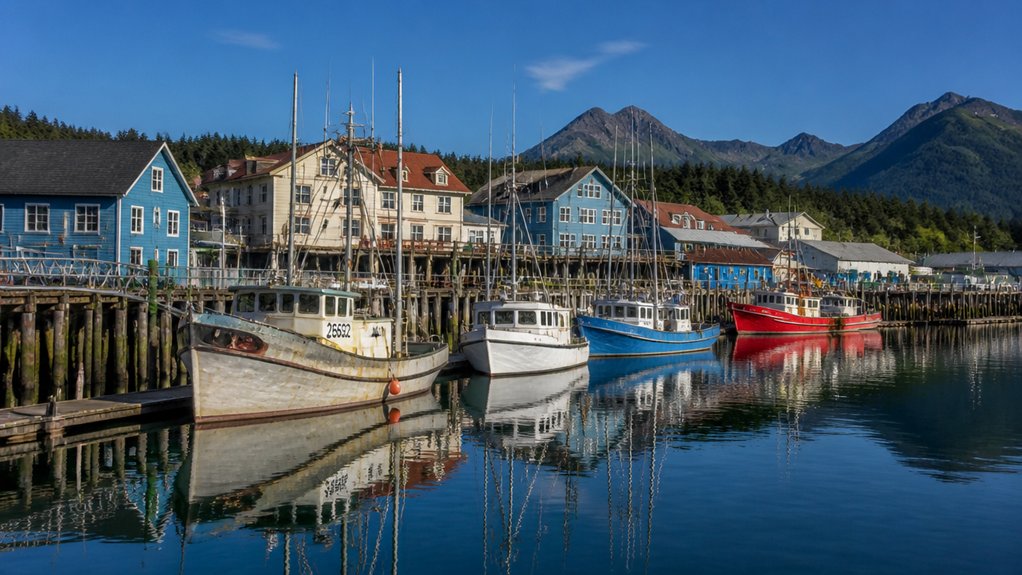
Kodiak’s working waterfront operates nothing like the polished cruise terminals elsewhere — this is an active fishing harbour where the economy centres on salmon and halibut, not tourism. The place hasn’t been cleaned up or repackaged for visitors, which means you’re seeing how things actually function rather than a constructed version of Alaska. Downtown lies within walking distance of the terminal, along a mostly flat waterfront route.
The commercial district won’t offer chains or extensive shopping near the dock. Instead you get a small Alaskan town where residents vastly outnumber cruise passengers on any given day. This matters because the local businesses still serve locals first, so opening hours and availability reflect what the community needs rather than what tourists expect.
Weather changes rapidly here — fog arrives without notice and wind gusts can escalate fast, so layered clothing and a proper waterproof jacket are essential rather than optional. You can’t rely on what seemed adequate elsewhere.
Your time ashore is finite, so commit early to either exploring town on foot or arranging transport for further-out experiences. Wildlife tours and remote trips book weeks in advance during peak season, particularly if you want to see bears or eagles in their actual environment rather than from a cruise-line package. Independent operators typically charge less than your cruise line and work with smaller groups, which changes what you’ll actually witness.
Downtown rewards walking if you approach it as a working town rather than a curated destination. You’re observing how actual Alaskans operate their lives, not hunting for postcard angles.
Getting From the Port To Town
Getting from the cruise terminal into downtown Kodiak means a walk of up to a mile along the waterfront, past the fish processing plants. The route is mostly flat, so most people manage it easily, though a taxi saves time if walking is hard for you.
A taxi or ride service cuts the travel time substantially, though finding one during busy cruise days can be difficult since Kodiak operates with fewer vehicles than larger ports. Booking transport before you dock removes the uncertainty of standing around hoping something appears. The fares are reasonable—cheaper than what you’d pay in bigger cruise hubs, though the smaller local market means less reliable availability when demand peaks. Professional drivers can be pre-arranged through transfer services, ensuring reliable pickup at the terminal and immediate departure without the stress of finding last-minute transportation.
Walking makes sense if the weather holds and you actually want to see how the town operates rather than just transit through it. You’ll pass through ordinary residential neighbourhoods where local life happens—shops, people running errands, the everyday functioning of the place—rather than following a tourist corridor. This approach gives you genuine perspective on Kodiak as a functioning town rather than a port layover.
If you’re planning wildlife tours or anything remote, arrange your transport before arrival. Most independent operators include terminal pickup as standard, which guarantees you leave promptly rather than spending daylight hours trying to locate a ride.
The Must-Do Experience: Start Here
Kodiak’s working waterfront is where the town actually makes sense. Rather than heading straight for gift shops, start at the harbour where you’ll see fishing boats unloading their catch and understand why this place exists at all. The activity is genuine—not arranged for visitors—and it costs nothing to watch.
From there, head to the Baranov Museum, which sits in a converted Russian colonial building and tells Kodiak’s layered history without the tourist theatre you’d find elsewhere. The collection is modest but honest, and the staff aren’t performing hospitality; they’re sharing knowledge about a town that mattered long before cruise ships arrived. You’ll spend roughly an hour inside.
If you’ve booked a wildlife tour in advance—which you should, as the best operators fill quickly with cruise passengers—this is your departure point. Independent wildlife tour operators offer considerably better value than ship excursions and include terminal pickup, meaning you’re maximising your time rather than waiting around. They also give you genuine conversation with local guides rather than scripted commentary.
Without a wildlife booking, walk the neighbourhood streets afterward. You’ll find a few decent cafés where locals actually eat rather than tourist-priced restaurants clustered near the dock. The contrast between the working town and the port zone becomes immediately apparent, and it’s worth experiencing both.
History Culture and the Top Sights
Kodiak’s history is fundamentally a story of overlapping claims, and the town’s buildings document this reality far more directly than any official narrative. Russian colonial architecture stands alongside American frontier structures, and this architectural collision reflects genuine historical conflict rather than a curated aesthetic.
The Baranov Museum warrants a proper visit because the collection addresses uncomfortable truths rather than smoothing them over. The exhibits present the indigenous Alutiiq people, the Russian fur trade, and American settlement as interconnected rather than separate stories. Skip the souvenir cluster near the dock; those shops stock generic merchandise at inflated prices.
Independent walking tours operated by local guides offer genuine insight into why Kodiak developed as it did. Book in advance because the best guides fill up quickly with cruise passengers, and ship-organised excursions cover predictable routes everyone has already seen. Local guides know which neighbourhoods matter and why, rather than simply pointing at buildings.
The Alutiiq Museum provides a different perspective on pre-colonial island history if your schedule allows. It remains smaller and less commercialised than the Baranov, and staff there can direct you toward living Alutiiq culture rather than confined historical displays. Either museum visit transforms your subsequent walks around town from passive sightseeing into something with actual context.
Beyond the Centre: Day Trips and Alternatives
Most cruise passengers never leave the dock area, which means the actual character of Kodiak remains largely inaccessible to them. Dense forests, rocky coastline, and salmon streams surround the island, but none of this is visible from the cruise terminal, and reaching it requires either paying the ship’s premium for an excursion or arranging your own transport.
Renting a vehicle gives you genuine flexibility for a day trip. Drive toward Chiniak on the eastern side where the landscape becomes genuinely wild, or head to the Pasagshak River area if you want to fish or simply sit by water that feels removed from the commercial infrastructure. The roads are manageable and uncrowded, so you’ll encounter far fewer cruise passengers than you would on any organised group tour.
If you want a guided experience without the ship’s markup, independent operators run wildlife viewing and fishing trips from the local harbour rather than the cruise terminal. These cost considerably less than shipboard equivalents and operate with smaller groups, meaning you’re not locked into rigid schedules. Book online before arriving because the best operators fill up weeks in advance, and waiting until you’re ashore typically means missing availability.
The coastal walk along Near Island requires no transport and offers genuine solitude with actual views, without the artificial cheeriness of organised sightseeing. It’s a straightforward option if you want to spend your time on foot rather than managing a rental car.
Shore Excursion or Going It Alone
The ship’s excursion desk will tell you that independent exploration is risky and that you lack the knowledge to navigate Kodiak alone. This sales pitch exists to protect their commission margins, nothing more. You’re entirely capable of arranging a better day at a fraction of the cost by making your own decisions about where to go and what to do.
The financial logic is simple. A ship-organised wildlife tour charges significantly more than booking the same operator directly from their website, and you’ll move through the experience in a group of forty passengers on a fixed schedule that serves the ship’s timetable, not your interests. Independent operators based at Kodiak harbour work with smaller groups, offer flexible departure times, and charge considerably less because they’re not marking up prices for cruise line commissions. The practical challenge is that reputable operators book out weeks in advance during cruise season, which means you need to do your research before you arrive at the dock.
Spend twenty minutes online searching for fishing charters or wildlife viewing companies before your ship docks, then book directly with the operator. You’ll secure a genuine spot at a reasonable price and eliminate the disappointment of arriving to find everything full. Alternatively, rent a vehicle and drive east toward the coastline or Pasagshak River to explore the landscape on your own schedule. Consider purchasing a local eSIM data plan before arrival to ensure you have reliable connectivity for navigation and communication while exploring independently. You’ll see considerably more authentic terrain in a few hours than any organised group experience will show you, because you’re not following a predetermined route designed to tick boxes for the cruise industry.
Either approach—booking an independent guide or driving yourself—puts you in control of how your day unfolds. The moment you leave the terminal making your own choices rather than following the ship’s recommendations, your time in Kodiak becomes substantially more rewarding.
Kodiak: Practical Details Worth Reading Twice
Kodiak’s cruise schedule dictates which operators actually have capacity, and the worthwhile ones fill their morning slots through independent bookings long before the cruise desk opens its commission-heavy alternatives. If you arrive at the terminal expecting to book on the spot, you’ll either pay significantly more or accept whatever remains available, which rarely matches what you actually wanted. The operators worth your time—wildlife viewing, fishing guides, kayaking outfits—take bookings a week or more in advance, and slots on small-group charters disappear accordingly.
Downtown’s main tourist corridor charges premium rates for basic food and coffee while funnelling you through queues of other cruise passengers. The working harbour side and neighbourhoods east of downtown offer substantially better value, with local restaurants serving proper meals at reasonable cost where you’ll sit alongside fishermen rather than fellow cruisers. Your shore time stretches considerably further when you’re not waiting in tourist queues.
Weather here shifts unpredictably and visibility for wildlife viewing genuinely matters, which means operators with flexible departure times outperform rigid ship excursions. Someone willing to adjust the schedule around actual conditions gets better results than someone locked into a fixed timeframe. Consider booking guided excursions through independent operators rather than your cruise line to maximize your time and experience. Book your preferred activity—fishing, bear viewing, or kayaking—before your ship arrives, because the difference between a solid day and a forgettable one often comes down to how early you secured your spot.
Your Port Day: A Sample Itinerary
Most cruise passengers spend their morning in terminal queues whilst the best wildlife viewing hours slip away. Organise yourself the night before by confirming your activity pickup time, eating a proper breakfast on the ship, and leaving the terminal before the crowds hit the coffee stand.
Go straight to your wildlife or fishing guide’s meeting point—the small-boat harbour, the floatplane dock or whatever spot was specified—and get on the water whilst conditions favour you. Kodiak’s daylight stretches well into the afternoon, but mornings give you clearer sight lines and calmer conditions for bear-viewing flights or kayaking. These first few hours determine whether your day works or doesn’t, so skip the downtown tourist shops and get moving.
Once your guided activity ends, walk east into the working neighbourhoods and eat lunch at an actual local restaurant instead of the marked-up sandwich places near the terminal. You’ll get better food for less money and actually sit down rather than queue. This break also lets sea conditions settle if you’ve booked something for the afternoon.
Fill your remaining time with the local museum, the working harbour where you can watch fishing boats and canneries operate, or simply a coffee wherever locals actually sit. Your ship doesn’t leave until evening, so ignore the instinct that drives other passengers back aboard mid-afternoon. Those final hours, after the cruise crowds have cleared, are when Kodiak stops performing and shows you what actually happens here.
Book your Kodiak day
Tours for this port, compare before you book
Getting around in port
✈️ Before you sail: eSIM, insurance, luggage, flight delays
Ships In Kodiak
Upcoming calls from our sailings tracker, updated regularly.
ms Zaandam
Holland AmericaSun 2 May
⚓ 08:00–17:00
ms Westerdam
Holland AmericaMon 3 May
⚓ 08:00–17:00
ms Noordam
Holland AmericaWed 23 Jun
⚓ 07:00–17:00
ms Noordam
Holland AmericaWed 25 Aug
⚓ 12:00–18:00
ms Zaandam
Holland AmericaTue 21 Sep
⚓ 11:00–18:00
ms Noordam
Holland AmericaMon 1 May
⚓ 08:00–17:00