Douglas Cruise Port Guide
Just discovered why savvy cruisers skip the seafront chaos and head inland—but what’s the real secret?
In this guide
Try one free personalised day plan — built around your ship’s actual arrival and departure times. Then get every port on your cruise done the same way from £7.99 (about $10).
Cruise Port Overview: What To Expect
Douglas Harbour is small enough that you can walk the worthwhile bits without any sense of hurrying or being funnelled through staged attractions. Smaller ships berth in the harbour and larger ones anchor in Douglas Bay and tender passengers ashore, but either way you land close to town, so you’re exploring within minutes, and the layout means you won’t waste time figuring out where things are. The port itself has basic facilities—toilets, information stands—so you won’t be caught short if you need help.
What makes Douglas different from the busier Mediterranean stops is the absence of overwhelming crowds and the corresponding lack of inflated prices in the restaurants and shops. You’ll notice fewer tourists competing for tables or space, which changes the entire feel of a day ashore. This also means booking any organised activities in advance actually matters, since the limited slots fill with cruise passengers rather than remaining available for walk-ups.
The real character of Douglas isn’t in the harbour area itself but inland, where you’ll find Victorian architecture and independent retailers that reflect how locals actually use the town. A quick walk along the promenade orients you, but your time is better spent heading away from the water towards the streets with actual substance. Taxis and buses run cheaply enough to reach anything further out, so you can cover genuine ground in a single day if you plan ahead rather than wandering.
Getting From the Port To Town
The walk from your ship to Douglas town centre takes barely ten minutes, which means you avoid the congestion that plagues larger ports. Head straight off the vessel and up towards the promenade—taxis are unnecessary unless you’re already behind schedule or have mobility concerns.
Local buses run frequently from stands just inland of the harbour if you need transport. Taxis queue near the dock entrance and cost considerably less than Mediterranean equivalents, though the short distances mean you’ll rarely justify the expense unless you’re heading to outlying attractions. The town layout is straightforward enough that navigation presents no real difficulty, and street signs are clear.
The harbour-front shops and restaurants exist solely to extract money from passengers with limited time. Walk inland towards the Victorian streets instead, where independent cafes and retailers actually serve local people rather than cruise tourists. Your money stretches further there, the atmosphere reflects how locals actually live, and the food is substantially better.
The main advantage Douglas offers is the absence of pressure to rush through a prescribed itinerary. Take your time getting oriented, grab a coffee away from the waterfront, and plan your day once you’ve had a moment to think. That unhurried approach is what actually makes this port worth a visit in the first place.
The Must-Do Experience: Start Here
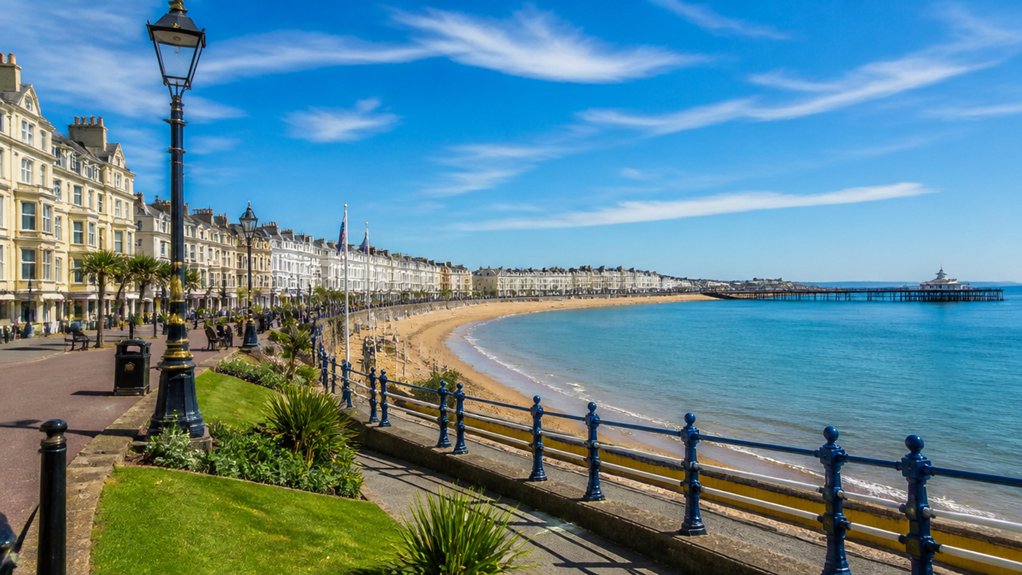
Most visitors to Douglas end up either queuing at the seafront or walking without direction, missing what actually keeps people coming back—it’s a Victorian resort that works because it’s genuinely built for leisure, not because it’s been retrofitted to feel that way. The promenade is the logical starting point, with horse trams running along it and a long line of Victorian frontages that shows you how Victorians actually spent their time on the coast. The architecture matters more than the novelty, and the views around the bay give you proper bearings before exploring elsewhere.
Walk inland towards the Victorian terraces rather than settling into the seafront cafes where cruise passengers cluster. The town’s character becomes apparent as you move away from the harbour, which explains why locals speak about Douglas with actual preference rather than resigned acceptance. A proper cafe away from the water and a decent meal puts you ahead of most people visiting for the day.
Locally-run walking tours focusing on Victorian architecture or maritime history fill quickly during cruise season and represent better value than ship-based excursions. You can book guided tours online beforehand to secure your place rather than gambling on availability when you dock. These guides know the town in ways that ship staff simply cannot replicate.
History Culture and the Top Sights
Douglas’s museums don’t shout for attention, which works in your favour—you’ll actually move through exhibits without queuing behind other passengers. The Manx Museum sits back from the seafront and deals with actual island history: Viking settlements, maritime trade, the particular form of independence that still governs life here. It avoids the usual tourist board storytelling, so you get a genuine understanding of why Douglas functioned as a strategic centre rather than just a Victorian seaside resort.
Castle Rushen, in Castletown in the south of the island and reachable on the Steam Railway, is an actual working medieval fortress rather than scattered ruins. It stands beside Castletown’s harbour and makes clear the town’s importance as the island’s old capital and a working port through several centuries. Independent tours that combine the castle with local history sites book quickly during cruise season, and booking online beforehand costs less than the standard ship excursions covering identical territory.
Douglas City Hall on Ridgeway Street, just inland from the harbour, opens occasionally for internal tours, though availability changes regularly. Contact the port information desk when you arrive rather than trying to verify opening hours beforehand. If access happens to be available, a walk through shows you the practical ambition Victorian councils invested in their public buildings.
Beyond the Centre: Day Trips and Alternatives
Most cruise passengers remain at the seafront, leaving the quieter valleys and coastal paths north of town genuinely peaceful. A short bus ride takes you to moorland that feels entirely separate from the port, yet most visitors spend their day queuing at the same three attractions as hundreds of other passengers.
The northern coastline provides proper walking territory without the tourist infrastructure that makes other UK seaside towns feel exhausting. The cliffs contain genuine geological interest and bird populations, and you can reach them without booking an expensive shore excursion or struggling with local transport. A morning walk costs only transport money and you’ll see far more of the island than passengers who stayed dockside.
The Steam Railway runs seasonal services between Douglas and Port Erin in the south, calling at villages such as Castletown and Port St Mary, using actual heritage infrastructure rather than a purpose-built tourist experience. The destination villages have ordinary cafes and genuine local character, though food near the station itself costs more than elsewhere. The journey feels purposeful rather than staged, which makes it worth the effort.
Your choice arrives early: follow the cruise passenger script and experience Douglas identically to hundreds of others, or spend your morning north of town where crowds don’t exist. Both approaches work, though one offers considerably more of what makes a port day actually worthwhile.
Shore Excursion or Going It Alone
Booking the Steam Railway ticket independently before the ship docks lets you sidestep the queue and catch an earlier service. This gives you the afternoon to actually spend time in one of the southern villages instead of racing back to the ship. The cost is considerably less than what the cruise desk charges for the same journey, and you’ll sit with regular passengers rather than a group wearing matching lanyards.
Coastal walks require only proper footwear and an awareness of weather conditions. The northern cliffs are accessible without paying for a guide, though a specialist walking tour booked in advance will explain what you’re seeing—the rock formations and birds—rather than leaving you to guess. Independent guides fill their spots during cruise season, so booking online before you arrive matters more than arranging anything through your ship. You can browse guided excursions at ports worldwide to compare walking tour options before your arrival.
Douglas improves markedly once the excursion groups depart in mid-afternoon. The seafront cafes and shops become usable, and you can actually sit down without feeling hurried. The better approach is to book one activity in advance, then leave the rest of your day unplanned.
The Practical Details That Change Your Day in Douglas
The tourist information centre near the seafront works on commission, which means staff push expensive ship-organised activities over independent alternatives. Their incentives aren’t aligned with your wallet, so research your activities online before arrival and book directly with operators instead. This approach saves money and secures spots on tours that fill quickly during cruise season.
Douglas’s main shopping street becomes progressively more crowded between mid-morning and early afternoon as coach groups funnel ashore. The independent cafes away from the seafront serve proper coffee and food at reasonable prices, whereas seafront establishments charge considerably more for similar fare. Head inland rather than staying near the pier, and you’ll find local spots that don’t cater exclusively to cruise passengers.
Railway station queues stretch during peak cruise arrivals, but arriving at the ticket office early means you’ll book your journey independently and avoid the markup the cruise desk would add. Weather changes rapidly on this island regardless of season, so check conditions before committing to coastal walks and pack layers accordingly. The seafront becomes genuinely pleasant once the afternoon excursion groups begin returning to their ships, which is precisely when you should settle into a cafe with something warm rather than rushing back to the terminal.
Your Port Day: A Sample Itinerary
Douglas rewards you for moving quickly and sidestepping the seafront altogether. Your eight or nine hours ashore divide into three distinct phases, and the trick is doing the opposite of what the cruise desk steers you toward.
Walk inland from the terminal rather than hanging around the pier. Head straight to the Victorian arcades and independent shops on the side streets where you can grab proper breakfast or coffee at normal prices while the seafront stays relatively empty. Spend this first stretch getting used to how the island actually operates instead of joining the mob heading toward the obvious spots.
Book yourself onto an independent coastal walk or heritage tour covering the island’s past before you arrive. The best operators fill up during cruise season, so search and reserve online beforehand. This keeps you occupied during the peak hours when tour groups clog the main streets, and you’ll spend less than anything the ship offers.
Return to the town centre around mid-afternoon as the excursion groups board tenders back to the ships. This is genuinely the best part of your day ashore. Settle into a local cafe away from the seafront with something warm, look through the independent bookshops, or simply sit and watch the afternoon light change without competing for space. You’ll leave Douglas feeling like you’ve actually been somewhere rather than simply endured a day alongside three hundred other passengers.
Book your Douglas day
Tours for this port, compare before you book
Getting around in port