Longyearbyen Cruise Port Guide
Longyearbyen awaits adventurers willing to brave Arctic extremes—but what secrets hide beneath this working town’s colorful exterior?
In this guide
Try one free personalised day plan — built around your ship’s actual arrival and departure times. Then get every port on your cruise done the same way from £7.99 (about $10).
Cruise Port Overview: What To Expect
Longyearbyen functions as a working Arctic town rather than a conventional cruise destination, which means the infrastructure reflects that reality. You’ll encounter fewer commercial operators, fewer restaurants, and fewer other cruise passengers than Mediterranean ports offer, simply because the town wasn’t built to absorb thousands of visitors daily. The harbour itself is straightforward—your ship either ties up at the dock or tenders you ashore quickly—but the Arctic climate matters far more than port logistics. Weather changes plans here in ways that no amount of planning prevents.
Walking covers most of what you need in town, as the centre sits close to the harbour. You only require transport if you’re heading into the surrounding terrain, and you absolutely require proper clothing regardless of when you’re visiting. The locals emphasising layers and waterproof gear aren’t being dramatic; arriving with summer clothes because you thought the Arctic would be mild is an expensive mistake made regularly by cruise passengers.
Book independent tours before arrival if you want any choice in what you actually do. Glacier walks, snowmobile expeditions, winter dog sledding, and wildlife boat trips fill up well ahead of time, particularly when multiple ships are in port the same week. Ship-organised excursions cost substantially more than booking directly with local operators, and those local operators understand the landscape in ways cruise staff simply cannot replicate.
Shops and cafés exist and function normally, but prices reflect the basic fact that everything here arrives by boat or plane. Accept high costs rather than hunting for bargains that don’t exist. Your actual time ashore depends on daylight hours and ice conditions, so commit to the activities you specifically wanted rather than improvising and hoping something worthwhile appears.
Getting From the Port To Town
The walk from ship to town takes minimal time, so you’re not dealing with transport complications—you simply disembark and head uphill into the neighbourhood. Most cruise passengers stay in this central area anyway, where the affordable cafés, shops, and viewpoints actually are, so proximity to the harbour isn’t a limitation. The terrain is flat enough that you’ll only need a taxi if weather genuinely deteriorates or you’re carrying substantial luggage.
Getting beyond the immediate town centre is where logistics matter. Glaciers, surrounding terrain, and wildlife require either a guide with a vehicle or an organised tour handling everything for you. Independent operators running glacier hikes, snowmobile expeditions, and boat trips fill their availability well in advance during peak season, and turning up at the harbour hoping for a spot won’t work. You can explore exciting tours and activities offered by local providers to maximize your time in this Arctic destination.
Ship excursions run daily but charge significantly more than booking directly with local operators who know these landscapes and price accordingly. The practical difference is between arriving with a confirmed booking and arriving without one—the former means your day runs as planned, the latter means spending hours in a café waiting for cancellations that may not materialise. Book your transport-inclusive activities before you arrive, not after you dock.
The Must-Do Experience: Start Here
Get off the ice and onto it—literally. A glacier walk or snowmobile expedition is the only way to understand why anyone lives in the High Arctic at all, and it should be your primary reason for being here.
The Svalbard Global Seed Vault sits above town and attracts cruise passengers in volume, but you cannot actually enter it. You’ll see the entrance, photograph it, and move on. It sits beyond the airport road, outside the polar bear safety zone around town, so don’t walk there on your own; go by taxi or on a short guided tour with an armed guide. The trip does offer genuine Arctic views, but if you came for glacier access, treat this as a warm-up activity rather than your main focus.
Book a glacier hike or snowmobile tour through local operators before your ship arrives. These bookings disappear quickly during peak season, and independent guides charge considerably less than your cruise line for identical experiences. A local operator reads the terrain and conditions properly, won’t rush you through landscape that deserves patience, and you’ll encounter far fewer cruise passengers in visibility gear cluttering your space. Consider arranging professional driver transfers to your activity starting point to ensure timely arrival at your booked tour.
The difference between a wasted port day and a proper one comes down to advance planning. Arriving at the harbour hoping for availability means you’ll end up with coffee in town instead of standing on a glacier. Book online in advance, confirm your pickup location, and arrive early—that’s how you actually use your time ashore.
History Culture and the Top Sights
Longyearbyen exists because of coal, and the town makes no effort to hide that industrial foundation. The Svalbard Museum explains the practical reasons: polar exploration routes, mining operations, the territorial complexity between Russia and Norway, and the climate shifts happening across the archipelago. Spending time there gives you actual context for why settlement happened here rather than treating the place as scenery for your itinerary.
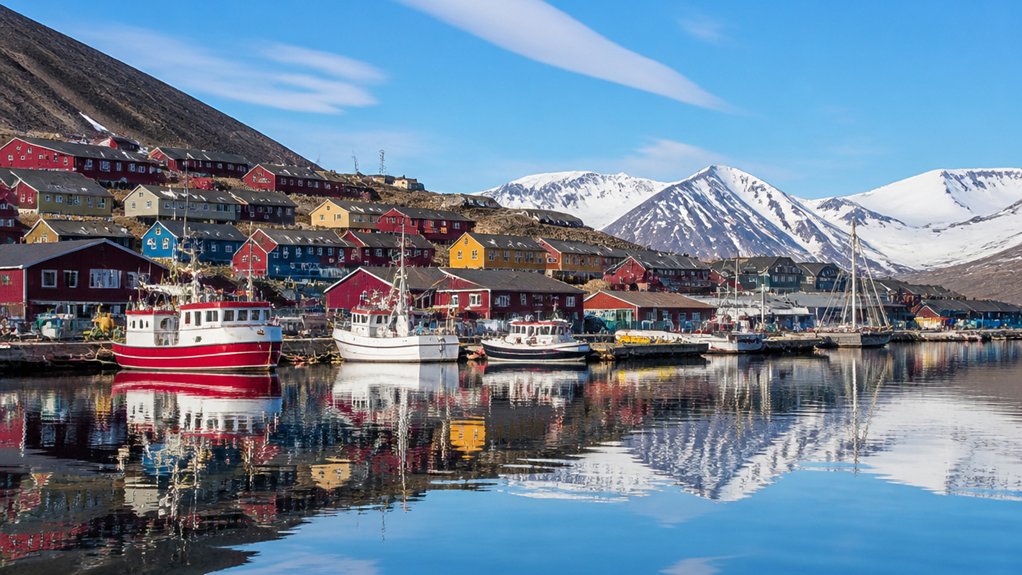
The town centre is small enough to walk without confusion, which saves you from wasting hours on navigation. Wooden houses painted in bright colours line the streets—a functional choice for visibility during the dark season, though the effect works visually as well. The waterfront shows what Longyearbyen actually does: fishing boats, cargo vessels, and icebreakers move regularly through, which means you’re watching a functioning port rather than a reconstructed one.
Store Norske coal mine tours run occasionally and provide industrial detail that museum displays cannot. Your cruise company will charge substantially more than contacting local operators directly, and independent guides typically offer better rates and can adjust timing around your ship’s schedule. The more useful education comes from talking to people who live and work here—shopkeepers, bar staff, guides—because they chose to be in the Arctic deliberately, and their explanations carry weight that no exhibit label does.
Beyond the Centre: Day Trips and Alternatives
Day trips from Longyearbyen demand planning weeks in advance because Arctic logistics don’t flex for spontaneous decisions, and local operators book their slots far ahead during the cruise season. Boat tours to Nordenskiöld Glacier and dog sledding across the plateau fill quickly, so booking online before you arrive gives you actual choice and better rates than your ship’s excursion desk can offer.
November through January brings intense focus on Northern Lights hunts, but what matters for visibility is weather and cloud cover rather than how far you travel—a clear night in town often outperforms a drive to darker areas. These tours typically start at dusk and run for hours, so check whether your ship schedule actually allows you to participate without rushing back in a panic.
Snowmobile safaris run year-round and offer genuine movement across the Arctic rather than stationary viewing from a coach. Independent operators charge less than cruise lines and will coordinate timing so you’re not stressing about the clock. Book directly with local providers online once your cruise date is locked in, since reputable outfits genuinely do fill their schedules, and early commitment secures better slots and pricing than waiting to decide dockside.
Shore Excursion or Going It Alone
The cruise line’s excursion desk will charge you substantially more than independent operators for identical Arctic activities, and your choices narrow considerably once the ship docks because popular tours sell out quickly during peak season. Booking directly with local providers online weeks before arrival gives you real leverage on pricing and availability. Outfits running snowmobile safaris and glacier boat tours genuinely do fill their schedules with cruise passengers, so early commitment secures better rates than deciding ashore.
There’s a practical trade-off worth considering carefully. If your ship’s excursion includes transport to the operator’s base and return to the harbour, that logistics value matters when you’re working against a tight turnaround schedule. The fine print often reveals that the ship’s premium covers genuine convenience, though frequently it simply covers their commission.
Going independently means arranging your own transport, which sounds daunting but functions smoothly in Longyearbyen because the town itself is compact and operators will collect you from the main harbour area if you book with them directly. You’ll pay less, set your own rhythm, and avoid managing a group of thirty other cruise passengers.
Start researching immediately after confirming your cruise booking. Email operators directly, confirm your ship’s arrival and departure timing, and secure your booking slot. The Arctic’s schedule doesn’t accommodate indecision, and neither do the tours worth taking.
What Experienced Cruisers Know About Longyearbyen
The Arctic doesn’t offer you a second chance if you misread the weather forecast, and neither does your ship if you’re not back by sailing time. Longyearbyen‘s tourism infrastructure is deliberately thin — there’s no queue management, no redundancy, and no backup plan built into your port day. That’s precisely why the local operators, not your cruise desk, hold the real knowledge about conditions, timing, and what’s actually possible in the window you’ve been given.
Most independent tour companies will text you the morning of departure with final confirmation and any weather adjustments. That message matters more than anything printed in your cruise documentation. The companies running glacier boats and snowmobile expeditions have been operating here for decades; they read the Arctic the way other people read a road map.
Book your activities before leaving home. The operators you’ll contact directly run their rosters online, and the best slots fill weeks in advance during peak season. You’re competing for space with other cruise passengers, but you’re doing it with better pricing and the operator’s direct attention rather than through a middleman taking their cut.
The harbour area has coffee and basic supplies, but don’t expect your ship’s excursion desk to have booked you somewhere warm whilst you wait. Arrive early, dress properly, and treat your itinerary like the precise schedule it actually is. If the local operator says conditions aren’t safe, they mean it, and rebooking becomes your responsibility rather than the cruise line’s problem.
Your Port Day: A Sample Itinerary
Longyearbyen operates on weather, not schedules, so your plans need to shift with conditions that can change within hours. Contact your activity operator directly before breakfast—a quick text or call confirms whether your slot still exists and if weather has forced a route change. Pick up coffee at the harbour café while you wait, then go straight to your departure point, whether that’s the boat dock or the snowmobile office, arriving early enough to get properly equipped without panic.
Your midday activity deserves your full attention rather than being squeezed between other things. Book a half-day glacier tour or snowmobile expedition through independent operators weeks ahead, since the best slots go to cruise passengers who plan early and you’ll spend less money doing this than booking through your ship. When conditions deteriorate and your operator changes the itinerary on the spot, accept it—arguing with Arctic weather gets you nowhere.
Book your Longyearbyen day
Tours for this port, compare before you book
Getting around in port
✈️ Before you sail: eSIM, insurance, luggage, flight delays
Ships In Longyearbyen
Upcoming calls from our sailings tracker, updated regularly.
MSC Preziosa
MSC CruisesThu 24 Jun
⚓ 07:00–21:00
Fred Olsen Bolette
Fred OlsenThu 1 Jul
MSC Preziosa
MSC CruisesThu 12 Aug
⚓ 07:00–21:00
MSC Preziosa
MSC CruisesThu 22 Jun
⚓ 07:00–21:00
MSC Preziosa
MSC CruisesThu 10 Aug
⚓ 07:00–21:00