Bruges Cruise Port Guide
Navigate medieval Bruges like a local—discover hidden canals, authentic eats, and insider secrets that cruise guides won’t tell you.
In this guide
Try one free personalised day plan — built around your ship’s actual arrival and departure times. Then get every port on your cruise done the same way from £7.99 (about $10).
Cruise Port Overview: What to Expect
Bruges works well for cruise passengers because the medieval centre is small enough to cover on foot, though your ship lands at Zeebrugge, an industrial container terminal that requires a short journey into the actual city. The transport connection is straightforward and reliable, though you’ll want to move quickly since the queues build when multiple ships are in port simultaneously.
The old town itself rewards walking over anything else. Tourist restaurants surrounding the main square charge inflated prices for uninspired food, so your best move is heading ten minutes into the quieter streets where locals eat and prices drop noticeably. The crowds that feel overwhelming in the central square disappear entirely once you turn onto side streets, which is where the architecture and canals actually merit your attention. You can book tours and activities through independent operators to enhance your exploration of these hidden gems.
Structured walking tours tend to move at a crawl and stop precisely where the crowds are thickest, making them poor value for your port day. If you want guided exploration, book a small-group operator in advance rather than using your ship’s excursion desk—independent companies keep groups smaller and move with more purpose, letting you actually see what you came for without feeling managed.
Getting From the Port to Town
Zeebrugge terminal sits roughly forty minutes from Bruges’ medieval centre, and the journey itself is genuinely painless—which means you can afford to be unhurried rather than panic-driven like passengers on tighter schedules elsewhere. Your ship will dock directly, and from there you have three sensible options: the shuttle bus arranged for cruise passengers, which operates with cruise schedules in mind; local public transport, which costs considerably less but requires you to navigate unfamiliar signage; or a pre-booked private transfer, which costs more than it should but eliminates all uncertainty if you’re uncomfortable with independent travel.
The shuttle bus is worth the modest premium simply because it times itself to ship arrival and departure, meaning you won’t misjudge your return window and miss the vessel. If you’re confident with transport logistics, the regional train or bus offers better value and runs frequently enough that missing one isn’t a disaster. Whatever you choose, aim to be moving toward town within twenty minutes of disembarking—the queues for transport build substantially when multiple ships are in port, and delays compound quickly.
Your return journey matters more than your outbound one. Build in a comfortable buffer before all-aboard time and work backwards from there when planning your afternoon. Zeebrugge’s transport infrastructure handles cruise traffic smoothly because it’s built for it, so trust the system rather than staying late to squeeze in one final café stop.
The Must-Do Experience: Start Here
Most cruise passengers arrive in Bruges expecting a postcard and leave having experienced one, which explains why your first few hours carry disproportionate weight—the town’s charm is genuine, but its capacity to absorb tourists is not, and crowds intensify dramatically through midday.
Your instinct will push you toward the Markt because it’s famous and central, but you’ll find it clogged with tour groups and inflated café prices. Start instead by walking the quieter canal paths that form Bruges’ actual character, where locals still live and water reflects buildings rather than crowds reflecting each other. These walks cost nothing, take you past real neighbourhoods, and give you the textural understanding of the place that photographs never capture.
Book an independent walking tour in advance rather than through your ship if you want structured guidance—they fill quickly for cruise visitors, cost considerably less, and local operators adjust routes to avoid peak-crowd times, which tour-bus companies cannot. Many runners also offer canal-side beer tastings or chocolate workshops that teach you something genuine rather than sell you a souvenir.
Treating Bruges as a checklist of sights rather than an atmosphere to absorb is the common mistake. You have enough time to do this well, but only if you resist the pull toward famous landmarks first and instead let the town’s quieter edges set your pace.
🗺️ Tours & Experiences at This Port
Skip the ship’s overpriced excursions — browse top-rated independent tours trusted by thousands of cruise passengers.
History Culture and the Top Sights
Bruges’ finest buildings are genuine medieval structures, not reconstructions, which means they’re worth seeing but also means every other cruise passenger is queuing to see them too. The Belfry and the Church of Our Lady anchor the town’s architectural reputation, but their interiors rarely justify the wait or entrance fee once you’ve admired them from outside. The real value lies in understanding how these buildings shaped the streets around them rather than standing in line to climb towers.
The actual cultural education happens in the smaller, less obvious places. The Groeningemuseum holds Flemish art that explains why Bruges mattered historically, and it draws far fewer cruise crowds than the famous landmarks because it requires intentional effort to visit. If medieval altarpieces don’t appeal, the Chocolate Line and local breweries teach you something concrete about what Bruges actually produces and trades on—these experiences stick with you longer than photographs of Gothic facades.
Book a private art-focused walking tour in advance through independent operators rather than relying on ship excursions. These tours fill quickly, cost substantially less than ship-organised versions, and guides route you toward actual cultural sites while explaining what you’re looking at instead of herding you through photo stops. The difference between understanding Bruges’ history and simply accumulating images of it depends entirely on how you choose to spend your first couple of hours ashore.
Beyond the Centre: Day Trips and Alternatives
Most cruise passengers pay inflated excursion fees for journeys they could arrange independently in minutes, since the train stations are within walking distance of the medieval centre. The markup exists because convenience sells, not because the experience requires it.
Ghent and Antwerp function as genuine alternatives to Bruges because they’re working cities rather than preserved monuments. Each lies within reasonable train distance and offers architectural interest without the density of cruise tourists clogging the squares. In Ghent particularly, you’ll encounter locals actually using the spaces rather than performing for cameras, which changes how a place feels when you’re moving through it.
The train journey between these cities operates on straightforward systems that don’t require special knowledge. Booking your own tickets costs substantially less than ship versions, and you control your pace instead of following a guide’s schedule. This matters if you want to spend an hour in one café or skip ahead to somewhere else entirely.
Flanders Fields around Ypres presents a different proposition because the historical weight demands proper context rather than rushed interpretation. This terrain shaped European history in ways that casual observation won’t reveal, so the experience genuinely improves with informed explanation. Attempting this independently without preparation often means showing up to significant places without understanding why they matter.
Wine tastings in Dendermonde, brewery visits, and rural cycling tours similarly benefit from having someone explain what you’re experiencing rather than appearing unguided. These activities assume knowledge you might not possess—how to read a vineyard’s production methods or what distinguishes one brewing tradition from another. Booking these tours online in advance costs considerably less than ship versions and fills quickly because they represent actual value rather than mere access.
The practical distinction lies in recognising when your own navigation works and when guided support genuinely improves the experience. Independence works for straightforward journeys to established cities with clear infrastructure. Expert guidance works when you’re encountering unfamiliar activities or historically complex places where context determines whether you’re simply looking at something or actually understanding it.
Shore Excursion or Going It Alone
Bruges’ medieval centre is small enough that you’ll accidentally discover most of it while genuinely lost, which means the ship’s premium walking tour often involves paying substantially more to stand in larger crowds while someone explains what you could read on a plaque. The real value divide isn’t between guided and independent—it’s between tours that teach you something you couldn’t learn alone and ones that merely grant you access to a place you could reach yourself.
Ship excursions excel when they skip the queues or require specialist knowledge you won’t gather alone, but Bruges’ main attractions are deliberately accessible to casual visitors. The Belfry, the canals, the main squares—these reveal themselves through simple walking. What they don’t reveal is which neighbourhoods feel genuinely lived-in versus performed for tourists, or which cafés serve actual locals rather than marking up prices for visitors arriving in groups.
Independent exploration of Bruges city centre costs you nothing beyond transport and meals, and you’ll move at your own pace instead of regrouping every ten minutes. The calculation changes entirely for experiences like brewery tours or specialised cycling routes through the Flemish countryside—these genuinely benefit from advance booking through independent tour operators rather than ship versions, fill quickly for cruise passengers, and typically cost a fraction of what the cruise desk charges.
Your best strategy is straightforward: walk the centre independently, book any specialist activities weeks ahead through online providers, and use the ship’s only for excursions to remote locations where transport logistics genuinely justify the premium. This approach maximises both your control and your budget.
🗺️ Tours & Experiences at This Port
Skip the ship’s overpriced excursions — browse top-rated independent tours trusted by thousands of cruise passengers.
Before You Leave the Ship: Bruges Practicalities
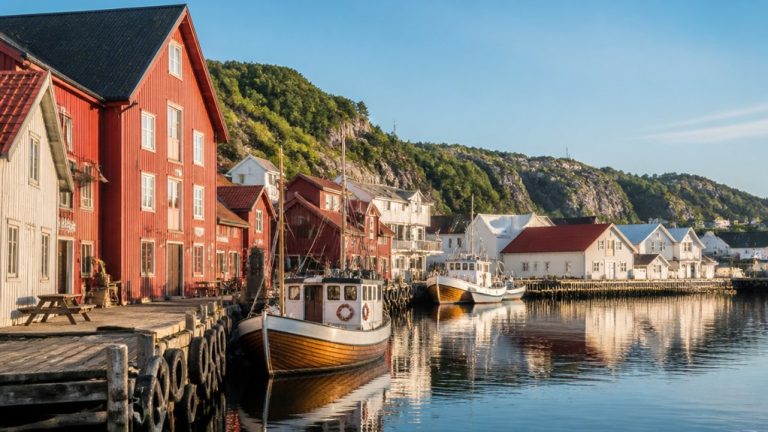
The photograph of Bruges you’ve seen a hundred times—swans gliding beneath arched bridges while locals cycle past—exists almost entirely in early morning hours, after which the same streets fill with ship passengers following identical routes in identical groups. Timing matters far more than route choice in a place this compact.
The major museums and attractions charge modest entry fees, but queuing at the Belfry or Groeninge Museum during peak cruise hours can consume an hour of your limited port time. If these draw you specifically, arrive when they open or skip them entirely in favour of wandering the side streets, where the medieval architecture is equally compelling and entirely free. The boat tours departing from the main squares look enticing but cost considerably more than walking the same canals on foot—you’ll see the waterfront just as well from the banks, move at your own pace, and spot the quieter channels cruise boats never reach.
Chocolate shops cluster around the market square with premium pricing and shrink-wrapped selections aimed at passing tourists. The better chocolatiers are tucked away on residential streets; you’ll find them by accident if you wander, or by asking café staff where they buy their own. The same principle applies to beer and frites—seek out neighbourhood spots where locals eat, not restaurants positioned to catch crowds exiting monuments. Your reward for this small effort is eating better and spending less.
🗺️ Tours & Experiences at This Port
Skip the ship’s overpriced excursions — browse top-rated independent tours trusted by thousands of cruise passengers.
Your Port Day: A Sample Itinerary
The ship empties into the market square soon after the first shuttles and trains arrive from Zeebrugge, which means your first decision—made before you step ashore—determines whether you’ll see Bruges or its tourist version. Start by walking directly away from the crowds toward the residential streets north of the Markt, where you can photograph the medieval architecture without bodies in frame and take in the actual rhythm of the city. Spend your first hour simply wandering; the side canals reveal themselves naturally, and this aimless movement lets you absorb the place rather than tick off a predetermined list.
By midday, pick a neighbourhood café—one where you see locals rather than laminated menus—and order frites and a local beer. This is not indulgence; it’s the most reliable way to reset your pace and eat considerably better than anything near the monuments. Afterwards, if the major attractions genuinely interest you, accept that queuing consumes time and either arrive now while others lunch, or skip them entirely.
The Groeninge Museum and Belfry are worth seeing, but not at the cost of your entire port day standing in line. Your final hours belong to the quieter channels and neighbourhood chocolate shops. If you’re drawn to a specific independent walking tour focusing on lesser-known corners or local history, book well ahead—the best guides fill quickly with cruise passengers—but only if structured exploration appeals to you.
The city’s compact size means you cannot get genuinely lost, so simply let your feet choose the next turning. Trust that wandering without a predetermined route often yields better encounters than any itinerary could guarantee. This approach works precisely because Bruges rewards aimlessness more than it rewards efficiency.
Tours with limited places can sell out before the ship arrives in Bruges. Check what runs in Bruges ahead of time.
🗺️ Tours & Experiences at This Port
Skip the ship’s overpriced excursions — browse top-rated independent tours trusted by thousands of cruise passengers.
Book your Bruges day
Tours for this port, compare before you book
Getting around in port