Antigua Cruise Port Guide
Why do cruise passengers overpay for Antigua tours when locals know secret shortcuts to hidden beaches and authentic dining spots?
In this guide
Try one free personalised day plan — built around your ship’s actual arrival and departure times. Then get every port on your cruise done the same way from £7.99 (about $10).
Cruise Port Overview: What to Expect
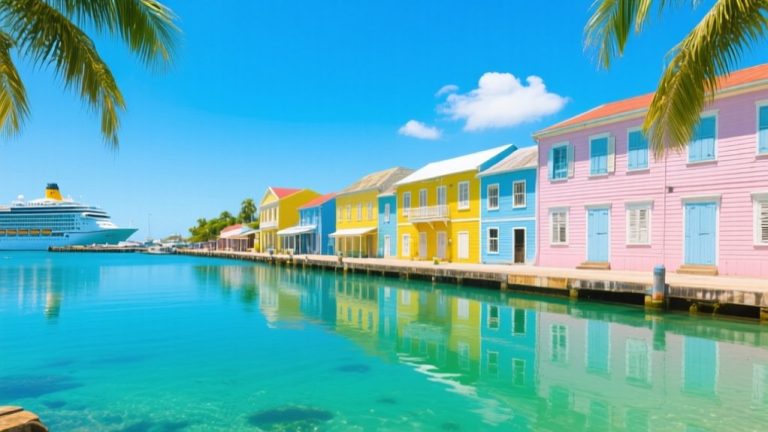
Antigua’s cruise terminal drops you practically into St. John’s rather than into a quarantined tourist enclave, so you’re walking distance from actual town life within twenty minutes of disembarking. The harbour is deep enough that your ship pulls straight in without anchoring offshore, which means less waiting around before you can get off the vessel.
What typically catches visitors off guard is how straightforward everything is—colonial buildings stand next to functional Caribbean practicality without much fuss or polish. The streets stay busy without feeling chaotic, vendors persist without hostility, and the whole setup functions as a working port that happens to accommodate tourists rather than existing solely for them. This works entirely in your favour because it means functioning shops, restaurants where locals actually eat, and interactions that happen outside the tourist economy bubble.
The weather stays reliably warm and dry, though you’ll need a hat and water bottle before heading anywhere. The town itself is navigable if you’re comfortable walking without a detailed map, though specific locations can take effort to locate if you don’t know where you’re going. Most worthwhile activities—swimming at actual beaches or examining the island’s colonial history—sit beyond comfortable walking range, which is precisely why shore excursions deliver better value than anything the ship’s excursion desk offers, and booking these tours online before your cruise departs gets you better rates and confirmed spots on your arrival day.
Getting From the Port to Town
Walking into St. John’s straight from the pier makes practical sense since it’s free and direct. Your ship positions close enough that the town remains visible from deck level, yet most cruise passengers still queue for paid transport without checking whether the streets are actually walkable. The route works because it’s simple: head up the pier toward the harbour, find Market Street, follow the seafront, then turn inland where older buildings start appearing.
Getting lost requires deliberate effort since only one logical direction leads anywhere. Local people will redirect you if you ask, and the pavements, while uneven in patches, won’t trap you. Bring water because the sun builds heat fast and you’ll notice the climb more than you’d expect.
Taxis wait by the terminal but their fares don’t justify the convenience, particularly when walking costs nothing and actually shows you how the town is organized. Walking means arriving gradually through streets rather than being dropped at a designated tourist zone where you’ve no sense of where anything is. Independence matters here because you control your pace and decide what’s worth stopping for.
Organized tours picked up directly from the ship cost less than assembling your own taxi routes to multiple locations, but they fill quickly during the cruise season. Booking online before you sail means you’re not competing with other passengers on arrival morning when your time ashore is already constrained. Either approach works depending on whether you’d rather move at your own speed or follow a structured plan with a guide included.
The Must-Do Experience: Start Here
Nelson’s Dockyard National Park works because it functions as an actual naval yard rather than a recreation of one. Boats still repair there, craftspeople still work, and the Georgian buildings serve genuine purposes instead of existing for viewing. You move through real Caribbean maritime life rather than a narrative someone designed for tourists.
Walking from town through the restored buildings takes you past the Admiral’s Inn, where you can sit in the courtyard for lunch without pressure to move along. The park spreads across enough ground that visitors don’t concentrate in one area, which means you can actually look at things without crowds pressing behind you. A guide amplifies what you’re seeing rather than just walking you through—the difference between understanding why a building matters and simply photographing it.
The entrance fee is modest and you can reach the park by minibus from St. John’s for considerably less than a taxi. Independent guided tours that include a guide and lunch book quickly during cruise season, so arranging one before you sail removes the gamble of availability when your ship arrives. Controlling your own timing also means you’re not rushed through on a schedule designed around other stops on the same excursion.
🗺️ Tours & Experiences at This Port
Skip the ship’s overpriced excursions — browse top-rated independent tours trusted by thousands of cruise passengers.
History Culture and the Top Sights
Most visitors circle back to Nelson’s Dockyard because it’s obvious, which leaves the colonial history of the capital largely unexamined. St. John’s Cathedral occupies a hill above the town, and its twin towers have been a landmark on the St John’s skyline since the 1840s. It is well worth the short climb from the harbour.
St. John’s itself operates differently than the dockyard, and approaching it requires adjusting your expectations. Streets compress quickly, markets spill onto pavements, and the rhythm belongs to residents conducting daily life rather than to tourism infrastructure. The Museum of Antigua and Barbuda sits within reach and actually contains objects that explain how people lived here rather than dramatising the past for external consumption.
Fig Tree Drive cuts through the island’s interior, passing tropical forest and small settlements where commercial tourism hasn’t yet reorganised daily life. Independent guides can arrange tours that incorporate both this route and St. John’s Cathedral, typically at rates lower than cruise ship packages and on timing that suits you rather than a predetermined schedule. These tours book up during cruise season, so arranging one before you arrive ensures you’re not competing with other passengers when the ship docks.
Beyond the Centre: Day Trips and Alternatives
The cruise ship excursion to Shirley Heights will cost you more than booking independently, and the standard group size means you’ll waste significant time waiting for people to keep up. Independent tours run smaller groups, stick to schedules that actually align with your ship’s departure, and don’t divide their attention across multiple groups at once.
Your advantage ashore is flexibility. The ship excursion locks you into a fixed route with dozens of other passengers and no room for variation. A smaller independent operator can spend time where things interest you, skip sections that don’t, and adjust based on what you actually came to see. The practical difference is substantial.
Several operators run half-day tours combining Shirley Heights with Fig Tree Drive and a beach stop, starting early enough to get you back well before your ship leaves. They pick you up from the cruise terminal, which removes the hassle of arranging your own transport, and they know which beaches stay reasonably quiet during mid-morning hours. Book these tours online before arrival since popular ones fill during cruise season and you’ll pay less booking directly than through the ship.
Hiring a taxi for a few hours offers another route—you get complete control over where you go and what you see, with the driver negotiating a rate upfront. This approach works well if you’ve already decided what you want to visit rather than figuring it out after you’ve stepped ashore. The cost typically matches what you’d pay for a group tour.
Shore Excursion or Going It Alone
The cruise desk will charge you substantially more for a half-day trip to Nelson’s Dockyard than you’d pay booking independently, and they’ll present this inflated price without mentioning that the dockyard’s entrance fee is already built into their package. You’re essentially paying extra for the convenience of being processed through with forty other passengers on a rigid schedule.
Hiring a taxi directly or booking an independent operator online before you arrive costs significantly less and wastes far less of your time standing around waiting for group activities. The real benefit is flexibility—ship excursions run on fixed timelines that allow little room for your own pace, whereas a smaller independent group can let you spend additional time examining exhibits that genuinely interest you or move quickly past those that don’t.
The cruise ship excursion only makes practical sense if you’re genuinely worried about missing the ship’s departure and want a guaranteed escort back to the terminal. For everyone else, booking ahead is the better choice, as popular independent tours fill up rapidly during cruise season and arranging anything on the day costs more. Consider arranging professional drivers through advance booking services to ensure reliable transportation. You’ll have a better experience and keep more money in your pocket, which is how a port visit should work.
Antigua Notes the Excursion Desk Skips
Taxi drivers at the cruise terminal time your arrival and departure schedules, so they’ll push inflated fares if you signal any hesitation about costs. Agree on a price before getting in, or arrange transport through an independent operator the evening before you dock—you’ll pay less and skip the haggling altogether.
Most cruise passengers make straight for Nelson’s Dockyard or the nearest beach, leaving the streets near the terminal relatively empty in the morning hours. You can walk into St. John’s town centre, browse the market stalls without pushing through crowds, and actually watch how locals conduct their day instead of trailing behind tour groups. The practical advantage is simple: spend your first hour away from the obvious spots, and you’ll see how Antigua actually functions rather than how it presents itself to visitors.
Water taxis to nearby islands cost far less than you’d anticipate and offer considerably more to see than another afternoon at a resort beach. The boats hold small numbers, crossings are brief, and you’ll share the journey with locals rather than other cruise passengers. Book these online in advance because popular operators get booked out during peak season, and arranging anything from the dock involves paying more and often means the best options are already gone by late morning.
Carry cash in small notes. Cards work at most establishments, but independent operators and market traders often prefer cash, and you won’t lose time hunting for working ATMs at the terminal where lines get long quickly. Having ready notes lets you move faster and negotiate more effectively when it counts. Consider purchasing a local eSIM data plan before your trip so you can access booking confirmations and communication tools without incurring international roaming charges.
Your Port Day: A Sample Itinerary
Antigua’s port schedule works against you, not with you—your ship leaves at the exact moment everyone else realizes they should have booked a water taxi an hour earlier.
Start your morning by walking into St. John’s town centre before nine o’clock. The public market at the southern end of Market Street is where the day actually begins: traders arranging produce, locals collecting breakfast ingredients, and the noise and colour of ordinary commerce rather than tourism theatre. Spend ninety minutes here, buy a coffee from someone’s stall, and watch how the city moves when it’s not performing for visitors.
By mid-morning, head to the waterfront if you want to get out on the water. For Barbuda, the Barbuda Express ferry leaves from St John’s and takes about 90 minutes each way, so it only works on a long port day; check the sailing times against your all-aboard time before you commit. For something shorter, local operators run boat trips to the smaller islands off Antigua’s coast. Book either the evening before you dock rather than through your ship.
A trip to one of the smaller islands leaves you time to walk a quieter beach or explore without rushing back to meet a tour group schedule. Return to the dock by late afternoon.
If time remains, walk past the obvious tourist restaurants near the terminal—they cost more than they should—and find lunch along Independence Avenue where locals eat. You’ll spend less, eat better, and notice the difference between food prepared for profit margins and food prepared for people who live here.
🗺️ Tours & Experiences at This Port
Skip the ship’s overpriced excursions — browse top-rated independent tours trusted by thousands of cruise passengers.
Book your Antigua day
Tours for this port, compare before you book
Getting around in port