Gustavia St Barts Cruise Port Guide
Make the most of your Gustavia cruise port visit—discover insider tips for beaches, dining, and local experiences that most tourists miss.
In this guide
- Cruise Port Overview: What to Expect
- Getting From the Port to Town
- The Must-Do Experience: Start Here
- History Culture and the Top Sights
- Beyond the Centre: Day Trips and Alternatives
- Shore Excursion or Going It Alone
- Before You Leave the Ship: Gustavia St Barts Practicalities
- Your Port Day: A Sample Itinerary
Try one free personalised day plan — built around your ship’s actual arrival and departure times. Then get every port on your cruise done the same way from £7.99 (about $10).
Cruise Port Overview: What to Expect
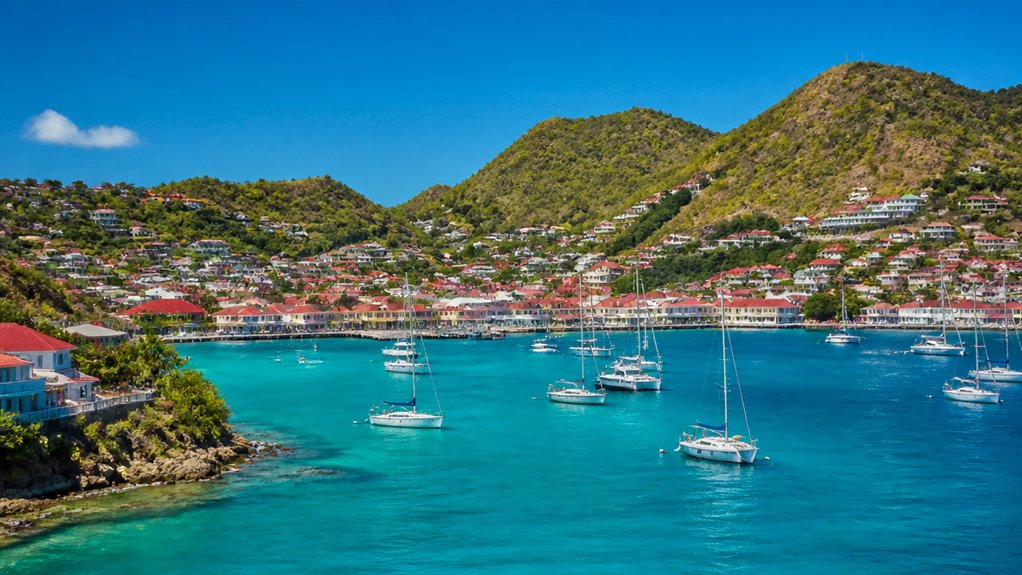
Gustavia’s working harbour is small enough to survey in under an hour, which means your real advantage here is convenience rather than scope. Cruise ships anchor off the harbour and tender you straight to the quay in the middle of town, which spares you the tedium of buses and long transfers that plague other Caribbean ports.
The port itself genuinely is compact. The crescent-shaped waterfront holds restaurants, shops, and galleries that cater to yacht owners and wealthy tourists, which works in your favour because nothing requires more than a walk. Once several ships are in, however, those narrow streets become crowded and the leisurely pace turns sluggish, though the atmosphere remains more cosmopolitan than you’d expect from a typical Caribbean stop. Consider booking a guided shore excursion to maximize your time and explore beyond the immediate harbour area.
What catches most visitors off guard is the cost structure, particularly along the main strip near the harbour. Coffee and casual lunch prices exceed what you’d pay elsewhere in the Caribbean, and restaurants tend toward fine dining or yacht-club casual rather than local food stalls. Within a short walk inland and uphill from the waterfront, neighbourhood spots serve the people who actually live here, and prices return to something reasonable.
The lack of aggressive street hawkers and the general sense of order make this one of the easier Caribbean ports to navigate on foot without constant pressure or chaos. Don’t mistake the quietness for emptiness—it’s simply a more controlled kind of busy, which appeals to some travellers and bores others depending on what you came for.
Getting From the Port to Town
Gustavia’s layout means you can accomplish most things on foot. Your ship anchors offshore and tenders you directly to the quay, so unless you’re heading to the northern beaches or inland areas, walking is your most practical choice.
Taxis cluster near the harbour if you want to venture further afield. Booking through your ship’s shore excursion desk or the port information desk avoids negotiating with drivers in heat, though this costs more than flagging one down yourself. Independent tour operators run multi-stop excursions to beaches and viewpoints at lower rates than ship-organised tours, and their local knowledge tends to be more straightforward than scripted commentary—but these tours book up, so securing a spot online before arrival matters if your time ashore is limited.
The main waterfront streets are well marked and disorientation is unlikely given the compact geography. Head uphill from the quay and the streets become genuinely narrow and tangled, which is exactly where you find food priced sensibly and a clearer picture of how locals actually live rather than what the harbour presents to visitors.
The Must-Do Experience: Start Here
Most cruise passengers never leave the two blocks surrounding the harbour, so a genuinely local experience requires nothing more than walking inland for ten minutes. Timing matters: get off the ship early, grab coffee somewhere away from the waterfront, then spend the rest of your morning on the secondary streets where actual locals shop and eat. The prices drop noticeably once you’re away from the harbour strip, and the rhythm of the place feels less choreographed for visitors.
The streets a block or two back from the harbour are your starting point—narrow lanes with independent shops, working bakeries, and small restaurants that cost considerably less than anything with a water view. The colonial stone buildings and shuttered windows aren’t staged; they’re simply what the island is when tourists aren’t looking at it. You’ll get a clearer sense of how the place actually functions by spending time here than by staying near the quay.
If you want context rather than just wandering, local guides offer walking tours that explain the island’s French and Swedish colonial history and how St Barts shifted from a functioning port into a wealth enclave. These tours cost less than the cruise line’s excursions and fill up quickly with other passengers, so booking online before arrival makes sense. The historical framing helps you understand what you’re seeing when you walk around later.
The harbour itself warrants a look—the cafés are expensive and the people-watching is obviously touristy, but it’s still worth thirty minutes if you want to see the yachts that keep St Barts on the Mediterranean circuit. By afternoon, you’ll have covered what matters without rushing or feeling like something obvious passed you by.
History Culture and the Top Sights
St Barts lacks the conventional museum infrastructure that other Caribbean ports offer, which means the actual history isn’t contained in any single building. The island’s past is embedded in how the town is physically arranged—the street patterns, the fortifications, the names on signs—and learning to read these elements will give you far more useful context than any guided exhibition would.
Gustavia’s harbour is where the colonial layers become obvious. The French established it as a port in the 17th century, then it passed through Swedish and British hands before returning to French control, and each shift left traces in the urban fabric. Walking the waterfront shows you this sequence without requiring explanation—the old warehouse district near the quay still operates as a working port rather than a preserved museum piece, which is genuinely uncommon in this region.
The Anglican Church in the centre of town provides a practical break from the crowds and tells you something about how the island’s different communities developed. It’s modest rather than ornate, which actually makes it more useful as a historical marker than something constructed specifically for visitors.
If you want the colonial history and economic changes explained coherently, local guides who run independent walking tours will connect the pieces together. These tours cost less than ship excursions and book quickly with cruise passengers, so arranging one beforehand online ensures availability and typically saves you money compared to booking when you arrive.
Beyond the Centre: Day Trips and Alternatives
St Barts works better than nearby islands because you can actually reach proper alternatives on your own without relying on a ship’s tour desk. Most cruise ports funnel you either into the tourist district or force you into expensive guided tours—here you get a genuine third option that functions within a single day ashore.
The north coast beaches are straightforward to reach independently, and the actual water and sand quality make the trip worthwhile. You’re not paying inflated prices for a substandard experience like you would on a standard ship excursion, and you’ll sidestep the organised groups that transform quiet beaches into packed parking lots by afternoon.
Local taxi drivers will quote you reasonable rates to these beaches and collect you at a set time, which means your schedule stays yours rather than following the ship’s timetable. Renting a small car for the day gives you the option to explore the quieter inland roads, where things transition from coastal building to actual countryside—the sort of territory cruise excursions skip because it doesn’t produce good promotional photos.
If you want guided exploration beyond swimming, independent operators running small-group island tours fill up quickly with cruise passengers, so booking online beforehand ensures you get the better guides rather than whoever remains available. These tours typically cost less than ship-run equivalents and take you to working farms or local artists’ studios instead of the standard tourist checkpoints.
Shore Excursion or Going It Alone
The ship excursion desk charges well above market rate for a half-day beach tour, and you’ll spend considerable time sitting on a coach with dozens of other passengers rather than actually in the water. St Barts doesn’t require guided commentary—the island is small and straightforward enough that you can locate decent beaches and restaurants without assistance, so you’re mainly paying for transport and basic local knowledge, both of which are substantially cheaper arranged independently.
Handling it yourself means a taxi takes you directly from the harbour to Lorient or Gouverneur beach on your schedule, without commentary or the constraints of a group timetable. You decide when to leave, how long to stay, and whether to eat at a neighbourhood restaurant serving actual local food instead of the inflated tourist versions. The risk is operating without backup, though St Barts functions smoothly enough and English is widely spoken, so serious complications don’t typically occur. For seamless logistics, consider booking a professional driver in advance to handle your transportation needs.
Independent operators running small-group tours offer better value than cruise-line excursions and genuinely better experiences—they visit working farms or studios where activity is happening rather than staged performances designed for photographs. These tours fill up quickly, so booking online in advance ensures you get a decent guide and your preferred time slot. You’ll pay significantly less than the ship option and spend your day with eight people maximum rather than navigating through large organised groups at each stop.
Before You Leave the Ship: Gustavia St Barts Practicalities
St Barts runs on island time, which means most restaurants don’t serve lunch before midday, leaving you with overpriced snack bars if you arrive at the beach hungry in late morning. Eat breakfast on the ship or pick up a croissant from a local boulangerie near the harbour before heading out, then plan your main meal for early afternoon when actual restaurants are operational. This approach saves money and gets you proper food rather than whatever the beach vendors are selling.
The waterfront shops charge cruise passenger prices for items you either don’t need or can buy cheaper elsewhere on the island. Walk one street inland and you’ll find where locals actually shop—prices fall substantially and the stock reflects what people actually use rather than what someone decided tourists might want. The difference between harbourfront and neighbourhood pricing is significant enough to make the detour worthwhile.
Gustavia becomes congested between late morning and mid-afternoon when several ships are in at once, forcing crowds along the harbour and into the main beach areas. Head to the beach early or return in the late afternoon after day-trippers have gone back to their ships. The beaches have plenty of space, but the car parks and entry points get genuinely chaotic during peak hours, so when you go matters more than you might think.
Your Port Day: A Sample Itinerary
St Barts is small enough that you can see it all in one day, though the crowds mean your timing actually matters. Getting there early gives you genuine advantages rather than just a head start.
Start with breakfast on the ship or buy a croissant from a local boulangerie near the harbour before the morning rush. Head straight to one of the northern beaches—Flamands or Colombier—while Gustavia fills with day-trippers. You’ll get proper sand, actual swimming conditions, and car parks that aren’t jammed solid.
Return to Gustavia around midday when restaurants actually open for lunch. Walk one street inland from the waterfront where locals eat and prices reflect reality rather than harbour markup. You’ll get decent food at reasonable cost while the waterfront vendors charge their peak rates to people who don’t know better.
Spend your afternoon in the neighbourhood streets behind the main strip where actual life happens. The small galleries, local shops, and market—if it’s open—are where you get a sense of what St Barts actually is rather than what it sells to visitors. Book an independent tour in advance if you want structure, since the good guides and smaller groups fill quickly for cruise passengers and cost considerably less than booking through the ship.
Head back to the harbour by mid-afternoon as the day-trippers thin out. This gives you a genuinely pleasant final hour in Gustavia before you need to return to the ship.
Book your Gustavia St Barts day
Tours for this port, compare before you book
Getting around in port