Maui Cruise Port Guide
Discover insider secrets to maximizing your Maui cruise port day—but most passengers don’t know where to start.
In this guide
Try one free personalised day plan — built around your ship’s actual arrival and departure times. Then get every port on your cruise done the same way from £7.99 (about $10).
Cruise Port Overview: What To Expect
Maui is too spread out to walk between the main spots, and the waterfront areas near the resorts are crammed with tour operators and shops pushing hard for your money. The actual advantage of Maui isn’t spending more or tolerating crowds—it’s knowing which parts are worth your time and planning ahead.
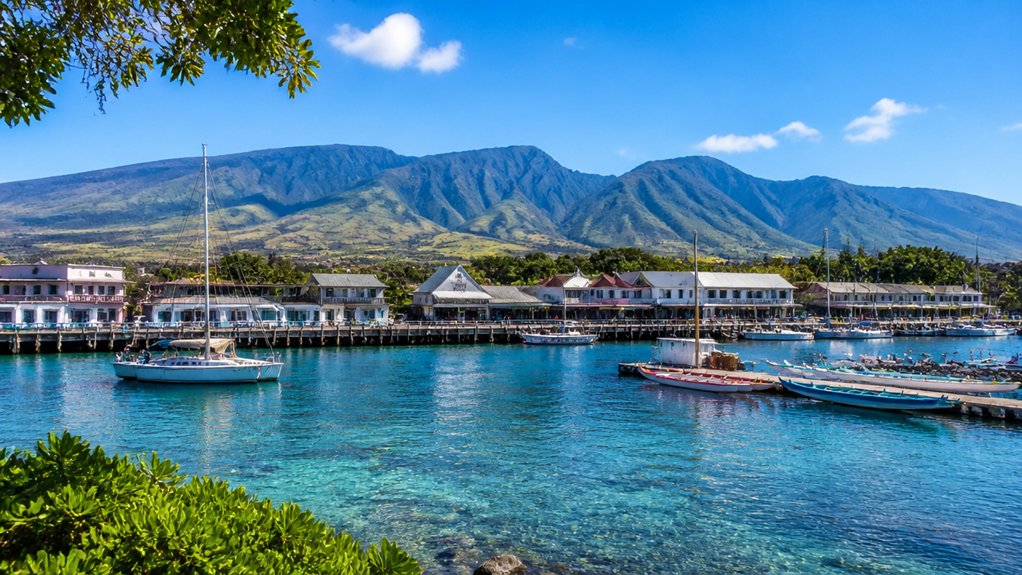
Your ship docks at Kahului on most calls, a working commercial harbour on the north shore rather than the resort coast. A few itineraries anchor off Lahaina instead and tender passengers in, but the old town centre there was badly damaged by wildfire, so check what has reopened before you go. From Kahului, Kaanapali and its beach access are roughly 45 minutes’ drive west, so plan transport before you arrive rather than expecting to walk anywhere useful.
The real choice comes down to whether you’re paying the cruise line for an excursion or sorting something out yourself. Ship-organised tours cost significantly more and shuffle large groups around at a slow pace. Consider booking guided excursions through an independent operator before departure instead; the better companies book up fast with cruise passengers and charge far less while actually delivering decent experiences.
The waterfront tourist strip works fine for an hour’s walk, but eating there will cost you heavily. Head two blocks inland and proper restaurants appear—places locals use with prices that don’t target tourists. That simple shift—ignoring the obvious and going slightly deeper—makes a port day substantially better than the standard experience.
Getting From the Port To Town
The Kahului pier sits in an industrial port area, and the walk into town along busy roads is neither pleasant nor quick. If you’re docking here with four or five hours ashore, arrange a taxi, hire car or tour pickup instead—the town centre itself is modest, and getting out to the beaches, Iao Valley or the west coast is straightforward by car.
From Kahului, you choose between a hire car, a cab ride or a tour pickup to reach Kaanapali on the west coast. A hire car works fine if you’re confident on unfamiliar roads; a cab costs money but gets you there faster when your time is tight. The resort shops at Kaanapali are the same ones you’ve already seen elsewhere.
Lahaina was badly damaged by wildfire, so don’t treat its main streets as somewhere to wander as you would in any other port town. Some businesses along the waterfront have reopened while other areas are fenced off for rebuilding, so check what is open before going and stick to places that are ready to welcome visitors. Wherever tourism concentrates on the island, the usual rule applies: head a couple of blocks back and prices drop.
Tour operators working with cruise passengers typically include transport for snorkel trips and the road to Hana as part of their package, so confirm this when you book. Independent companies arrange pickups at the pier, which removes logistics from your already compressed schedule. Book these well before arrival because the reliable operators fill quickly and usually offer better value than what the ship sells on deck.
The Must-Do Experience: Start Here
Most cruise passengers on Maui follow identical routines within the same narrow window, which means you’ll encounter queues everywhere unless you plan differently. The main attractions—snorkel trips to Molokini Crater and the road to Hana—require advance booking with independent operators rather than your ship, since the reliable companies fill quickly and charge substantially less than onboard options. Both activities demand forward planning, but the payoff is smaller groups, better prices, and genuine control over your experience.
For snorkelling, choose an operator running trips to Molokini Crater or West Maui reefs, preferably one offering transport from the pier so you avoid arranging your own logistics. Water clarity and marine life at these sites justify the effort to book ahead, and independent companies typically run leaner operations than cruise ship tours. Read reviews and check availability first; price should be secondary because the difference between a chaotic, overcrowded outing and a well-organised one often hinges entirely on which operator you select.
The road to Hana draws equally large crowds but allows more flexibility—you can join a guided tour or drive independently depending on your confidence and how much of your port day you want to spend on winding roads. Regardless of your choice, reserve spaces or vehicles in advance because cruise ships fill Maui’s visitor numbers entirely, and tour operators operate with this certainty. Structure your day by starting with water or road activities, breaking midday for lunch near wherever you are, then finishing with downtime before you return to the pier.
History Culture and the Top Sights
Lahaina functioned as Hawaii’s capital during the 1800s, but many of its colonial-era buildings were destroyed or badly damaged in the wildfire. If you go, spend your time and money at the waterfront shops and restaurants that have reopened rather than sightseeing through damaged areas. Support what’s open, respect fenced-off areas, and follow what locals ask of visitors.
The Lahaina Restoration Foundation’s museums were hit by the fire, so check whether they have reopened before building your day around them. For historical context, a local guide who knows the town’s story will give you more than a plaque would.
The massive spreading tree at Banyan Court survived the wildfire and has become a quiet gathering place and a symbol of Lahaina’s recovery. If you visit, treat it with respect rather than as another photo opportunity, and check what access is open on the day.
Independent walking tour operators run by locals provide substantially better storytelling than ship-organised excursions, explaining what made Maui historically significant beyond its current function as a cruise port. These guides cover Hawaiian cultural history with appropriate depth and accuracy rather than the compressed, edited version cruise companies deliver. Booking beforehand ensures you get someone who actually knows the material rather than simply reciting a script.
Beyond the Centre: Day Trips and Alternatives
Most cruise passengers stay close to the pier area, leaving the rest of Maui unexplored. The Road to Hana and Haleakala crater are technically accessible during your port hours, but reaching them independently demands more logistical effort than a ship excursion requires—though you’ll pay substantially more for that convenience.
Book an independent tour operator before your cruise if you want to see anything beyond the shops and restaurants. Reliable local guides fill their schedules with cruise passengers weeks in advance, and securing a spot online guarantees you won’t be stranded on port day. These operators cover more territory than ship tours, work with smaller groups, and stop based on what’s actually there rather than what fits their timetable.
The Road to Hana works better as a guided experience because the drive itself requires constant attention and the stops are what justify the journey. Driving it yourself means navigating unfamiliar roads while also hunting for places worth stopping—technically doable, but you’ll spend most of your time looking at maps instead of looking around. A driver who knows which viewpoints matter and which you can skip saves you substantial time.
If you’d rather not commit to the Hana road, Haleakala’s summit offers something genuinely different: you’re above the clouds at significant elevation, looking down at the landscape below. The summit is roughly 90 minutes to two hours’ drive from the Kahului pier, so an early morning departure matters, and it catches many cruise passengers unprepared. Either option serves you better than queuing for lunch back at the pier.
Shore Excursion or Going It Alone
Ship excursions charge substantially for what’s essentially a coach journey and guided walk, yet striking out entirely demands more preparation than your port time typically allows. Booking an independent operator weeks in advance offers better value, smaller groups, and actual local knowledge without the burden of car rental or working out public transport on the spot.
Ship excursions do provide genuine practical advantages: they’re coordinated, they depart reliably, and you’ll return to the pier with buffer time built in. If independent travel makes you anxious or you’re with young children, that certainty has a cost but still makes sense. The reality is moving through Maui on a fixed route with forty other passengers, stopping according to the schedule rather than your actual interests.
Independent tour operators outperform the cruise line across almost every dimension. They operate with six to twelve people instead of fifty, they understand which stops are worth your time and which aren’t, and they adjust plans if circumstances change—something the cruise company cannot do. During peak season these operators book solid weeks ahead, so securing a spot online before departure isn’t optional if you want reasonable quality.
Your choice hinges on how comfortable you are making decisions independently. If you’ve travelled solo before and you’re prepared to research properly, an independent guide gives you better value and a more authentic experience of Maui. If organising logistics drains your energy, the ship excursion removes all decision-making, though you’re paying a premium for that simplicity.
The Practical Details That Change Your Day in Maui
The Kahului pier is further from anything useful than it looks. Getting from the ship to town means walking through an industrial port area and along a busy road, and the resort coast is a long drive away. A hired driver or independent tour operator will get you where you want to go without wasted time and frustration.
The food and coffee near the cruise terminal costs more than anywhere else in town and the quality doesn’t justify the markup. Skip the first few blocks of shops and cafés entirely—they exist solely to extract money from passengers with limited options. Head inland where locals actually eat and you’ll pay normal prices for decent food.
The Queen Ka’ahumanu Center mall is close to the Kahului pier and easy to reach, but offers nothing you can’t find elsewhere. Your port time is limited and spending it in a shopping mall defeats the entire point of visiting Maui. Pass it by unless you’ve genuinely forgotten something essential.
Book any snorkelling or road-to-Hana tour independently before you board your ship. The quality operators get booked out quickly, particularly during busy seasons, and independent tours cost less while offering better experiences than the ship’s standard excursions. Contact operators directly or reserve online now rather than hoping something remains available when you arrive at port.
Your Port Day: A Sample Itinerary
Most cruise passengers spend their morning stuck in the queue to disembark, then grab coffee at whatever café is nearest. Instead, get off the ship early and head into town to the cafés where locals actually eat breakfast—the food is better, the prices are normal, and you won’t be crowded with other tour groups. You need proper fuel anyway because you’ll want energy for the rest of the day.
By mid-morning, choose based on what appeals to you. If you want water time, book a snorkelling tour with an independent operator before your cruise departs since the decent ones fill up quickly and charge less than the ship’s version. If you prefer inland exploration and can commit to a full day, arrange a Road to Hana tour yourself; it’s worth doing despite the drive.
For the afternoon, skip the Queen Ka’ahumanu Center mall entirely. Head to a beach or a café in town instead, find a restaurant that isn’t on the main tourist strip, and spend an hour just watching the water. Make sure you leave enough time to get back to the ship without rushing—moving at a slower pace is the whole point of being ashore.
Book your Maui day
Tours for this port, compare before you book
Getting around in port