Warnemunde Cruise Port Guide
Find authentic German fishing village charm and hidden local gems that cruise guides won’t tell you about.
In this guide
Try one free personalised day plan — built around your ship’s actual arrival and departure times. Then get every port on your cruise done the same way from £7.99 (about $10).
Cruise Port Overview: What To Expect
Warnemünde’s terminal is smaller than you’d expect, but the old town is genuinely walkable from the dock, which solves most of the usual port hassle before you’ve even left the building. Disembarkation happens in an orderly fashion, and within a reasonable timeframe you’re either heading into town or considering whether to pay ship prices for excursions you could book yourself. The port functions as an actual working harbour rather than a tourist construction—you’ll see fishing boats, industrial activity, and maritime operations happening around you, which means no staged welcome or manufactured atmosphere.
The absence of aggressive souvenir hawking at the terminal exit gives you actual space to think about what you want to do. This matters more than it sounds when you’re trying to get your bearings after several days at sea. The walk into the old town takes you through where local people live and work—cafés they actually use, shops selling things residents need—so you’re not dropped straight into a buffed-up tourist quarter.
Decide early whether you’re going independently or booking an organised tour of the region, because the better tours and activities of Berlin or the lakes sell out to cruise passengers quickly. Booking online in advance costs less and removes the stress of finding things full when you disembark. Staying local and moving slowly through Warnemünde works equally well if you’re not interested in chasing further afield.
Getting From the Port To Town
The walk from the terminal into town takes roughly ten minutes if you head straight out and follow the riverside path. The route is flat and clearly marked, so you won’t struggle with luggage or waste energy deciphering signs. By the time the old town‘s narrow streets begin, you’ll already be wondering why anyone pays for a shuttle.
A taxi rank operates outside the terminal building if you’re carrying heavy bags or physically unable to walk. The fares are reasonable, but the service solves a problem that doesn’t really exist given how close everything is. Most people find the walk straightforward enough that a taxi becomes an unnecessary expense.
Once inside the old town, every worthwhile spot is accessible on foot. The streets wind unpredictably, which means you might take wrong turns, but getting lost here is genuinely low-stakes and sometimes rewarding. You won’t need public transport to explore the centre itself.
Day trips to Berlin or the nearby lakes require advance planning, as these excursions sell out quickly among cruise passengers. Booking independently online before arrival gives you better rates and removes the gamble of availability. Ship-based tours to these destinations charge considerably more and offer nothing you can’t arrange yourself.
The Must-Do Experience: Start Here
The waterfront cafés and restaurants exist mainly because cruise passengers gather there, and they price their mediocre food accordingly for views that don’t justify the cost. One street back into the narrow lanes is where locals actually eat, and the value improves markedly with considerably less queue time.
Start at the harbour’s edge where fishing boats still unload their catch. This gives you a genuine sense of what the place actually does rather than what it performs for visitors, and the light works best in early hours when you’ll have space to yourself before crowds arrive.
Wander into the pedestrianised streets behind the promenade afterward. The architecture isn’t dramatic, just ordinary German seaside buildings that have simply lasted—no reconstructed “old town” theatre here. A local bakery for coffee and a pastry costs considerably less than waterfront establishments and tastes noticeably better than resort-standard fare.
History Culture and the Top Sights
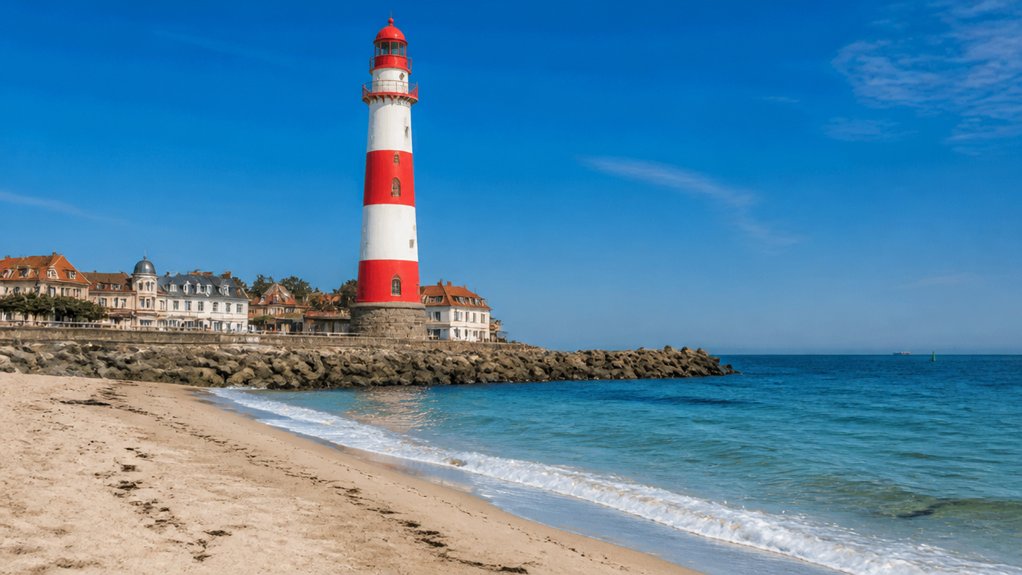
Warnemunde’s history is unremarkable, which means you won’t encounter the usual tourist infrastructure—no reconstructed medieval districts or artificial recreations designed to feel historic. What you get instead is a functioning fishing village on the Baltic coast with a lighthouse that has actually stood here since 1898, never rebuilt or retrofitted for social media.
Climbing the lighthouse is worthwhile if you’re capable of the stairs. The views across the harbour and Baltic shoreline justify the entrance charge, and you’ll experience relative solitude if you arrive early before cruise ship passengers flood through. The ascent is straightforward without being strenuous.
The real appeal of Warnemunde emerges through aimless wandering rather than systematic sightseeing. The streets behind the waterfront contain ordinary German residential buildings from the past hundred years—nothing extraordinary, but genuinely inhabited rather than preserved in aspic for visitors. A local museum covers fishing heritage with minimal showmanship, though it’s easily skipped if your time is limited.
Warnemunde actually functions best when you abandon the hunt for conventional attractions and instead position yourself where residents actually spend their time. The working harbour, the neighbourhood bakeries, the quiet passages between waves of cruise passengers—these details distinguish it from the standardised ports elsewhere on the Baltic coast. You’re not coming here for historical monuments; you’re coming here for somewhere that retains actual character rather than performing for transient visitors.
Beyond the Centre: Day Trips and Alternatives
Most cruise passengers stay at the waterfront, leaving the surrounding countryside genuinely quiet even when three ships are docked. The Baltic coast beyond the centre offers actual solitude while other passengers photograph the lighthouse. Rostock sits inland and provides proper German architecture without the cruise ship overlay.
The medieval old town in Rostock contains functioning market squares and local life rather than tourism staged for visitors. Getting there requires independent navigation instead of relying on ship excursions, which cost significantly more than the straightforward journey through ordinary towns warrants. You’ll see genuine day-to-day activity rather than packaged experiences.
The beach extends in both directions from the harbour with alternating sandy sections and grassy banks. The shoreline remains genuinely empty compared to Mediterranean ports, populated by local swimmers and dog walkers instead of vendor stalls. A quiet walk along the water takes minimal effort and costs nothing.
Forest paths immediately south of town connect to small villages where locals actually gather. Basic map-reading confidence helps with signposting, though the routes remain straightforward enough for independent navigation. Other cruise passengers rarely venture here, which removes the need to queue or share space.
Independent walking or cycling tours booked in advance offer better value than ship excursions and access to smaller groups. Popular operators fill quickly with cruise passengers, so booking online ahead of your arrival secures both lower costs and more manageable group sizes. This approach lets you cover more ground at a fraction of what organised tours charge.
Shore Excursion or Going It Alone
The cruise desk prices assume you won’t figure things out on your own, and they’re betting on it. Rostock’s old town and the beach are simple enough to navigate without paying for their markup, and you’ll save money doing it yourself.
Independent operators offer value when you want actual local knowledge without spending time on trial and error. A cycling tour through the forest villages or a walking route through the medieval streets costs less than the ship’s offering, comes with smaller groups, and gives you more control over your pace. These tours fill quickly, so booking online before you arrive secures both a better rate and a guaranteed spot.
Going solo works if you’re comfortable with basic navigation and accept that poor planning might mean missing worthwhile spots. The town centre and beach don’t require much thought, but an independent tour booked in advance removes that risk—you know where you’re going and have someone who can answer questions beyond what a map shows. Popular operators sell out, so sorting this online before your port day protects your wallet and your schedule.
The real choice is between structure with a knowledgeable person or the freedom to wander without one. Either way, booking independently before you arrive costs less and gives you more control over how your time gets spent.
What Most Warnemunde Guides Get Wrong
Warnemünde’s pier extends into the sea as a concrete structure, and the town surrounding it profits from cruise passengers not knowing what’s actually worth their time. The seafront promenade is designed for spending—cafés and shops charge at least fifty percent more than inland prices, and the beach itself, though adequate, becomes crowded between mid-morning and early afternoon.
Rostock’s medieval centre sits a short S-Bahn ride inland, where you’ll find genuine architecture and actual local life, and exploring it costs nothing. Most cruise passengers stay on the beach strip, which means the narrow cobbled streets and proper restaurants remain relatively quiet if you head there early.
Fresh fish and proper coffee near the harbour are your only worthwhile purchases before heading elsewhere—eat where locals queue rather than where menus display photographs. From there you have options that don’t feel like processing through a tourist operation.
Booking a guided cycling or walking tour through forest villages or medieval quarters before arrival gives you considerably less touristy experiences than the ship’s offerings. Smaller independent operators run groups at reasonable paces and you’ll actually learn something, though popular tours for cruise passengers sell out weeks ahead, so booking online protects both your money and your place. Without advance planning, you’ll waste your first hour figuring out where to go, which matters when you have perhaps eight hours ashore.
Your Port Day: A Sample Itinerary
Most cruise passengers waste their port day by treating the pier as the real starting point, when your actual first decision needs to happen before you step off the ship. Decide whether you want to cycle through forest villages or explore Rostock’s medieval streets, then book this activity in advance because spots fill quickly and you’ll pay less than the ship’s desk charges.
Take the S-Bahn from Warnemünde station to Rostock’s cobbled centre rather than settling into a seafront café. The Marienkirche and proper local restaurants serving reasonable food sit past the waterfront, and arriving early means you’ll navigate the narrow streets before the other cruise passengers arrive. This trip takes you away from the tourist areas and needs no advance reservations.
Spend your morning in the medieval quarter without any schedule pressing you. Duck into courtyards, stop for coffee where locals actually sit, and pay attention to the architectural details because nobody’s rushing you and there’s no entrance fee eating into your budget. By late morning, take the S-Bahn back to Warnemünde for fresh fish near the water’s edge, then return to the ship in early afternoon.
If you’ve booked a cycling or walking tour through the surrounding forest villages beforehand, this becomes your main activity instead of wandering town. These tours genuinely fill up for cruise passengers, so booking online weeks ahead secures your place and gives you better value than waiting for the ship’s offers. Spending your entire port day on the beach promenade watching other tourists spend money defeats the purpose of visiting Germany altogether.
Book your Warnemunde day
Tours for this port, compare before you book
Getting around in port
✈️ Before you sail: eSIM, insurance, luggage, flight delays
Ships In Warnemunde
Upcoming calls from our sailings tracker, updated regularly.
Norwegian Sun
Norwegian Cruise LineThu 8 Oct
⚓ 07:30–21:30
Sky Princess
Princess CruisesWed 28 Apr
⚓ 08:00–22:00
ms Rotterdam
Holland AmericaThu 13 May
⚓ 06:00–21:00
MSC Magnifica
MSC CruisesMon 17 May
⚓ 07:00–17:00
Regal Princess
Princess CruisesSun 23 May
⚓ 08:00–22:00
MSC Magnifica
MSC CruisesThu 27 May
⚓ 07:00–17:00