Szczecin Cruise Port Guide
How can you experience Szczecin like a local instead of following generic cruise ship tours?
In this guide
Try one free personalised day plan — built around your ship’s actual arrival and departure times. Then get every port on your cruise done the same way from £7.99 (about $10).
Cruise Port Overview: What To Expect
The terminal building itself occupies the Oder riverfront and doesn’t pretend to be anything other than functional—modern, clearly signposted, staffed by people used to processing cruise passengers. Basic facilities exist here, but there’s no reason to spend time in the building itself once you’ve disembarked.
The old town lies inland and the walk there is direct, safe, and takes you alongside the river through progressively more interesting surroundings until you reach the Castle of the Pomeranian Dukes. Taxis wait outside if you’re carrying luggage or travelling with people who can’t manage the walk, though they’re otherwise unnecessary.
Szczecin doesn’t overwhelm with cruise crowds, which means you can actually navigate the streets and eat without queuing for tables. The restaurants away from the immediate waterfront charge reasonable prices, and the castle, museums and riverside are genuinely worth spending time on if you’re willing to move at a steady pace rather than rushing through a checklist.
Getting From the Port To Town
Walking into town works best unless you’re with older people or carrying a lot of luggage. The riverfront route gives you an actual arrival experience rather than sitting in a taxi queue watching other passengers drift past.
The walk is safe and lit properly, taking a reasonable amount of time at normal speed. You move past industrial riverside areas into increasingly residential streets until the old town materialises gradually ahead—it’s not a sudden switch but a progressive shift that actually helps you understand how the city’s organised.
Taxis queue outside the terminal and cost reasonably little for a short journey into the centre. If you’re managing heavy bags or travelling with young children, taking one beats dragging luggage across cobblestones, and drivers know cruise passengers well enough that language rarely causes problems.
Four or more people splitting a taxi works out cheaper per person than individual fares. Otherwise, walking separates people who actually see Szczecin from those who rush through like anywhere else. You’ll pass locals going about their day, notice where people actually eat and drink, and reach the old town with time left rather than already worried about getting back.
The Must-Do Experience: Start Here
Most visitors to Szczecin waste their port day wandering aimlessly, which in a city this size means covering the same streets twice. Your real advantage is spending the morning on the Oder River itself—that’s where the city’s actual function becomes clear, and where you’ll grasp why Szczecin matters at all.
Book a river tour through an independent operator rather than joining whatever group forms at the terminal. You’ll pay less, spend less time standing around, and see the maritime infrastructure that actually built this place instead of a sanitised version designed for ship passengers. The waterfront shows you how the city connects to itself before you need to navigate the old town on foot.
Walking back into town from the river follows the geography rather than fighting it, which means you’re not randomly checking street names or retracing your steps. By late morning you’re already in the old town proper, hungry, and ready to eat somewhere that isn’t positioned directly for tourists. Consider purchasing a local eSIM data plan so you can navigate confidently and access restaurant recommendations without relying on ship WiFi or costly roaming charges. This approach leaves you with a working knowledge of where things are and how Szczecin actually functions.
History Culture and the Top Sights
Szczecin’s layout exists because of the Oder River—without it, there would be no castle, no cathedral, and no reason for anyone to have fought over this place. You’re dealing with centuries of Poland, Prussia, and Sweden all claiming territory here, which means the architecture doesn’t pretend to be one unified thing. That mixed character is actually more useful to understanding the city than the carefully reconstructed medieval towns you see elsewhere.
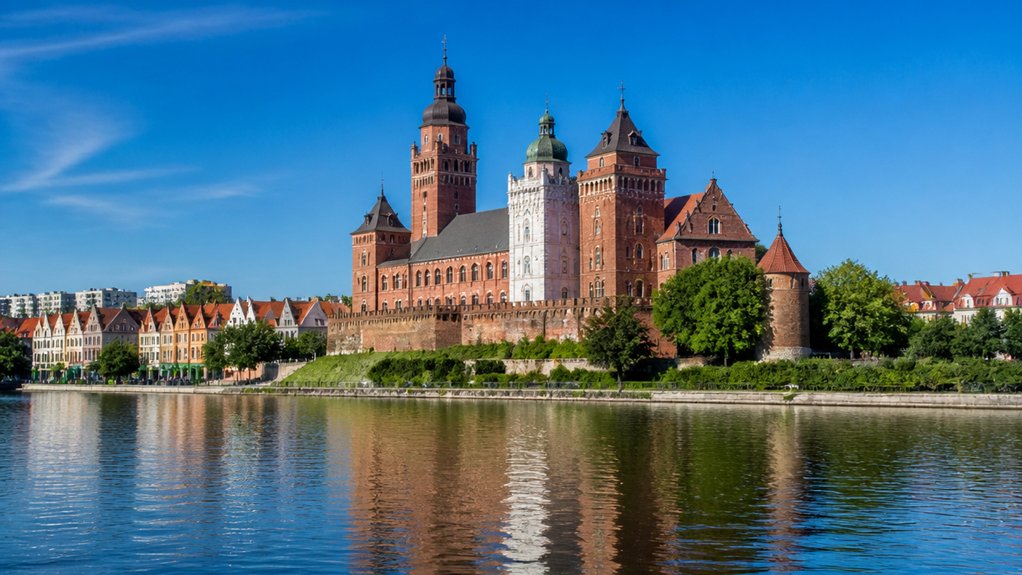
The Castle of the Pomeranian Dukes sits heavy on the skyline because it mattered. Walking through the courtyard shows you the scale of the place and why various powers wanted to hold it, though the interior doesn’t compensate for the effort if you’re short on time. The cathedral across the square works better as something you photograph from outside than inside, but going in reveals the visible repairs from wartime bombing—the city was flattened and rebuilt, and you can see where.
The National Museum justifies spending an hour there. The Polish art section is less interesting than the archaeological pieces and period rooms that actually show what daily life looked like across different centuries. The café and postcard section aren’t worth your money.
The old town market square fills with tourist stalls by late morning, so don’t assume crowds mean you’ve found something authentic. The side streets—particularly Św. Jakuba and the lanes behind the cathedral—have actual cafés where locals eat, serving proper Polish food at prices that match what residents pay rather than what ships’ passengers are expected to hand over. Those prices tell you everything about where value actually sits.
Beyond the Centre: Day Trips and Alternatives
Most cruise passengers stay within the harbour area, which leaves the actual city largely unvisited if you’re prepared to walk inland. The neighbourhoods past the old town contain ordinary Poland—regular streets, functioning markets, residential parks—rather than the tourist reconstruction everyone photographs.
A German engineering site holds appeal for those interested in wartime rocket development and its consequences. Getting there requires arranging your own transport rather than booking through the ship, but you’ll skip the queues and avoid paying inflated group rates. Hiring a private guide beforehand through local platforms costs less and provides straightforward information instead of watered-down versions.
The Oder Valley to the south works differently. If countryside interests you more than industrial sites, exploring along the river beats sitting in a coach with dozens of other cruise passengers paying triple what locals pay. Local operators arrange walking routes and cycling trips, though these fill quickly during season—booking online before arrival ensures you get a place.
Wolin National Park on the Baltic coast, near Międzyzdroje, suits families, with its European bison enclosure and cliff-top walks. Book independently of your ship rather than through their desk. You’ll pay significantly less and actually see the location instead of spending half your time in queues with other cruise groups.
Shore Excursion or Going It Alone
The ship’s excursion desk prices things to make independent booking look cheap, which is exactly their calculation—they assume you won’t organise it yourself. The actual situation is simpler: booking directly with local operators costs substantially less, gives you control over your schedule, and sends money to people in the place you’re visiting rather than to a cruise company.
Your first choice is whether you want someone explaining things as you go or whether you’d rather wander without a script. If you don’t speak Polish and want genuine context, a private guide arranged beforehand through local platforms undercuts the ship’s package considerably and actually knows the subject rather than reciting lines to forty people on a fixed schedule. For places like the Oder Valley or Wolin National Park, booking independent operators online before you arrive is practical—the good ones do fill up, and you secure your spot while the ship’s desk is still processing paperwork.
Going it alone works if you’re comfortable finding your way around without constant reassurance. The harbour is a straightforward walk into the centre, and from there local transport or your feet gets you to most places worth seeing. The city won’t confuse you or trap you anywhere you didn’t mean to be. You can book tours directly with local operators to supplement your independent exploration while maintaining control over your itinerary.
Independence offers more than just lower costs—it means your day follows your interests rather than a schedule. You stop when something catches your attention instead of staying with a group. You eat at places locals actually use instead of restaurants your guide was encouraged to recommend. That freedom matters more than the small amount of planning you need to do beforehand.
Szczecin Notes the Excursion Desk Skips
The cruise terminal staff won’t mention that the city centre is genuinely walkable from the harbour, which means you’re paying for convenience you don’t need. Most ship excursions run you through the National Museum and St James’s Cathedral on autopilot—perfectly decent places, but you’ll see them alongside thirty other passengers and a guide speaking into a microphone. If those sites interest you, book a small-group walking tour through a local operator beforehand; you’ll pay considerably less, move at your own pace, and actually hear what you’re looking at instead of competing for the guide’s attention.
The real advantage is timing. Szczecin’s old town gets noticeably quieter by mid-afternoon once the tour groups disperse, which means wandering the Pomeranian Dukes’ Castle or exploring the side streets around Szczecin Philharmonic feels almost like having the place to yourself. The riverfront cafés along the Oder are aggressively touristy on the main strip, but step one street back and you’ll find places where locals drink coffee and the bill won’t make you wince.
One practical point: bring cash. Card machines work fine in restaurants and shops, but small museums, market stalls, and independent operators often prefer it, and you’ll find the occasional place where cards simply aren’t an option. The city doesn’t surprise you with hidden costs the way some ports do—it’s straightforward and honest—but you’ll have a smoother day if you’ve withdrawn funds at the harbour before heading into town.
Your Port Day: A Sample Itinerary
Get off the ship within the first hour and you’ll walk through the old town when it’s actually quiet. The Pomeranian Dukes’ Castle sits where everything converges, so head there straight from the harbour and spend an hour moving through the courtyards and cathedral without fighting through the mid-morning press. Your bearings sorted, you know where the rest of the day goes.
By late morning, drift through the side streets near the Philharmonic where smaller museums sit and the neighbourhood functions as somewhere people actually live. This is where you see what Szczecin is rather than what it performs for visitors, and it costs nothing. A café one street back from the Oder riverfront will feed you properly and cheaper than anywhere near the water.
The afternoon needs a small-group walking tour booked before you sail—the reliable operators take cruise passengers and fill fast, so claim your spot online or you’ll find yourself either shut out or herded into a thirty-person group. These tours run a couple of hours at a pace your legs can manage, guided by people who know what they’re talking about rather than reading from a script. Your guide will explain the riverside buildings and industrial history as you actually move through the space.
Walk back through the old town as the light fades and you’ll notice how the place changes when fewer people are moving through it. Late afternoon reveals something about how Szczecin works when it’s not performing for tourists. The city feels more settled, which is why locals simply stay put instead of chasing somewhere else.
Book your Szczecin day
Tours for this port, compare before you book
Getting around in port