Guayaquil Cruise Port Guide
Overlooking the Río Guayas, Guayaquil’s cruise port offers vibrant colonial neighborhoods and museums—but is navigating it safely possible?
In this guide
Try one free personalised day plan — built around your ship’s actual arrival and departure times. Then get every port on your cruise done the same way from £7.99 (about $10).
Cruise Port Overview: What To Expect
The terminal sits directly on the Río Guayas, which deposits you into the city proper rather than some outlying industrial zone. This proximity to central Guayaquil is genuinely useful if you plan to explore on foot, though it requires realistic expectations about what surrounds the port. The terminal itself is functional—money changers, basic cafés, a tourism desk—but nothing beyond what you’d find in any working port facility.
The area immediately outside the terminal gates is unsafe for casual wandering. Security guards and police presence aren’t decorative; they’re there because petty theft and mugging happen regularly. Solo exploration of unfamiliar streets is a genuine risk, not theoretical scaremongering, so your choices boil down to either arranging a guide beforehand or taking a registered taxi to a specific destination rather than improvising.
If you commit to planning ahead, the city has legitimate things to see. Las Peñas in the historic centre, the Malecón 2000 waterfront, and various museums offer concrete reasons to leave the port. Shore excursions to nature reserves or indigenous communities outside the city tend to be worthwhile, and booking these online before arrival costs significantly less than purchasing them through your ship’s excursion desk. Your window ashore is narrow, so decide early whether you’ll stay local or commit to a full-day structured tour that includes transport and a proper guide—either way, booking ahead prevents the frustration of discovering your preferred option is already full by the time you dock.
Getting From the Port To Town
Guayaquil’s port sits too far from the city centre to walk, and the streets between them aren’t safe for solo wandering anyway, so your transport becomes a practical necessity rather than a choice. Registered taxis queue outside the terminal gates without meters, which means you negotiate a fare before getting in rather than after, avoiding the argument at destination. Your driver likely won’t speak English, so writing your address on paper works better than attempting conversation.
The tourism desk inside the terminal can arrange a driver if the taxi queue bothers you, though you’ll pay extra for this convenience. If you’d rather avoid negotiating fares altogether, pre-booking a private guide or structured tour before your ship arrives removes the entire problem. Independent operators pick you up directly from the port, handle navigation, and typically cost less than your cruise line’s excursion desk while giving you actual flexibility over what you see and when. Professional drivers from established transfer services provide reliable alternatives to street taxis and ensure seamless journeys between the port and your chosen destination.
These tours fill up fast during cruise days, so booking online beforehand secures your spot and locks in better rates than deciding on the dock. If you’re going alone with a taxi, head directly to either the Malecón 2000 waterfront or Las Peñas rather than wandering randomly through unfamiliar streets. The waterfront is the safest area for solo exploration, though it’s packed with tourists and lacks the texture of anywhere else in the city.
Leave the port with a specific destination written down and a clear plan for returning to your ship. Guayaquil works for visitors who organise themselves beforehand but creates problems for those who improvise once they’re ashore.
The Must-Do Experience: Start Here
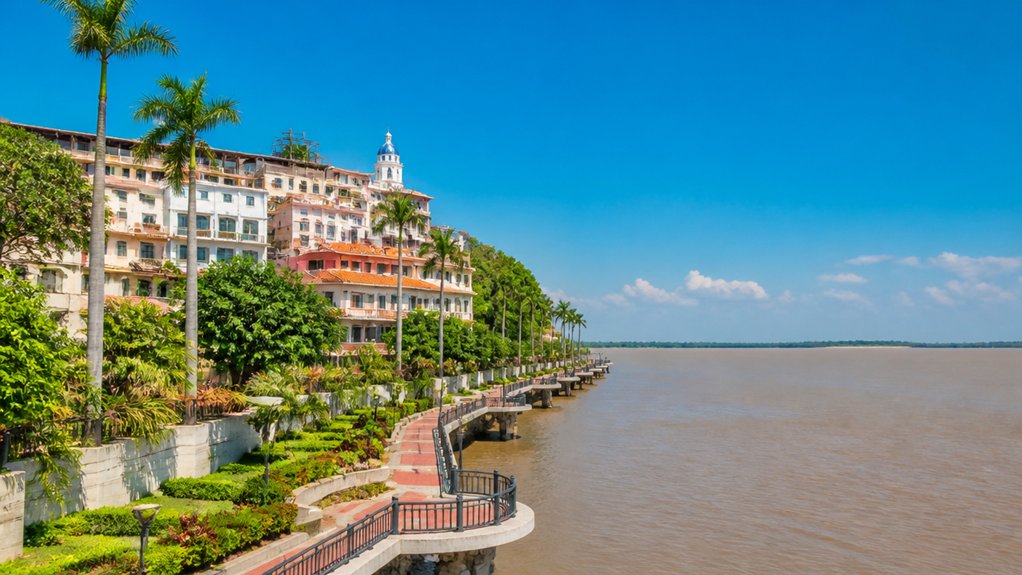
Malecón 2000 works as a waterfront promenade because it’s safe and well-maintained, which is exactly why most cruise passengers never see the actual city. You’ll find pleasant cafés and manicured walkways, but this is Guayaquil dressed for visitors rather than Guayaquil as it functions day to day.
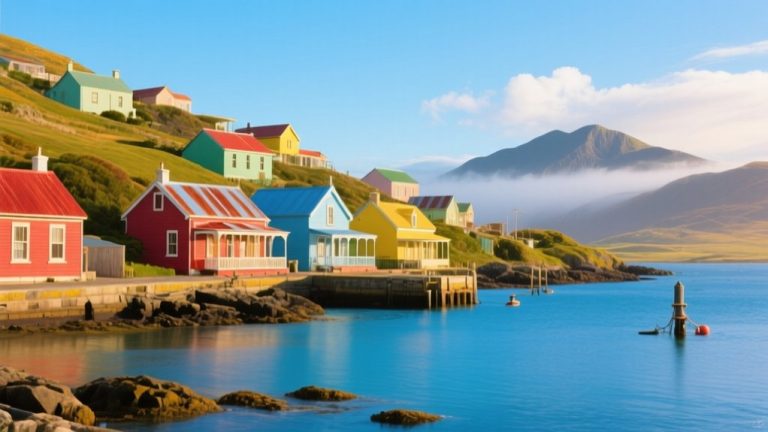
Las Peñas sits just beyond the waterfront on a hillside and operates entirely differently from the promenade zone. Fading colonial buildings in yellows and blues line narrow streets where local cafés serve people who live there rather than pass through. This neighbourhood shows you how the city actually works instead of how it’s been arranged for your benefit.
The walk between Malecón 2000 and Las Peñas takes minimal time, so the logistics don’t justify staying in one place. Guided walks through Las Peñas are cheaper than cruise line alternatives and explain what you’re seeing rather than simply marking it as a photo location. Book these in advance through online platforms because cruise passengers fill them quickly and early bookings often cost less than arrangements made from the dock.
Spend your morning in Las Peñas and make the climb to Cerro Santa Ana for an actual understanding of how the city is laid out and why it developed as it did. You’ll have a concrete sense of Guayaquil’s geography and history rather than another café experience along the water. If you return to Malecón 2000 afterward, you’ll do so having genuinely understood the place instead of simply visited it.
History Culture and the Top Sights
Guayaquil’s museums document a city shaped by constant reconstruction, both physical and financial. This explains the landscape you’ll encounter: neighbourhoods that look recently built sitting alongside areas that appear deliberately left behind.
The Museo Antropológico holds Ecuador’s most significant pre-Columbian collection and answers questions about the region you won’t resolve elsewhere. It sits at the north end of the Malecón 2000, yet fewer cruise passengers go inside than you might expect, which changes how you actually experience it. You move through galleries without crowds pushing past, so you absorb what you’re seeing rather than simply record it on your phone.
The Museo del Banco Central del Ecuador operates in a more contemporary building and covers the country’s colonial and republican periods. Both function as serious institutions rather than tourist venues, so expect Spanish-language information with minimal English captions. This matters less than it sounds because the visual material tells most of the narrative regardless of language.
Local guides who know Guayaquil’s history can walk you through Las Peñas and up to Cerro Santa Ana while explaining how the city developed its relationship with water, commerce, and basic survival. These arrangements cost less than the cruise company’s organised tours and involve an actual conversation instead of rehearsed commentary. Book through established local platforms rather than waiting until you reach the dock, since the better time slots fill with other cruise passengers, and advance bookings typically offer better rates than last-minute arrangements.
Beyond the Centre: Day Trips and Alternatives
Most cruise passengers stay at the waterfront, which means actual Guayaquil starts just inland from where your ship ties up. Different neighbourhoods have entirely different characters, and your time ashore becomes substantially more useful once you’re willing to move away from the obvious tourist zones.
The cruise line’s organised day trips to nearby reserves and towns follow the same routes everyone else takes, and you’ll pay premium rates for it. You’ll spend more money than necessary and spend your day with dozens of other passengers from your ship doing exactly the same thing. Independent local guides or small-group tours you arrange beforehand cost less and take you to places the commercial operators haven’t packaged for international visitors.
Good tours book up quickly when cruise ships are in port, so arrange them before you leave home rather than hoping something’s available when you walk off the gangway. Public transport functions well enough if you’re willing to figure out how it works, though hiring a private driver for a few hours gives you genuine value and eliminates the stress of learning an unfamiliar system when you’ve only got a handful of hours. You control where you stop and how long you stay instead of being locked into a predetermined schedule with forty other people.
The real benefit of booking ahead isn’t just cheaper rates—it’s knowing your day is actually organised. When you’ve sorted your transport and guide before stepping off the ship, you can move through your time ashore with real direction rather than wasting your first hour hunting for options. Local operators who know their city can tell you which museums have manageable crowds at particular times and which neighbourhoods are worth exploring without a tour leader waving a flag.
Shore Excursion or Going It Alone
The ship excursion desk will sell you a four-hour coach tour to a nearby wildlife reserve at double the rate you’d pay booking directly with the operator. You’ll spend significant time on the coach itself, be grouped with forty other passengers from your ship, and arrive at a destination already saturated with other tour groups on identical schedules. The wildlife exists and is worth seeing, but your experience of it gets filtered through crowds and time pressure you’ve paid extra to experience.
Going it alone works only if you’re genuinely comfortable navigating an unfamiliar city with limited Spanish and a compressed schedule. Guayaquil’s public transport is cheap and reasonably organised, but you’ll lose valuable hours figuring out routes and stops instead of actually experiencing anything. Unless you arrive with a specific plan already researched and booked, you’ll end up drifting between the waterfront tourist strip and overpriced restaurants serving mediocre food to cruise passengers.
The practical middle ground is booking an independent guide or small-group tour before you leave home. You’ll pay considerably less than the ship’s package, travel with six or eight people instead of forty, and work with someone who actually knows which areas are worth your time and which attractions are genuinely interesting rather than simply convenient. Popular tours fill quickly once cruise ships start arriving, so booking online in advance genuinely matters—the best guides take reservations weeks ahead and stop accepting walk-ups by mid-morning. You get a proper day ashore instead of a hurried tick-box exercise, and that difference is worth the small effort of arranging it beforehand.
Guayaquil Notes the Excursion Desk Skips
Guayaquil gets marketed as the Pearl of the Pacific, though what makes it worth your time has nothing to do with the waterfront postcards. The actual food, actual people, and anything approaching actual life happen in neighbourhoods the cruise terminal actively discourages you from visiting because they’re marginally harder to reach from the dock.
Timing matters more than anything else. Go into the city centre or Las Peñas before mid-morning when the tender boat crowds are still clustered near the port, then you’ll have reasonable space to move around by early afternoon once everyone’s been herded back. The Malecón 2000 waterfront is fine enough, but the cost of eating and drinking increases proportionally the nearer you stay to the cruise terminal—walk inland and you’ll pay half as much for the same food.
The security situation doesn’t warrant the vague warnings in cruise literature, though it does require ordinary common sense. Don’t walk alone with a camera swinging round your neck or a backpack announcing you’re a tourist, stay where other people are during daylight, keep your phone away, and skip the obvious jewellery display. The places actually worth seeing—the old town, Las Peñas with its colonial architecture—function perfectly safely during business hours.
Booking an independent walking tour with a local guide before you sail accomplishes more than any other single choice. They know what changed this week, where the restaurants people actually eat at operate, and which attractions exist purely to extract money from cruise passengers.
Your Port Day: A Sample Itinerary
Most port days follow the same pattern: you queue at dawn, shuffle through tourist shops by midday, and rush back to the ship as afternoon sets in. Reversing this rhythm works better.
Start in Las Peñas before the tour groups arrive. The colonial buildings on the steep cobbled streets actually function as a neighbourhood at this hour, and the local bakeries on Calle Numa Pompilio Llona serve proper coffee instead of the diluted versions sold near the terminal. Spend your early morning wandering here, then head downhill toward the Malecón 2000 as the first organised groups begin to filter through—you’ll have seen the actual city before the cruise passengers crowd it.
Move into the old town around Calle Chile for breakfast or lunch. The family-run restaurants here cost considerably less than the waterfront places, and the food is genuine rather than designed for passing trade. Avoid the Malecón’s chain outlets; they’re mediocre and expensive.
Hire an independent local guide for the afternoon—book this before your port day since these slots fill quickly. A proper guide takes you to the archaeological museum or Parque Histórico depending on your interests rather than cycling you through souvenir stalls. You’ll actually understand something about the place instead of leaving with snapshots and nothing else.
Aim to be back at the tender in late afternoon, but leave yourself a buffer. The queues grow thick as people panic about missing the last boats, and arriving stressed defeats the purpose of going ashore.
Book your Guayaquil day
Tours for this port, compare before you book
Getting around in port