Falmouth Antigua Cruise Port Guide
Want to skip overpriced ship excursions and discover Antigua’s hidden gems while saving hundreds—but where do you even start?
In this guide
Try one free personalised day plan — built around your ship’s actual arrival and departure times. Then get every port on your cruise done the same way from £7.99 (about $10).
Cruise Port Overview: What to Expect
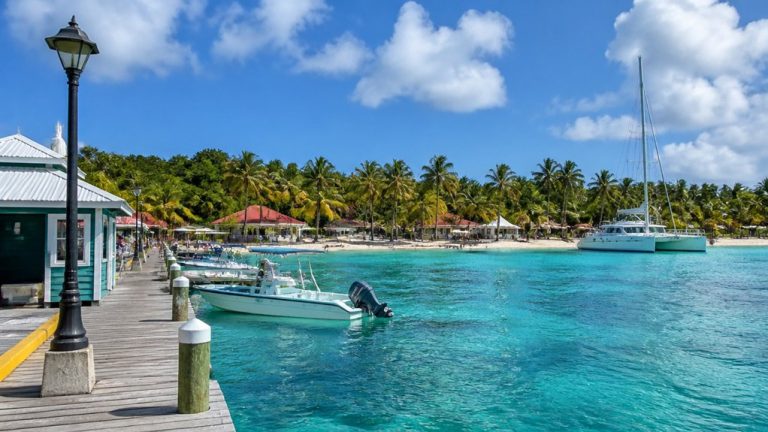
Falmouth Harbour takes only small ships, which anchor in the bay and tender passengers ashore among the yachts. There’s no big cruise terminal here, and that works in your favour: Nelson’s Dockyard is about a ten-minute walk from where the tenders land, and Pigeon Beach is within walking distance too, so you don’t need a taxi to reach the best of the area.
The ship’s excursions are expensive relative to what you’re actually getting. Independent taxis and ride services charge significantly less to reach Falmouth town or local beaches, though the popular independent tours book out quickly whenever ships dock. Booking your transport or tour online before arrival is the practical move—it costs less and guarantees you won’t spend your shore time searching for availability.
English Harbour and Nelson’s Dockyard are the main attractions in the area, and they’re a short walk from where the tenders land. If you’re comfortable finding your way around, this works well; if you prefer someone else handling logistics and explanation, an independent guided tour booked in advance is the sensible choice.
Getting From the Port to Town
The taxi queue at Falmouth pier runs on an honour system, which works until three hundred other passengers arrive competing for the same drivers. Arranging private transport before you leave home costs considerably less than hailing a cab at the terminal and removes the uncertainty from your morning. Your driver will be waiting when you disembark rather than forcing you to negotiate with whoever’s nearest.
The public minibus service from the port into Falmouth town runs regularly and charges a fraction of taxi fares. Buses fill quickly when ships dock and they’re cramped and slow, but they function perfectly adequately if you want affordable transport and don’t object to standing room. You’ll spend less money this way, though you’ll sacrifice comfort and speed in exchange.
English Harbour and Nelson’s Dockyard—the actual reason most people come ashore—are within walking distance, though a private driver or a guided tour booked before you arrive adds the history. Independent tour operators offer better value than the cruise line’s excursions and actually explain the history rather than simply shuttling you between port and beach. Tours book out fast once cruise schedules go public, so reserving your spot early isn’t optional if you want structured activity rather than wasted hours waiting for ship excursions to depart. Booking guided excursions through reputable platforms helps ensure you secure the best experiences before your arrival.
The taxis positioned near the terminal entrance offer deals that sound reasonable but cost more than either option above, regardless of how friendly the drivers appear. Their pricing is higher because they bank on passenger confusion and time pressure rather than competition from other services. Ignore them and use one of the alternatives instead.
The Must-Do Experience: Start Here
English Harbour is the actual reason to get off the ship, and it’s worth skipping whatever beach the cruise line is pushing. Most passengers never leave Falmouth town because the ship’s excursions take forever to organize and then dump you at a mediocre stretch of sand that could exist anywhere.
Book an independent guided tour of Nelson’s Dockyard before you leave home—these outfits run on proper schedules that won’t consume your entire port day and cost less than what the cruise line charges. The best guides fill their slots weeks in advance once cruise schedules go public, so waiting until you’re onboard means missing out. You need someone who actually knows the Dockyard’s history rather than someone reading facts off a laminated card.
The Dockyard itself works because it is still a working yacht harbour rather than a theme park, even though the naval establishment closed long ago. Real craftspeople and sailors move through the grounds doing real work, and your guide will explain why this place mattered to the Royal Navy and why it still operates as a working harbour for yachts instead of a museum with the good bits roped off. Consider purchasing a local eSIM data plan before arrival so you can access maps and historical information independently throughout your visit.
Wear proper shoes because the walk involves hills and uneven surfaces—flip-flops only work at the beach you’re deliberately avoiding. Arrive early and spend your first hour there before the midday heat becomes oppressive and the cruise ship tours finally show up. This is when you’ll have the place mostly to yourself and it will actually make sense to you.
History Culture and the Top Sights
Antigua’s colonial past remains visibly present rather than packaged away, which means the history you encounter here carries genuine weight. The island was built on slavery and the naval infrastructure supporting it—Nelson’s Dockyard exists because Britain needed a military stronghold to protect its sugar wealth, and understanding that context changes how you move through those grounds.
St. John’s Cathedral, across the island in the capital, was built in the 1840s on a site used for worship since the 17th century, and its pitch-pine interior is worth examining, but expect crowds on port days since it sits near the St. John’s cruise terminal, which draws hundreds of passengers at once. The neighbourhood fills quickly when big ships are docked there, so timing matters if you want any space to look around.
Fort Berkeley sits on a narrow point at the mouth of English Harbour and gives you proper views without the visitor infrastructure of the Dockyard. You’ll walk through genuine ruins rather than preserved exhibits, which means navigating crumbling walls and finding actual quiet. Most cruise passengers skip it because it requires independent travel and more effort, which is precisely why it’s worth your time.
Independent historical walking tours through English Harbour and the Dockyard area provide the actual story rather than a condensed version. These guides understand which buildings matter and why, and they cost considerably less than anything the cruise line arranges. Book ahead online once you know your port date, since the reputable operators fill up quickly and you’ll secure someone genuinely knowledgeable rather than whoever happens to be available.
Beyond the Centre: Day Trips and Alternatives
Antigua spreads well beyond the terminal, and independent travel actually makes sense here because the worthwhile places require effort to reach. Most cruise passengers stay within two miles of the dock, which means leaving that zone gives you access to what the island actually contains rather than what’s been packaged for ships.
Renting a car or hiring a driver lets you reach places the port excursion crowds never visit. Fort James sits on the far side of the island near St. John’s, while English Harbour and Nelson’s Dockyard are right on your doorstep. The drive itself teaches you how Antigua functions—you pass through local neighbourhoods, grasp the island’s real geography, and understand why most ship passengers never venture beyond the immediate tourist zone.
Swimming near Falmouth Harbour itself isn’t your best option, but independent boat operators run regular trips to nearby coves and reefs where the water clarity improves noticeably. These trips book up quickly during heavy cruise days, so reserving online in advance guarantees your place and costs less than what the ship charges for comparable excursions.
Walking tours into the neighbourhoods surrounding St. John’s centre provide genuine context without the tourist density at the Cathedral. Local guides point out colonial buildings that survive because people actually live with them rather than because preservation committees protect them, and most tours adjust their schedules to match your ship’s timeline.
Shore Excursion or Going It Alone
The ship’s excursion desk charges significantly more than what you’d pay arranging things yourself, though they offer the benefit of guaranteed timing and someone else handling the logistics. If you’re willing to organise independently and your ship stays in port for a reasonable stretch, booking directly with local operators makes financial sense. You’ll pay a fraction of what the cruise line charges for boat trips or guided walks, and you can stay out as long as conditions allow instead of rushing back to meet the ship’s schedule.
The trade-off is that you’re entirely responsible for getting back on time and managing what happens if plans go sideways. Booking in advance with local providers before you arrive typically gets you better rates and smaller group sizes, which fills up quickly during cruise days. Your actual decision hinges on whether you value paying extra for the convenience of having the ship handle everything, or whether you’d rather spend time arranging your own plans.
Ship excursions only make practical sense if you’re anxious about going out alone, travelling without companions, or if you genuinely need the certainty of scheduled return times. Most people who skip the cruise desk and book ahead report spending less money and enjoying their time more, which speaks volumes about how cruise lines price their offerings. To further reduce expenses while exploring independently, consider purchasing a local eSIM data plan to avoid roaming charges on your phone during shore time. Being honest with yourself about your confidence level and how much planning you’re willing to do prevents disappointment and wasted money at the terminal.
Local Knowledge Worth Having Before You Dock
Falmouth Harbour has no large cruise terminal, just a small tender landing among the yachts, so there’s little in the way of retail outlets to tempt you. The ship’s information desk staff are helpful enough, but their recommendations rarely venture beyond the obvious resort beaches, which means you’ll see only what’s been approved for cruise passengers rather than what locals actually value about the place.
Book your taxi directly with a driver at the tender landing instead of going through the desk, and you’ll pay less while getting someone who knows where to actually eat rather than where commission rates are highest. Negotiate your fare upfront and ask where they’d take their own family for lunch, and you’ve essentially hired a local guide without paying guide prices. Skip the vendor stalls clustered near the ship; real food happens on the quieter inland streets where your money goes further and the cooking is better.
For water activities, arrange your boat trip or snorkeling tour online with independent operators well before your ship arrives, since the decent outings book out quickly on cruise days and you’ll pay considerably less than the terminal’s markup. Your taxi driver can point you toward a reliable operator rather than whoever has a commission arrangement with the terminal. Consider booking shore excursions through dedicated tour platforms that specialize in authentic local experiences beyond standard cruise port offerings. The common error most cruise passengers make is trusting that the terminal has already vetted the best options, when in reality local booking sites offer better experiences at lower rates if you’ve planned ahead.
Your Port Day: A Sample Itinerary
Most cruise passengers make the same error: they join the queue for the resort beaches everyone else is heading to, which wastes half your day in traffic and the other half standing amongst crowds. The alternative is straightforward enough if you plan ahead.
Start your morning by taking a taxi into St. John’s town centre instead of waiting for the ship’s beach shuttle. Find breakfast at one of the cafes near the market where locals actually eat—your taxi driver will point you toward the right place—and you’ll get better food for less money than what the terminal charges. This gets you ashore quickly and puts distance between you and the main group heading to predictable spots.
By midday, head to Shirley Heights on the island’s south coast. The coastal views justify the journey, and the old military lookout provides genuine context about Antigua that resorts simply don’t offer. Book transport and entry through an independent operator before you arrive rather than through the ship, since the better guided visits fill fast on cruise days and cost less when arranged directly. Consider arranging professional driver transfers in advance to ensure reliable transportation between attractions.
Spend your afternoon at one of the smaller beaches near English Harbour—Galleon Beach or Pigeon Point work well—where the water is good and the setting feels nothing like a cruise port. If you want to snorkel, arrange a boat trip with an independent operator beforehand; the coral reefs here are worth proper time rather than the rushed version that cruise terminals push. You’ll return to your ship relaxed and actually having seen the island rather than its tourist version.
Book your Falmouth Antigua day
Tours for this port, compare before you book
Getting around in port
✈️ Before you sail: eSIM, insurance, luggage, flight delays
Ships In Falmouth Antigua
Upcoming calls from our sailings tracker, updated regularly.
Le Ponant
MSC CruisesMon 14 Dec
⚓ 08:30–21:30
Le Ponant
MSC CruisesWed 30 Dec
⚓ 08:00–21:00
Le Ponant
MSC CruisesMon 11 Jan
⚓ 08:30–21:30
Le Ponant
MSC CruisesWed 27 Jan
⚓ 08:00–21:00
Le Ponant
MSC CruisesMon 8 Feb
⚓ 08:30–21:30
Le Ponant
MSC CruisesWed 24 Feb
⚓ 08:00–21:00