Puerto Vallarta Cruise Port Guide
Keep your Puerto Vallarta port day authentic by discovering hidden local gems, authentic food, and why most cruise passengers miss the best experiences.
In this guide
Try one free personalised day plan — built around your ship’s actual arrival and departure times. Then get every port on your cruise done the same way from £7.99 (about $10).
Cruise Port Overview: What to Expect
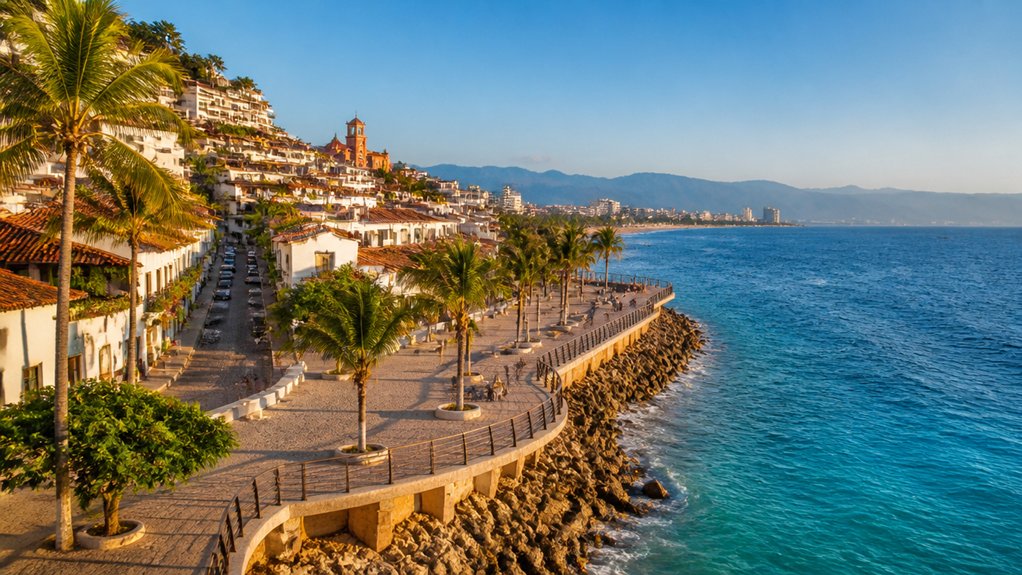
Puerto Vallarta’s cruise terminal sits in Marina Vallarta, about three miles north of the old town, so food and the waterfront in the centre are a short taxi or bus ride away rather than within walking distance. The layout at the port is simple enough—you walk off the ship into the terminal area, with shops close by and taxis and buses heading into town from just outside. Once you reach the Malecón, the palm-lined promenade runs along the sea with beach access nearby, and the short ride in still works in your favour if you’re only ashore for a few hours.
The port itself won’t feel as aggressively touristy as other Mexican stops, but only if you’re willing to move past the first couple of blocks. The immediate Malecón area draws crowds and the restaurants there charge accordingly. The old town further inland is where you’ll find cafés and galleries where actual residents go, and it’s worth the short walk to check it out.
If you want to do anything beyond walking around town, book an independent tour operator before you travel. The cruise line’s organised excursions cost more and operate on schedules that feel slow and rigid. Jungle tours and zip-line activities sell out during busy periods, so reserving online in advance beats arriving at the port hoping something’s still available. Consider booking guided tours through reputable third-party providers to access more flexible scheduling and authentic experiences.
The practical approach is to get off the ship and push past the immediate tourist zone into the town itself. You’ll spend less money, see something worth your time, and actually have a decent morning ashore.
Getting From the Port to Town
The trip from the ship into the centre is quick by taxi or bus, but it is too far to walk comfortably. Once you’re in town you don’t strictly need transport, but knowing what’s available means you can adapt if the weather turns or you’re running behind schedule.
Walking inland from the Malecón takes you through progressively quieter streets toward the old town. The terrain is flat with occasional shade, and it’s the most straightforward way to see how locals actually move through the place rather than how it’s been rearranged for cruise passengers. If your legs give out or time is tight, taxis wait near the terminal and charge reasonable fares to get you elsewhere or up into higher ground.
The official port shuttle isn’t worth the cost and won’t teach you anything useful. Local buses are cheap and functional if you want to travel like residents do, though routes aren’t marked in English and they fill up quickly during busy hours. Ride-sharing apps function adequately here if you have data and want to skip negotiating with taxi drivers. If you’re concerned about data charges while using navigation or ride-sharing apps, consider purchasing a local eSIM data plan before arrival to avoid unexpected roaming fees.
Decide early whether you’re staying near the water or heading deeper inland, since this shapes what you can actually do. If you want jungle activities, zip-lining, or organised boat tours, book an independent operator beforehand rather than through the ship. These activities sell out during cruise season, and booking online in advance both guarantees your spot and costs substantially less than the ship’s markup.
The Must-Do Experience: Start Here
The Malecón works better if you skip the busiest tourist cluster entirely. Walk north toward the fishing pier where actual work happens, or head south where the crowds thin and you see the town functioning as it does for locals. The water views here are real, and nothing performs for your benefit.
Cuale Island sits between two river channels and contains a small market, several genuinely competent food stalls, and a footbridge into the old town proper. You pay what things actually cost here rather than what cruise passengers are charged at the waterfront. The food tastes better because it’s cooked for people who live here, not for people spending an afternoon.
Book jungle canopy tours or boat excursions through independent operators online before you arrive. The shipboard versions cost more and fill during cruise season, leaving you either waiting for spots or accepting their inflated rates. Advance booking gives you actual availability and removes the pressure to book whatever remains available on the day.
Your productive path through town runs this way: walk the quieter section of the Malecón first, cross to Cuale Island for food and local commerce, then move into the old town streets where the light improves and the goods are actual merchandise rather than manufactured trinkets. You’ll see the core of the place without fighting crowds or overpaying for the privilege.
History Culture and the Top Sights
Puerto Vallarta’s colonial fabric clashes directly with the cruise terminal‘s glass and steel — you walk from a modern ship into a town that actually existed before tourism showed up, and this awkwardness defines what’s worth your time.
The old town spreads out in a grid from the church at the central plaza, and this is where genuine architecture stands. Nineteenth-century buildings crowd the narrow streets with facades painted in colours that have faded naturally, not been refreshed for social media. The Church of Our Lady of Guadalupe sits on the plaza with its crown-shaped dome, and the interior provides actual silence away from the waterfront noise, with no admission required and no sense that you’re interrupting.
The Río Cuale Museum occupies a colonial building on Cuale Island and holds a legitimate collection of pre-Hispanic artefacts alongside contemporary Mexican art. Admission is modest and you won’t deal with the crowds that pile up at the waterfront. Local guides work here regularly and can explain specific pieces instead of rushing you through.
Head south along the Malecón toward the fishing district to reach the Arches neighbourhood, which has galleries, independent bookshops, and cafés where actual residents drink coffee. The streets feel less staged and the light gets better as you move away from the busiest stretch. This is where you see how the town functions when nobody’s watching for tourists.
Beyond the Centre: Day Trips and Alternatives
Most cruise passengers stay on the Malecón, so the actual town exists inland where your afternoon will go further. Leave the waterfront early, before the crowds from mid-ship tours spread out and the heat builds.
The colonial neighbourhood around the central plaza is your practical starting point. Walk uphill from the Malecón past the souvenir vendors and you reach streets where locals actually shop and live. The Church of Our Lady of Guadalupe sits here and costs nothing to enter, while the cafés nearby serve proper coffee at rates that won’t shock you compared to terminal prices.
Cuale Island holds the Río Cuale Museum in your second block of time, displaying pre-Hispanic objects and contemporary Mexican work without the tourist density you’ll see elsewhere. The admission sits within reason and local guides work there regularly if you want actual information about what you’re looking at.
Spend your afternoon moving south along the Malecón toward the Arches neighbourhood, where independent galleries, used bookshops and ordinary cafés have replaced the terminal’s retail machinery. This area functions slower and the light actually improves once you clear the immediate cruise zone. Walking twenty minutes from the Malecón shows you how Puerto Vallarta operates for people who live there, which teaches you more than staying near the terminal crowds.
Shore Excursion or Going It Alone
The ship’s shore excursion desk quotes prices that make doing things independently seem cheap, yet some of their tours genuinely work out—you just need to identify which ones and book alternatives early before they’re gone. Most standard city tours follow an identical pattern: the waterfront, a handful of old streets, lunch at a restaurant where the cruise line takes commission. You’ll spend far more than necessary for what amounts to a self-guided walk.
Specialist tours are different. If you want real expertise—a proper archaeology guide or a cooking class in someone’s kitchen—booking directly with independent operators before departure makes sense. Popular tours fill quickly during busy seasons, and going through your ship means paying extra for something that cost less to book weeks ahead.
Skip the generic city tour. Pick up a map, walk inland yourself, and keep your money. If you want a guide, independent tours to colonial areas or through Cuale Island’s museum cost significantly less than what the ship charges and usually include someone with actual local knowledge. Consider purchasing a local eSIM data plan before arrival to access maps, reviews, and tour booking apps without incurring roaming charges. Find these operators through your port’s information office, book in advance with ones that have genuine reviews, and you’ll avoid both the tourist crowds and the markup the cruise desk depends on.
What the Cruise Desk Leaves Out About Puerto Vallarta
The cruise terminal sits on the waterfront in Marina Vallarta, a short ride north of the town centre. The moment you disembark, however, the system steers you toward overpriced restaurants and tour operators, with your ship’s welcome packet directing you along the malecón toward the main tourist areas. What actually matters is recognising that you have a limited window ashore, so choosing where to spend those hours becomes your real priority.
Walk inland within your first stretch ashore. Restaurants right on the malecón charge substantially more than places a few blocks back, and the quality rarely justifies the markup. Head into the street grid behind the malecón where you’ll find family-run cafés, proper markets, and prices that reflect what locals actually pay.
You’ll know you’ve reached the right neighbourhood when English menus disappear and most customers are Mexican. This signals you’ve moved past the tourist infrastructure into actual commercial areas where people live and work. The food tastes better and costs less because there’s no middleman extracting a cruise markup.
Book an independent guided tour weeks before you sail if you prefer structured exploration over wandering alone. Local guides working with small groups rather than the large operations the ship promotes fill their spots quickly during peak season and charge considerably less when you book directly. Search for operators offering walking tours through the old town or visits to nearby colonial villages—these typically feature someone who actually knows the area’s history rather than simply collecting you at scheduled stops. Consider booking directly with port operators to access exclusive excursions unavailable through ship channels.
Bring comfortable shoes and disregard the cruise desk’s insistence that you need their tour to stay safe. Independent operators have been running tours through these areas for years without incident, and you’ll encounter far fewer cruise passengers on their routes.
Your Port Day: A Sample Itinerary
Puerto Vallarta works better if you ignore the ship’s schedule and move at the town’s pace instead. The malecón floods with tour groups and commercial restaurants by mid-morning, so your advantage lies in getting inland before that happens.
Take a taxi or bus from the terminal into the centre, then head up into the old town rather than along the water. Eat breakfast at a proper café near Plaza Principal, where locals actually sit down to coffee, and spend your first hour watching how the town operates when cruise passengers aren’t around. The coffee costs less than half what you’ll pay near the Malecón, and you’ll see Puerto Vallarta as a functioning place rather than a tourist destination.
By mid-morning, book an independent walking tour through the colonial streets and galleries around Calle Zaragoza before you leave your cabin. These guides know which smaller galleries and courtyards are worth your time and which streets to avoid because they’ve been picked clean by ship excursions. Tours fill up during busy seasons, so arrange this before you sail.
Spend your afternoon either wandering the side streets and neighbourhood markets, or sit on the malecón with a beer and something to eat while you watch the fishing boats and water. Beaches aren’t realistic on a port day—you won’t have enough time to make it worthwhile, and the beach clubs charge rates that don’t match how long you can actually stay. Consider booking professional driver transfers to ensure you return to the ship on time without stress. Leave yourself two or three hours to get back to your ship so you’re not sprinting through the terminal.
Book your Puerto Vallarta day
Tours for this port, compare before you book
Getting around in port
✈️ Before you sail: eSIM, insurance, luggage, flight delays
Ships In Puerto Vallarta
Upcoming calls from our sailings tracker, updated regularly.
Ruby Princess
Princess CruisesThu 8 Oct
⚓ 07:00–17:00
Carnival Panorama
CarnivalTue 13 Oct
⚓ 09:00–21:00
Voyager Of The Seas
Royal CaribbeanTue 13 Oct
⚓ 08:00–17:00
Brilliant Lady
Virgin VoyagesWed 14 Oct
⚓ 08:30–17:00
Discovery Princess
Princess CruisesWed 14 Oct
⚓ 07:00–16:00
Ruby Princess
Princess CruisesSat 17 Oct
⚓ 08:00–18:00