Wellington Cruise Port Guide
Optimize your Wellington cruise visit with insider tips on affordable dining, hidden attractions, and local experiences that cruise desks won’t tell you.
In this guide
Try one free personalised day plan — built around your ship’s actual arrival and departure times. Then get every port on your cruise done the same way from £7.99 (about $10).
Cruise Port Overview: What To Expect
Wellington’s cruise terminal sits within walking distance of the city centre, which means you avoid the isolated port experience that affects other destinations. The terminal has standard facilities—cafés exist, but they’re expensive by any standard, let alone New Zealand standards. A supermarket is accessible on foot, and buying food there rather than eating by the waterfront makes a real difference to what you spend.
What actually matters is Wellington’s wind. This port sits where wind is a regular feature, not occasional, so pack a proper jacket regardless of what any forecast said. The city layout is logical though—everything spreads out from the waterfront in a grid pattern, which makes navigation straightforward even if you’re not used to exploring unfamiliar places.
Book independent tours before you arrive rather than buying them at the terminal. Popular experiences, particularly tours to Zealandia or Weta Workshop, sell out quickly for cruise passengers, and booking in advance saves both money and the frustration of finding everything full. The city rewards planning ahead—arrive with a specific half-day itinerary and you’ll actually have time for coffee and proper exploration instead of rushing through obligatory stops.
Getting From the Port To Town
Walking from the terminal to the city centre takes around twenty minutes along a straightforward waterfront route that’s hard to mess up, and a cruise shuttle runs to Lambton Quay if you’d rather ride. The main catch is Wellington’s wind, which genuinely tests your patience, so go in expecting to lean into it rather than glide through it. Walking beats the alternatives—you’ll pass cafés and shops as you move, giving you a proper sense of the place rather than being locked in a shuttle with dozens of other people.
Taxis are expensive for such a short distance and only make sense if you’re hauling luggage you can’t manage yourself or if the weather becomes genuinely unworkable. The local bus network offers a cheaper option and actually gets you into different neighbourhoods on arrival, though you’ll need to download a journey planner app beforehand because the printed timetables are next to useless when you’re trying to read them on the spot. This works well if you want a slower introduction to the city rather than marching straight into the centre.
Rental cars serve a purpose only if you’re leaving Wellington entirely to explore places like the Wairarapa wine region. For a day confined to the city itself, your feet genuinely work better than a car does—Wellington’s compact enough that driving becomes a hindrance rather than a help. Tours collected from the terminal charge significantly more than booking independent operators beforehand, so if you’ve already arranged something specific before boarding, you’ve made the sensible choice. Consider booking guided tours and shore excursions in advance to secure better rates and access to experiences tailored to your interests.
The Must-Do Experience: Start Here
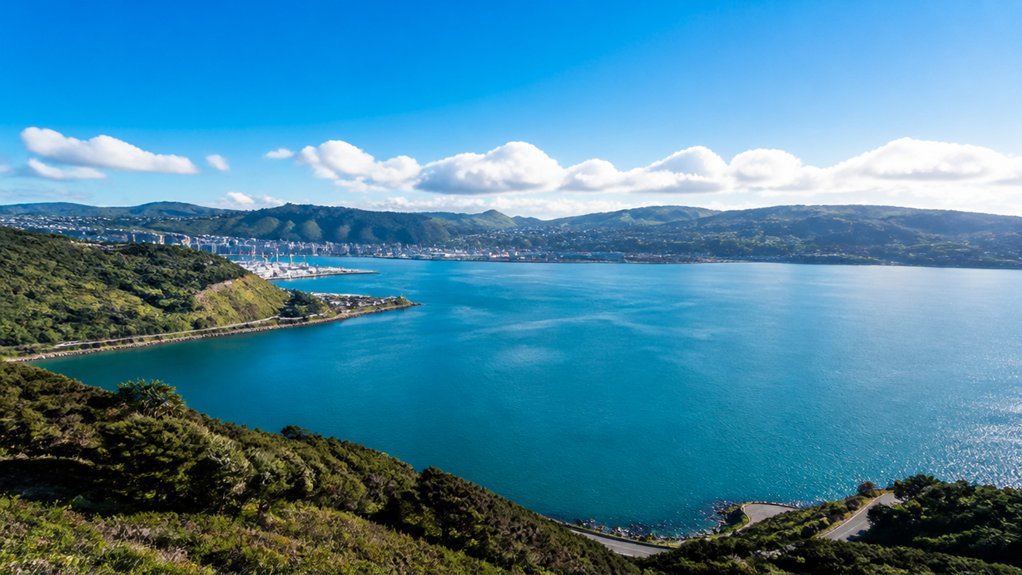
Wellington works best if you treat the waterfront as your starting point and move inland from there, rather than heading straight for shops. The harbour where your ship sits is the clearest picture of what Wellington actually is: tight, windy, practical, and scattered with working vessels and cafés that serve locals.
Walk towards the city centre along the harbour and stop for coffee before the morning rush. Wellington’s coffee culture is genuine rather than performed, and spending your first bit of time here tells you more about the place than any orientation could. Consider booking a professional driver to handle transportation logistics, allowing you to focus entirely on experiencing the city.
Your next choice determines how you spend your day: walk the compact central streets on foot, or take the cable car up to the Botanic Gardens for views and space away from the port area. If your cruise package didn’t include either option, book independently online before arrival rather than waiting until you’re at the terminal. Online booking costs significantly less than onboard prices, fills up quickly with other cruise passengers, and guarantees your spot instead of leaving you hoping for last-minute availability.
Your first hour should focus on making this decision based on whether central streets appeal to you more or whether you want height and perspective over the city. Both work fine—Wellington’s compact enough that travel time between either choice and anywhere else won’t waste your day.
History Culture and the Top Sights
Wellington’s museums contain genuinely useful collections, but they’ll consume most of a short port day without giving you much sense of the city itself. Te Papa Tongarewa, the national museum, sits in a harborside building you can’t miss, and unlike many museum ships, it justifies the entry fee—the New Zealand natural history and Māori culture sections go deep enough that you won’t feel rushed through toward the gift shop. The problem is that Te Papa requires proper time, and cruise passengers don’t have it; five or six hours ashore means you’ll spend half of it indoors.
A guided cultural tour covering Māori perspectives and colonial architecture, booked before arrival, works better than attempting both the museum and the city. Independent local guides cost less than ship excursions and actually know which streets matter and which cafés won’t overcharge cruise visitors. You’ll learn more from someone who lives here than from exhibits designed for tourist consumption.
Wellington’s city centre is better explored by wandering than by following a predetermined route. Cuba Street stays genuinely interesting because people actually shop and work there rather than perform tourism—you’ll find independent shops and neighbourhood life rather than the waterfront’s sanitised version. Old St Paul’s cathedral provides quiet space and real architectural detail without the crowds that pack major sites during peak cruise days.
If cultural sites feel like too much given your timeframe, the cable car and Botanic Gardens work better. You’ll understand Wellington’s character through its landscape and the views from above rather than sprinting through indoor collections.
Beyond the Centre: Day Trips and Alternatives
Most cruise passengers stay at the waterfront, which leaves the actual city inland where locals live and work. Wellington spreads across hillsides and suburbs that operate entirely separately from the sanitised harbour precinct, and you can reach these areas without faffing about with complex transport arrangements.
Matiu/Somes Island works as a solid half-day option if you want genuine distance from other cruise visitors. The ferry runs regularly from the harbour and the island itself is predator-free with native forest throughout, giving you proper views back toward the city without crowds. Book your ferry ticket online before you arrive since departures fill quickly during cruise season.
If you prefer to stay on the mainland, the Wairarapa wine region sits inland and remains completely free of cruise day-trippers. Independent local guides run small-group wine tours that cost considerably less than ship excursions and actually include time to talk with winemakers rather than rushing through a set schedule. Arrange yours in advance online so you skip the queues entirely and travel with people interested in conversation.
Alternatively, catch a local bus or taxi toward Zealandia, the urban wildlife sanctuary where you might spot kiwis and tuatara in semi-natural conditions. The walk through native forest takes you away from the port entirely and feels genuinely different from typical tourist infrastructure. Bring a packed lunch from a neighbourhood café rather than eating near the ships; you’ll spend far less money and actually taste something Wellington residents would recognise.
Shore Excursion or Going It Alone
Ship tours depart Wellington moving slowly through the same three stops every cruise visits, whereas local operators actually know where Wellington residents spend their time. You’ll pay significantly more for a ship tour, see less of the city, and surrender your schedule to a fixed itinerary, though you won’t need to think about logistics or navigation.
Your decision hinges on how much organisation you want to handle yourself. Booking a ship excursion means paying for someone else to manage the details and accepting a crowded experience—you’ll stand with dozens of other cruise passengers at each stop because most people make this choice. If you’re willing to navigate minor uncertainty, going alone costs considerably less and takes you to actual Wellington beyond the waterfront retail area, using local buses and setting your own pace.
A third option is booking a small-group independent guide in advance. These operators charge well below ship excursion rates and visit places that actually feel separate from cruise tourism. During peak season these guides fill quickly, so arrange this before your ship docks rather than hoping to find someone available when you’re standing on the dock at 9am with your shore time already eroding. Consider purchasing a local eSIM data plan to stay connected and navigate independently without incurring expensive roaming charges.
Wellington: Practical Details Worth Reading Twice
The cruise terminal’s café prices and shops exist partly because staff are incentivised to keep you spending there, so treat their recommendations as sales pitches rather than genuine guidance. The waterfront strip feels designed for convenience rather than value—your coffee costs more because you’re paying for proximity to your ship, not superior quality or taste.
Timing determines whether you’ll spend your day queuing or actually seeing things. Most cruise passengers cluster at the same few locations between mid-morning and early afternoon, which means you’ll either fight crowds or avoid them entirely depending on when you leave the ship. Head toward the city centre or Te Papa within your first hour ashore and you’ll move through spaces that feel manageable instead of congested.
Locals will point you toward places the cruise desk ignores because there’s no financial incentive to send you there. Zealandia functions as a functioning urban wildlife sanctuary rather than a packaged tourist experience, and the independent cafés along Courtenay Place and Cuba Street show you how Wellington residents actually spend their time. These areas won’t appear on official ship tours because the port authority earns nothing from directing you toward them.
Book any guided experience—tours, wine region visits, wildlife activities—through independent operators online before you arrive. The better operators sell out quickly to cruise passengers, and waiting until you’re at the gangway typically means paying more while accepting whatever slots remain.
Your Port Day: A Sample Itinerary
Wellington’s layout punishes lingering. The waterfront shops and cafés are genuinely convenient, but also where your budget disappears fastest, so treat them as a fallback rather than your first destination.
Head straight into the city centre within your first hour ashore, when crowds are manageable and independent cafés have proper space. Walk along Lambton Quay toward Courtenay Place before the terminal empties out completely. This move alone transforms your day from crowded-tourist-corridor to actual-city-experience, and you’ll have coffee that tastes like something rather than airport-terminal mediocrity.
By midday, you’ve got two solid options depending on what appeals. Te Papa sits right on the waterfront and requires no transport—it’s genuinely worth a couple of hours, though entry is free only for New Zealanders, so overseas visitors pay a fee. Alternatively, if you want something more active, book a guided wildlife tour to Zealandia before arriving in port, because the best operators fill their cruise-passenger slots quickly and independent bookings cost considerably less than what your ship would charge for a similar experience.
Use your afternoon to explore either Cuba Street‘s neighbourhood café culture or return to Te Papa if you haven’t finished. Avoid the waterfront strip‘s restaurants unless you’re genuinely hungry and willing to pay noticeably more than city-centre equivalents. Head back to your ship with enough buffer time that you’re walking calmly rather than sprinting, which means actually enjoying Wellington rather than simply surviving it.
Book your Wellington day
Tours for this port, compare before you book
Getting around in port
✈️ Before you sail: eSIM, insurance, luggage, flight delays
Ships In Wellington
Upcoming calls from our sailings tracker, updated regularly.
Celebrity Solstice
Celebrity CruisesSun 25 Oct
⚓ 07:00–18:00
Carnival Splendor
CarnivalWed 11 Nov
⚓ 08:00–18:00
ms Noordam
Holland AmericaWed 11 Nov
⚓ 07:00–18:00
Carnival Splendor
CarnivalWed 2 Dec
⚓ 08:00–18:00
ms Noordam
Holland AmericaThu 14 Jan
⚓ 08:00–18:00
Celebrity Edge
Celebrity CruisesTue 19 Jan
⚓ 11:30–20:00