Samana Cruise Port Guide
Make the most of your Samana port day—discover why independent tours beat ship excursions every time.
In this guide
Try one free personalised day plan — built around your ship’s actual arrival and departure times. Then get every port on your cruise done the same way from £7.99 (about $10).
Cruise Port Overview: What To Expect
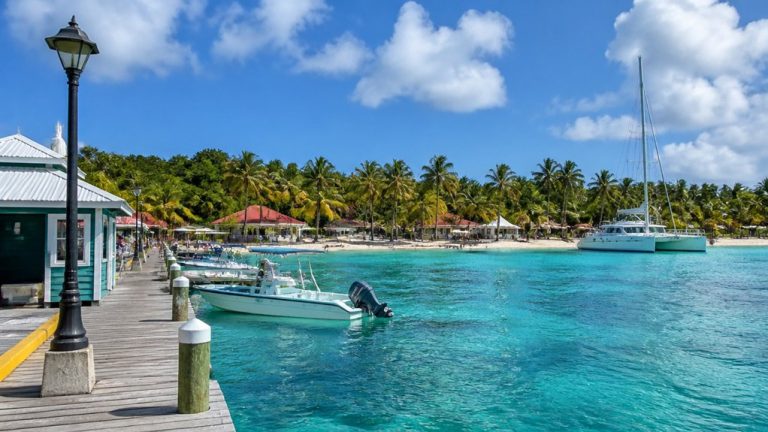
Samana’s port sits on the eastern edge of the Dominican Republic‘s north coast, genuinely isolated with no sprawling terminal, chain restaurants, or duty-free shops—which is precisely why the place functions differently than most cruise stops. Your ship anchors offshore and you tender to a modest dock that operates more like a working fishing village than a commercial cruise facility. The informality cuts both ways: crowds thin out quickly and local life stays relatively authentic, but infrastructure remains minimal and you’ll need to know what you’re doing before leaving the tender.
The immediate area around the dock—Samana town itself—has a few restaurants and shops, though nothing that will particularly interest most visitors passing through. Anything worth your time lies beyond this small core, so wandering without a plan wastes your port hours. Independent operators running tours to Samana Bay’s main attractions—whale watching during the season, speedboat trips to remote beaches, waterfall visits—cost considerably less than ship excursions and offer far more flexibility, but the better operators do book up with cruise passengers, so arrange things online before you arrive. You can book tours and activities through various platforms to secure your preferred experiences in advance.
Weather stays warm year-round, though rain can arrive without warning. Bring serious sun protection regardless, as the Caribbean sun requires no negotiation. Port time here rewards structure and local knowledge in ways that most cruise destinations simply don’t.
Getting From the Port To Town
The tender dock puts you directly in Samana town, which means you’ve arrived where the cruise lines want you—and where most of your fellow passengers will stay. This convenience works against you because the genuinely worthwhile attractions lie elsewhere on the peninsula.
Taxis cluster around the dock, and drivers will quote fares that bear little relation to each other or to any actual standard rate. You need to negotiate before boarding, settle on a price beforehand, and accept that whatever “official rates” exist here are largely irrelevant. Your better option is arranging a driver through an independent operator before you arrive, since they’ll build transport into a package and you’ll know exactly what you’re paying.
Walking into town takes perhaps ten minutes, but the walk itself is the only interesting part. There’s nothing in the centre worth the effort of exploring on foot, and you’ll need transport to reach the places that actually warrant a visit anyway.
If you’re set on exploring without booking a tour, hire a taxi for the entire day rather than negotiating fares for individual trips. This approach gives you genuine flexibility and spares you the repeated friction of haggling over prices. Roads beyond town are reasonably maintained, though local drivers prioritise speed and confidence over caution, which matters if you’re considering driving yourself.
Booking an independent operator online before arrival remains your strongest move. Spots on popular excursions fill quickly with cruise passengers, and reserving early secures better pricing and removes the anxiety of how you’ll spend your limited time ashore.
The Must-Do Experience: Start Here
Humpback whales arrive between January and March, and if you’re visiting during those months, they’re the primary reason to be in Samana. Forty-tonne animals breach within metres of your boat, which makes the experience justify the stop. The water is warm enough for swimming, and you can anchor afterwards in clarity where the sand below is visible.
The cruise lines charge premium prices for their whale-watching tours, which means you’ll spend your morning queued with hundreds of other passengers in crowded boats. Book an independent operator before your ship arrives instead. These operators run the same vessels through the same waters but charge considerably less and work with smaller groups.
Outside whale season, the port offers less compelling reasons to leave your ship. Nearby beaches and snorkelling exist as alternatives if you have a full day ashore, but they’re standard Caribbean activities. The bay is pleasant enough and the town functions adequately, though neither justifies effort if the whales aren’t present.
Reserve your tour operator as early as possible through their website. The better time slots fill with cruise passengers quickly, and booking ahead removes any scramble about how to spend your limited port time.
History Culture and the Top Sights
Samana town itself offers little reason to linger, which explains why most cruise passengers either pursue the whale watching or make directly for the beaches. What you’ll find here is practical rather than engaging—colonial buildings that warrant a quick look, a waterfront suitable for walking, and several local restaurants where you’ll pay less than anything near the cruise terminal. The actual appeal is geographical rather cultural, rooted in the peninsula’s pirate history centuries ago, with traces of that past scattered across nearby islands rather than concentrated in town.
If you’re arriving outside whale season and want activity beyond swimming, a guided peninsula tour provides useful context without consuming your entire day. Local operators can arrange these significantly cheaper than ship excursions, and you’ll bypass the tour groups that official offerings attract. These tours typically cover former settlements and coastal features that make the geography worth understanding.
Restaurants cluster along the waterfront and charge reasonable rates by Caribbean standards, but the better local food happens away from the tourist area. Walk inland a few streets and you’ll encounter places where residents eat—prices drop noticeably, and the cooking reflects actual local preferences rather than what cruise passengers expect. An hour here makes sense if you’re curious, but recognise that Samana’s value lies in what surrounds it, not the town centre itself.
Beyond the Centre: Day Trips and Alternatives
The peninsula’s actual appeal lies beyond the town centre, and your limited time ashore shouldn’t be spent looking at old buildings. Cruise ships charge premium rates for whale-watching trips that deliver the same experience as cheaper independent operators, just with more people crowded onto the boat. You’re choosing between paying extra for the ship’s convenience or spending twenty minutes organising something better yourself.
Independent whale-watching tours leave from the harbour and fill their boats quickly during peak season, so booking online before you arrive guarantees both lower costs and a place on smaller vessels where you can actually see the animals. Operators familiar with cruise ship schedules time their departures to match your ship’s availability—they know their business depends on getting you back on time. You’ll pay considerably less than the onboard rate while receiving more individual attention.
When whales aren’t active, the beaches make the trip worthwhile anyway. You can arrange private boat transport to the main beach destinations through local operators for far less than the cruise excursion costs. If you prefer independence, renting a jeep and driving toward the coastal roads works if you’re comfortable driving on rough terrain, though the ship’s organised excursion offers more straightforward reliability.
Book independent tours online before your ship arrives rather than arranging things dockside. The best operators have full boats by mid-morning, leaving last-minute bookers either paying inflated rates or heading back to the ship empty-handed.
Shore Excursion or Going It Alone
The ship’s excursion desk will market whale-watching as exclusive and premium, but independent operators departing from the same harbour run identical trips for considerably less money. Your decision comes down to paying extra for the convenience of having everything arranged versus spending ten minutes online to save substantially on a cruise where you’re already committed to significant expense. The financial difference is genuine enough to matter when you’re already paying cruise fares.
Booking an independent tour before you dock takes minimal effort and secures you a spot on a smaller boat with better viewing positions and fewer passengers crowding the rails. These operators understand cruise schedules precisely and time their departures so you’ll never feel rushed returning to the ship or anxious about missing your departure window. You know exactly when you need to be back, and they know it too.
The ship’s excursion remains a valid option if arranging things independently genuinely stresses you, and there’s no obligation to prove otherwise—but you should understand exactly what you’re paying for rather than absorbing the marketing at face value. That premium covers the elimination of planning on your part, nothing more, and whether that trade-off suits you depends entirely on your tolerance for minor logistics.
The practical constraint is that independent tours fill quickly during busy seasons, particularly for morning departures when whale sightings are most likely. Deciding to book once you reach port often leaves you either paying inflated rates or watching boats depart without available space. Spending ten minutes booking online before you sail eliminates that frustration and keeps your money in your pocket where it belongs.
Samana: Practical Details Worth Reading Twice
Samana harbour floods with cruise ships during peak season, and tour operators have timed their “exclusive local experiences” down to the minute because they run the same itinerary repeatedly throughout the week. The cruise desk glosses over the fact that independent operators hire the same naturalist guides and launch from identical docks, but charge less because they’re not padding their margins with middleman costs.
Whale-watching trips departing in the morning consistently yield better sightings than afternoon departures, which explains why independent operators routinely sell out by mid-morning during peak months. Your chances of securing a spot improve dramatically if you book before leaving your ship rather than assuming availability once ashore, especially between January and March when humpback whales migrate through the area.
The restaurants and cafés in the town centre uphill from the docks offer reasonable value, whereas the tourist strip directly along the waterfront charges inflated prices for basic meals. A ten-minute walk away from the harbour takes you to where locals actually eat, and your money goes significantly further as a result. The beaches east of town attract fewer passengers than the main beach near the cruise terminal, though reaching them requires hiring a taxi or renting a scooter—both are affordable options that beat standing in queues with thousands of other cruise passengers.
Your Port Day: A Sample Itinerary
Most cruise passengers spend their first hour ashore queuing for ship excursions, which means the best whale-watching tours have already left. Walk straight past the cruise desk and find the independent operators near the dock instead—they send boats out within minutes of passengers disembarking, and you can book online beforehand to guarantee your place at a fraction of the cruise price.
Get on the water early. Whales appear more reliably in the morning hours, so skip wandering around town first and head directly to the boats. Independent naturalist guides know these waters thoroughly, and you’ll spend several hours actually watching wildlife rather than sitting in a vehicle to reach some distant beach.
Once you return to shore with hunger setting in, walk uphill away from the waterfront tourist strip. The restaurants in the town centre serve actual food at reasonable prices, unlike the inflated menus facing the harbour. You’ll have enough time to eat properly without rushing through your meal.
Your afternoon improves considerably at a quieter beach away from the cruise terminal. The sand east of town sees fewer crowds yet offers equally warm water. Hiring a taxi or scooter costs little and beats standing packed in with thousands of other passengers on the main beach, leaving you genuine time to swim and rest before the all-aboard call.
Book your Samana day
Tours for this port, compare before you book
Getting around in port
✈️ Before you sail: eSIM, insurance, luggage, flight delays
Ships In Samana
Upcoming calls from our sailings tracker, updated regularly.
MSC Opera
MSC CruisesTue 24 Nov
⚓ 12:00–20:00
Adventure Of The Seas
Royal CaribbeanWed 2 Dec
⚓ 08:00–17:00
MSC Opera
MSC CruisesTue 22 Dec
⚓ 12:00–20:00
Costa Fascinosa
Costa CruisesSat 2 Jan
⚓ 09:00–19:00
MSC Opera
MSC CruisesTue 5 Jan
⚓ 12:00–20:00
Legend Of The Seas
Royal CaribbeanThu 7 Jan
⚓ 07:00–14:00