MSC Ocean Cay Marine Reserve Cruise Port Guide
MSC’s private island in the Bahamas is unlike any other cruise-line island: your ship docks instead of tenders, and it’s a genuine marine reserve, not just a beach day.
In this guide
- Cruise Port Overview: What To Expect
- Getting From the Port To Town
- The Must-Do Experience: Start Here
- History Culture and the Top Sights
- Beyond the Centre: Day Trips and Alternatives
- Shore Excursion or Going It Alone
- Small Things That Make a Difference in MSC Ocean Cay Marine Reserve
- Your Port Day: A Sample Itinerary
Try one free personalised day plan — built around your ship’s actual arrival and departure times. Then get every port on your cruise done the same way from £7.99 (about $10).
Cruise Port Overview: What To Expect
MSC Ocean Cay Marine Reserve is a private island in the Bahamas, owned and run entirely by MSC Cruises, so only MSC ships call here. It’s a different kind of private island stop: the land was a working sand and limestone extraction site until MSC bought it and spent two years rehabilitating it, replanting it and restoring the surrounding reef before opening it to passengers in November 2019. The “marine reserve” part of the name isn’t just marketing—MSC runs it in partnership with a marine research foundation, and coral restoration work is genuinely ongoing around the island.
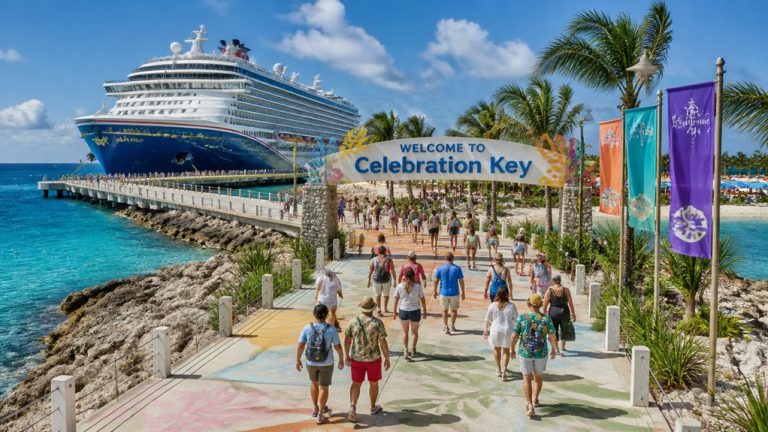
The biggest practical difference from most private islands: your ship docks directly at a pier. There’s no tender boat and no queuing to get ashore—you walk off the ship straight onto the island, which saves real time compared with somewhere like Half Moon Cay or Great Stirrup Cay.
Because it’s a protected marine reserve, the island is quieter on watersports than most cruise-line islands. Motorised watercraft are limited to protect the reef, so plan around swimming, snorkelling, paddleboards and kayaks rather than jet skis.
Food at the island’s main buffet and grill is included in your cruise fare, and water is free at the bars, but other drinks cost extra unless you have a drinks package. Free loungers are limited and most loungers with umbrellas are a paid rental, so bring a towel for the sand; the better spots (cabanas and day beds) carry a separate charge on top of your cruise fare.
Book cabanas and any paid extras before you sail rather than waiting until you’re aboard. The best spots go early, and advance rates are usually better than day-of pricing.
Getting From the Port To Town
There’s no “town” at Ocean Cay—it’s a private island built purely for cruise passengers, so once you’re off the ship, your world is the island itself.
Because ships dock rather than tender, you’re on the island within minutes of the gangway opening, no waiting for a boat transfer. From the pier, a wide walkway lined with market stalls—the “Market Village”—leads out to the beaches, so your first stretch ashore is basically a short walk rather than a logistics exercise.
The island is genuinely walkable. The main beaches sit a short distance from the pier, and a little train (Ocean Cay Express) often runs along the paths for anyone who’d rather not walk the full length of the island in the heat. There’s no need to plan transport in advance—just decide which beach you want and head that way once you’re off the ship.
The lighthouse near the centre of the island is the easiest landmark to navigate by, and it’s worth the short detour for photos even if you’re not stopping there.
The Must-Do Experience: Start Here
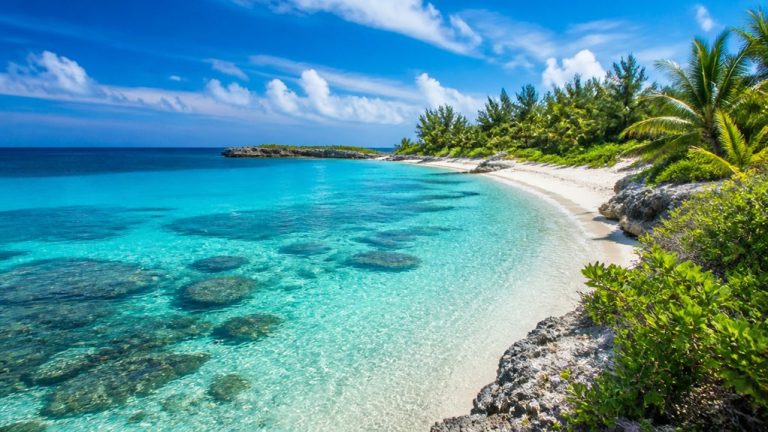
Ocean Cay is built around its beaches and its reef, and the honest answer is that swimming and snorkelling are the reason to come. If neither appeals to you, there’s less here to fill a day than at a proper port town.
There are several named beaches spread along the island, all open to guests of all ages. Each has a different feel, so it’s worth walking a little further than the first beach you reach rather than settling immediately.
Snorkelling is genuinely worthwhile here because of the reef restoration work—there are marked snorkel trails near parts of the island where MSC and its marine partners have been rebuilding coral. Bring your own reef-safe sunscreen if you plan to get in the water; it protects the exact reef the island exists to look after.
Paddleboards and kayaks are available for rent along the calmer stretches of water. Both are beginner-friendly, and because motorised watercraft are limited here, the water tends to stay calmer than at cruise-line islands that run jet ski tours.
If you’d rather not swim, the Ocean House pool and bar area gives you a resort-style alternative with a paid day-pass, and it’s a good option if you want loungers without walking the length of the island to find space.
History Culture and the Top Sights
Ocean Cay has no local history in the way a real port town does—it was a sand-mining site before MSC turned it into what it is now, and the whole island exists for cruise passengers. What it does have is a genuine restoration story: MSC removed old mining equipment, replanted the island with tens of thousands of native plants and trees, and worked with marine biologists to rebuild the surrounding coral reef, which had been damaged by decades of extraction.
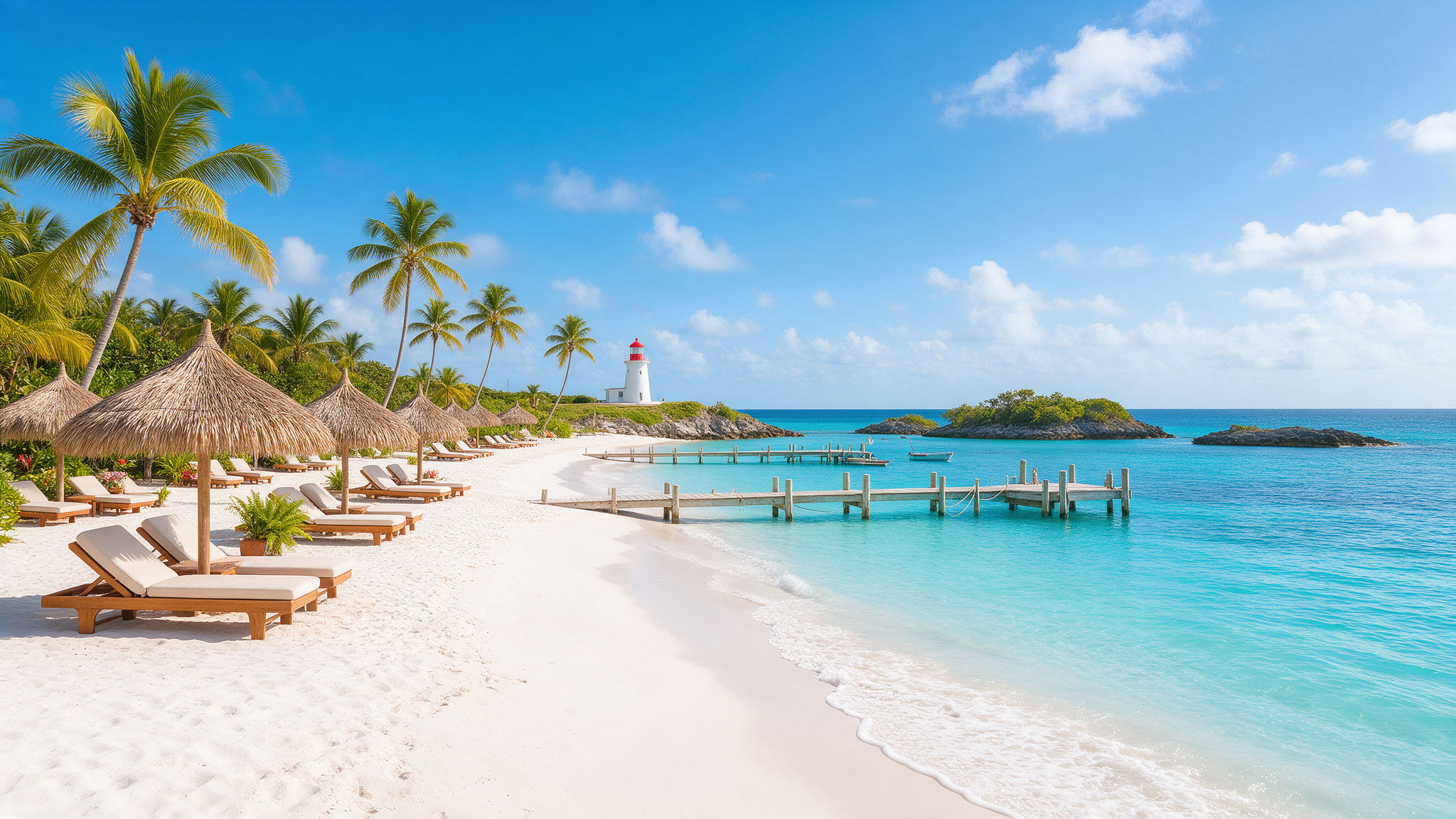
The lighthouse is the island’s signature landmark and the spot most passengers photograph. It isn’t a historic structure—it was built as part of the island’s redevelopment—but it anchors the island visually and marks the walk between the Market Village and the beaches.
The Market Village near the pier is worth a slow walk through rather than a rush past. It’s a collection of shops and stalls rather than a genuine local market, so treat it as part of the island’s design rather than a place to find anything you couldn’t get on the ship.
If culture and local life matter to you more than beach time, this isn’t the stop for it—there’s no substitute for an actual Bahamian town here. Treat Ocean Cay as a beach and reef day, not a cultural one.
Beyond the Centre: Day Trips and Alternatives
Because Ocean Cay is a private island with nothing beyond its own shoreline, there’s no “day trip elsewhere” option the way there is at a mainland port—your choices are all on the island itself.
If the main beaches near the pier feel busy, walking further along the island toward the quieter stretches usually finds you more space, particularly earlier in the day before the crowds spread out.
Lighthouse Bay Beach, beside the island’s lighthouse, is the closest beach to the ship and the liveliest, with entertainment through the day, so walk further along if you want a quieter stretch of sand. MSC is adding an adults-only beach called Paradise Sands, so check your cruise planner to see whether it’s open on your sailing.
Booking a cabana or day bed in advance is the closest thing to a “premium alternative” here—it buys you shade, a fixed spot, and often some food or drink included, without hunting for one of the few free loungers.
Shore Excursion or Going It Alone
Because everything on Ocean Cay is run by MSC, there isn’t the usual independent-operator-versus-cruise-line choice you get at other private islands—there’s no outside competition undercutting the ship’s prices, since nobody else operates here.
That said, you don’t need to book anything through the cruise line to enjoy the beaches. Walking off the ship, spreading a towel on the sand and swimming or snorkelling on your own costs nothing beyond what you’ve already paid for the cruise. Paid extras—cabanas, the Ocean House pool club, guided snorkel trips—are genuinely optional rather than the only way to have a good day here.
Where booking ahead matters is for the limited paid amenities: cabanas and day beds sell out, particularly on days when more than one ship is in port. If you want a guaranteed spot rather than whatever’s left when you arrive, reserve before you sail.
Small Things That Make a Difference in MSC Ocean Cay Marine Reserve
Ocean Cay can have more than one MSC ship docked on the same day, and the island gets noticeably busier when it does. If you have any flexibility, an earlier port day in your cruise (before other ships pile in) tends to mean a quieter island.
Because the island restricts motorised watercraft to protect the reef, it’s a genuinely better choice than most private islands if you want calm water for swimming with children or for snorkelling without worrying about jet ski traffic nearby.
Bring your own snorkel gear if you have it. Rental gear is available, but if you’re already equipped, using your own reef-safe sunscreen and your own mask saves both money and a queue.
The walk from the pier to the far end of the island is longer than it looks in photos. If you’re not up for the distance, use the Ocean Cay Express train rather than assuming you’ll want to walk both ways in the heat.
Your Port Day: A Sample Itinerary
Because the ship docks rather than tenders, you can be off the ship and on a beach faster here than almost any other private island—use that early start rather than lingering over breakfast.
Walk out past the Market Village toward Bimini Beach or Ocean Beach and claim a lounger before the main crowd arrives. If snorkelling is your priority, head for the marked reef trail while the water is still calm and clear.
By mid-morning, if the main beaches have filled up, it’s worth the walk (or a ride on the Ocean Cay Express) out to Lighthouse Beach for a quieter stretch of sand, particularly if you skipped booking a cabana.
Break for lunch at one of the island’s food outlets, or head to Ocean House if you’ve booked a day pass there. The main buffet food is included in your fare, but most drinks cost extra.
Spend the afternoon back in the water or walking the island’s paths past the lighthouse for photos, and start heading back toward the pier in good time—since there’s no tender boat to catch, the main risk here isn’t missing a departure, it’s simply losing track of time on a genuinely relaxing island.
Plan your MSC Ocean Cay Marine Reserve day
Ship excursions only here, so book through your cruise line