Phu Quoc Cruise Port Guide
Cruise into Phu Quoc’s hidden gems—discover why most passengers miss the island’s best-kept secrets.
In this guide
Try one free personalised day plan — built around your ship’s actual arrival and departure times. Then get every port on your cruise done the same way from £7.99 (about $10).
Cruise Port Overview: What To Expect
Phu Quoc’s port operates without the congestion you’ll encounter at larger Southeast Asian terminals, so the experience feels straightforward rather than overwhelming. The facility itself is functional—your ship pulls into a purpose-built dock with basic services, and the town centre is genuinely reachable on foot from where you disembark. What you get here is a provincial island port with actual local activity, not the gridlocked sprawl of somewhere like Ho Chi Minh City.
The ship’s excursion desk will charge you heavily for standard offerings, whereas independent operators running boat trips, snorkelling, and factory visits cost substantially less and work around your ship’s schedule. Book these tours online before arrival because the reputable ones fill up during busy periods, and turning up hoping to join something on the day is a gamble you’ll likely lose. Your time ashore is compressed, so securing a spot in advance removes stress and gives you flexibility to adjust plans if needed. Consider booking guided excursions at ports worldwide to compare your options before you arrive.
Duong Dong, the main town, rewards walking through its everyday streets rather than sticking to the seafront. You’ll find functional restaurants, an active fish market in the early hours, and enough ordinary island life to understand how people actually live here beyond the tourist areas. Head inland within your first hour ashore, eat something decent, drink coffee, and then decide whether you want a guided tour or prefer to keep exploring on your own terms. The harbourfront charges premium prices for mediocre food, so moving away from the water saves money and improves what you eat.
Getting From the Port To Town
The walk from the dock into town takes less time than you’d expect, which means paying for transport is usually unnecessary unless you’re travelling with elderly relatives or carrying significant luggage. Most cruise passengers head straight to the taxi rank outside the terminal and accept inflated fares without questioning them, which is precisely how those prices stay inflated. Instead, walk toward Duong Dong—the streets are safe, flat, and lined with actual shops and cafés rather than tourist tat, so you’re not trudging through wasteland to reach somewhere worth being.
If you do want motorised transport, negotiate a fare with a taxi driver before getting in rather than relying on meters, which seem to operate on cruise-ship mathematics. Motorbike taxis are considerably cheaper and move through traffic efficiently, though they’re not suitable if you’re wearing a dress or carrying valuables you can’t secure. The real advantage of walking is that you’ll pass markets, family restaurants, and ordinary neighbourhoods within minutes, which immediately tells you whether you want to spend your limited time on an organised tour or simply wandering and eating your way through the morning.
Your ship won’t leave without you if you’re reasonably punctual, but checking the exact all-aboard time beforehand removes doubt. Consider purchasing a local eSIM data plan before arrival to stay connected and navigate without relying on ship wifi or expensive roaming charges. Build in a buffer before departure, which gives you genuine freedom to explore without clock-watching ruining what should be a straightforward morning ashore.
The Must-Do Experience: Start Here
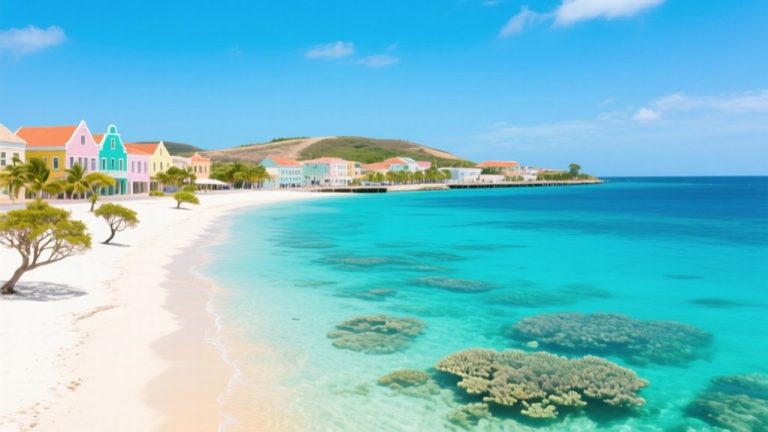
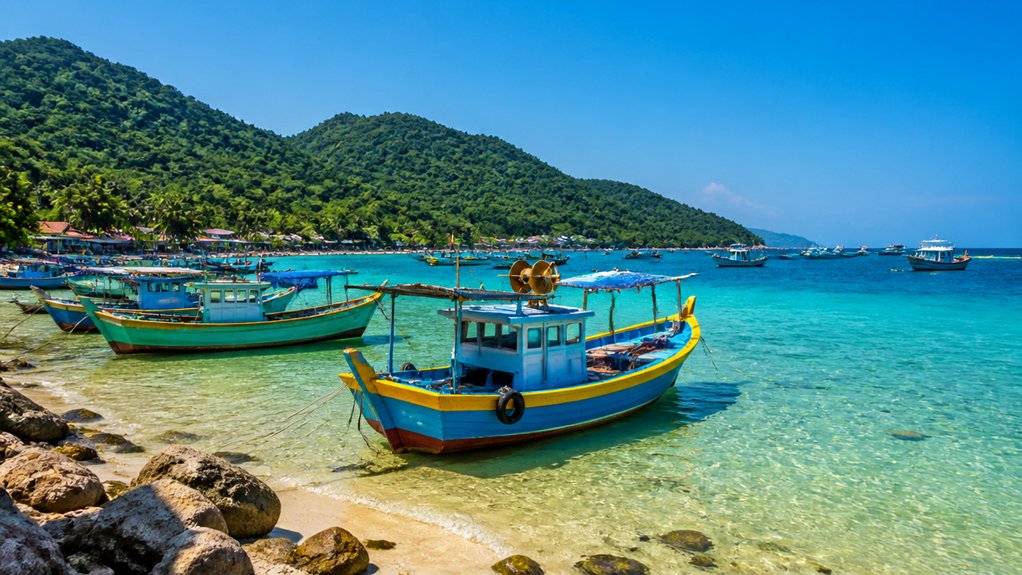
The beach is why you’re here, so go early before the tour groups clog the shoreline. Phu Quoc’s water is warm enough to swim in without thinking about it, the sand is actual sand, and the seafood restaurants right behind the beach will cook what you order while you’re still wet. Eating lunch in town means rushing back to the ship with sand in your shoes, which defeats the purpose.
Long Beach is a short walk from where you dock and nobody will hassle you on the way down. The water is safe for swimming, and you can pay a small amount to rent a lounger if you need somewhere to put your bag while you dry off. Get breakfast from one of the casual spots along the water—fresh spring rolls, coffee, fruit—and stay for a couple of hours before the cruise passengers start arriving in numbers.
Book an independent snorkelling tour online before you arrive if you want something organized. The better operators have limited spaces and charge less than what your ship will quote you for the same outing. You’ll actually see coral and fish instead of standing shoulder-to-shoulder with fifty other people, and the guides know which spots are worth visiting without the cruise line markup.
History Culture and the Top Sights
Phu Quoc’s history gets little attention because most cruise passengers skip it entirely, which means the island avoids the overwrought heritage performance you’ll find elsewhere in Southeast Asia. The prison museum occupies the old French colonial jail and documents Vietnamese resistance during the war with genuine restraint—it doesn’t manipulate emotion or guilt you into the gift shop. You’ll move through it at your own pace without feeling herded or pressured.
Beyond the museum, Phu Quoc hasn’t built its identity around tourism yet, so actual sights remain relatively quiet and free from aggressive marketing. The night market operates most evenings and caters to locals buying dinner rather than visitors seeking an “authentic” photo opportunity—you can walk through without purchasing anything and see how people actually shop and eat. This absence of performed culture means fewer touts and fewer fabricated experiences designed to separate you from money.
Independent guides offer better value than cruise desk tours because they skip the coach bus markup and work at a reasonable pace. They’ll take you to the prison museum, through active fishing villages, and to points where you see the island rather than watching it pass through a window crowded with other passengers. Book before your ship arrives, as popular guides fill their schedules quickly once cruise ships are in port.
Beyond the Centre: Day Trips and Alternatives
The real choice isn’t whether to book a tour—it’s whether you’ll accept the ship’s markup or negotiate better terms elsewhere. Cruise desk excursions operate in large groups, follow standard itineraries, and charge substantially more than booking directly with local operators. You’re paying for the convenience of having everything arranged, which matters less on an island where independent guides are straightforward to find and often more knowledgeable about their own territory.
If you’re willing to organise things yourself, contact a guide before your ship arrives and confirm a meeting point in the port area. You’ll pay a fraction of what the ship charges, set your own rhythm, and skip the experience of being herded around on a coach with forty other passengers. A half-day visiting fishing villages or the prison museum with a private guide costs less and leaves your afternoon free to explore the night market or beach at your own pace.
The downside is that experienced guides book their availability weeks in advance during busy seasons, so waiting too long means either no availability or having to accept someone with less track record. Booking early online through established operators guarantees someone will meet you when you dock, which matters when your port time is fixed and you can’t afford delays. If the ship’s excursion becomes your only realistic option by the time you’re booking, it’s not a failure—Phu Quoc operates at a relaxed pace so even a guided group won’t feel pressured—but you’ll be aware you paid extra for that arrangement.
Shore Excursion or Going It Alone
Phu Quoc’s port authority doesn’t pressure you towards organised tours the way other Southeast Asian harbours do, which shifts the real question from whether to book a shore excursion or go independent to something more practical: do you want the hassle of arranging things yourself, or is paying extra for convenience worth it to you?
The honest answer depends on how comfortable you are handling logistics. If you’ve booked tours independently in Bangkok or Da Nang, you’ll manage fine here—local operators reply promptly to messages, guides speak workable English, and the island is small enough that getting to a fishing village or the An Thoi archipelago won’t leave you stranded. You’ll typically pay half what the ship charges for the same tour, and your guide might give you better attention since they’re not herding forty people around.
The ship’s excursion justifies its cost through early starts, which otherwise means either waking at dawn to meet a private guide or accepting that you’ll photograph in harsh midday light alongside crowds. If you sleep badly on ships or simply prefer someone else managing navigation and logistics, that service has genuine value—just understand you’re paying a premium for convenience, not some special access.
The real advantage goes to those who book independent tours online before boarding. Operators fill up quickly during busy seasons, and waiting until you dock means either accepting whoever has last-minute availability or falling back on the ship. Pre-booking with an established local operator gives you a confirmed meeting point, knowledgeable guidance, and the ability to relax instead of scrambling to arrange things while your ship sits idle at the terminal.
What Experienced Cruisers Know About Phu Quoc
The real advantage of Phu Quoc isn’t what cruise marketing emphasizes—it’s that the island actually repays exploration, yet most passengers stay near the terminal because they believe everything requires a boat trip. Walking inland from the dock for a reasonable distance puts you among actual food and actual locals rather than the staged versions near water. The harbour sits in Duong Dong, the main town, so you’re already positioned to move around on foot instead of being marooned at some resort compound.
The night market operates as both a food source and social space. Hawkers sell grilled seafood at prices locals pay, and you’ll eat among people genuinely interested in your background rather than performing friendliness for tips. Any restaurant facing the water exists to extract money from cruise passengers, and the prices reflect this arrangement.
Booking a tour to the An Thoi islands or Phu Quoc National Park before you arrive matters because the decent operators reach capacity during cruise season. Waiting until you dock leaves you with either poor options or inflated rates for whatever remains available. Independent operators cost less than ship excursions, take smaller groups, and allow actual flexibility—search online for companies with recent reviews instead of accepting the cruise desk’s default recommendation.
A working fish sauce factory is genuinely worth your effort to visit independently. It’s foul-smelling, completely unsanitised, and shows why this ingredient dominates Vietnamese food rather than appearing in it occasionally. Most cruise passengers avoid it entirely, which is precisely the reason to go.
Your Port Day: A Sample Itinerary
The terminal crowd dissolves quickly if you leave before the tour operators start working. Walk inland to Duong Dong’s centre in under twenty minutes and you’ll find yourself among people actually buying and selling food, not packaging experiences for tourists.
The night market opens in the evening, so it only fits your day if your ship stays in port after dark. If it does, sit on a plastic stool with grilled seafood in front of you and watch how your relationship with the island changes once you’re eating what people here eat.
Book an island tour or national park visit before arriving—small-group operators collect from town rather than dragging you back to the ship first, and they charge substantially less than the cruise desk. These tours fill during cruise season, so online booking beforehand isn’t a suggestion; it’s how you avoid paying inflated rates for whatever scraps remain. Shore excursions booked independently often provide more authentic experiences than cruise line offerings.
If islands don’t appeal, the fish sauce factory works as an afternoon activity. It smells terrible and makes no attempt at presentation, but you’ll understand precisely why this ingredient runs through Vietnamese cooking the way it does, and you’ll return to the harbour having seen something most cruise passengers actively avoid.
Book your Phu Quoc day
Tours for this port, compare before you book
Getting around in port