Christchurch Cruise Port Guide
Wondering what to do in post-earthquake Christchurch? Discover must-see museums, local culture, and whether to book excursions or explore independently—here’s what you need to know.
In this guide
Try one free personalised day plan — built around your ship’s actual arrival and departure times. Then get every port on your cruise done the same way from £7.99 (about $10).
Cruise Port Overview: What To Expect
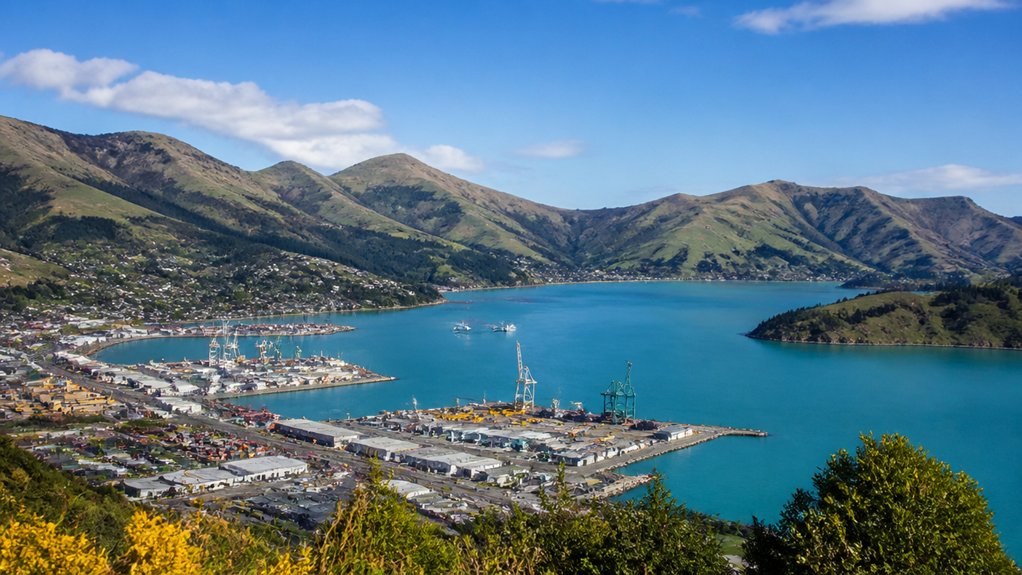
Christchurch’s cruise terminal is at Lyttelton, a harbour town about 20 minutes by road from the city centre through the tunnel under the Port Hills. You can’t walk off the berth, so everyone starts on the port shuttle, which runs either into Lyttelton township or straight into the city, and buses and taxis also leave from Lyttelton.
The terminal itself is purely functional. You’ll find a basic café, a few retail outlets, and information desks, but there’s little reason to linger inside. The city itself is where you should focus your energy—it’s still visibly in recovery mode from the 2011 earthquake, and this honest state of reconstruction gives it a character that feels more genuine than manicured cruise destinations.
Timing matters for your experience here. Winter brings colder temperatures and frequent rain, so layering becomes essential. Summer attracts larger crowds and more organised tour groups, while the shoulder seasons offer steadier weather without the congestion that peak months bring.
Booking independent tours in advance costs considerably less than ship-organised excursions and gives you far more control over how you spend your time. You can explore guided excursions led by local operators who know the area better and can tailor experiences to what actually interests you rather than following a standardised script.
Getting From the Port To Town
Walking from the terminal into central Christchurch isn’t possible, as pedestrians aren’t allowed in the road tunnel, but once the shuttle drops you in the city the centre is easy on foot and beats most transport options for getting a feel for the place. You’ll see the actual neighbourhood as it exists—the mix of rebuilt and older colonial structures, the street art that appeared after the earthquake, the ordinary pubs where locals actually spend their time. You get some context about the place rather than just coordinates.
Taxis and rideshare cars are available from Lyttelton and will get you into town without fuss, though the cost catches most people off guard for what amounts to a short drive. If you’re travelling as a group, the per-person fare becomes less painful, but solo travellers will find the bus cheaper and equally dependable.
The local bus network picks up in Lyttelton township, close to where the port shuttle stops, and runs regularly into the city centre throughout the day. You’ll buy your ticket on board or at a nearby shop, and it helps to have small change because some drivers prefer it. The journey is straightforward—direct through the tunnel, and full of residents rather than organised tour groups, which tells you something useful about how this city actually functions.
All three options get you into town and ready to start your day within a reasonable timeframe, with money in your pocket and enough basic knowledge to move around without hesitation.
The Must-Do Experience: Start Here
The Canterbury Museum is still worth your time, more than the earthquake recovery narrative everyone assumes you’re here for, though its main Rolleston Avenue building is closed for redevelopment. In the meantime a smaller pop-up museum on Gloucester Street keeps part of the collection on show, and it’s an easy walk from the city shuttle stop on Cashel Street.
Check what’s on display at the pop-up before you go, as it shows a selection rather than the full permanent collections, and plan your time around what’s there. Donations make sense once you see the work involved in keeping the collection going through the rebuild.
Book an independent walking tour of the central city in advance online if you want decent value. The guides who actually know which rebuilt areas matter and which streets have fundamentally changed fill up quickly during cruise season, so sorting this before you arrive beats taking whatever the ship offers. You’ll understand the city’s actual geography and recovery patterns rather than following a generic route.
History Culture and the Top Sights
Christchurch’s rebuilt city centre contains far more colonial-era buildings than you’d anticipate given the earthquake damage, making a walking exploration genuinely worthwhile instead of the superficial tour cruise companies promote. Cathedral Square functions as your logical starting point, though expect it to be crowded with both locals and tourists throughout the day. The Anglican Cathedral remains under reconstruction, so plan around an incomplete structure and treat the square mainly as a reference point before heading outward into the surrounding streets.
The streets branching from the square yield more substantial finds than the square itself. You’ll encounter independent cafés serving competent coffee without inflated prices, boutique retailers, and heritage buildings that withstood the seismic activity intact. These aren’t tourist traps but actual places where local commerce and daily life continue.
The Arts Centre Te Matatiki Toi Ora occupies the former University of Canterbury campus and distributes galleries, studios, and performance venues across multiple heritage structures spread across connected grounds. Wandering the courtyards and outdoor spaces costs nothing, though specific exhibitions inside buildings carry admission charges. The centre represents how Christchurch’s cultural institutions genuinely operate rather than the polished version presented in official promotional materials.
The Botanic Gardens sit along a bend in the Avon River and offer a genuine escape from the urban environment if you need one. The grounds are maintained by staff with actual investment in the plants and landscaping rather than cursory upkeep. This is where residents go for quiet time rather than where tour groups concentrate, which means you experience a functional part of the city rather than a zone engineered for visitors.
Beyond the Centre: Day Trips and Alternatives
Day trips from Christchurch require planning ahead because the city’s remoteness means you can’t wander onto a bus and stumble across attractions as you might in more connected places. Banks Peninsula sits close enough to reach without excessive travel time, yet far enough that treating it as a rushed excursion defeats the purpose—the volcanic landscape formed by two collapsed calderas deserves proper attention. Akaroa, the settlement occupying one of those calderas, attracts cruise passengers in numbers large enough that independent tour operators book out weeks in advance, so arranging a guided tour online before arrival gives you better availability and pricing than buying through the ship.
Renting a vehicle offers genuine freedom if you’re comfortable driving unfamiliar roads, and the cost drops substantially when you split it among several people. The drive to Akaroa takes you through working farmland and forest that actually show you how the region functions rather than presenting polished attractions designed for postcards, and you can stop anywhere without clock-watching imposed by a tour schedule. This approach reveals Christchurch as it actually exists rather than as a curated experience.
The Port Hills provide accessible walking if you’d rather stay nearby, with paths that show you across Lyttelton Harbour toward the Canterbury Plains—a vantage point most cruise passengers miss because they stay in the city centre or follow the ship’s packaged options. Starting early from the port, walking through the hills in the morning, then returning for lunch and time at the Arts Centre before departure uses your port day efficiently without chasing manufactured experiences. You see what matters rather than what someone else decided you should photograph.
Shore Excursion or Going It Alone
The ship’s excursions from Christchurch offer predictable experiences—a coach journey to Akaroa with a brief stop, a winery visit structured around retail, a “highlights” route that shows you little more than what passes by your window. You’ll pay substantially more than independent alternatives while locked into the ship’s timetable, which forces you to either rush through worthwhile spots or waste time waiting around.
Going independently works best if you arrange a vehicle rental beforehand, though taking a taxi to a specific location like the Arts Centre or Botanic Gardens and exploring on foot costs considerably less than you might assume and eliminates the anxiety of driving unfamiliar streets. Local operators offer tours with better value than cruise packages, and they book up quickly during peak season, so reserving online before you dock gives you access to options and rates the cruise desk simply won’t have.
Your choice fundamentally comes down to how much control you want over your day. Ship excursions suit you if you value certainty—departure and return times fixed, no navigation required. Independent travel suits you if you’re prepared to do some planning ahead and you can enjoy lingering somewhere without constantly checking the time. Either way, secure your tour or rental before you arrive, because the best options disappear once people start booking from the port.
Before You Leave the Ship: Christchurch Practicalities
The cruise desk will direct you toward the city centre because it’s simple logistics, not because it’s where you should spend your time. The actual worth of Christchurch sits in the neighbourhoods away from the main grid, where you’ll encounter actual residents instead of fellow passengers cycling through the same retail precincts.
Most cruise visitors default to the central area because it’s flat and requires no planning. The Arts Centre occupies converted Victorian buildings with independent galleries and cafés that charge normal prices rather than the inflated tourist rates on the main shopping streets, and you’ll actually see people who live here. The Botanic Gardens require a short journey but deliver genuine peace without the compressed experience of a guided tour that moves you through everything in under two hours.
Booking a local guide makes sense if you want substance rather than surface coverage. Operators focusing on the rebuild narrative, Māori heritage, or street art provide actual knowledge at better value than the packaged ship tours. Reserve these before you arrive since availability disappears quickly during busy seasons.
Akaroa merits the independent effort to reach it. The small harbour town remains genuinely appealing because the scheduled coach operators don’t linger long, which means you experience it differently when you’re not watching the dock departure time. Arrange a rental car or driver beforehand rather than relying on what the ship offers.
Your Port Day: A Sample Itinerary
Christchurch’s port is at Lyttelton, but the shuttle gets you into the city centre quickly enough that a standard port day can actually yield something substantive if you plan it correctly.
Start your morning by taking the shuttle straight into the city grid, but don’t linger there. Grab coffee somewhere ordinary on your way through — you’ll need the caffeine more than the souvenir shopping experience. Head straight to the Arts Centre, where converted Victorian buildings house independent galleries and cafés with reasonable prices. Spend proper time there rather than circling the retail precincts, and you’ll have actually seen how this city functions beyond the cruise terminal.
By midday, head to the Botanic Gardens. The journey is straightforward, and arriving mid-morning means you’ll avoid the worst of the midday heat and the afternoon tour groups. Walk the riverside paths without rushing, find a bench where you can sit properly, and enjoy genuine quiet instead of the compressed experience of a guided tour rattling through everything.
For your afternoon, either return to explore the street art neighbourhoods around central Christchurch — where you’ll see the rebuild story written across buildings — or consider booking an independent local guide in advance if you want depth on Māori heritage or the city’s regeneration narrative. The best guides fill quickly during cruise season, so arrange this before you arrive. This approach costs considerably less than ship excursions and you’ll actually finish your day knowing something rather than simply having been somewhere.
Book your Christchurch day
Tours for this port, compare before you book
Getting around in port