Grenada Cruise Port Guide
Smart travelers skip overpriced tours and crowded attractions—discover insider secrets to maximize your Grenada port day.
In this guide
Try one free personalised day plan — built around your ship’s actual arrival and departure times. Then get every port on your cruise done the same way from £7.99 (about $10).
Cruise Port Overview: What to Expect
Grenada’s cruise terminal is compact, which means shorter queues than you’d encounter at larger Caribbean ports, but also that the waterfront shops and restaurants become crowded within minutes of your ship docking. The genuine advantage lies in how close you are to the actual island—you can reach neighbourhoods where locals live without spending hours in transit.
The terminal sits in St. George’s, the capital, so you’re already positioned in the island’s cultural centre rather than at some isolated dock miles from anywhere useful. Security and immigration processing move at a reasonable pace, though this varies depending on how many ships have arrived simultaneously. Once cleared, you’ll see taxis, minibuses, and tour operators waiting outside, and they’ll quote you significantly inflated fares based on the assumption that cruise passengers don’t know any better.
Before accepting any quoted transport rate, ask several operators what they’re charging and listen to what locals are actually negotiating. Booking an independent tour operator online in advance works better—the reliable ones fill up quickly when ships are in port, and you’ll pay less whilst getting a guide who isn’t rushing through a standardised script. The waterfront is fine for a brief walk, but if you stay there expecting to experience actual Grenada, you’ll be disappointed; the real activity happens inland in the markets, residential areas, and smaller bays where your money goes further and you’ll actually encounter people who live here.
Getting From the Port to Town
The walk from the cruise terminal into St. George’s proper takes you through an initial stretch where prices climb and authenticity drops. Taxi drivers stationed directly outside the terminal know you’re constrained by your ship’s schedule and quote fares that bear little relation to what you’d pay by walking further inland and hailing a cab on an actual street. The moment you step away from the dock, the numbers change.
Minibuses operate from stands a short walk inland and cost significantly less than what cruise passengers are typically quoted, though they stop constantly and follow no published timetable. These are how locals move around the city, which means they’re practical if you know your destination but frustrating if you’re still deciding. If you’ve arranged an independent tour operator in advance, they handle your collection and eliminate the negotiating stage entirely, leaving you with a fixed rate you already understand.
Walking into town yourself is feasible and reasonably safe during daylight when the port is active, though the streets are steep and the layout can disorient visitors unfamiliar with the geography. Phone navigation tends to fail in Caribbean ports, so asking locals for directions works far better than staring at a screen. Consider purchasing a local eSIM data plan before your cruise to maintain reliable connectivity for maps and communication throughout your port visit. If you’re planning a half-day of solo exploring, the walk gives you an unfiltered sense of how the city actually functions and leaves money in your pocket for decent food, a guide who understands what they’re discussing, or transport out to the quieter bays where you’re not constantly watching the clock.
The Must-Do Experience: Start Here
Grenada’s practical advantage is that nearly everything worth doing sits within walking distance of the port, which means you don’t face the usual choice between exploration and catching your ship back on time. Most cruise passengers book organized excursions to beaches or spice plantations without realizing they could spend far less money and have a genuinely useful experience simply by walking through the city themselves. Consider booking a guided excursion through the port to complement your independent exploration and maximize your time on the island.
Your best use of port time is walking through St. George’s as it actually functions—not checking off a tourist list, but observing how a Caribbean city operates when no one is performing for visitors. The streets climb steeply from the waterfront into a working urban centre where you’ll encounter fruit vendors, schoolchildren in uniform, and people conducting ordinary business. This context matters because it shapes how you understand the rest of the island and its history rather than filtering everything through a resort-visitor lens.
Before leaving the terminal, establish one concrete waypoint—the market, the cathedral, a specific lookout—and work backwards from your ship departure time. Walking Caribbean heat without direction exhausts you quickly and leaves you disoriented, but walking toward one clear anchor point lets you move around productively and still return without rushing. Ask one specific question of port staff rather than requesting general suggestions, since locals have better instincts about what’s actually worth your limited hours than printed guides do.
History Culture and the Top Sights
Grenada’s colonial architecture tells you something practical: the island was built for trade, not tourism, which means what matters most isn’t packaged into experiences. The cathedral dominates the skyline deliberately—it was badly damaged by Hurricane Ivan in 2004 and has since been restored, and standing inside it gives you genuine context about the island’s complexity rather than simplified history. Fort George sits above the city centre and offers views that actually help you understand how the city is organized geographically, which is more useful than memorizing historical dates.
The real understanding comes from walking the streets themselves. The architecture shifts as you climb—grand colonial buildings give way to modest residential streets, then to modern developments—and this progression shows you how Grenada moved through time rather than how it’s been preserved for outsiders. The spice markets near the port are functioning commercial centres where you can buy nutmeg or cocoa at a fraction of what cruise excursions charge, and the vendors will explain what they’re selling to someone genuinely interested rather than someone checking things off a list.
Organized heritage tours that bundle multiple sites into a rushed morning leave you with surface knowledge and lighter pockets. Instead, pick two locations—the cathedral and one fort—walk between them at your own pace, and spend whatever time remains in the market or a street-level café watching the city function. You’ll retain more useful knowledge and spend considerably less than passengers who pay for guided experiences covering the same ground in half the time.
Beyond the Centre: Day Trips and Alternatives
Grenada’s worthwhile experiences exist outside the cruise port area, yet most ship passengers never find them because the island’s public transport system isn’t designed to be obvious to arriving visitors. The actual obstacle isn’t how far things are—it’s knowing which way to head and how to avoid paying inflated rates for transport and tours.
Start by being honest about your tolerance for exploration. Some people genuinely prefer a few hours walking around St. George’s centre, and that’s a valid choice. The waterfall and beach trips that cruise companies advertise as essentials do deliver real attractions, but they cost substantially more through the ship than if you’d arranged independent operators beforehand. Tour spaces fill quickly, especially slots reserved for cruise passengers, so research operators online before departure and book your place in advance. This approach costs less and prevents the frustration of arriving only to find everything sold out.
Staying near the port actually advantages you through time efficiency rather than proximity. Walking north from the dock into residential areas gives you access to working markets, local rum shops, and the everyday functioning of Grenada that organised excursion groups deliberately avoid. Food and drink expenses drop significantly, and you see how people actually live rather than the tourism version constructed for visitors.
The practical reality is straightforward: determine whether you want a guided experience or independent wandering, then fully commit to that approach rather than splitting your energy between both. Either option works fine; attempting both leaves you rushed and dissatisfied.
Shore Excursion or Going It Alone
The ship’s excursion desk profits by selling you convenience, not value, and Grenada is where this gap widens clearly. A guided tour through the cruise company costs considerably more than booking the same operator directly online beforehand—you’re paying for the administrative middleman, not better access or expertise. Independent operators actively compete for cruise passenger bookings and often offer better rates when you contact them ahead of arrival, plus you avoid the pressure to decide within hours of docking when your options feel limited.
Going entirely alone works perfectly if you’re comfortable maneuvering local transport and asking directions, but it requires genuine confidence rather than vague optimism. The reward is authentic interaction and notably lower spending, though you’ll move more slowly and occasionally take wrong turns. If you choose this approach, stick to areas within walking distance of the port initially; local minibuses exist but aren’t intuitively obvious to newcomers, and you’ll spend time figuring out routes better spent actually experiencing the island.
The practical sweet spot for most cruise passengers is booking one independent tour in advance—a waterfall swim or beach trip with a local operator—then spending remaining time exploring on foot near the port. This combination gives you a structured activity that feels secure and a genuine slice of daily Grenadian life without overcommitting your limited hours. Ring your chosen operator two days before arrival to confirm timing and exact meeting point; arriving without this clarity wastes precious port time in logistical confusion.
🗺️ Tours & Experiences at This Port
Skip the ship’s overpriced excursions — browse top-rated independent tours trusted by thousands of cruise passengers.
Grenada: The Details Nobody Mentions at the Port Talk
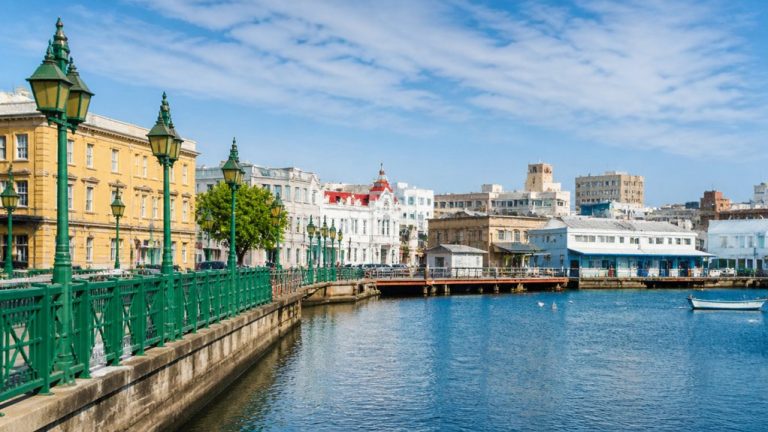
You don’t need the shuttle bus the cruise desk sells for St. George’s. The Melville Street cruise terminal opens straight into the town centre, so the market, the Carenage and the old streets are all a short walk away. Keep a local taxi from the rank outside the port gates for trips further out, such as Grand Anse Beach, and agree the fare first.
The Grenada National Museum occupies a colonial building near the waterfront and charges modest admission for actual local history rather than the sanitised versions peddled on ship excursions. If you have an hour available, the museum justifies the visit. The real savings come when you eat: restaurants clustered near the terminal charge tourist rates, but walk slightly inland toward the market and you’ll find where locals spend their money—the food tastes better and costs considerably less.
Grenada uses British-style three-pin sockets at 230 volts, so UK chargers fit without an adapter, while visitors from North America or Europe will need one. If you’ve forgotten yours, ask your taxi driver to point you towards a shop that sells them. Fort George offers views across the port and surrounding area, but only if you climb during daylight hours, because arriving late means descending in dim light, which creates genuine safety concerns and throws your schedule off balance.
🗺️ Tours & Experiences at This Port
Skip the ship’s overpriced excursions — browse top-rated independent tours trusted by thousands of cruise passengers.
Your Port Day: A Sample Itinerary
Most port days in Grenada fail because of poor timing—you’ll either waste hours waiting for transport or sprint back to the ship with no margin for error.
Get a taxi straight to the Grenada National Museum as soon as you leave the port gates. Arriving early means you’ll move through before the cruise groups cluster around the exhibits, giving you forty-five minutes to absorb what actually matters about the island’s history before heading inland toward the market district. Eat breakfast where locals do, not where cruise staff direct you, which puts you ahead of the organised groups and gives you genuine time to explore without that constant pressure to move faster.
Fort George requires a moderate climb but the views from the top are what you actually came for, not what appears in the excursion brochures. Time your visit for mid-afternoon when the light works in your favour and you’ll have plenty of daylight left to descend without rushing. Bring enough water—the path is straightforward but the heat is real and you’ll find no shade halfway up.
By late afternoon, work your way back toward the old town waterfront where the market stalls and smaller shops have thinned out from the morning rush. Find a restaurant a short walk away from the terminal area and you’ll pay less while eating food that actually reflects how people cook here rather than what tourism has modified. Walk back to the port slowly, leaving yourself at least forty minutes before the all-aboard time, because arriving flustered and rushed defeats the entire point of going ashore.
This approach keeps you moving with purpose rather than panic, maximises what you actually see and experience, and ensures you’re never scrambling to find transport back to your ship.
Booking ahead gives you a choice of trips rather than whatever is left on the day. the tours running in Grenada is a good place to start.
🗺️ Tours & Experiences at This Port
Skip the ship’s overpriced excursions — browse top-rated independent tours trusted by thousands of cruise passengers.
Book your Grenada day
Tours for this port, compare before you book
Getting around in port