Paros Cruise Port Guide
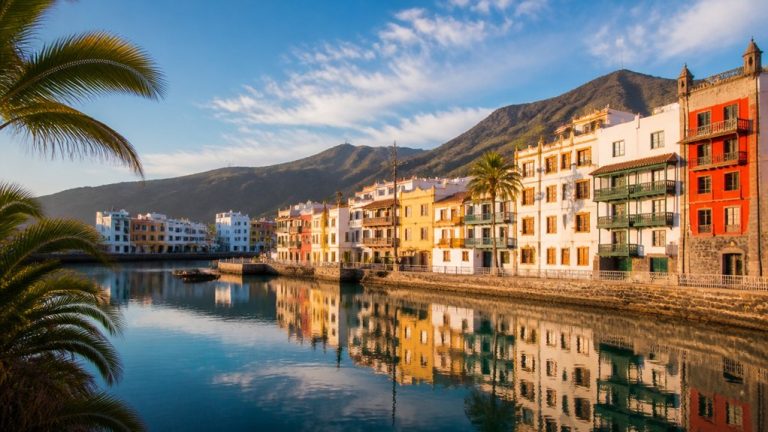
Overlooking ancient marble quarries and charming tavernas, discover why Paros remains the Mediterranean’s best-kept secret.
In this guide
Try one free personalised day plan — built around your ship’s actual arrival and departure times. Then get every port on your cruise done the same way from £7.99 (about $10).
Cruise Port Overview: What to Expect
Paros is less crowded than Mykonos and Santorini, which means you’ll actually navigate the island without constant jostling. Larger ships anchor offshore and tender you in, while smaller ships can tie up at the quay, but either way you land at the main harbour in Parikia, the capital, directly in the town centre without needing a shuttle—a genuine advantage when your port time is short. The trade-off is that the waterfront absorbs cruise passengers during peak arrivals, so the streets immediately around the dock won’t feel peaceful.
The town splits into two distinct zones. The harbour-front strip is entirely geared toward visitors and prices reflect this, but moving inland a few minutes brings you to where locals eat, tavernas cost less, and the place actually functions as a community. Parikia is small enough that switching between these areas takes minimal effort and feels natural rather than disorienting.
Most cruise passengers follow the standard routine: a circuit around the main square, possibly the Venetian castle ruins, maybe a beach visit. This works fine if beaches are your reason for stopping, though Paros offers more substantial appeal elsewhere. The marble quarries and inland villages provide genuine contrast to the standard Greek island experience, and tours to these areas get booked out well before your port day arrives. Consider booking guided tours and shore excursions in advance to secure your preferred experiences and ensure availability. Arranging these independently before your cruise day is both cheaper than ship excursions and more likely to actually happen, since they fill quickly as word passes among experienced cruisers.
Getting From the Port to Town
The walk from your ship to Parikia’s centre takes you past other passengers heading inland from the dock, and following this flow means you won’t need to think about navigation. This simplicity is actually your best asset on Paros, since many Greek islands trap you in shuttle queues or force you into taxi negotiations before you’ve properly got your bearings.
Taxis will cost you money for a journey that doesn’t warrant it, and the waterfront drivers understand exactly how disoriented cruise passengers feel in their first moments ashore. Walking gets you into town under your own control, costs nothing, and lets you understand the town’s layout as you go. The route is straightforward enough that you won’t doubt yourself, and the harbour views during the walk are genuinely worth your attention.
If you’re planning an independent tour to the marble quarries or villages, book your operator online well before arrival since the better ones fill up with cruise passengers quickly. Confirm your exact meeting point with the operator before you dock, because many tours assemble passengers from Parikia’s main square or a specific café rather than from the dock itself. Write down the precise location and a description of your guide, since phone signal in port is unreliable and you’ll need this information as backup if you can’t find them.
The Must-Do Experience: Start Here
The marble quarried in Paros supplied ancient Athens, and standing in those quarries shifts how you actually understand the island’s economy and history. This is geology and labour stripped of any museum presentation—ancient galleries left much as the last quarrymen left them, which matters because it shows you what the place actually is rather than what it performs for visitors. Your first decision on arrival determines your entire day: either explore Parikia itself or travel inland to the quarries and surrounding villages.
If the quarries genuinely interest you, arrange a tour operator before you arrive, since the competent ones book solid with cruise passengers and the quality gap between a hurried group experience and a proper guided tour is substantial. Write down your exact meeting point once confirmed, because mobile signal fails regularly and you’ll need this information as backup. This preparation prevents wasting your port time on logistics.
If you’re based in Parikia, the waterfront cafés pull you in immediately but charge accordingly—better food and pricing exists a few streets inland in the residential areas where locals actually eat. Walking beyond the immediate harbour into these streets takes minimal effort and physically separates you from the cruise crowd. The marble economy remains visible throughout these neighbourhoods: in the stones buildings are made from, in active workshops, in the island’s long history of quarrying and craftwork.
Your strategy works best if you commit to one focus before docking rather than deciding once you’re on the pier. Whether that’s the quarries or the town’s working districts, having chosen means you move with purpose instead of drifting through the tourist zone by default.
🗺️ Tours & Experiences at This Port
Skip the ship’s overpriced excursions — browse top-rated independent tours trusted by thousands of cruise passengers.
History Culture and the Top Sights
Parian marble shaped the island’s economy and visual character—what you’re looking at wasn’t selected for beauty but extracted from the hills inland. The architecture, the hillside quarry marks, the active stone workshops, entire neighbourhoods built from excavated material—these tell you what matters here more directly than any museum display.
The Archaeological Museum in Parikia contains significant marble sculptures and Cycladic figurines, but cruise ship timing makes it moderately crowded and it functions better as shelter during bad weather than as a priority. The Church of Ekatontapiliani dominates the waterfront with its whitewashed walls and costs nothing to enter, though you’ll need respectful dress and should expect it becomes congested during peak cruise hours when contemplative viewing becomes difficult.
Your time yields more genuine understanding by walking through residential Parikia, where marble gets worked in small studios and you see how the island’s economy actually operates rather than its staged version. The workshops cost nothing to observe, and craftspeople typically answer questions—this requires only your time, provides real insight, and keeps money moving through local hands instead of institutional budgets. If quarry operations genuinely interest you after reading about them, booking a guided tour in advance provides context you won’t develop alone, and advance booking also secures availability where last-minute decisions often fall through.
Beyond the Centre: Day Trips and Alternatives
Ship excursions to Paros bundle you onto a coach with two hundred other passengers for a sanitised version of the island, which defeats the purpose entirely given how walkable and navigable Paros actually is. The real question isn’t whether to book a tour, but whether you need one at all—and for most cruise passengers with a full day, you genuinely don’t. The port sits integrated into Parikia itself, so you’re already in the interesting bit.
Walking the residential streets, watching marble being worked in small studios, and observing the Church of Ekatontapiliani requires nothing except your legs and curiosity. If you want structure and local context without the cruise ship markup, booking an independent walking tour in advance costs considerably less than ship offerings and keeps numbers manageable, which matters when you’re trying to actually understand how the island functions rather than photograph it quickly.
Hiring a local driver or joining a small group tour booked independently online gives you genuine flexibility and access to working quarries or quieter villages if those genuinely interest you. These fill fast during cruise season, so advance booking secures the best operators rather than whoever happens to have availability when you disembark. For most visitors, several hours exploring Parikia on foot, an unhurried lunch at a family taverna away from the waterfront, and time spent simply watching how things work yields far more actual understanding than rushing through a structured itinerary. You’re not rushed here unless you make yourself rushed.
Shore Excursion or Going It Alone
The port authority doesn’t advertise it, but Paros has a genuine problem with tour operators overselling capacity during cruise season, which means independent bookings made in advance actually secure better operators than those available when you arrive. The cruise desk relies on bulk partnerships that prioritise volume over experience, leaving you in a coach heading somewhere you could easily reach yourself while paying considerably more for the privilege.
Going it alone works because Parikia is genuinely small—you can explore the centre, marina, and marble studios on foot without feeling rushed. The real advantage of staying independent is flexibility: you can linger at a workshop if someone’s actually working, sit at a café without feeling obligated to order something immediately, and adjust your afternoon based on how your morning unfolds. This rhythm matters far more than ticking off predetermined stops.
If you want guided context without cruise pricing, book a small group walking tour in advance through independent providers online. These fill fast during cruise season, so reserving ahead guarantees you’re with an actual local guide rather than whoever happens to have spaces left when you disembark. The cost difference is substantial compared to ship offerings, and the group stays small enough that you actually learn something beyond surface-level facts.
The waterfront restaurants visible from your ship charge peak season rates; walking inland to where locals eat reduces what you pay considerably whilst giving you genuinely better food. Plan your afternoon before disembarking so you’re not making decisions in real time while surrounded by other passengers doing exactly the same thing.
🗺️ Tours & Experiences at This Port
Skip the ship’s overpriced excursions — browse top-rated independent tours trusted by thousands of cruise passengers.
The Practical Details That Change Your Day in Paros
Paros runs on a seasonal rhythm that most cruise passengers never notice: marble workshops close between midday and late afternoon, which means arriving at one after lunch leaves you watching shuttered doors instead of artisans at work. The locals who actually know the island time their visits for morning, when you can watch craftspeople shaping stone and understand why this place matters beyond being a backdrop for photographs. This single timing detail transforms your afternoon from frustrating to manageable if you plan around it.
The ferry quay closest to Parikia’s centre looks chaotic during cruise days, but that’s precisely why independent ferries to nearby islands—Antiparos particularly—leave with spare capacity while ship excursion boats sit full. If exploring beyond Paros appeals to you, booking a ferry ticket independently online beforehand costs considerably less than organised island-hopping tours and gives you actual autonomy over how long you stay anywhere. You’ll also avoid the predictable queuing that happens when entire coach groups descend on the same beach simultaneously.
The Archaeological Museum genuinely rewards time spent there if you want to understand the island’s significance, but cruise passengers often skip it because they assume it’s a formal, lengthy experience. It isn’t—you can move through meaningfully in less time than you’d expect, and the context it provides transforms what you see in the workshops and streets afterwards. Walk there directly from the port rather than treating it as an afterthought, since queues grow noticeably through midday.
🗺️ Tours & Experiences at This Port
Skip the ship’s overpriced excursions — browse top-rated independent tours trusted by thousands of cruise passengers.
Your Port Day: A Sample Itinerary
Most port days in Paros collapse because passengers photograph things without understanding them. The Archaeological Museum matters first, the moment you leave the ship. Go there when queues are manageable and you can actually absorb what you’re looking at—marble isn’t just abundant here, it’s the foundation of everything the island is.
Spend an hour in the museum, then move into Parikia’s old town while the light works in your favour and streets still have space. The marble workshops operate through the morning, and you’ll see stone being cut and shaped if you walk through before the midday shutdown. Walk inland from the waterfront for lunch at a taverna that actually serves locals—the food costs less and tastes better than anything near the ferry terminal.
Eat without rushing. This pause matters more than squeezing in another sight.
The afternoon is your problem to solve. Workshops close and cruise passengers flood the streets, so either swim at a nearby beach or take a separate ferry to Antiparos if you’ve booked it beforehand. Midafternoon on Paros isn’t useful for productive sightseeing; it’s dead time you should spend resting or moving away. Return to Parikia in the late afternoon when workshops reopen and light is warm again, watch the sunset from the waterfront without crowds, then walk back to the ship. You’ll have actually seen the place instead of just collected photographs of it.
🗺️ Tours & Experiences at This Port
Skip the ship’s overpriced excursions — browse top-rated independent tours trusted by thousands of cruise passengers.
Book your Paros day
Tours for this port, compare before you book
Getting around in port