Safaga Cruise Port Guide
Navigate Safaga’s hidden gems beyond the functional port—discover why independent planning trumps ship excursions, but there’s one critical mistake most cruisers make.
In this guide
Try one free personalised day plan — built around your ship’s actual arrival and departure times. Then get every port on your cruise done the same way from £7.99 (about $10).
Cruise Port Overview: What To Expect
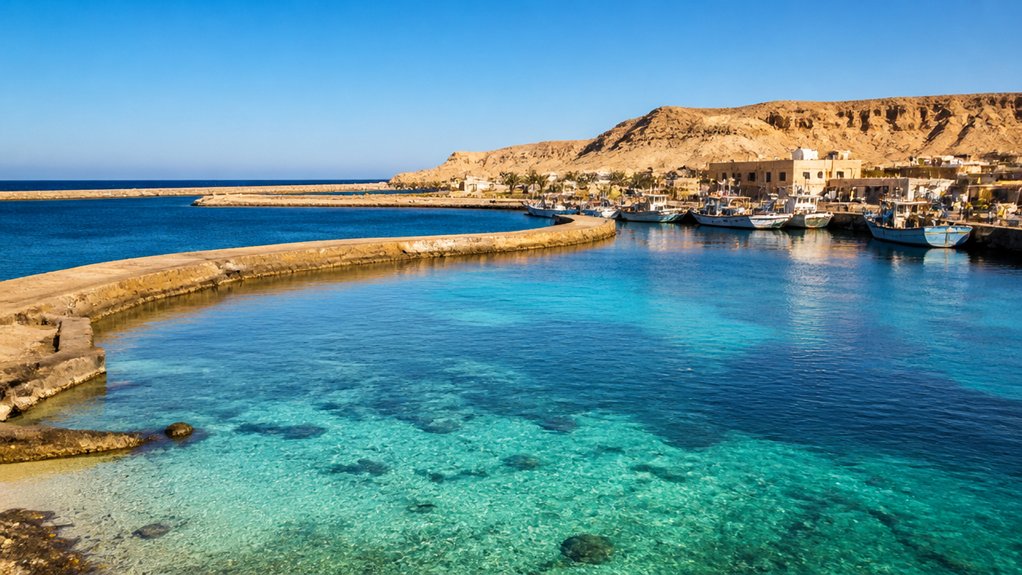
Safaga operates as a functional harbour rather than a tourist attraction. You won’t find the packed medinas or aggressive vendors typical of other Egyptian ports—instead you get a working waterfront where local commerce takes priority over cruise passengers. The terminal itself is basic, and touts cluster near the exits, but they’re more persistent than threatening, so walking past them with purpose works fine or arranging your own transport beforehand removes the issue entirely.
The fundamental constraint here is geography. Safaga sits isolated from major attractions, which means anything worth your time requires either independent transport or a pre-arranged tour. The town itself offers little beyond a few cafés and a small market, so staying put wastes your port day.
Your actual value lies in two directions: diving and snorkelling in the Red Sea, or heading inland to Luxor’s temples and tombs. Most ship-organised tours charge heavily for slow-moving, mediocre experiences, whereas independent operators available online cost considerably less and move at your pace. Popular Red Sea dives and Luxor trips book out quickly during season, so planning before you arrive matters more than usual.
Most passengers either ignore the port entirely or pay inflated prices for tours that disappoint. The practical approach is booking one solid experience weeks ahead and spending remaining time in Hurghada’s waterfront area or eating where local people actually eat. Safaga functions as your departure point, not a destination in itself—treating it that way determines whether your day works or doesn’t.
Getting From the Port To Town
Getting from the terminal to town on foot takes considerably longer than most people anticipate, and the heat compounds the sluggishness of the journey. Taxis are scarce at the port, and if you find one you need to agree on a fare before getting in—drivers targeting cruise passengers routinely quote inflated prices, so negotiate the cost upfront rather than arguing about it once you’ve arrived at your destination.
The more practical approach is arranging a driver before you board. Independent operators based in Safaga collect passengers from the terminal at rates well below what the taxi rank charges, and you sidestep the negotiation entirely. Booking online a week or two beforehand costs significantly less than sorting something out on the day.
If you’ve booked a tour to Luxor or the Red Sea dive sites, your operator usually handles collection as part of the package, making this decision irrelevant. Most independent services send someone to meet you at the terminal entrance with a placard bearing your name—just confirm the pickup details the evening before departure.
Spending time in Safaga town itself wastes both money and hours. The waterfront cafés charge over the odds for ordinary food, and the area contains nothing worth lingering for during a port day. Treat the town as a transit point only, heading directly to your booked activity or moving on to Hurghada if you want genuine choices for restaurants, swimming and walking without feeling pressured.
The Must-Do Experience: Start Here
Most cruise passengers arrive at Safaga expecting to dive or desert-trek immediately, only to find that the best experiences require advance booking and aren’t available on a last-minute basis. Your real decision isn’t about which activity to choose but rather whether to commit to a full-day excursion to Luxor’s temples or stay closer to base for Red Sea diving or snorkelling. Both require planning from home, and both consume your entire port day.
If Luxor appeals to you, book an independent tour operator before your cruise departs. The ship’s excursion costs considerably more than arranging the same itinerary yourself, and you’ll travel with fewer people, which matters when you’re exploring ancient sites in heat. Popular operators fill their Luxor slots well in advance during peak season, so booking from home is essential to avoid disappointment.
If diving or snorkelling suits you better, book a Red Sea operator before travelling as well. The coral here remains relatively intact compared to heavily trafficked Egyptian dive sites, and even basic snorkelling offers reasonable visibility on calmer days. Weather can disrupt these plans more easily than land-based tours, so operators always offer alternatives or rebooking if seas run rough.
Either way, you’re not simply wandering Safaga’s forgettable waterfront—you’re committing to something that requires planning and follow-through before you leave home.
History Culture and the Top Sights
Safaga is one of the older Red Sea ports, but today it is mainly a working port for phosphate exports, ferries and cruise ships, with little history on show. You’ll find no old town, no ancient ruins within reach of the harbour. The waterfront consists of functional structures: restaurants that exist because ships dock here, stalls selling identical souvenirs, and tour operators who depend on your either being bored or having nowhere else to go.
The town operates on a binary system. Either you book an organised excursion to somewhere else, or you wander the main street and spend too much on mediocre food while being persistently approached by vendors. There is no third option, and pretending otherwise will drain your port time without delivering anything worthwhile.
There’s no museum or historic sight in Safaga worth building a port day around. You’re better served spending your time either on water-based activities from the port or traveling inland to Luxor, where the historical sites are substantial enough to justify the effort. Casual local exploration here produces tourist prices and nothing else.
Beyond the Centre: Day Trips and Alternatives
Safaga exists because of the Red Sea, and most people with sense leave town the moment they dock. Your realistic options split into two categories: underwater diving and snorkelling, or inland temple visits that demand a proper time commitment rather than a rushed afternoon.
Booking dives and snorkelling trips before arrival matters significantly. The reefs worth visiting fill up during cruise season because independent operators run limited slots, and the waterfront vendors hawking last-minute spots typically have access only to the sites already picked clean by every other ship passenger. Arranging through an independent operator costs less than cruise line excursions and gives you actual water time instead of queue time.
Luxor requires you to commit to a full day or abandon the idea entirely. The temples justify the journey if your schedule accommodates a lengthy port day, but the distance makes casual visits impractical. Transport logistics are straightforward—either join an organized tour handling all arrangements or hire a private driver for the round trip, which often proves cheaper than ship excursion rates when divided among passengers, though booking ahead prevents the inflated rates charged by whoever remains available on arrival day.
Shore Excursion or Going It Alone
The cruise line charges substantially more for the same dive site or temple tour you can arrange independently. You’re paying for convenience—someone else handles the logistics—which matters only if your port time is genuinely limited to hours rather than days.
Independent dive operators know the reefs thoroughly and move between sites without the delays that bog down organised tours. You spend more time underwater and less time standing at the dock. The catch is booking ahead, since the best operators fill their boats by mid-season and whatever remains available on arrival day either costs more or operates from worse locations.
Temple visits through the ship do offer real advantage: everything logistical is sorted for you when you’re working with tight scheduling and unfamiliar transport systems. Private drivers booked through reputable platforms often undercut these prices considerably for small groups, and you can stay longer at sites that interest you rather than moving with the group’s fixed schedule.
Book your dives or temple tour online before arriving. Guided shore excursions booked in advance through established operators ensure you’re matched with experienced guides who know the local area well. This secures your spot with an operator you’ve vetted, locks in better rates, and removes the stress of hunting for quality options once you’ve docked. Your port day becomes something you manage instead of something the cruise line manages.
Before You Leave the Ship: Safaga Practicalities
Taxis are scarce at the port and fares are not regulated, so agree a price before you set off. Arranging transport through a pre-booked driver means someone expects you and knows your destination, which saves you from the back-and-forth haggling that eats into your limited port time. This approach works particularly well if you’re planning specific activities rather than wandering.
Independent dive operators typically run smaller boats than ship excursions, so you’re not jammed in with dozens of other passengers or competing for your guide’s attention. Book directly with an established operator before you sail and you’ll spend your time with experienced divers rather than a mix of cruise passengers trying their first dive. The difference in experience is substantial.
The souk near the port prices its goods according to ship schedules—costs climb when vessels arrive and drop when the port empties. If you want to buy textiles or spices without overpaying, walk through and note what interests you before opening your wallet, then return once you’ve seen enough to judge fair pricing. This removes the guesswork from vendor negotiations.
Bring cash in local currency, Egyptian pounds, because there’s no ATM at the port, though US dollars and euros are often accepted. Pharmacies near the port are reliable and cost considerably less than the ship’s medical centre for minor complaints, though your travel insurance should cover anything serious regardless of where you seek treatment. Keep your insurance documents accessible just in case.
Your Port Day: A Sample Itinerary
Safaga works because you can move between things worth doing without losing half your day to queues or overpriced tourist setups. Bring Egyptian pounds with you, as there’s no ATM at the port, then go straight to the Red Sea if diving or snorkelling interests you. Book your operator before sailing so you’re on a smaller boat where the guide actually talks to you instead of managing thirty people at once.
The water quality here means you want every minute underwater, not standing through lengthy safety talks on a crowded platform. By early afternoon when the heat keeps most boats in, head into town for lunch somewhere locals actually eat rather than the restaurants positioned for cruise passengers near the harbour. You’ll spend less money and get better food—grilled fish and mezze plates cost a fraction of what the ship charges for a basic sandwich.
Safaga rewards slowing down rather than rushing through a checklist. If you didn’t get on the water in the morning, the afternoon slots work well, or you can explore the souk when tourist numbers drop and you can actually move through it. Walk around without a fixed plan, let the place make sense on its own terms, then decide what genuinely interests you rather than what felt mandatory. You’ll actually experience something rather than just taking photos to prove you were there.
Book your Safaga day
Tours for this port, compare before you book
Getting around in port
✈️ Before you sail: eSIM, insurance, luggage, flight delays
Ships In Safaga
Upcoming calls from our sailings tracker, updated regularly.
Norwegian Sun
Norwegian Cruise LineSun 12 Sep
⚓ 09:00–22:00
MSC Sinfonia
MSC CruisesWed 27 Oct
⚓ 06:00–21:00
MSC Explora 1
MSC CruisesSun 21 Nov
⚓ 07:00–17:00
MSC Explora 1
MSC CruisesWed 8 Mar
⚓ 07:00–17:00