Doha Cruise Port Guide
Uncover insider tips for maximizing your Doha cruise port visit—discover which attractions are worth your time and which tourist traps to avoid.
In this guide
Try one free personalised day plan — built around your ship’s actual arrival and departure times. Then get every port on your cruise done the same way from £7.99 (about $10).
Cruise Port Overview: What to Expect
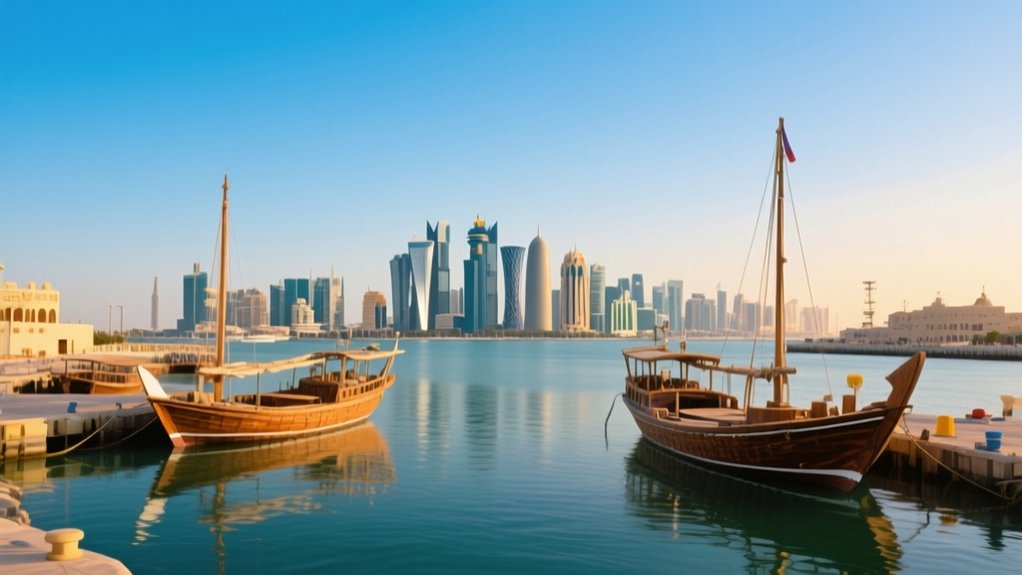
Doha’s cruise terminal moves you through quickly, which means you need to have a plan or you’ll squander your shore time before you realise it. The terminal sits on the Corniche in central Doha, close enough that reaching actual attractions takes minimal effort if you’ve thought ahead.
Beyond the terminal building itself there’s almost nothing worth your time. Overpriced souvenir shops and taxi ranks exist, but treating these as your port experience wastes what little time you have ashore. Most cruise passengers spend their morning browsing inflated gift shop prices or nursing coffee near the terminal, then scramble into the city with perhaps an hour remaining.
The immediate choice is between navigating the city yourself or booking a structured tour. If you know how to handle taxis and read a map, central Doha is manageable on your own, though the street layout can confuse first-time visitors. Pre-arranged tours—particularly those pairing the Museum of Islamic Art with waterfront walks or desert trips—eliminate navigation guesswork and force you to cover ground efficiently within your limited window. These tours fill with cruise passengers rapidly, so arranging them online before you arrive guarantees better selection and lower costs than booking onsite. Consider booking guided tours through established providers to maximize your limited time in port and ensure access to the most popular experiences.
Getting From the Port to Town
Official Karwa taxis run on the meter, so you don’t need to haggle over local rates. If a driver won’t start the meter, either agree on a price before getting in or book through the app, and take a screenshot of the quoted fare so there’s a record of what was agreed.
Pre-booking through a ride-hailing app solves this problem entirely. The fare locks in before you leave the ship, you can track your driver in real time, and there’s a digital record of everything. Download the app before departure when you have decent internet rather than fighting patchy signals at the terminal.
The terminal sits on the Corniche in the heart of the city, with the Museum of Islamic Art within walking distance and Souq Waqif and the National Museum of Qatar a short taxi ride away. Shared shuttle buses also run from the terminal into town, though a taxi or a walk along the waterfront gives you more control over your time.
Organised tours that include transport remove this entire headache. Reputable operators send drivers who already know cruise terminal procedures and passenger collection routines, bundling the drive into your excursion package. It costs more than arranging transport yourself but saves you from standing around confused at the terminal trying to figure out where to go.
The Must-Do Experience: Start Here
The Museum of Islamic Art deserves more attention than most cruise passengers give it. This isn’t a regional museum with local crafts—it holds one of the world’s serious Islamic art collections, and you’ll actually learn something about the artistic principles behind the work rather than just looking at objects.
Most people head to the Corniche or the souks because those sound more authentically local, but they’re also where cruise crowds concentrate. The museum stays relatively quiet, which means you can move through the galleries without feeling rushed.
The building sits on the waterfront prominently enough that you won’t miss it. Buy your ticket online before you leave the ship; it takes minutes and means you skip the queues at the museum.
Plan for a proper couple of hours rather than dropping in for quick photographs. The galleries follow a logical sequence, the information panels are straightforward, and the air conditioning provides genuine relief once you’ve been outside in the heat.
You’ll actually understand something about Islamic culture when you leave, which beats the surface-level impression you’d get from a rushed visit. The air conditioning and logical layout make this genuinely restful compared to crowded souks. Combining this with a walk along the Corniche gives you a port day that feels substantive rather than just ticking boxes.
The café prices aren’t worth it, so eat elsewhere afterward.
🗺️ Tours & Experiences at This Port
Skip the ship’s overpriced excursions — browse top-rated independent tours trusted by thousands of cruise passengers.
History Culture and the Top Sights
Doha’s history is shallow compared to other Gulf ports, which actually works in your favour during a port day. The older sites worth your time are genuinely reachable without needing weeks of exploration, and what’s left tells you something real about how people actually lived rather than serving as backdrop for photos. Al Zubarah’s ruins exist north of the city and contain actual evidence of pearl-diving trade and nineteenth-century Arabian life—substantially more informative than walking through reconstructed heritage zones designed for tourism.
The National Museum of Qatar occupies a striking modern building a short taxi ride from the terminal and covers the country’s shift from pearling economy to its present state. It fits a port day comfortably if you make it your main stop. If you want genuine historical context rather than surface-level familiarity, book an independent guide beforehand to cover Al Zubarah or the old pearl district; these tours fill quickly and guides provide perspective that plaques cannot, usually for less money than what the ship charges.
The souks near the Corniche market genuine textiles and traditional goods, but shopping there means navigating tourist pricing and aggressive sales tactics that wear you down. Smaller side-street shops offer better value and quieter browsing if you actually want souvenirs rather than a transaction experience. The Corniche walk itself costs nothing and shows you contemporary Doha without sales pressure, which makes pairing it with the Museum of Islamic Art a more substantive port day than moving between marketed attractions.
Beyond the Centre: Day Trips and Alternatives
Doha’s central sights sit close to the terminal, but the wider country spreads out, which catches most cruise passengers off guard. The National Museum of Qatar is a short ride away, while historical sites such as Al Zubarah lie far outside the city, so you’ll need transport to reach them. Ship excursions charge substantially more than booking the same activities independently, and a private guide or small group tour arranged beforehand costs considerably less while letting you set your own pace instead of following a predetermined schedule with dozens of other passengers.
Deciding which destinations warrant the journey requires honest assessment. Al Zubarah’s ruins genuinely repay the travel time if you’ve arranged a knowledgeable guide through platforms that connect you directly with local operators—you’ll understand the historical pearl-diving economy and see actual archaeology rather than tourism versions. The Museum of Islamic Art, by contrast, works better as an independent visit because the architecture itself is as significant as the exhibits inside, and you control how long you spend there.
Transport logistics matter more in Doha than at other ports, so approach this strategically. Karwa taxis run on the meter, and ride-sharing apps provide transparent pricing if you have mobile data. Booking tours through established local operators beforehand eliminates transport negotiation at the port gate when you’re depleted and short on time, and guides fluent in English come standard.
The best independent tours fill quickly during cruise season, so reserving your place online several days before arrival genuinely separates a rushed, frustrating day from one where you actually take something in. Mobile data lets you navigate and book on your own terms rather than relying on port information booths. Front-loading your planning means you arrive at the port with confirmed transport and a guide ready, rather than improvising with tired decision-making.
Shore Excursion or Going It Alone
Ship excursions to Doha’s main attractions cost considerably more than booking independently, and you’ll spend the first hour waiting for stragglers and the last hour queuing to reboard. The real saving isn’t just money—it’s reclaiming control over your pace and which sites actually interest you rather than following a predetermined itinerary designed for the slowest walker in your group.
Going alone requires preparation, but the infrastructure supports it well. Download a ride-sharing app before you dock, confirm your mobile data works, and book your tour or transport the evening before you arrive. This eliminates the chaos of the port gate where taxis quote inflated fares and port information booths push overpriced services.
A private guide arranged through a reputable local operator costs considerably less than a ship excursion and arrives at the dock ready to collect you by name rather than corralling you into a group of forty. For seamless airport and port transfers, consider arranging professional drivers in advance to ensure reliable transportation throughout your port day. The deciding factor is honesty about what you want from your port day. If you prefer structure and guaranteed companions, the ship excursion removes planning friction, but if you’d rather spend focused time at the Museum of Islamic Art without rushing through, or explore Al Zubarah’s history with someone who actually knows the pearl-diving trade rather than reciting talking points, booking independently beforehand separates a forgettable port stop from something worthwhile.
Popular independent tours fill quickly during cruise season, so securing your spot several days before arrival is worth the small effort.
What Most Doha Guides Get Wrong
Doha’s port runs with unusual efficiency compared to most Middle Eastern stops, which means the real pitfall isn’t logistics—it’s misjudging how quickly you’ll exhaust the compact city centre. Most cruise passengers discover halfway through their day that the main attractions cluster within a tight zone, leaving them either racing through museums or padding out their time with shopping mall hours that could happen anywhere.
The Corniche walk is genuinely worth your time, but it’s better experienced as a proper stroll rather than a box-ticked photo stop. Set aside enough time without a guide rushing you past the old fort or skipping the lesser-known heritage buildings. The Museum of Islamic Art demands proper time if you visit at all—go in with a realistic window, or don’t squeeze it into an overcrowded morning slot where you’ll see nothing but crowds queuing for the standard photograph.
Souq Waqif feels touristy but remains functional for actual shopping. Arrive either early or after midday when cruise ship groups have cleared out. The spice and textile sections offer reasonable goods; the souvenir stalls less so, and the lunch trap lies in the seafront restaurants immediately overlooking the port—they’re positioned precisely to catch time-pressed passengers, while better value sits one street back.
Skip the beaches unless you have substantial time and genuine interest in sitting still. The Corniche and old quarters offer far better return on your limited hours. Book any museum or historical tour independently well beforehand; the best operators fill their slots weeks ahead during cruise season, and going without one often means you’ll miss context that makes the visit worthwhile.
🗺️ Tours & Experiences at This Port
Skip the ship’s overpriced excursions — browse top-rated independent tours trusted by thousands of cruise passengers.
Your Port Day: A Sample Itinerary
The clock starts the moment you leave the ship, and the crowds arrive just as quickly. Head straight to Souq Waqif and spend your first hour in the spice and textile sections rather than photographing the entrance—the vendors are calmer before the tour groups pile in, and this is actually where you’ll find something worth taking home. Skip the waterfront cafés and find a place tucked away from the tourist strip; you’ll eat better food for less money because nobody’s charging a premium for convenience.
The Corniche walk in the afternoon isn’t downtime—it’s where you actually learn something about the city. The old fort and heritage buildings along the waterfront reveal far more character than queuing for a museum, and you’ll have room to look properly instead of shuffling through crowds. If the Museum of Islamic Art appeals to you, book an independent guide weeks ahead during cruise season; going alone means you’ll miss the context that makes the visit worthwhile.
🗺️ Tours & Experiences at This Port
Skip the ship’s overpriced excursions — browse top-rated independent tours trusted by thousands of cruise passengers.
Book your Doha day
Tours for this port, compare before you book
Getting around in port
✈️ Before you sail: eSIM, insurance, luggage, flight delays
Ships In Doha
Upcoming calls from our sailings tracker, updated regularly.
Norwegian Sun
Norwegian Cruise LineFri 24 Sep
⚓ 07:00–17:00
MSC World Europa
MSC CruisesThu 9 Dec
⚓ 07:00–17:00
MSC Explora 1
MSC CruisesMon 13 Dec
⚓ 08:00–18:00
MSC World Europa
MSC CruisesThu 16 Dec
⚓ 07:00–17:00
MSC World Europa
MSC CruisesThu 23 Dec
⚓ 07:00–17:00
MSC Explora 1
MSC CruisesMon 27 Dec
⚓ 09:00–18:00