Leknes Cruise Port Guide
From Arctic fishing villages to mountain peaks, discover why early risers unlock Leknes’s best-kept secrets.
In this guide
Try one free personalised day plan — built around your ship’s actual arrival and departure times. Then get every port on your cruise done the same way from £7.99 (about $10).
Cruise Port Overview: What To Expect
Leknes on the Lofoten Islands in northern Norway is genuinely different from the standard cruise experience—no queues forming at the gangway, no vendors pushing trinkets, and no manufactured atmosphere. The port exists for the local fishing industry, not for tourists, which means the infrastructure is straightforward to navigate but demands a bit more self-direction than you might expect.
The harbour is small and functional. Most ships anchor in the bay and tender passengers to a pier at Gravdal, about 4 km from Leknes town centre, so you’ll need a shuttle, taxi or pre-booked tour to get anywhere, which matters when your time ashore is limited. Beyond a small visitor centre, a handful of shops, and some cafes, there’s little commercial infrastructure, and that’s intentional.
What draws people here is access to the Arctic landscape and genuine outdoor activities. Mountains ring the town, and serious hiking, fishing, and unmanicured Nordic terrain are within reach. The practical issue is that outdoor operators fill their available slots quickly during the season, so you need to book tours online before you arrive rather than expecting to arrange something once you’re ashore.
Weather shifts frequently and can turn severe, so pack layers and waterproofs even if forecasts suggest otherwise. Preparation and advance booking separate a functional day here from a wasted one.
Getting From the Port To Town
Getting from ship to town centre is straightforward enough, but it isn’t a walk. Larger ships anchor and run tenders to a pier at Gravdal, and only smaller ships occasionally berth alongside and use the gangway directly. Leknes itself is about 4 km away, and the main road there runs through an industrial stretch that isn’t pleasant on foot. Some cruise lines lay on a shuttle, and taxis wait at the pier, though they’re overpriced for such a short journey.
The real problem isn’t reaching town—it’s that the things worth doing are scattered beyond it. The mountains, fishing villages, and Arctic landscape that make this port worthwhile lie outside Leknes proper, and getting to them requires transport you need to arrange before arrival. Independent tour operators run hiking excursions, boat trips, and photography tours, but popular slots fill quickly once cruise ships dock, so booking online in advance isn’t a luxury—it’s the only way to ensure you’ve actually got a spot rather than spending your port day chasing availability that’s already gone. Shore excursions and guided tours booked through cruise port specialists offer convenient alternatives to arranging transportation independently, often including transportation from the port as part of the package.
The Must-Do Experience: Start Here
Leknes works differently from most cruise ports because the landscape is genuinely the draw, not the town itself. The shops and restaurants exist for cruise passengers, not the other way round, so your energy is better spent elsewhere. Start your day with a booked excursion that takes you directly away from the harbour before breakfast.
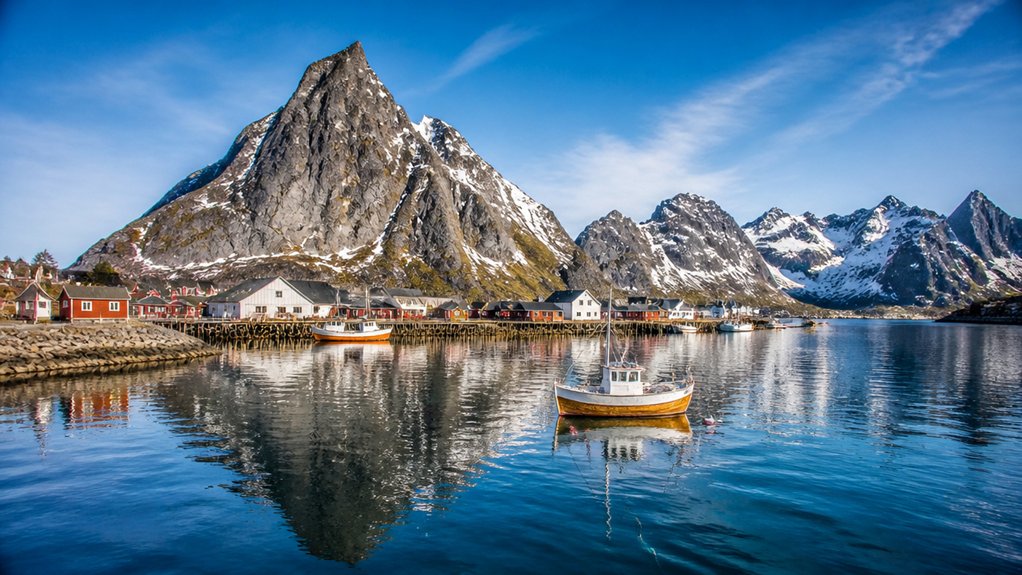
The Lofoten Islands reveal themselves properly from the water or on foot, nowhere else. A boat trip to Sakrisøy or Hamnøy shows you the actual fabric of the place—traditional red cabins built on stilts, mountains that rise sheer from the sea, and a quiet that actually feels different from home. Yes, other cruise passengers will have the same idea, but the villages are small enough that it won’t feel like a tourist processing centre.
If boats don’t appeal, the mountain walks around Leknes give you better value and fewer people than the standard package tours. Independent guides can tailor walks to your fitness level and how much time you have left in port, which matters when eight hours ashore is all you get. Book these well before arrival because operators fill their slots quickly once the cruise schedule goes public, and you’ll waste your day waiting otherwise.
Leave town promptly. Leknes is fine—functional and pleasant—but it’s not why you came. The landscape surrounding it is what you’re actually here for, and that’s where your time should go.
History Culture and the Top Sights
Fishing has shaped the Lofoten Islands for over a thousand years, and you can still see that history embedded in how people actually live here rather than preserved behind glass. The towns lack grand monuments or indoor attractions that would compete with being outside, so looking for culture in the traditional sense will waste your time.
What matters is understanding the practical reasons behind what you’re seeing. The red cabins scattered throughout weren’t painted for looks—they were fishing stations, and the colour came from whatever cheap paint was available as leftover stock. Walking through Hamnøy or Sakrisøy shows you this directly, which teaches you more than any explanatory panel could manage. The landscape itself functions as history, recorded in how people built their homes in relation to mountains and water.
If you want structured information, the fishing museum in Leknes covers the regional story adequately and won’t trap you inside for hours. It’s sensible to visit if weather deteriorates, but you’ll probably spend your time better on a guided walk where someone explains what you’re actually looking at as you move through it. Local independent guides operating around Leknes carry genuine knowledge of the area and will point out things that organized tour groups skip entirely, though they fill up quickly once cruise schedules become public, so reserve your spot online in advance rather than hoping to book when you arrive.
Beyond the Centre: Day Trips and Alternatives
The Lofoten Islands work better when you stop trying to see everything at once. Pick a direction and commit to it rather than scattering your time across multiple villages, which leaves you exhausted and short on actual understanding.
Most cruise passengers stick to the fishing villages along the E10, which makes practical sense given the port location. The real payoff comes when you leave the villages behind and walk through the landscape itself—the terrain explains why people settled where they did and how they made their living. You can walk from Hamnøy to Sakrisøy alone, but a guide who knows the area transforms what would otherwise be a pleasant walk into genuine comprehension of how lives actually functioned here. Independent walking guides based in Leknes cost considerably less than ship excursions and operate in smaller groups, so you’re not queuing behind dozens of camera-carrying passengers on a fixed schedule. These guides book up fast once cruise itineraries go public, so arrange your spot online ahead of time rather than trying to find space when you dock.
If the weather turns bad or you want to stay near the port, Vestvågøy Museum covers how fishing communities actually operated without relying on photographs designed for social media, and you can see it without losing your entire day ashore. Another option is driving yourself along the coast toward Uttakleiv Beach, which requires renting a car but gives you the freedom to stop wherever you want and stay as long as you choose—something impossible when you’re locked into a tour’s timetable.
Shore Excursion or Going It Alone
Ship excursions from Leknes take half the port’s passengers, which means you’re paying premium rates to stand in queues you could have entirely avoided. Independent operators charge considerably less, run smaller groups, and let you leave on your own schedule rather than being herded back to the ship at a fixed time. The arithmetic favours booking locally instead.
Your practical option is arranging a local guide before you dock. Search for walking tours or photography guides based in Leknes—they book solid weeks ahead during cruise season, so arriving without a booking guarantees you’ll find nothing worthwhile. A small group guided walk through the surrounding terrain costs a fraction of what the ship charges, and you’ll gain actual understanding of the landscape instead of stopping at predetermined photo points.
If you’re comfortable exploring independently, renting a car gives you the most control. You can drive the E10 at your own pace, stop at Hamnøy without tour bus crowds, and photograph light across the landscape when conditions actually suit it rather than when an itinerary demands it. The trade-off is you won’t immediately recognise which viewpoints matter or understand why certain fishing methods determined where people settled—information a local guide provides naturally through conversation.
For anything beyond a basic coastal drive, book your guide online now rather than hoping for last-minute slots. The operators worth your time fill their calendars through advance bookings from passengers who planned ahead. Waiting until you arrive leaves you choosing from whatever remains available, which is precisely how you end up on that crowded ship excursion.
Leknes: The Details Nobody Mentions at the Port Talk
Light quality in the Lofoten Islands shifts dramatically enough that it dictates what’s worth photographing far more than geography does. Most cruise passengers arrive without thinking about this and end up at Hamnøy during midday when overhead sun drains colour and contrast from everything—the worst possible time to be there.
Get off the ship early and go straight to the northern viewpoints where morning light comes across the water from the east. The E10 is straightforward enough to drive, and you’ll have the landscape essentially empty for the first few hours while everyone else is still having breakfast aboard. Once the tour buses show up mid-morning, you’ll already have taken what’s worth taking.
Eat before leaving port rather than counting on the cafés near the harbour. A supermarket in the town centre has sandwiches and coffee at what you’d actually expect to pay, whereas anything near the water costs double, and sitting down for a meal burns daylight hours you won’t get back.
Download offline maps before you dock because mobile coverage is unreliable across the islands and you’ll waste port time either searching for signal or trying to figure out directions. Consider purchasing a local eSIM data plan to ensure connectivity when you need it most. You navigate better and see the landscape better when you’re not staring at your phone for the next turn anyway.
If you haven’t already booked a local guide or driver online, you’ve made your day measurably harder. The people worth paying are fully booked by the second week of cruise season, which leaves only second-tier options or nothing once you’re standing on the dock hoping something works out.
Your Port Day: A Sample Itinerary
Your port day works better when you stop assuming you need to see everything and instead focus properly on what actually matters—light, landscape, and timing beat a checklist every time.
Leave the ship before dawn if it’s permitted. Drive south-west along the E10 toward Hamnøy or hire a local guide for the route. The eastern light across the water is strongest early, which means your photographs will be sharp instead of washed out like those taken mid-morning when most cruise passengers arrive. Bring coffee from the ship or the supermarket near the town centre; nothing at the harbour is worth the price.
By mid-morning you’ve already captured the best conditions the day offers. Head inland toward the fishing villages and mountain passes where cruise passengers rarely go. This is where you understand why anyone comes to the Lofoten at all—mountains that drop straight into the sea, roads carved into cliff faces, fishing boats in colours that only photograph properly in good light. Walk until something genuinely interests you rather than stopping because your guidebook says you should.
Spend your final hours on the water if possible. Book a local fishing tour or boat excursion in advance through independent operators rather than the ship’s desk, as you’ll pay less, get smaller groups, and have better access to spots tour companies can actually reach. An hour on the water shows you the islands from the right angle and breaks up a day otherwise spent mostly on land.
Return to the ship with buffer time. You’ll miss the final-hour queues and the chaos that builds as departure approaches.
Book your Leknes day
Tours for this port, compare before you book
Getting around in port
✈️ Before you sail: eSIM, insurance, luggage, flight delays
Ships In Leknes
Upcoming calls from our sailings tracker, updated regularly.
Costa Favolosa
Costa CruisesTue 13 Oct
⚓ 08:00–18:00
Ambition
Ambassador Cruise LineTue 27 Oct
⚓ 09:30–23:00
Fred Olsen Balmoral
Fred OlsenTue 25 May
Costa Favolosa
Costa CruisesWed 2 Jun
⚓ 08:00–18:00
Costa Favolosa
Costa CruisesMon 14 Jun
⚓ 08:00–18:00
MSC Preziosa
MSC CruisesMon 28 Jun
⚓ 10:00–19:00