Havana Cruise Port Guide
Optimize your Havana cruise port visit with insider tips on transportation, local guides, and hidden neighborhoods—but there’s one critical mistake most passengers make.
In this guide
Try one free personalised day plan — built around your ship’s actual arrival and departure times. Then get every port on your cruise done the same way from £7.99 (about $10).
Cruise Port Overview: What To Expect
Havana’s cruise terminal sits right on the edge of the old city, a few minutes’ walk from Plaza de San Francisco, so getting into town is the easy part. The real logistical problem for passengers with limited time ashore is choosing what to see, because the clock starts the moment you leave the ship. That’s something to settle before you step off, not midway through your port day.
The terminal itself offers basic facilities: shops, cafés and standard tourist services, but nothing here should hold your attention. What actually matters is recognising that everything worth seeing lies just beyond the terminal gates, and your time is genuinely finite. Wasting energy wandering the port itself or standing in queues for overpriced refreshments only cuts into the hours you could spend in the city.
Booking a guided tour independently before your cruise saves you both money and the frustration of competing with other passengers for last-minute spots. Ship-organised tours fill quickly for cruise passengers, and you’ll pay more for the convenience of booking onboard. A local guide who knows the street layout and speaks the language properly transforms a potentially chaotic port day into something actually manageable.
If you’re travelling alone, accept that paying a taxi driver to take you somewhere specific beats wandering the backstreets trying to orient yourself. Negotiate the fare before you leave, and you’ve solved a major headache. Local buses exist as an option, but they’re genuinely confusing if you don’t speak Spanish and don’t know where you’re going.
Check your all-aboard time before leaving the terminal, and set an alarm or phone reminder. Missing your ship is not an acceptable mishap.
Getting From the Port To Town
Taxis cluster outside the terminal gates in organised chaos — the aggressive soliciting is standard and you should ignore it while negotiating a fare to wherever you’re heading before handing over money. Most drivers quote well above the actual rate, so stating your destination first and waiting for a counter-offer beats accepting their opening number. This costs more than public transport but eliminates the headache of reading Spanish signage and deciphering bus routes when your port time is already limited.
Organised tours departing from the terminal are genuinely useful if you’ve booked in advance online. Independent local operators offer better value than ship excursions, and the popular ones fill quickly during cruise season — booking ahead secures your place and costs significantly less than paying onboard. Your guide handles transport, navigation and logistics, which matters when you’re racing an all-aboard deadline.
If you’re determined to go independently, you don’t need transport for the old town at all: Plaza de San Francisco is a few minutes’ walk from the terminal. Local buses do run further out into the city, though you’ll need basic Spanish and functional navigation skills.
Decide your transport method before your ship docks and confirm meeting points if you’ve booked a tour. Never leave the terminal without a clear plan for getting back, as improvising on the dock wastes the hours you could actually spend in the city.
The Must-Do Experience: Start Here
Start at Plaza de la Catedral early, before the tour groups arrive and while the light works for photographs. The cathedral is modest, but the arcaded buildings surrounding it give you an actual sense of how Havana’s older quarters function and deteriorate—more honest than any description. Drink coffee at one of the cafés facing the square; you’ll need it and the prices won’t shock you.
Head across the harbour to El Morro fortress, which means either taking a taxi through the tunnel or catching the Casablanca ferry and walking up the hill, depending on your legs and remaining daylight. The fortress sits above Havana Harbour‘s entrance and gives you the only vantage point where the city makes geographic sense rather than feeling like disconnected streets. The descent back toward the waterfront puts you near neighbourhood restaurants where locals eat, which means better food and lower bills than anything in the Old Town tourist zone.
Walking tours leave regularly from Plaza de la Catedral throughout the day, and cruise ship seasons fill them quickly. Book online before you arrive and you’ll pay a quarter of what your ship’s excursion desk charges for the same tour, plus you’ll actually get a spot instead of finding everything full.
History Culture and the Top Sights
Havana’s history isn’t taught in museum displays—it’s written into the decay of the buildings themselves, which means you’ll understand far more by walking than by sitting in a climate-controlled room reading plaques. The city’s colonial past collides awkwardly with Soviet-era brutalism and revolutionary ideology, creating something that looks like nowhere else you’ve visited.
The Museo de la Revolución occupies the former presidential palace and does what most revolution museums do: tells one side very loudly. It’s worth visiting if you’re genuinely interested in twentieth-century Cuban politics, but skip it if you’re after a balanced account. The real history lives in the street itself—the American cars frozen in time, the crumbling fortifications, the way neighbourhoods have been left almost untouched since the early 1960s.
Ernest Hemingway’s presence haunts Havana despite having little bearing on the city’s actual story, yet La Floridita bar does serve a decent daiquiri if you want the tourist photo without paying inflated prices elsewhere. His former home lies outside the city proper and costs more than warranted for what amounts to a disappointment.
For genuine historical context delivered by someone who actually knows the place, independent walking tours run by local guides offer far better value than your ship’s packaged options and book up quickly during cruise season. Reserve ahead online and you’ll pay considerably less whilst getting a guide who lives here rather than reciting scripts.
Beyond the Centre: Day Trips and Alternatives
Most cruise passengers stay in Old Havana, leaving the actual neighbourhoods where people live and work relatively empty and affordable. Getting beyond the colonial centre requires only local transport, but the change feels complete—you’ll be in a genuinely different part of the city.
Regla sits across the harbour and shows you Afro-Cuban spiritual practice and the Iglesia de Nuestra Señora de Regla with no entry fee. The ferry itself matters more than the destination—you’ll travel with schoolchildren and workers instead of other tourists, which gives you a better sense of how the city actually functions. The church interior explains something real about faith in contemporary Cuba that no guidebook captures.
Finca Vigía holds Hemingway’s writing house further out, and far fewer cruise passengers make the journey compared to those crowding his favourite bar downtown. You’ll need to arrange your own transport, but the house remains largely unchanged since he left it. Whether that interests you depends entirely on how you feel about literary history and authentic decay.
Local guides who lead neighbourhood walks offer better value than ship-organised tours and they actually know what they’re explaining. Book these guides online before you sail because cruise season fills their schedules quickly. Three to four hours with someone who can contextualise what you’re seeing costs substantially less than the equivalent tour through your ship.
Shore Excursion or Going It Alone
Ship excursions to Old Havana cost considerably more than they should and deposit you with forty other passengers at the exact same spots your guidebook already circled. You’ll pay a premium for the convenience of boarding a coach outside your ship, then spend half your time waiting for stragglers while a guide speaks through a megaphone. Your cruise line takes a cut, the tour operator takes a cut, and you’re the one actually losing money.
Going it alone through Old Havana works perfectly well if you’ve got a decent map or your phone charged, and the savings alone justify the minimal extra effort. The streets follow a logical grid, and getting lost in the colonial centre is almost impossible—you’ll simply end up at the harbour or back where you started. Wandering without a schedule lets you linger in a café or step into a gallery that catches your eye.
For anything beyond the centre—Regla, Finca Vigía, the neighbourhoods—independent local guides offer substantially better value and far more knowledge than cruise ship alternatives. These guides book up quickly during peak season, so arrange yours online before you sail rather than hoping to find something decent at the pier. A few hours with someone who actually knows their neighbourhood costs a fraction of the price and you’ll learn things no standard itinerary covers.
Things Worth Knowing Before You Step Off in Havana
US dollars are useless in Cuba, so you need euros or another foreign currency exchanged at the official rate before leaving the harbour area. Your card will work at most ATMs if it’s issued outside America, but the fees make exchanging cash upfront the sensible choice. Carry small notes because many cafés and independent vendors cannot break anything larger than a ten.
Haggling works only at markets and with street sellers; restaurants and shops have fixed prices, and attempting to negotiate simply signals you as uninformed. The neighbourhoods beyond Old Havana are safe during daylight hours despite what your cruise director claims, and locals prove far more helpful than suspicious. Walking alone after dark remains inadvisable, though this applies to any city rather than being specific to Havana.
Ask permission from anyone in military uniform before photographing them, and request the same courtesy from strangers, musicians, and performers in the plazas. Your phone’s signal will be expensive and unreliable, so download your map offline before you dock. Restaurants within sight of the cruise terminal charge inflated prices; walking inland two blocks gets you the same meal at proper rates.
Your Port Day: A Sample Itinerary
Most cruise passengers spend their first hour in the terminal, exactly where restaurants know they can charge what they want. Walk inland immediately once you’ve cleared security—two blocks puts you past the crowds and into streets where locals actually eat and prices make sense.
Start early at Plaza Vieja in Old Havana if you want photographs without dozens of other cruise passengers filling your frame. The colonial architecture justifies the walk, and the cafés serve proper coffee without the tourist surcharge. Once the tour groups arrive mid-morning, the square becomes difficult to navigate, so get there before that happens.
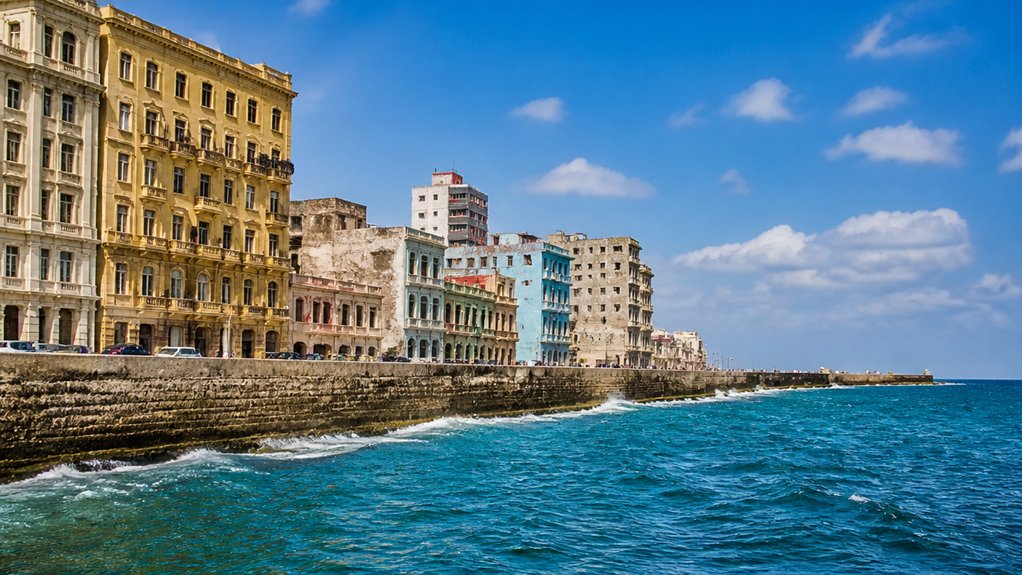
Spend your midday walking through the surrounding streets to see the Capitol building, the Malecón waterfront, and the neighbourhood galleries. These places show you how Havana actually works far better than any organised ship excursion ever will. Book an independent walking tour online before you arrive rather than hoping to find something decent from the dock, since popular tours fill quickly during cruise season and the ones you find last-minute tend to be either overpriced or poorly organised.
Book your Havana day
Tours for this port, compare before you book
Getting around in port