Baltimore Cruise Port Guide
Discover insider secrets for maximizing your Baltimore cruise port visit—but which tourist trap should you absolutely avoid?
In this guide
Try one free personalised day plan — built around your ship’s actual arrival and departure times. Then get every port on your cruise done the same way from £7.99 (about $10).
Cruise Port Overview: What To Expect
Baltimore’s cruise terminal sits at South Locust Point, a few miles from the inner harbour, so you’ll need a taxi, rideshare or shuttle to reach the city. The terminal itself is purely functional—there’s no aesthetic appeal, and the immediate area around it has the character of an active working port with few independent cafes or shops within easy reach. Accept the terminal as a basic starting point and move into the actual city as soon as you can.
The National Aquarium and harbour-side attractions are a short taxi ride from the terminal and walkable from each other, and beyond that you’ll find genuine restaurants, independent retailers, and neighbourhoods with actual character. Baltimore isn’t manicured for tourists and doesn’t offer European charm, but it’s a functioning American city with things worth your time if you’re willing to look beyond the cruise infrastructure. The contrast between the terminal zone and the real city is stark enough that spending time in both matters.
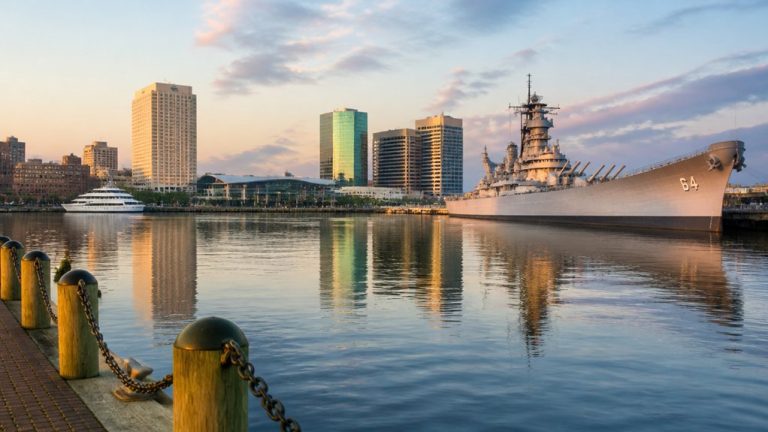
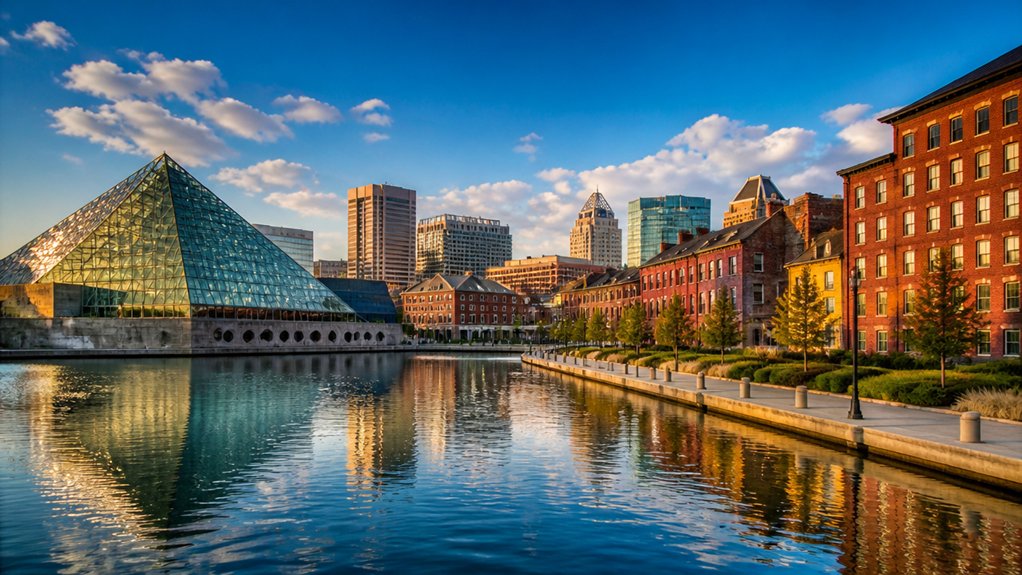
The harbour itself repays a wander because it’s not cordoned off as a sanitised tourist zone like many cruise ports are. You’ll see working vessels and locals conducting ordinary business rather than performing for visitors. On quieter days the waterfront can feel empty, so check what events or activities are scheduled before you dock and plan accordingly.
Independent walking tours focusing on historic or waterfront neighbourhoods get booked solidly by cruise passengers, so arrange these before you arrive if they interest you. These tours offer better value and genuine local knowledge than operator-run excursions and they take you away from the terminal crowds entirely.
Getting From the Port To Town
Baltimore’s port sits in an industrial area rather than within walking distance of the city’s neighbourhoods, so walking out of the terminal isn’t practical. A taxi or rideshare gets you to Fells Point or Harbor East in a few minutes, and once there the working waterfront is easy to explore on foot. Local cabs and rideshare services charge reasonable rates and take you directly where you want rather than herding you toward a tour meeting point.
The ship’s organised excursions work only if you need specific logistics that genuinely require them. Independent walking tours operated by locals who actually live in the city give you better insight than cruise line staff reading scripts, and booking before arrival ensures you get a guide rather than joining an overcrowded group. You’ll pay significantly less than the cruise operator charges and have a departure time that actually fits your ship schedule. Consider browsing guided tours at cruise ports to compare independent options before your voyage.
The waterfront layout makes navigation straightforward once you’ve reached either neighbourhood. From there, everything else follows logically from the geography.
The Must-Do Experience: Start Here
Most cruise passengers waste their Baltimore morning searching for decent food and paying inflated prices for mediocre meals within view of the ship. The Inner Harbor works better when you treat it as actual waterfront rather than a constructed version of one, and the National Aquarium deserves your time if marine life interests you—it costs less than equivalent attractions elsewhere and genuinely rewards a visit, though arriving early matters because cruise groups clog it by mid-morning.
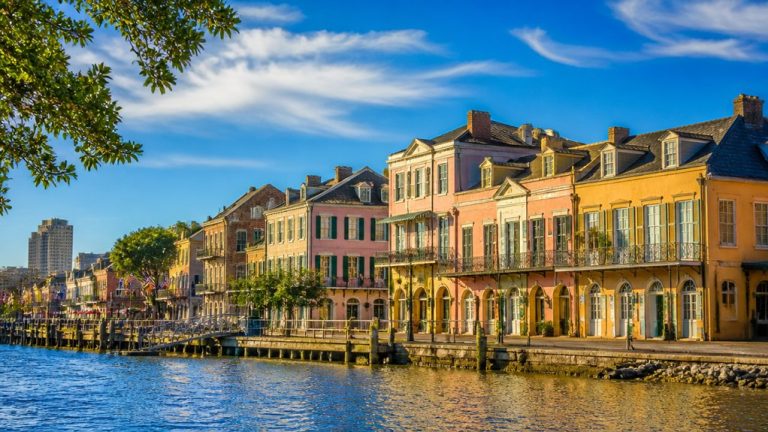
Fells Point offers an alternative if aquariums don’t appeal: the neighbourhood actually functions as a place where people live rather than a space designed around your visit. Cobbled streets hold proper pubs, independent shops, and restaurants where the food reflects what local residents eat rather than what cruise marketing thinks you should want, and working tugboats and fishing vessels sit alongside restaurant patios, which changes how the area feels fundamentally.
Independent walking tours covering Baltimore’s maritime or harbour history depart regularly, cost considerably less than ship excursions, and connect you with actual local guides instead of crew members reading prepared notes. Tours book quickly during cruise season, so arranging online before arrival secures your place and typically costs less than booking onboard.
What you choose at this starting point determines everything that follows, so begin with what genuinely interests you rather than pursuing what the port appears to expect.
History Culture and the Top Sights
Baltimore’s history operates mostly outside what the cruise companies package. The War of 1812 shaped American independence more substantially than standard education suggests, and the Star-Spangled Banner came directly from the bombardment of Fort McHenry in 1814—a fact that gives a visit actual purpose rather than just ticking off sites.
Fort McHenry requires separate transport from the port, but walking its ramparts with knowledge of what occurred there fundamentally shifts how you read the entire harbour. Most heritage sites lean toward theatrical presentation, but this one presents straightforward history without unnecessary embellishment, though you should plan more time at the visitor centre than cruise passengers typically do.
The Edgar Allan Poe House functions as a small museum in a genuinely lived-in neighbourhood rather than a tourism zone. Literary history justifies the journey if that appeals to you, yet cruise operators skip it because it sits outside the standard circuit—which makes independent travel there feel worthwhile rather than obligatory.
East Baltimore’s National Great Blacks in Wax Museum addresses historical narratives largely absent from conventional American education. Independent guides covering African American heritage, civil rights, and harbour culture fill quickly during cruise season, so booking before you arrive secures your spot and costs substantially less than ship-organised alternatives. These guides work from deep subject knowledge rather than scripts, meaning a few hours becomes actual learning rather than performative tourism.
Beyond the Centre: Day Trips and Alternatives
Ship excursions in Baltimore charge substantially more than the actual value of what you’re getting—a coach tour that pulls up at the National Aquarium or Inner Harbour shops, both places you could reach faster and cheaper on your own. The cruise lines do this because the terminal sits among industrial areas a few miles from the centre, too far to walk, so a coach feels like the easy option. Your realistic alternatives are booking an independent guide ahead of time, which costs considerably less while providing actual information instead of rehearsed scripts, or taking a cab to the Inner Harbour and the water taxi on to Fells Point for a small fee.
Fells Point is the only part of Baltimore that makes sense as a cruise-port destination, where you can spend your afternoon in independent bookshops and proper restaurants instead of queuing at overpriced chain outlets. Walking from Fells Point to Fort McHenry requires arranging transport beforehand, which is worth doing if that’s your priority. The entire proposition hinges on whether you’d rather pay the ship for the convenience of doing nothing, or spend half an hour organising your own transport and seeing substantially better value.
The decision comes down to effort versus money. Independent guides covering the harbour, heritage sites and neighbourhoods book quickly during cruise season, so reserving in advance ensures you’ll actually get a spot rather than arriving hoping something is available. This small amount of planning means you’ll experience Baltimore as people who live there understand it, rather than as a curated marketing exercise designed to shuffle you through shops.
Shore Excursion or Going It Alone
Cruise passengers in Baltimore routinely book ship excursions thinking they’ll save time, when the opposite happens—you’ll queue longer waiting for coaches than you would sorting things out yourself. The lines start forming before departure, the coach gets stuck in traffic, and you end up at the same three locations as every other group that day. By the time you’re deposited at the National Aquarium or Inner Harbour, you’ve burned two hours on logistics and paid well above what you’d spend going independently.
Your real advantage as a cruise passenger isn’t convenience but rather a fixed departure time that demands you plan. Book a local guide in advance instead of drifting around without direction. These guides know where to get decent coffee without the tourist surcharge, which water taxis go where, and how to move through Fells Point without cycling through identical souvenir shops.
Independent tours cost far less than what the cruise line charges and actually explain the city’s history rather than reciting corporate talking points. If organised tours don’t appeal to you, take the water taxi to Fells Point on your own—it runs regularly and costs little. You’ll spend your afternoon in actual working neighbourhoods where residents live and eat, not in cordoned-off passenger areas designed to keep you contained.
The trade-off requires minimal effort: a quarter-hour of advance planning saves you money, time and the specific discomfort of standing in a coach while someone narrates things you could read elsewhere. Independent guides typically focus on harbour history and waterfront stories, and they book up quickly during busy seasons, so reserving ahead means you won’t be scrambling when you reach the terminal.
Small Things That Make a Difference in Baltimore
The terminal’s distance from Baltimore’s centre means most passengers book the ship’s transport without realising they have better options. A cab to the Inner Harbour and one of the water taxis on from there costs less and takes you to Fells Point, where local cafés and restaurants actually serve people who live here rather than queuing cruise passengers. Walking to the taxi stand rather than waiting for a coach gets you moving faster and leaves more money in your pocket.
Fells Point’s cobbled streets show you what the working waterfront actually looks like when it’s not crowded with cruise groups. Independent restaurants here feed locals and charge a fraction of what you’ll pay near the National Aquarium, and asking anyone behind the counter for lunch advice will point you toward food worth eating. The neighbourhood functions as a real place rather than a tourism zone designed around ship schedules.
Local guides booked in advance offer far better value than what the cruise line quotes and actually know people in the communities they take you through. The best guides fill quickly during cruise season, so booking ahead matters if you want someone who can navigate toward neighbourhoods and stories the ship’s standard tour skips entirely. You’re paying for genuine context about the port’s maritime and industrial history rather than a scripted performance.
The Inner Harbour shops and restaurants become unbearable during mid-morning and mid-afternoon when ships dock because crowds justify inflated prices and you’re essentially paying for the privilege of standing shoulder-to-shoulder. Return in late afternoon when most cruise passengers have headed back onboard and the space becomes somewhere you can actually move and think. The experience and the food both improve dramatically once the crowds thin out.
Your Port Day: A Sample Itinerary
Most cruise passengers spend their first hour queuing for shuttle coaches. A cab to the Inner Harbour and the water taxi stand there offers a cheaper route to Fells Point, and you’ll arrive before the neighbourhood fills with people from your ship. This timing matters because it determines what you actually see.
Fells Point’s cobbled streets and working waterfront work best explored on foot, starting at the edges where locals still outnumber tourists. Find a café that serves people who work in the area, order something simple, and ask whoever’s behind the counter where they’d actually take visitors. This conversation costs nothing and delivers better recommendations than any guidebook.
Book an independent walking tour exploring Baltimore’s maritime history and industrial past before you arrive, as these fill quickly during cruise season. A local guide who knows the neighbourhood’s actual stories rather than the standard script transforms a generic port day into something substantive. You’ll understand why this place developed as it did rather than simply viewing its surfaces.
Drift back toward the terminal slowly during your final hours. Return to Fells Point in late afternoon when other cruise passengers have left and the space functions as a working neighbourhood again. Sit somewhere quieter for a drink, watch how the light changes over the water, then return to your ship having actually encountered Baltimore rather than its staged version for tourists.
Book your Baltimore day
Tours for this port, compare before you book
Getting around in port
✈️ Before you sail: eSIM, insurance, luggage, flight delays
Ships In Baltimore
Upcoming calls from our sailings tracker, updated regularly.
Vision Of The Seas
Royal CaribbeanThu 8 Oct
⚓ 07:00–15:00
Carnival Pride
CarnivalSun 11 Oct
⚓ 10:00–16:30
Vision Of The Seas
Royal CaribbeanSat 17 Oct
⚓ 07:00–15:00
Carnival Pride
CarnivalSun 18 Oct
⚓ 10:00–16:30
Vision Of The Seas
Royal CaribbeanThu 22 Oct
⚓ 07:00–16:00
Carnival Pride
CarnivalSun 25 Oct
⚓ 10:00–16:30