Huatulco Cruise Port Guide
Keep your cruise stop in Huatulco from becoming an overpriced tourist trap—discover insider secrets that’ll transform your shore day.
In this guide
Try one free personalised day plan — built around your ship’s actual arrival and departure times. Then get every port on your cruise done the same way from £7.99 (about $10).
Cruise Port Overview: What to Expect
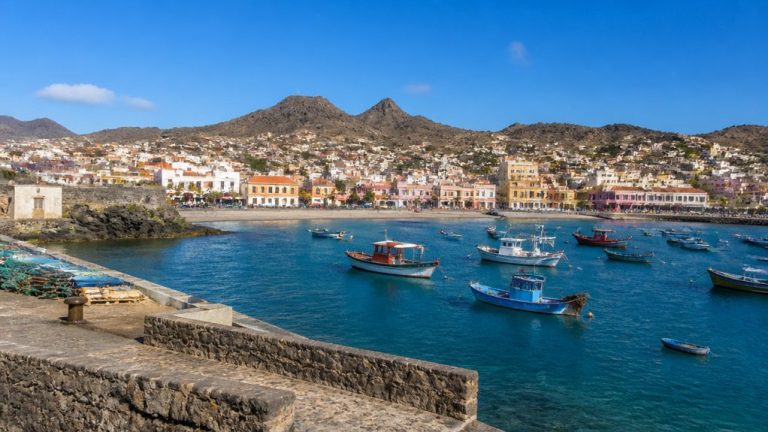
Huatulco sits on the Pacific coast of Mexico, in the state of Oaxaca, a string of nine bays around the town of La Crucecita. Huatulco’s cruise terminal sits directly inside a working fishing port, so you’re looking at actual Mexican harbour life rather than a sanitised resort setup. Your ship docks where local fishing boats operate. Huatulco itself is a planned resort, developed by the government tourism agency FONATUR from 1984.
The terminal itself is basic. You’ll walk into a small building with a few shops and tour operators who will try to sell you excursions immediately. Resist the pressure to book anything there—the better independent tours get booked online weeks in advance, not at the dock. If you haven’t arranged something beforehand, you can still find decent options, but you’ll be picking from what remains rather than what’s actually good.
Cruise tourism hasn’t overwhelmed Huatulco the way it has other Mexican ports. The beaches genuinely have fewer people than you’d expect, and the water is actually usable for swimming rather than a solid mass of sun cream and burnt tourists. The main tourist area around the marina does get busy once ships arrive, and vendors there price accordingly.
Plan one main activity or beach trip before you get there, then use the rest of your time in the quieter neighbourhoods where locals actually eat and spend time. The port is far more useful when you’re not fighting thousands of other cruise passengers for the same photograph.
Getting From the Port to Town
The walk from the terminal into town is straightforward and takes longer than you’d expect if you’re not used to port layouts. Unlike larger cruise destinations, there’s no separate tourist shuttle or aggressive taxi queue—you simply walk out and go. The harbour front is easy to navigate with working fishing boats, local restaurants, and marina access, and there are no confusing diversions or toll booths to deal with.
Taxis queue outside the terminal building if you want one, and fares to outlying areas or town centre are reasonable. You should negotiate the fare beforehand or ask your port agent what typical rates look like, otherwise you’ll overpay. Most drivers speak enough English to get you where you need to go, though writing down your destination or hotel name saves time and confusion.
Walking is your best option if you’re staying anywhere near the marina neighbourhood. The streets are safe during daylight hours, and walking lets you actually see where things are instead of arriving by taxi with no sense of your surroundings. If you’ve booked an independent tour like kayaking, snorkelling, or beach visits, most operators offer hotel or port pickup—confirm your exact meeting point before you leave the ship.
Consider booking guided shore excursions through your cruise line to maximize your time at this accessible port and gain insight from experienced local guides. The port doesn’t have the hassle you’ll encounter at bigger Mexican cruise destinations, but don’t walk around with valuables visible and stick to the main routes if you’re heading inland. Your ship won’t depart without you, but the walk back to the terminal takes time, so leave yourself a proper buffer before boarding.
The Must-Do Experience: Start Here
Most cruise passengers treat Huatulco as a beach day and nothing more, which means you can actually have a proper experience if you’re willing to think beyond the obvious. The real draw here isn’t lounging on sand—it’s the chance to get on the water and see why locals have fished these bays for generations, then eat what they’ve caught for lunch.
Book a snorkelling or kayaking tour in advance before you arrive at the port. The best independent operators fill up weeks ahead during peak season, and you’ll pay considerably less than the ship’s own excursions while getting smaller groups and better local knowledge. These tours depart from the marina or nearby beaches and run long enough to be worthwhile without eating up your entire time ashore.
If snorkelling doesn’t appeal, a guided boat tour around the nine bays shows you the geography of the place and stops at quieter beaches where cruise ship crowds simply don’t reach. You’ll understand why Huatulco has remained relatively low-key compared to Cancún or Puerto Vallarta—the layout makes it hard to overdevelop, and that’s precisely what keeps it worth visiting.
Arrange your tour booking before you leave home because popular operators get booked solid by cruisers with limited port time, and you don’t want to spend your morning hunting for availability or settling for whatever’s left. A morning tour gets you back to the ship by early afternoon with time to shower and rest before departure.
History Culture and the Top Sights
Huatulco was a fishing settlement until tourism arrived in the last few decades, so you won’t encounter the layered colonial architecture you’d see in Oaxaca City or Puerto Vallarta. What remains instead are the practical traces of how people actually worked here before the cruise industry took over, which tells a more straightforward story than another ornate church would.
The Museo de Artesanías Oaxaqueñas in La Crucecita is a modest space given over to crafts from around Oaxaca state, and much of what’s on show is for sale. You can work through it in well under an hour, and the visual displays communicate their point clearly even if the staff speak limited English. It’s worth a visit if you want some local context before heading to the water.
Walking through the main plaza and toward the marina shows you where fishing boats still operate alongside tourist services. You’ll see fish being sold and nets being repaired—the unremarkable everyday operations that keep the place functioning beyond the resort zone. This costs nothing and takes roughly forty minutes, leaving time to sit down properly without rushing.
The church of Nuestra Señora de Guadalupe anchors the central plaza in La Crucecita and provides actual quiet away from port noise. It’s a modern building in colonial style, and the reason to go is the huge painting of the Virgin of Guadalupe across its ceiling. From there the marina, where your independent boat tour should be waiting, is about a twenty-minute walk or a short taxi ride.
Beyond the Centre: Day Trips and Alternatives
Huatulco’s nine bays stretch along enough coastline that cruise passengers typically experience only a fraction of what’s available. The real advantage isn’t exploring more bays—it’s avoiding the bottlenecks where your ship deposits hundreds of people onto identical stretches of beach.
Book an independent boat tour through a local operator before arriving at port. These tours cost substantially less than what the cruise line offers and let you decide which bays actually interest you rather than following a set itinerary. The boats fill up during cruise season, so confirming your booking in advance ensures you get a spot rather than arriving to find everything booked out.
Spend your morning moving between different bays, swimming in places where you’re not surrounded by other tourists, and stopping where the water is clear enough that snorkelling makes sense. You’ll avoid the rushed feeling of group excursions and actually have time to decide whether you want to stay somewhere longer or move on. Consider booking guided excursions at ports to discover hidden coves and local perspectives that typical cruise itineraries miss.
If you’d rather not spend the day on a boat, Chahué Bay is walkable from the port and has proper restaurants where locals eat instead of tourist-priced establishments clustered at the marina. The sand gets crowded by midday, but that’s the straightforward trade-off for being able to reach it without paying for a tour.
Skip the organised snorkelling trips unless you specifically care about seeing fish. The reefs here are unremarkable compared to other Mexican Pacific locations, and organised groups spend significant time on safety talks rather than actually in the water. Renting a kayak from a local operator gives you better value, actual control over where you go, and none of the waiting around.
Shore Excursion or Going It Alone
The cruise line’s shore excursion desk presents you with a false choice: pay their rates or stay on the ship. Your actual best option sits between those two extremes and requires planning before you sail.
Going entirely alone works if you’re comfortable finding your own way around and don’t need structure. The port area itself is compact enough to navigate on foot, though taxis into town will cost more than they should unless you’ve settled on a fare beforehand. You’ll eat better food away from the marina and see how locals actually live, but you’ll also spend considerable time working out where things are instead of experiencing them.
The ship’s excursions trade convenience for cost—you’re paying substantially more so that transport arrives on schedule and someone else handles the logistics. For most passengers with only a few hours ashore, this feels like insurance against wasting what little time you have. The real cost is moving in a large group, following a route decided by someone else, and seeing things the way several hundred other cruise passengers see them simultaneously.
Independent local operators genuinely occupy the middle ground. Book a boat tour or guided activity through a local company before your ship arrives and you’ll pay considerably less than the cruise line equivalent, work with smaller groups, and retain actual flexibility over what you see and how long you stay anywhere. Tours fill up during cruise season, so booking online in advance guarantees your spot rather than hoping something remains available at the port.
The practical approach requires deciding whether you want someone else managing the details or prefer to manage them yourself, then booking your choice three weeks before sailing. Waiting until you’re onboard simply narrows your options considerably.
Local Knowledge Worth Having Before You Dock
The cruise terminal sits at Santa Cruz Bay, about a mile from La Crucecita, so your first real choice is whether reaching town justifies the limited hours you’ll have ashore. Most passengers assume Huatulco’s decent restaurants, local markets, and any semblance of authentic activity exist at the port itself, but the actual town centre is a twenty-minute walk or a short taxi ride from the terminal. The beach clubs attached to the dock rely on your convenience, charging inflated prices for poor food and drinks because they know you’re trapped there.
The vendors clustered near the dock aren’t worth your money or time. Their jewellery, crafts, and souvenirs carry prices calculated specifically for cruise passengers with no other options, whereas the town markets offer better quality at genuine prices if you’re willing to walk further. Your hours ashore are few enough that wasting them on overpriced tourist operations near the dock means losing what little time you actually have.
Book any boat tour or beach excursion through a local independent operator before your ship arrives rather than through the cruise line desk. Tours visiting nearby bays and coastal villages fill quickly when cruise ships are in port, and securing your spot online beforehand means paying less whilst working in smaller groups. If you prefer staying near the terminal, discuss and agree on a taxi fare before getting in the vehicle—this conversation alone determines whether your day involves reasonable costs or systematic overcharging.
Your Port Day: A Sample Itinerary
Treating this port as a conventional beach stop wastes your limited time ashore. The worthwhile experience happens in the bays and small coastal settlements that cruise passengers ignore because they’re standing in queues at the terminal.
Leave immediately when the gangway opens and grab a local taxi to Huatulco town centre, negotiating the fare beforehand. Find breakfast at a restaurant near the zócalo where local people actually eat rather than at the inflated operations near the dock. You’ll get decent coffee and fresh food at normal prices while you sort out what comes next.
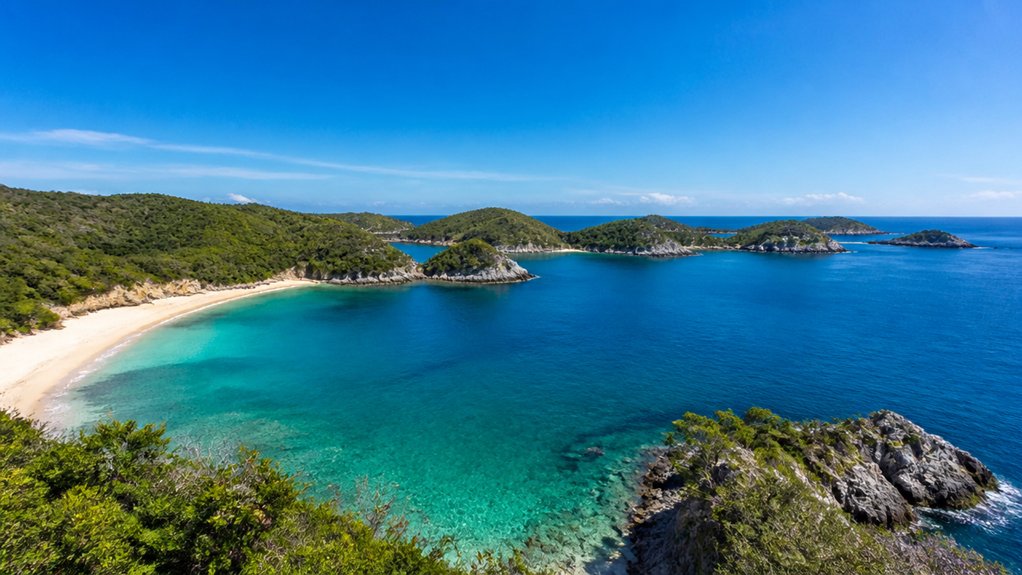
Get onto the water before mid-morning. Book a boat tour to one of the nearby bays through a local independent operator before your ship arrives, as these tours fill fast when cruise ships dock and advance booking gives you smaller groups, better rates, and actual time exploring instead of waiting around. Bahía Organo and Bahía Maguey both offer limestone cliffs and turquoise water without the corporate cruise-desk packaging.
Spend your afternoon snorkelling in one of the bays or visiting the archaeological site at Bocana if you’d rather stay dry. Both activities work within standard port hours but need advance booking to run without delays. Head back to the terminal with genuine time to spare rather than sprinting back stressed, which rather defeats the purpose of leaving the ship at all.
Book your Huatulco day
Tours for this port, compare before you book
Getting around in port
✈️ Before you sail: eSIM, insurance, luggage, flight delays
Ships In Huatulco
Upcoming calls from our sailings tracker, updated regularly.
ms Eurodam
Holland AmericaTue 13 Oct
⚓ 08:00–17:00
Sapphire Princess
Princess CruisesTue 17 Nov
⚓ 08:00–17:00
Crown Princess
Princess CruisesTue 8 Dec
⚓ 08:00–17:00
Island Princess
Princess CruisesWed 23 Dec
⚓ 08:00–17:00
ms Zaandam
Holland AmericaThu 24 Dec
⚓ 08:00–17:00
Island Princess
Princess CruisesSat 2 Jan
⚓ 08:00–17:00