Toba Cruise Port Guide
Beyond the tourist facade of Toba’s fishing village lies authentic experiences—but only if you know where to look.
In this guide
Try one free personalised day plan — built around your ship’s actual arrival and departure times. Then get every port on your cruise done the same way from £7.99 (about $10).
Cruise Port Overview: What to Expect
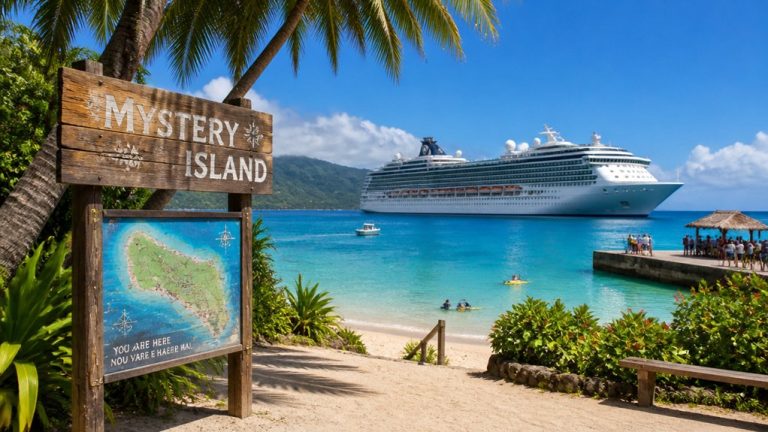
Toba operates as a working fishing village rather than a designed tourist destination. Ships anchor in the bay and tender passengers to a small marine terminal by the town centre, and within minutes you’re walking through streets that serve local residents first. There’s no queue of tour operators, no standardised souvenir stalls—which means the place functions on its own terms rather than yours.
The practical reality is that infrastructure here caters to people who live here, not people passing through. Streets are narrow, signage is sparse, and English is limited, so you need to prepare rather than improvise. This isn’t poor planning on anyone’s part—it’s simply how working villages operate.
Toba receives fewer cruise ships than major ports, so you won’t compete with thousands of other passengers for space or attention. The downside is limited facilities: there is a tourist information desk at the terminal, but no luggage storage, and restaurants prioritise locals. If you’re comfortable with this trade-off, the payoff is genuine interaction rather than the processed experience of busier ports.
Book a local guide through established platforms before your ship departs, as popular guides fill quickly with cruise passengers. Independent exploration works better than ship-organised excursions if you’re willing to navigate without hand-holding. Arrive with realistic expectations and basic curiosity, and Toba functions exactly as it should.
Getting From the Port to Town
The pier sits close enough to the main village that you won’t be forced into shuttle buses or inflated taxi fares designed for cruise groups. Most practical amenities—shops, restaurants, the fishing harbour—fall within a reasonable walk, so your first real choice is whether to wander independently or arrange a guide beforehand.
Walking into town works fine if you accept minimal signage and the possibility of taking wrong turns. Streets are safe and locals are accustomed to visitors, though few speak English fluently. If you want actual information rather than stumbling around, booking a private local guide through reputable platforms before your ship docks makes sense; popular guides book up quickly with cruise passengers and cost substantially less than anything your ship’s excursion desk offers.
Taxis are sparse and negotiating fares becomes difficult without a shared language. Arrange transport through a guided tour package if you plan to reach attractions beyond the immediate harbour area. Consider exploring guided excursions at ports to discover additional activities and experiences curated specifically for cruise visitors. The village centre needs no transport at all—everything important is walkable—so skip hiring a car unless you’re chasing something specific outside town.
The Must-Do Experience: Start Here
Toba’s actual appeal sits in the working fishing harbour itself. If you arrive before most cruise passengers wake up, you’ll see the catch being unloaded, sorted and distributed to local restaurants—the standard ship excursion misses this entirely. Spending your first hour walking the waterfront costs nothing and teaches you more than any packaged tour will.
Watch the fishermen repair nets. Notice what happens in the morning market when it’s genuinely busy. Sit in a harbourside café where local people actually drink coffee, not where laminated menus appear in multiple languages. The rhythm here follows tides and seasons, not ship schedules, so the experience feels like something real rather than staged.
Hire a private local guide beforehand through independent tour platforms if you want proper context instead of wandering without direction. The best guides book up quickly with cruise passengers, but they charge less than your ship’s excursion desk and they know which restaurants the fishermen use rather than which ones cater to tourists. They’ll explain the fishing methods and point out which businesses have been run by the same families for generations.
Your walk through the harbour naturally leads toward the village centre, where you can eat lunch before the midday crowd arrives. Moving deliberately through the morning rather than boarding an organised tour bus means you’ll experience Toba as an actual place rather than as something to tick off.
History Culture and the Top Sights
Toba’s character comes entirely from its working relationship with the sea. Most of what defines the place happens in the harbour and repair yards rather than in formal institutions, so understanding it means observing rather than reading. The fishing tradition reaches back centuries, and you’ll grasp it far more quickly by watching someone repair a hull than by absorbing text in a heritage centre.
The village contains no significant archaeological remains or monumental architecture. What you’ll find instead is practical domestic building, streets that follow the slope of the hillside organically, and a functioning community that hasn’t been reorganised around visitor expectations. Walk the residential areas above the water and you’ll see how people actually inhabit the place.
The local museum provides straightforward documentation of fishing methods and maritime practice without unnecessary elaboration. It serves well during poor weather or when you need to rest from walking, though it isn’t central to your time here. Your real understanding develops outside, through direct conversation with people who work in the harbour or local businesses—they’ll explain which boats are leaving, why, and how the day’s catch shapes what gets cooked for lunch.
Bypass the generic package tours offered by cruise operators. Instead, arrange an independent local guide through established platforms before you arrive, as they organise small-group walks through neighbourhoods cruise passengers typically don’t reach, explain what’s actually occurring in the working harbour, and know which family-run restaurants have that morning’s fish. These guides fill quickly during busy seasons, so confirm your booking as soon as your sailing is scheduled.
Beyond the Centre: Day Trips and Alternatives
The coastline beyond the immediate harbour offers considerably more than anything you can reach on foot from the ship. Your best option involves either booking a local boat operator or arranging ground transport before you arrive, since the genuinely worthwhile experiences require leaving the quay area.
If you want actual access to working fishing communities rather than heritage attractions staffed for visitors, hire an independent guide connected to boat owners who take small groups out for a few hours. You’ll watch commercial fishing happen in real time, handle the equipment yourself, and often end the trip with enough catch to cook lunch from. These guides book up during busy periods, so confirm your booking the moment your sailing is scheduled. The cost runs substantially lower than ship-organised excursions while giving you genuine insight into how the work actually functions.
For land-based exploration, arrange transport to villages the cruise ships don’t visit. These communities maintain their own fishing practices and eating establishments that operate according to local patterns rather than tourist schedules. A guide can point you toward family restaurants where the menu reflects what the boats brought in this morning instead of warehouse stock. Timing matters here—arriving mid-morning gives you better choices than mid-afternoon when independent travellers have already eaten through the day’s specials.
Skip the packaged coastal tours sold aboard ship since they’re expensive, rigidly scheduled, and follow ship time rather than local rhythms. Planning a few hours before you dock costs far less and lets you move at your own pace instead of following group routines.
Shore Excursion or Going It Alone
The ship’s excursion desk frames your choices as either their packaged tours or solo wandering—both options leave you paying more than necessary. Independent operators offer better value and actually know the place, so the real question is whether you need any guidance at all, or if a pre-booked local guide means the difference between using your time well and wasting it.
Going entirely solo works if you’re satisfied with the immediate harbour area and whatever restaurants sit within walking distance of the ship. You’ll spend less, move at your own pace, and skip group schedules. But you’ll also miss the fishing communities and working harbours that are actually worth the journey, since genuinely useful experiences sit beyond what casual walking discovers in a few hours ashore.
Booking an independent guide through a local operator before arrival solves this straightforwardly. You pay significantly less than the cruise desk charges, you get someone who knows which villages justify the travel and where the food comes from that morning’s catch, and you move at a pace that lets you actually understand what you’re seeing. The capable guides fill their slots weeks ahead during the busy season, so arranging this at the gangway won’t work.
If your budget is genuinely tight and you won’t book anything, stay in the harbour and accept that limit rather than gambling that casual exploration will uncover worthwhile spots. Your shore time is too short for getting lost and finding your way around.
What Experienced Cruisers Know About Toba
Toba’s main street becomes a souvenir gauntlet the moment your ship arrives, with prices inflated specifically for passengers who have nowhere else to go. Everything costs more than it should within five minutes of the gangway, which is precisely why booking an independent local guide before you arrive matters—they’ll steer you past the tourist markup entirely and toward the places where locals actually eat and spend money. Your ship’s packaged tours typically include unnecessary waiting time and a guide speaking to thirty people at once, neither of which improves your understanding of what Toba actually is.
Independent operators work with groups of six or eight, move faster, and genuinely adjust to what interests you rather than following a script written for maximum passenger comfort rather than maximum usefulness. The small fee vendors ask for photographs should be paid without negotiation—fishing communities depend on tourism income, and the cost is negligible compared to what you’re already spending on the ship. What you should negotiate firmly is whether you genuinely need anything at all from the gift shops, since the answer is almost always no.
If you’re hiring a guide independently, book well ahead through established local operators, especially during peak season when the best guides fill their calendars weeks in advance. Consider purchasing a local eSIM data plan before arrival to avoid expensive roaming charges while navigating independently and staying in touch with your guide. Waiting until you’re at the port guarantees either no availability or considerably higher rates for last-minute arrangements. The difference between a mediocre day and a genuinely useful one often comes down to whether you planned ahead or hoped something would work out on the day.
Your Port Day: A Sample Itinerary
Most cruise ports promise you a full day but hand you five hours—Toba’s geography actually makes this work in your favour if you plan deliberately rather than wander.
Start immediately after disembarkation by heading away from the main street entirely. Walk towards the fishing harbour where the working boats are moored, not the sanitised waterfront near the shops. This takes you past the crowds quickly and puts you where you can watch the actual rhythms of the place—nets being mended, catch being sorted, the life that exists whether tourists show up or not.
Grab coffee at one of the modest cafés overlooking the water; the cost is a fraction of what you’d pay near the gangway and the coffee tastes like it was made for someone who lives here rather than someone passing through. By late morning, book an independent local guide through established operators well before your cruise date. The best guides fill up quickly, and you’ll want someone who can take you to the pearl diving sites or traditional boat-building workshops rather than the three-stop loop the ship promotes.
This costs considerably less than ship excursions and moves at human pace rather than cruise-ship pace. Spend your final couple of hours back near the harbour eating lunch at a working restaurant, not a tourist one. By then you’ll recognise the difference—you’ll leave understanding what Toba actually produces and who actually lives here, which beats leaving with a carrier bag full of things you didn’t need.
Book your Toba day
Tours for this port, compare before you book
Getting around in port
✈️ Before you sail: eSIM, insurance, luggage, flight delays
Ships In Toba
Upcoming calls from our sailings tracker, updated regularly.
Sapphire Princess
Princess CruisesSun 7 Mar
⚓ 07:00–16:00
Sapphire Princess
Princess CruisesFri 19 Mar
⚓ 07:00–17:00
Sapphire Princess
Princess CruisesTue 30 Mar
⚓ 07:00–16:00
Diamond Princess
Princess CruisesFri 9 Apr
⚓ 07:00–16:00
Diamond Princess
Princess CruisesSun 9 May
⚓ 07:00–16:00
Sapphire Princess
Princess CruisesSun 30 May
⚓ 07:00–16:00