Itajaí Cruise Port Guide
Prepare for an authentic Brazilian port experience by discovering insider secrets that most cruise passengers completely miss.
In this guide
Try one free personalised day plan — built around your ship’s actual arrival and departure times. Then get every port on your cruise done the same way from £7.99 (about $10).
Cruise Port Overview: What to Expect
Itajaí’s cruise terminal sits inside an active working port, so your first encounter with the town involves walking past loading equipment and freight lorries. This isn’t a polished tourist precinct, but it does mean the place functions on its own terms rather than for your benefit.
The terminal itself is efficient and compact. Formalities move quickly, and the town centre with its shops and restaurants is a straightforward walk away. What sets Itajaí apart from other Brazilian ports is the absence of obvious tourist infrastructure—no designed-for-cruise-ships waterfront, no captive retail, no manufactured appeal.
That absence works in your favour if you’re prepared to navigate yourself. Local prices remain reasonable because the town hasn’t priced itself for cruise passengers, and you won’t battle through crowds of fellow travellers in narrow streets. The layout is logical enough that sticking to the area around Rua Hercílio Luz, the main shopping street, keeps you among functioning local businesses rather than tour operator outlets.
If you want to do anything beyond a basic walk, book your transport and guide before you arrive. Popular independent tours and visits to attractions outside town fill quickly when cruise ships dock, and advance online booking costs substantially less than buying through your ship’s desk. You can explore exciting tours and activities at global ports to find guided excursions suited to your interests. With only a few hours ashore, sorting logistics on the ground means wasting time you can’t afford to lose.
Getting From the Port to Town
The walk from the terminal takes you through active port operations, so you’ll encounter forklifts and delivery trucks sharing the same pavement. It’s brief and somewhat chaotic, but it gives you a straightforward sense of what the place actually does rather than what the cruise lines want to sell you.
The port perimeter clears quickly and within a reasonable walk you’re on regular streets. Avenida Beira Rio runs along the river and leads you into the town centre—easy enough to navigate without needing directions just to find somewhere to eat or buy something.
Taxis queue at the terminal if walking doesn’t appeal to you, though they’re not really necessary for reaching the centre itself. If you’re going further out to places like Barra Sul in Balneário Camboriú or the Museu Oceanográfico, a taxi becomes practical, though what you’ll pay depends entirely on how well you negotiate and what mood the driver’s in.
Book transport through a local operator before you arrive instead. They’ll pick you up at the terminal, eliminate the haggling, and charge substantially less than the ship’s booking desk. Professional drivers from regional operators provide reliable service and eliminate the uncertainty of negotiating fares on arrival. Local beach guides and regional tours fill up on cruise days, so securing a spot online beforehand isn’t paranoia—it’s the only way to guarantee you’ll actually get to go rather than spend the afternoon watching a queue form for slots that no longer exist.
The Must-Do Experience: Start Here
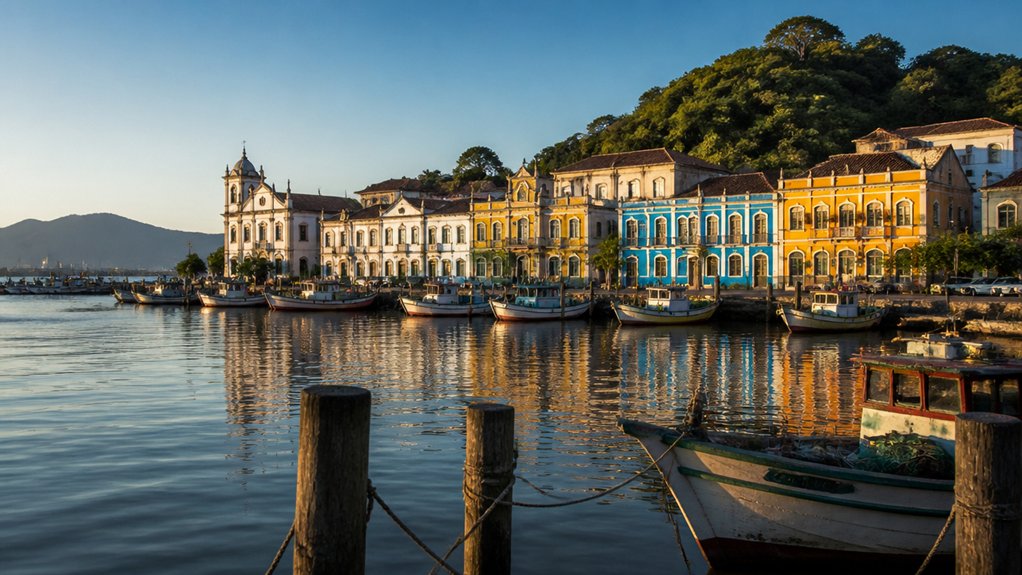
Most cruise passengers stay within the terminal area, so the actual reason to come to Itajaí gets completely missed. The waterfront—the Cais da Alfândega and the neighbourhoods around it—is where people who live here actually go, and it’s genuinely worth the walk from the ship.
Book an independent walking tour online before you arrive instead of paying for the organised ship version. You’ll spend less money, get someone who knows the place rather than someone reciting from a script, and see the neighbourhoods where the fishing history and newer development are actually taking shape. Tours book up quickly on cruise days, so arranging this beforehand isn’t excessive planning—it’s the difference between having a proper morning and standing in a queue watching everything fill up.
If walking tours don’t appeal to you, hire a taxi driver for a few hours. They’ll show you the best spots along the harbour, drive you past the old fish market and new waterfront areas, and explain what the port actually does beyond the container terminal you walked through this morning. Sort out the price before you go to avoid confusion, and you’ll have an afternoon that works on your terms rather than someone else’s schedule.
Start by walking around the central waterfront for your first hour, and the light and actual rhythm of the city will become clear. This sorts out your bearings and honestly tells you whether you want to head further inland or settle down with coffee and watch the boats instead.
History Culture and the Top Sights
Itajaí’s history is tied to fishing and immigration rather than tourism, which means the cultural sites here are functional spaces rather than attractions designed for visitors. The Museu Arqueológico documents the region’s indigenous settlement and early colonial period without theatrical presentation, and it stays relatively quiet because cruise passengers typically don’t go there.
Morro da Cruz, the hill above town, gives views across the harbour and the river mouth if you want a recognisable landmark, though it isn’t particularly worth the trip on a short day. What actually matters is understanding how the city operates: fishing boats still work from here, container ships move through the port daily, and the waterfront has developed around this working economy rather than around tourism.
Hire an independent guide who knows the neighbourhood’s history and can explain the current cultural shifts as old fishing infrastructure meets new development. This costs less than what the cruise lines charge, and you get someone who answers questions properly rather than delivering rehearsed commentary.
The best cultural experience isn’t sitting in a museum or looking at a statue; it’s spending time in the Cais da Alfândega area where people actually go, ordering coffee at a café that isn’t aimed at cruise passengers, and observing how the port functions. The fishing heritage remains visible if you know what to look for, and a knowledgeable local guide makes that visibility possible. Arrange this before you arrive because the good guides book up fast on cruise days, and you want someone with genuine knowledge rather than someone filling a schedule.
Beyond the Centre: Day Trips and Alternatives
Most cruise passengers stay within the port precinct, which means the actual city exists elsewhere. Itajaí’s substance is inland, past the container terminals and the retail designed specifically for people with six hours ashore.
Brusque and Blumenau sit within reasonable driving distance from the port, and both function as actual towns rather than tourist destinations. Brusque‘s economy depends on textile production and a working riverfront, so the food costs less and tastes better than anything near the terminal. Blumenau retains German colonial architecture and genuine urban character, though tourism has increasingly colonised it over the past decade.
Book an independent guide or small-group tour before you travel. The cruise line runs excursions to these places, but they operate on a schedule built for large groups with mandatory restaurant stops that charge accordingly. Local operators fill their spots quickly on cruise days, so reserve online rather than arriving at the port hoping for space. You’ll pay substantially less than the ship’s price and actually see how these places function.
If you prefer staying nearer the coast, the road south toward Tijucas passes through fishing settlements and farmland that feels genuinely different from the terminal zone. You’ll need a rental car or a hired driver to make this worthwhile, and timing matters because these areas are quieter earlier in the day and you need daylight for the return journey before departure.
Shore Excursion or Going It Alone
The ship excursion desk will quote you a price that makes independent booking look like theft. You’re paying for convenience and the guarantee of getting back before departure, but you’re also subsidising the cruise line’s margin and their preferred restaurant partners who’ve agreed to seat large groups quickly regardless of quality.
Going alone works if you’re comfortable with minor uncertainty and you’ve done basic planning. Hire a driver through a local operator or book a small-group tour in advance — these fill fast on cruise days and cost a fraction of what the ship charges. You’ll eat at places locals actually frequent, move at your own pace, and have genuine interaction rather than shepherded tourism.
The trade-off is real though. If something runs late, you’re accountable for getting back. If you book independently and the operator doesn’t show up, the ship won’t wait. Ship excursions are insured and coordinated with port operations, so your only risk is boredom and overspending.
For first-time visitors or anyone travelling solo, the ship option removes a layer of logistical stress that might not be worth the savings. For repeat cruise passengers or those travelling in pairs, independent booking through established local operators saves considerably and delivers better experiences. Book ahead online rather than arriving hopeful — the decent tours vanish during cruise-heavy weeks, and waiting until you’re ashore means accepting whatever remains.
Before You Leave the Ship: Itajaí Practicalities
Itajaí’s port authority has invested in functional infrastructure, so operations run smoothly compared to chaos at other Brazilian ports — the consequence is that obvious routes fill with cruise passengers and vendors adjust their prices accordingly.
Waterfront restaurants near the terminal offer convenience and safety at prices calculated for people who won’t leave the area. Head inland toward Rua 15 de Novembro and you’ll eat better food for half the cost, though you’ll need basic Portuguese and patience with service that moves according to local rhythms rather than ship schedules. The quality difference justifies the effort if you have several hours ashore.
Taxis wait at the port entrance with generally reliable drivers, but settling on a fare in advance keeps transactions straightforward. Arranging transport through a local operator before you arrive costs significantly less and ensures your driver actually knows your destination instead of steering you toward commission-heavy tourist stops.
Balneário Camboriú and Praia Brava draw excursion bookings because they warrant the trip, not because cruise lines profit from them. Book a small-group tour through a local operator in advance rather than pay the ship’s markup — established guides fill their groups weeks out on cruise days, and waiting until you’re ashore means accepting whoever’s left.
English doesn’t spread as far as you might expect. Download an offline translation app before you dock.
Your Port Day: A Sample Itinerary
Most cruise passengers waste their first hour ashore either queuing for taxis or drifting through the terminal building, which means you’ve already lost the best light and the shortest queues if you do the same. Arrange your transport before the ship docks—a local operator booked in advance costs roughly half what you’ll pay negotiating at the port gate and guarantees your driver actually knows the destination. You’ll move faster and spend less before you’ve even left the dock.
Walk inland toward Rua 15 de Novembro for breakfast at a proper neighbourhood café rather than the waterfront places charging tourist rates. The food is better, the cost is lower, and you’ll see Itajaí functioning as a working city instead of performing for cruise ships. This single decision shapes your whole day.
By mid-morning, decide between a beach day or an inland excursion. If Balneário Camboriú interests you, book a small-group tour through a local operator beforehand—the popular ones fill weeks ahead on cruise days, and waiting until you’re ashore means paying the ship’s markup for whatever remains. The beaches justify the journey, but independent tours cost considerably less than what cruise lines charge.
If you’d rather stay local, walk the waterfront properly this time, moving past the terminal zone toward the marina and the neighbourhood restaurants where locals actually eat. By early afternoon, find a quiet spot for a proper lunch—you’ll have earned it and won’t feel pressured to hurry back. This is where your port day actually begins.
Leave the port area entirely for part of your day. The moment you do, prices drop, service improves, and you’ll understand why this port warrants the stop at all. Consider purchasing a local eSIM data plan before departure to stay connected while exploring without incurring roaming charges.
Book your Itajaí day
Tours for this port, compare before you book
Getting around in port
✈️ Before you sail: eSIM, insurance, luggage, flight delays
Ships In Itajaí
Upcoming calls from our sailings tracker, updated regularly.
Costa Diadema
Costa CruisesWed 25 Nov
⚓ 08:00–17:00
Costa Diadema
Costa CruisesSat 28 Nov
⚓ 08:00–17:00
Costa Diadema
Costa CruisesWed 2 Dec
⚓ 08:00–17:00
Costa Diadema
Costa CruisesSat 5 Dec
⚓ 08:00–17:00
Costa Diadema
Costa CruisesWed 9 Dec
⚓ 08:00–17:00
Costa Diadema
Costa CruisesSat 12 Dec
⚓ 08:00–17:00