Sanremo Cruise Port Guide
Just discovered why cruise passengers miss Sanremo’s best-kept secrets—and how to avoid the tourist traps.
In this guide
Try one free personalised day plan — built around your ship’s actual arrival and departure times. Then get every port on your cruise done the same way from £7.99 (about $10).
Cruise Port Overview: What to Expect
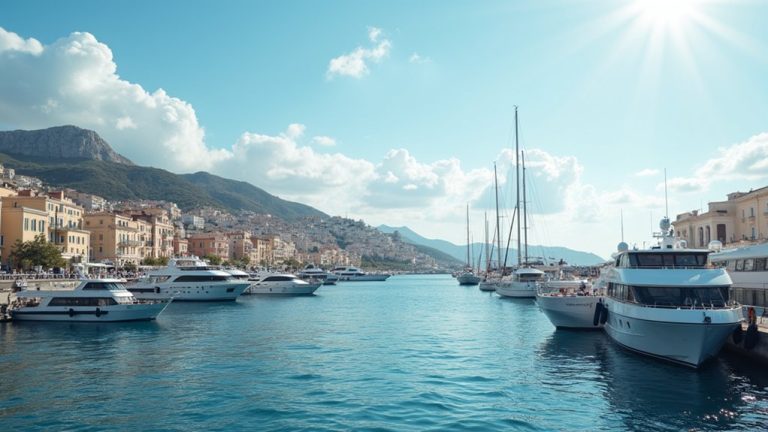
Sanremo’s cruise port works in your favour because most passengers stay within the harbour zone, leaving the actual town surprisingly quiet for a Mediterranean stop. Smaller ships can berth in the harbour, while larger ones anchor offshore and tender passengers into the heart of town, so either way you step straight into a functioning Italian port rather than something staged for tourists. This authenticity matters—it means the food is better, the locals aren’t performing, and you get a genuine sense of how the place operates.
The waterfront promenade has the expected cafés and gelato stands, and they do charge cruise-port prices, but two streets inland the restaurants serve proper food at reasonable rates. The difference between what you pay on the main promenade and what locals spend is significant enough to be worth the short walk. You won’t need transport to reach the old town, the casino, or decent places to eat, so the port’s main advantage is that everything stays within walking distance.
If you want to explore the hill towns and countryside that actually make this region worth visiting, book an independent tour before you arrive. Consider exploring shore excursions and experiences offered by specialized operators to maximize your time in this beautiful area. The cruise lines’ excursions are expensive and limited, whereas private operators offer better routes and smaller groups. Beyond those options, the harbour is safe and organised, so you can move at your own pace—grab coffee, walk around, or venture further depending on what appeals to you that day.
Getting From the Port to Town
The walk from ship to town centre takes a reasonable amount of time, so you can move at your own pace rather than feeling pressured to rush. Whether you berth or come in by tender, you land right by the promenade, which means there’s no guessing involved about where to go, and no reason to overpay for a taxi when the walk is straightforward.
Eat away from the waterfront if you want better value. Restaurants directly on the harbour charge inflated prices for standard dishes, while the side streets perpendicular to the water serve identical food at what locals actually pay. You’ll notice the difference immediately.
For anything beyond the immediate town—hill villages, countryside, coastal routes—arrange a tour operator before your ship docks. The competent ones book up quickly during cruise season, and securing a spot online beforehand gives you better pricing and smaller groups than what the cruise line arranges. You’ll spend less and see actual geography instead of cycling through the same port routine as everyone else.
The port area itself poses no real safety concerns and functions logically, so wandering around carries no particular anxiety. Having a pre-booked tour removes the midday paralysis of standing on the promenade with no clear plan. The structure matters if you value knowing what comes next rather than improvising on the spot.
The Must-Do Experience: Start Here
Most visitors spend their four or five hours in Sanremo wandering the seafront without any real purpose, which is precisely how you end up queuing for mediocre gelato at inflated prices. The real experience lies inland, in the warren of narrow streets and steep staircases that form the old town—an actual medieval neighbourhood that feels nothing like the cruise port precinct you’ve just left.
Head straight off the promenade and up into the old town’s labyrinth rather than lingering near the water. The climbing is genuine, the alleyways genuinely tight, and the light genuinely extraordinary when it filters through the narrow gaps between centuries-old buildings. You’re not looking at preserved heritage here—you’re walking through actual neighbourhoods where people live, shop, and argue in the passageways.
The Sanctuary of Madonna della Costa sits at the summit and rewards the effort, though reaching it demands proper climbing rather than a gentle stroll. The views across Liguria justify every step, and you’ll have largely shaken off the cruise crowd by the time you arrive.
The covered food market, the Mercato Annonario, sits close to the old town and shows you how locals actually live rather than how the tourism board presents the place. Grab a coffee from one of the bars here instead of the promenade chains, then spend an hour simply exploring the vertical geography without any specific destination in mind.
If you want proper structure and local knowledge, independent walking tours of the old town fill up weeks ahead during cruise season—book one online before you dock. You’ll learn the architecture, the history, and actually understand why this place exists beyond serving ships.
History Culture and the Top Sights
Sanremo’s architecture tells the story of two separate cities occupying the same space. The old town is medieval, but the belle époque villas and casino came later when wealthy Europeans started treating the Riviera as a winter destination—so you’re constantly shifting between centuries as you walk. This layering happened because trade made the town valuable first, then fashion made it fashionable.
The Cathedral of San Siro is worth entering rather than photographing from outside. The Romanesque-Gothic interior, with its pointed arches and stone columns, handles light in ways photographs flatten completely, and the modest stone exterior gives no indication of what’s actually inside. It’s survived long enough to feel genuinely old rather than restored into sterility.
The Sanctuary of Madonna della Costa sits higher up if you want a climb, then you can work backwards through the old town’s streets toward San Siro. The medieval street layout wasn’t designed for outsiders to navigate efficiently—it actually confuses you on purpose, which is precisely why it feels like an actual place rather than a theme park version of one. You’ll find small chapels, neighbourhood delis, and courtyards that exist because people live there, not because someone decided they’d be photogenic.
Local independent guides can provide focused tours of the architecture and history without the cruise-ship group structure, and they tend to fill up quickly during season so booking online beforehand makes sense. The difference between aimless wandering and actually understanding what you’re looking at changes whether you leave feeling like you saw something or actually learned something.
Beyond the Centre: Day Trips and Alternatives
The coast east of Sanremo holds actual working towns precisely because they require more effort to reach than the centre. Diano Marina, Cervo, and villages beyond still function as places where people live and work rather than perform for visitors. You’ll find functioning fishing harbours, restaurants where the catch from that morning appears on the menu, and streets that haven’t been entirely reshaped for tourism.
The coastal road itself justifies the journey on its own terms. Rather than following motorway routes that cut inland, it traces the actual geography of the Riviera and gives you a proper sense of the landscape you’re moving through. The experience of travelling along it matters more than reaching any particular endpoint.
Heading east toward Portofino requires patience but the route compensates for the distance. The road winds through hillside settlements where activity slows and the views across the Mediterranean actually match what postcards claim to show. Portofino itself has become largely inaccessible to ordinary budgets, though the coastal walking path approaching it passes through areas that organised shore excursions systematically avoid.
Independent local guides offering focused walks or village tours book out well in advance and cost substantially less than ship-organised alternatives. They work at a pace that allows you to stay in one location long enough to actually understand it, rather than rushing through multiple destinations in a single morning. Contact locally-based operators directly once your port date confirms; the established ones have limited availability, particularly for cruise passengers working within tight schedules.
Shore Excursion or Going It Alone
The ship’s excursion desk will offer you a route through Sanremo’s centre that funnels you directly into crowds from your own vessel and several others docked nearby. You’ll pay well above what the experience actually costs and spend most of your time standing in queues rather than actually looking at anything.
Going alone costs substantially less and puts the day entirely in your hands. The harbour connects on foot to the old town, which unfolds at your own pace rather than through a guided march, and you can stop wherever something catches your attention instead of trailing a predetermined itinerary. Restaurants away from the waterfront serve actual food at reasonable rates, whereas places catering to cruise passengers charge more for demonstrably worse meals.
The real question comes down to what you want from your morning: someone else managing the logistics, or the freedom to move as you like. If having someone explain what you’re looking at appeals to you, local walking tour operators run focused routes through the old town or outings toward quieter villages along the coast to the west. These fill up quickly with cruise passengers, so book several weeks ahead if you’re interested. Independent operators move at a normal pace and typically recommend restaurants where locals actually eat rather than venues that pay them commission.
Total independence means accepting that you’ll get turned around repeatedly in the old town’s narrow streets, which is actually the whole point—confusion is how you stumble onto the neighbourhoods that function normally rather than perform for tourists. Carry cash; plenty of small places still don’t take cards, and you’ll get better value everywhere when you do.
Small Things That Make a Difference in Sanremo
Sanremo’s old town gets swamped with cruise passengers between mid-morning and early afternoon, so you’ll have a far easier time if you go either before the rush or once everyone’s headed back to the ships. Most people don’t plan around this, which leaves them stuck in queues to see places they’ve already walked past multiple times that day.
The railway station is close enough to the harbour that you can reach quieter spots along the coast in minutes—head west toward Bordighera or east toward Imperia instead of staying central where every café has worked out exactly what tourists will pay. These smaller towns have actual local activity, working fishing boats, and places to eat where the bill won’t shock you. You need to check train times before you dock because schedules shift seasonally and the final trains back fill up with cruise passengers racing to make their ship’s departure.
The flower market only runs in the early morning hours, so if you’re not ashore early you’ll see empty stalls and other frustrated passengers. Getting there early is worth the effort though—this is where local florists actually buy their stock rather than something staged for visitors.
Street parking near the old town costs nothing and nobody enforces it, so you can spend hours on foot without worrying about metres or permits. The cruise desk’s organised tours deliberately skip mentioning this because it cuts into their business model. It’s the sort of detail that actually changes how you spend your time ashore.
Your Port Day: A Sample Itinerary
Get out of the cruise terminal as soon as it opens, before the old town fills with other passengers and becomes difficult to navigate. The flower market operates properly only in the early morning—you’ll see local florists and traders doing actual business rather than performing for cameras, and once the serious work is done, there’s little reason to return. After this, the market becomes background scenery.
Catch a train in either direction along the coast to Bordighera or Imperia, whichever appeals. These smaller towns let you walk without constant jostling, and the waterfront cafés charge rates that match what they’re actually serving rather than what they guess cruise passengers will pay. You’ll see working fishing boats and neighbourhood shops that don’t reorganise themselves for tour groups.
Return to Sanremo by early afternoon and move into the old town while others are at lunch or heading back to the ships. The narrow streets are navigable then, and you can sit down at an actual local restaurant without fighting for a table. By late afternoon you’re back at the terminal without rushing, having actually moved through Sanremo rather than simply passed through it twice.
Book your Sanremo day
Tours for this port, compare before you book
Getting around in port