Nome Cruise Port Guide
Brave the Arctic’s untamed landscape and gold rush history—but first, discover what locals don’t want cruise crowds to know.
In this guide
Try one free personalised day plan — built around your ship’s actual arrival and departure times. Then get every port on your cruise done the same way from £7.99 (about $10).
Cruise Port Overview: What To Expect
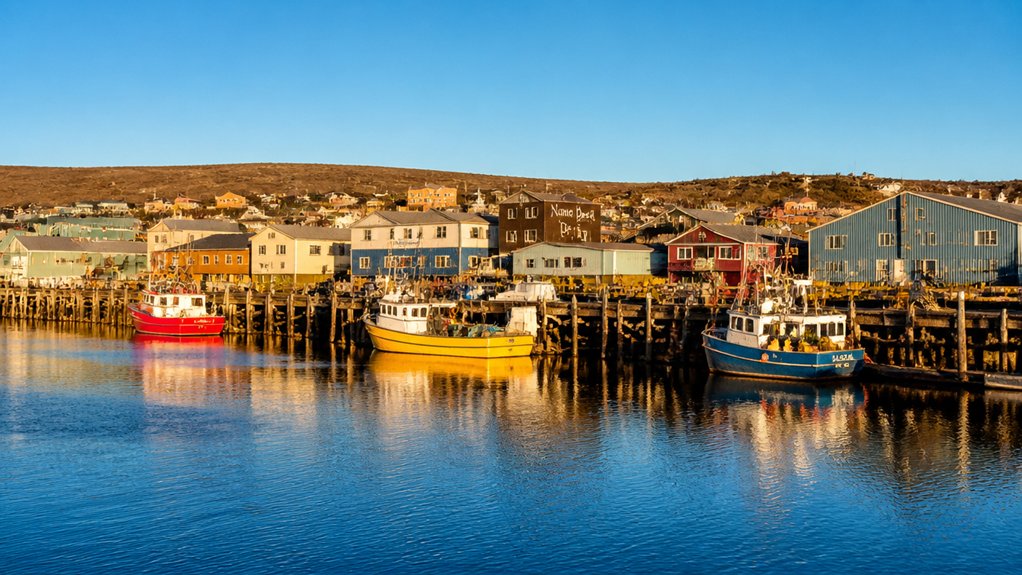
Nome operates as a genuine working port where commercial fishing dominates and the landscape exists for itself rather than for tourism. You’re arriving at the edge of Arctic wilderness, which means the infrastructure you’ll find here differs fundamentally from the developed cruise ports further south. This absence of polished attractions is precisely why many passengers find the place more authentic than their previous stops.
The port layout is straightforward and compact, putting you within walking distance of the town centre as soon as you leave your ship. No shuttles or transfers are required, though the town itself sprawls in ways that aren’t immediately obvious and require you to venture beyond the obvious streets. The deceptive Arctic light can make distances harder to judge than they actually are.
Temperature swings and wind are constant factors even during summer months, so your clothing strategy matters more here than at warmer ports. Layers that genuinely insulate work far better than the casual approach that serves elsewhere. The Arctic environment doesn’t accommodate casual preparation.
Tours beyond the immediate harbour area book up quickly during cruise season, particularly those involving wildlife or remote tundra access, so advance booking through local operators gives you better options than waiting to arrange things on arrival. Ship-based excursions typically cost more than direct bookings made beforehand through independent guides. Your limited time ashore means that planning in advance produces better results than hoping to stumble onto worthwhile activities.
Getting From the Port To Town
The walk from ship to town centre takes longer than the actual distance because the streets don’t follow an obvious pattern, and most people backtrack at least once before orienting themselves. Front Street runs parallel to the waterfront and contains the main shops, restaurants and services, though in Nome this means a straightforward commercial area rather than anything elaborate. Head inland from the port with the water behind you, and you’ll reach the central cluster of activity without difficulty.
Taxis aren’t plentiful and don’t queue at the terminal the way they do elsewhere, so arranging a ride through your hotel or tour operator beforehand works better than trying to flag one down. A few local operators run shuttles during the cruise season, though these also require advance booking. The town spreads out rather than concentrating in one area, which means you need to decide early whether to walk the immediate streets or use transport to reach the tundra and wildlife areas beyond.
Walking locally shows you how the town actually functions, but the experiences most people travel here for—gold mining sites, Inupiat cultural sites, wildlife—require transport that independent tour operators arrange more cheaply and flexibly than the cruise line. You can book guided shore excursions in advance to secure access to these remote attractions at competitive prices. These tours book up quickly during peak season, so arranging them before you arrive home ensures you get a spot at a better rate.
The Must-Do Experience: Start Here
Nome itself isn’t the draw—the tundra beyond it is, and that fundamentally changes how you should plan your time. The wildlife, open landscape, and gold mining history are what bring people here, but cruise line excursions tend to feel hurried and cost significantly more than independent alternatives.
Book a tundra or wildlife tour independently before you arrive. These operators sell out quickly during the busy season and actually know the terrain where your ship’s excursion staff has only cursory knowledge. You’ll see reindeer, musk oxen, and Arctic birds with far fewer people around you, and you’ll pay substantially less than the cruise line charges for essentially the same thing.
The Carrie M. McLain Memorial Museum provides a legitimate account of the gold rush that established the town if large-scale wildlife tours don’t interest you. It’s compact and straightforward rather than polished, which means you won’t navigate through crowds of other cruise passengers, and the material actually conveys useful information instead of repeating familiar gold rush narratives.
A morning on Front Street requires no transport and costs nothing. Grab coffee at cafés that serve locals rather than the places positioned for cruise passengers, then decide whether to commit several hours to a pre-booked tour or spend your afternoon walking through the quieter parts of town instead. Book your independent tour now since the reliable operators genuinely do sell out and you’ll have limited options if you wait until you’re dockside.
History Culture and the Top Sights
Nome’s history reads like a fever dream that nobody bothers to romanticise anymore, and that’s precisely why it’s worth your attention. The gold rush that exploded here in 1898 transformed a stretch of empty beach into a chaotic boomtown within months, then left behind a town that’s spent over a century quietly getting on with itself rather than performing for visitors.
The Carrie McLain Memorial Museum sits downtown and tells this story without the theatrical staging you’d find in more tourism-dependent ports. You’ll find genuine artifacts from the prospecting era, photographs that actually show what life was like during the rush, and information about the Indigenous Iñupiaq people whose territory this remains. The museum won’t rush you through, which means you’ll actually absorb something worth knowing rather than moving along to the next stop.
Front Street itself is the other piece of the puzzle. This is where the original beach landing happened, where fortunes changed hands, and where you can still see evidence of that frontier chaos in the older buildings. Walking this stretch gives you the texture of the place in a way no museum display can replicate, and there’s no entry fee or queuing involved.
If you want deeper context before you visit, booking a local history tour through an independent operator before arrival will anchor everything you see into proper perspective. The operators who live here know which stories matter and which ones get recycled for tourist consumption—a meaningful difference when you’re trying to understand what actually happened rather than what sounds good in marketing material.
Beyond the Centre: Day Trips and Alternatives
The real problem at Nome is that distances are substantial and transport options are thin, so reaching anything worthwhile takes considerable time. Book an independent tundra tour weeks in advance rather than relying on ship excursions—local operators know how weather patterns shift through the season and adjust routes when conditions change rapidly, whereas cruise desk tours lock you into fixed schedules and charge more for identical experiences. Getting a spot matters because these tours fill with cruise passengers before your ship even arrives.
Staying in town means walking Front Street and the adjacent neighbourhoods to see how Nome actually functions rather than how it’s packaged for visitors. The local brewery serves food without the inflated prices you’ll encounter near the docks, and the Carrie M. McLain Memorial Museum covers Western Alaska and life in its Arctic environment rather than just the gold rush, which gives practical context for the terrain beyond town. A single cruise day simply isn’t sufficient to explore the Seward Peninsula properly, so decide whether you want concentrated time in the Arctic landscape or a slower look at Nome’s actual community.
Shore Excursion or Going It Alone
Ship excursions to the Arctic sell out within days of departure, which appears sensible until you grasp that you’re paying premium prices for a coach packed with other cruise passengers and a guide reciting prepared remarks. Independent operators charge substantially less and actually pause when animals appear instead of adhering to a rigid schedule—they run local businesses, not appendages of cruise line revenue streams.
Nome runs on Alaskan time, meaning establishments open late and close early by typical standards, so arriving at the dock without a plan rarely produces results. Book your tundra tour or wildlife excursion before departure; the best local operators fill their slots weeks in advance, and cruise passengers only get what independent travellers haven’t already taken. Attempting to book from the ship means accepting whatever remains available. You can explore guided excursions through independent operators to discover authentic experiences beyond standard cruise offerings.
If you skip the full-day wilderness option, spending time in town costs far less and requires no prior arrangement. Walk to the local brewery for lunch instead of eating near the waterfront, where restaurant owners know your exact departure time and charge accordingly. The Carrie M. McLain Memorial Museum on West 7th Avenue is a short walk from Front Street and makes a good indoor stop if the wind picks up.
The real distinction between wasting your day and spending it well depends on deciding beforehand what you actually want—wilderness or the town itself—then booking accordingly in advance. Compromise solutions and last-minute decisions seldom work this far north.
Nome: Practical Details Worth Reading Twice
Nome runs on temporary staffing during the summer season, which means the museum might shut without warning and the brewery could run out of food by early afternoon. You’ll need to eat lunch before the midday period rather than banking on restaurants staying open for your entire port visit. The waterfront looks smaller on paper than it feels when you’re actually walking across it in Arctic wind.
Dress in layers you can remove quickly because temperature swings between sunlit and shaded areas are deceptive enough to make a thin jacket feel useless within minutes. Bring cash because several independent shops and smaller businesses don’t process card payments, and the dock-area ATM charges fees that exceed what you’d expect. Weather shifts without warning here, which stops being dramatic only when rain comes horizontally and your shoes soak through before you reach the next building.
Check conditions before leaving the ship but don’t use poor visibility as reason to stay aboard—overcast periods often mean more active wildlife moving across the tundra. Skip the ship excursion desk’s recommended operators because they don’t actually offer the best value or local knowledge. Book directly with independent tundra tour companies online before you depart since the reliable ones fill their slots weeks ahead and cruise passengers who wait until arrival find nothing available.
Your Port Day: A Sample Itinerary
Most cruise passengers waste their morning getting coffee aboard ship when Nome’s day moves faster than you’d expect. Start on the dock itself—walk directly to the visitor centre before heading elsewhere, because staff there know which businesses are actually open that specific day and which have closed due to staffing gaps. Grab a map, ask about weather, and confirm which tundra tour operators have availability if you’re thinking of booking a last-minute slot.
Get to the Carrie McLain Memorial Museum while conditions are favourable. You’ll get genuine insight into Arctic history and Indigenous heritage without the tourist-trap feel of larger ports, and the exhibits explain how Nome still functions as a working town rather than a cruise destination. This matters when you’re trying to understand what you’re actually looking at outside the windows.
Lunch needs to happen early at one of the local restaurants away from the immediate waterfront—the places tucked into the neighbourhood fill up and run out of food faster than you’d believe. This is where having cash matters; bring what you need because cards don’t work everywhere and you’ll have already spent what the dock ATM would charge you in fees.
Spend your afternoon on the tundra itself by booking a wildlife tour with an independent operator before you sail. These fill weeks ahead and the ones with real local knowledge won’t be available if you wait until arrival, and you’ll return to the ship having done something genuinely different from what cruise lines typically offer.
Book your Nome day
Tours for this port, compare before you book
Getting around in port
✈️ Before you sail: eSIM, insurance, luggage, flight delays
Ships In Nome
Upcoming calls from our sailings tracker, updated regularly.
ms Noordam
Holland AmericaSat 19 Jun
⚓ 08:00–17:00