Maputo Cruise Port Guide
Insider secrets to maximizing your Maputo cruise port day—discover authentic experiences locals don’t want tourists to know about.
In this guide
Try one free personalised day plan — built around your ship’s actual arrival and departure times. Then get every port on your cruise done the same way from £7.99 (about $10).
Cruise Port Overview: What To Expect
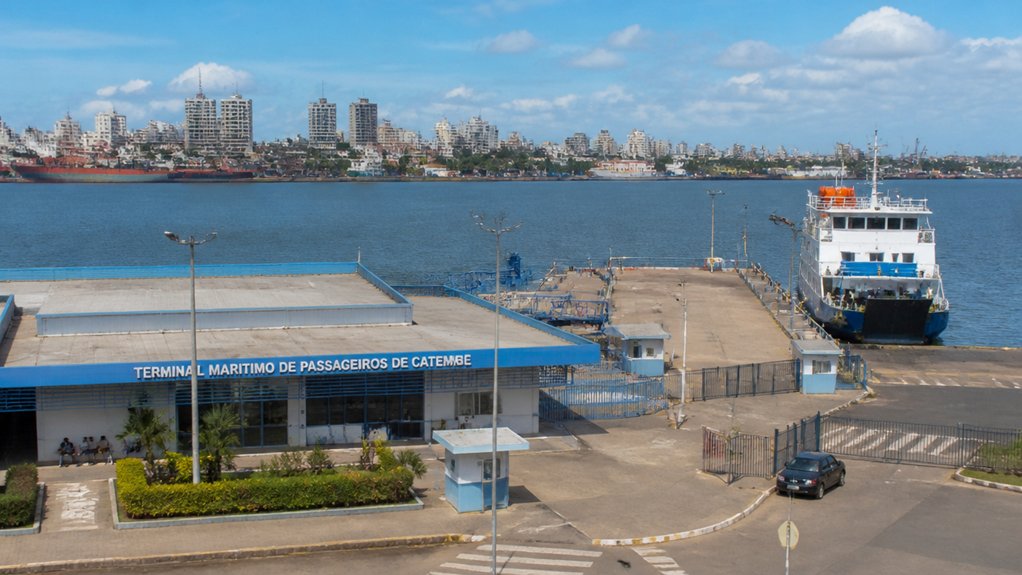
Maputo’s cruise terminal sits close enough to the city centre that you’re not isolated in a purpose-built zone designed purely for tourists. The port itself is modest and functional, with visible security but no manicured landscaping or branded retail spaces. What you get is straightforward access to a real African city without the usual cruise-port packaging.
A short walk takes you from the ship to the main avenue where the actual city begins. Your immediate choice is whether to explore alone or book an organised tour, and the practical answer matters: the best experiences require advance planning. You can book guided tours and shore excursions before your arrival to ensure access to the best cultural experiences. Independent tour operators fill their schedules during cruise season, so booking before arrival guarantees access to cultural sites and markets at better rates than the ship offers.
The Baixa neighbourhood inland from the waterfront contains what’s actually useful for a port day: galleries, colonial buildings, working restaurants, and the central market. You won’t see crowds of cruise passengers wandering aimlessly, which means you have space to move but also need a basic itinerary rather than relying on signage or following other tourists.
Getting From the Port To Town
The walk from ship to city centre takes longer than you’d expect because Maputo’s port sprawls across a wide area with no clear tourist route marked out. Taxis wait near the terminal exit, and drivers will approach you — you need to agree on a fare before getting in, since meters aren’t standard. Tour operators also meet passengers directly at the ship, which removes the need to negotiate and gets you moving straight away.
Walking is free and entirely possible if you’re on your own, but you’ll need to ask locals for directions once you’re past the dock itself. The harbour road curves into the Baixa district, and from there the street grid becomes straightforward enough to follow. This approach works if you’re comfortable with some uncertainty and haven’t packed your day too tightly.
For most cruise passengers, booking an independent local tour operator before arrival solves the transport problem cleanly. Established operators collect groups from the terminal and take you to cultural sites, markets, and colonial neighbourhoods more efficiently than navigating alone. Popular operators fill their slots quickly during cruise season, so booking ahead means you arrive ashore with a concrete plan instead of winging it. Alternatively, arranging professional driver transfers in advance ensures reliable transport without the negotiation required for casual taxis.
Once you’ve chosen your transport, the city is accessible enough. Maputo doesn’t offer the kind of obvious infrastructure you might find at other African ports, but it rewards basic planning with genuine access to how the place actually works.
The Must-Do Experience: Start Here
Maputo works better when you leave the postcard views behind and actually spend time where people live. The Baixa district trades on its 1950s atmosphere — peeling art deco, wide streets, market stalls — but cruise passengers clog the same three blocks around the Cathedral and Governo building, which turns any real experience into a photo queue.
Booking a local walking guide before arrival changes what you’ll actually see. Independent guides take you into side streets and markets away from the port-day crowds, showing you where locals eat and shop instead of where tour buses congregate. You’ll see Xipamanine Market or the Polana neighbourhood, talk to traders and residents, and understand the city beyond its colonial past.
Popular local operators fill their morning slots quickly during cruise season since those times let you fit more into a port day. Booking online a week ahead costs less than arranging it onboard and guarantees a guide with actual knowledge rather than someone reading from a script.
Walking the main streets alone and stopping at waterfront cafés remains an option, though it leaves you paying more for less understanding of what makes the city worth visiting.
History Culture and the Top Sights
Maputo’s colonial architecture matters far less than understanding why it exists, and most cruise guides treat the buildings as visual stops rather than as evidence of historical processes. The Cathedral and Governo building dominate the Baixa’s skyline, but their actual significance emerges only when someone explains how Portuguese planning shaped the city’s structure and how independence movements altered its purpose afterwards. A guide who knows this context adds genuine weight to what you’re looking at; wandering alone with plaques leaves you with photographs and no framework.
The Museu de História Natural requires deliberate effort to visit and receives minimal promotion to cruise passengers, which means you’ll encounter fewer crowds and substantially more nuance about Mozambique’s ecology and human settlement than you would anywhere near the port. Ferro Station functions as the railway headquarters and contains art deco detailing that served operational needs rather than existing purely for aesthetics. The waterfront reveals more about how Maputo operates today than how it operated centuries ago, particularly if you take coffee where local workers do instead of at establishments designed for tourists.
Independent walking guides who specialise in history and architecture offer a more coherent approach than rushing between obvious landmarks. These guides integrate the Cathedral, Ferro Station, and the Museu de História Natural into a narrative rather than treating them as separate items on a checklist, and you retain information better when someone explains context rather than herding groups through spaces. Booking such guides well ahead is necessary because the ones with genuine knowledge of the city fill available slots rapidly during cruise season.
Beyond the Centre: Day Trips and Alternatives
Most cruise passengers stay in the Baixa because the port authority and ship excursions make central Maputo feel like the entire city. You’ll understand how Mozambique actually works if you leave the colonial architecture and tourist infrastructure behind, even for a few hours.
The Museu Nacional de Arte is within reach and shows contemporary Mozambican art rather than the historical narratives clustered at the waterfront. Independent guides can explain what you’re looking at in context, turning decoration into evidence of actual artistic practice and cultural identity. Book these guides before you arrive because the competent ones fill their schedules quickly during cruise season, and you’ll pay substantially less than through the ship.
The Polana neighbourhood has residential streets where you see how Maputo residents actually live, mixed with colonial villas and modest cafés where locals eat. Getting there requires planning—this isn’t a casual walk from the harbour—but the trip shows you a city that exists for reasons other than tourism.
The waterfront markets run throughout the day and reward early arrival if you want to avoid the afternoon crush. You’ll find merchants selling to locals rather than stalls designed for cruise passengers, which means better prices and more straightforward transactions.
Independent walking tours that cover both the Baixa’s architecture and neighbourhood streets give your day a coherent structure. These guides cost a fraction of ship excursions, and booking online ahead of time secures your spot before the popular slots fill.
Shore Excursion or Going It Alone
The ship’s shore excursion desk quotes prices that assume you won’t do the maths, but the numbers don’t justify booking through them. You’re paying a substantial markup for the convenience of boarding a coach at the terminal when you could hire a guide independently and keep considerably more money in your pocket while actually seeing Maputo instead of Maputo-for-tourists.
Going it alone requires minimal planning but genuine planning nonetheless. Find a reputable independent guide through online booking platforms before your ship arrives—this is non-negotiable during cruise season because the best guides book solid weeks in advance. Your guide will take you to places the organised excursions skip because they don’t fit the schedule.
The practical advantage of independent travel is flexibility. If you want to spend an extra half hour at the Museu Nacional de Arte or linger in Polana with coffee and conversation, your guide adjusts. A ship excursion runs to the clock, herding you back to the terminal whether you’re finished or not, which defeats the entire purpose of leaving the Baixa.
The independent route requires you to be organised, punctual and realistic about your energy levels with limited time ashore. You cannot dawdle and expect to see everything. Choose your priorities—either the museums and markets, or the neighbourhoods and colonial architecture, or a guided walk combining both—and commit to that itinerary before breakfast.
Local Knowledge Worth Having Before You Dock
The port sits right against the Baixa, the old downtown, so the railway station and central market are roughly a 15 to 20 minute walk; taxis wait at the terminal if you’d rather ride. You’ll be quoted inflated fares by operators circling the port, so arrange transport through your independent guide before arrival or use a ride-sharing app if your phone has local coverage. This single decision—booking your ride in advance—eliminates the most common source of frustration and keeps you from losing precious shore time to negotiation at the dock gates.
Maputo’s centre is compact enough to navigate on foot once you’ve crossed the initial distance, but the heat and humidity make wandering without direction exhausting. Wear lightweight clothing, carry water, and use sunscreen generously because the African sun doesn’t distinguish between tourists and locals. Your guide will know which streets are safest and where to find reasonable coffee rather than the tourist-trap versions that cost more than they should.
The best independent guides book through established online platforms and fill their schedules during cruise season several weeks ahead. Search for Maputo walking tours or cultural guides that specifically mention the neighbourhoods and museums you want to see, then book immediately after confirming your ship’s arrival date. You’ll pay less than the cruise desk charges, have genuine flexibility in your itinerary, and end your day having actually experienced the city rather than observed it from a coach window.
Your Port Day: A Sample Itinerary
Don’t spend your first hour ashore waiting around for taxis. Get moving straight away and head for the Baixa district, on foot or with transport you’ve arranged in advance—this is where actual Maputo functions, and you need maximum daylight there.
Begin at the Cathedral, a colonial structure that serves as a useful neighbourhood reference point without entry fees or queues, then work down towards the waterfront markets where you’ll see how locals actually shop rather than how the area performs for visitors. By midday, settle into lunch at a proper restaurant away from the tourist-strip places that charge considerably more for the same food. Your independent guide will know where locals eat; ask for recommendations when you book.
The shade and a cold drink become necessary by this point in the African heat. Dedicate your afternoon to the Museu Nacional de Arte or the Natural History Museum if either genuinely interests you—both provide actual insight into Mozambique’s history without the exhausting coach-tour format. Alternatively, book a walking tour of neighbourhoods beyond the immediate centre through an established local platform; these fill quickly during cruise season, so arrange this before your port day.
You’ll have seen substantially more than passengers who stayed with the organised ship excursion and spent half their time on motorcoach transfers.
Book your Maputo day
Tours for this port, compare before you book
Getting around in port