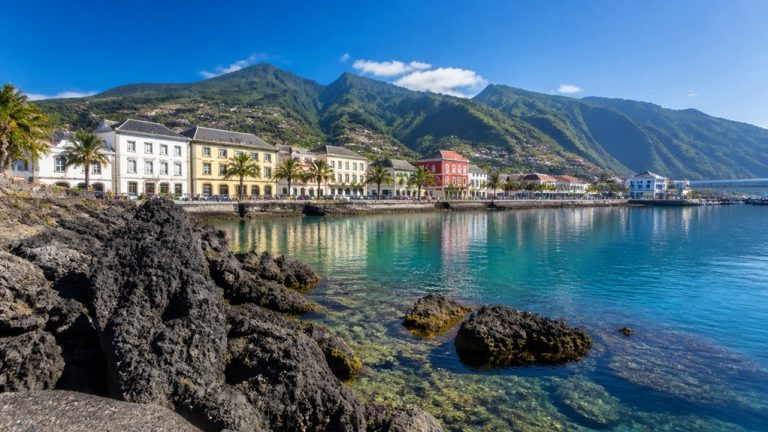
La Gomera Cruise Port Guide
Discover La Gomera’s hidden gems beyond the cruise port—but most visitors never venture far enough to find them.
In this guide
Try one free personalised day plan — built around your ship’s actual arrival and departure times. Then get every port on your cruise done the same way from £7.99 (about $10).
Cruise Port Overview: What To Expect
San Sebastián’s port is genuinely small, which means your ship will dominate the harbour visually and logistically. What you experience depends entirely on what else is docked that day—you might have peaceful streets or navigate crowds of several thousand other passengers. The actual terminal offers basic facilities: a café, a handful of shops selling the expected souvenirs, and a tourist information desk that actually provides useful advice rather than just brochures.
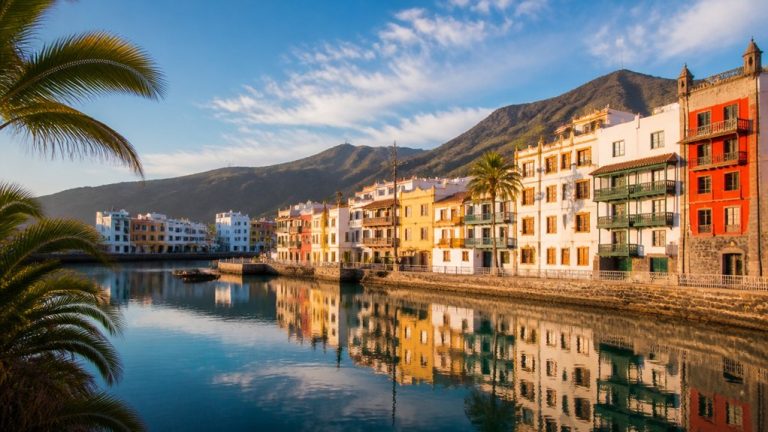
The old town sits about ten minutes’ walk from the dock along the seafront, and its tight streets become genuinely uncomfortable when multiple ships have emptied their passengers. Once you walk past the main commercial area, the congestion disappears and you’re in actual neighbourhoods where locals work and live rather than perform for tourists. This shift happens abruptly—walk a few more minutes and you’re somewhere else entirely.
Skip the ship’s organised excursions for La Gomera. The island’s appeal centres on its actual landscape and smaller villages, and the experiences worth having require advance booking through independent operators rather than last-minute decisions at the tour desk. Popular walking routes through the forests and hikes to viewpoints fill quickly with cruise passengers, so booking weeks ahead prevents you from ending up on an overcrowded standard route designed for people who’ve given it no thought.
Eating near the dock costs substantially more than eating inland. The restaurants within walking distance charge premium prices for mediocre food, whereas moving away from the tourist zone yields better meals at reasonable rates. Carry cash because many establishments don’t accept cards, and accept that the island operates without any particular hurry.
Getting From the Port To Town
San Sebastián’s centre is compact, and the walk from the dock is an easy stroll along the seafront past the marina that needs no genuine climb. Some older cobbled streets can be slippery underfoot, so proper shoes still help if you plan to explore further.
Taxis operate from the port, but the pricing reflects what drivers know about cruise passengers and their limited time. Unless you’re carrying substantial luggage or have mobility restrictions, walking costs nothing and takes a reasonable amount of time. The short walk also spares you a transaction you’ll later feel was overpriced.
The port zone itself fills with cruise passengers within an hour, which transforms the town centre into a compressed version of itself. If you want to see what San Sebastián actually is—the forests, the working villages, the landscape beyond the immediate port area—you need to move past this temporary congregation entirely. The distinction between a generic cruise experience and something with actual substance hinges on this decision.
Independent operators offer walking routes and village visits that depart directly from the dock, avoiding the crowded town streets altogether. These tours through the national park and to inhabited villages fill quickly because cruise passengers book them in advance, which means arranging your spot before you sail prevents last-minute scrambling. Booking independently also undercuts what the ship charges for comparable experiences.
The Must-Do Experience: Start Here
Most cruise passengers arrive expecting a sleepy island village and leave disappointed because they’ve spent their entire day in the port’s narrow tourist strip. La Gomera’s actual landscape—dense forests, dramatic ravines, working communities—sits entirely separate from what the cruise circuit offers. You won’t access this by wandering gift shops near the dock.
The national park dominating the island’s interior requires you to venture beyond San Sebastián’s immediate centre. Independent walking tours departing directly from the port take you into this terrain on routes ranging from gentle forest paths to serious hikes through deep valleys. These tours book quickly because they offer genuine value against what your ship charges, so reserving online in advance secures your spot and often costs less. You can book tours and activities at global ports to compare pricing and availability before your arrival.
Smaller group tours to villages like Hermigua or Alajeró show how people actually live on La Gomera—agriculture, local markets, traditional architecture—without the staged performance of larger organised groups. You’ll eat at restaurants locals use rather than establishments designed for cruise passengers, which means better food and fairer pricing.
The alternative is perfectly reasonable: spend your day in San Sebastián itself, accepting that it will be crowded and that restaurants facing the dock will cost more than they should. But if you’ve travelled this far, the forests are worth the small effort required to reach them.
History Culture and the Top Sights
La Gomera’s history sits awkwardly alongside the present day. Christopher Columbus stopped here in 1492 before crossing the Atlantic, and European powers fought over the island for centuries, yet San Sebastián’s town centre treats this past as an afterthought, though the Torre del Conde, the Iglesia de la Asunción and a small Columbus museum still stand.
The actual historical record is written into the landscape itself. Garajonay National Park shows you what the island looked like before tourism reshaped it, and walking through those ancient laurel forests tells you more than any curator could. Your time walking through the park will be more instructive than reading about colonial trade routes in a museum.
If you want historical context, independent walking tours that include the national park weave the island’s story into the experience as you move through it. This works far better than sitting with static information. The Hermigua neighbourhood, accessible by local bus or guided trip, contains traditional Canarian buildings and functioning villages that predate the cruise industry, which gives you something closer to actual cultural life than downtown offers.
The archaeological sites scattered across La Gomera are small and rarely worth visiting unless you have a specific academic interest. Your energy is better spent observing how communities actually operate away from the port and talking to people in local restaurants. That’s where La Gomera’s real story emerges, and it’s considerably more interesting than what the tourism industry packages.
Beyond the Centre: Day Trips and Alternatives
Most cruise passengers spend their La Gomera time in San Sebastián‘s centre, which empties out the quieter neighbourhoods and coastal villages the moment departure approaches. This absence of other tourists works entirely in your favour if you venture beyond the port area. You gain access to places where local life actually continues rather than pausing for seasonal visitors.
Valle Gran Rey on the western coast contains communities where people live permanently. The restaurants there serve food cooked for regular customers, not transient visitors, which translates to better meals at lower prices than you’ll find near the docks. Getting there requires taking a local bus or hiring a taxi—both cost less than a ship excursion and give you complete control over how long you stay.
Hermigua to the north requires shorter travel and offers the same practical advantages. The area has traditional Canarian buildings and working markets, and a walk through the valley shows you how the island’s agricultural economy actually functions away from tourist infrastructure. Eating there costs significantly less than dockside dining, and the food itself improves accordingly.
Garajonay National Park deserves more than the rushed pace of a standard ship tour. Booking an independent guided walking tour online before you arrive guarantees your place, since these fill quickly with cruise passengers, and often costs less than what the ship charges. A half-day walk through the laurel forests leaves you with time for a proper meal in a quieter village before returning to your ship.
Shore Excursion or Going It Alone
The ship’s excursion desk presents a choice that serves neither option well: pay their inflated rate for a crowded group tour, or remain onboard. La Gomera’s modest size means independent exploration costs considerably less and delivers superior value, provided you arrange things beforehand.
Ship excursions to Garajonay National Park follow a predictable formula: a rushed coach journey, a brief forest walk, and a hurried return to port. You pay substantially more than you would booking the same walk independently online days before arrival. The difference accumulates when you factor in the ability to choose your own pace and linger if the forest interests you.
Local transport functions efficiently and affordably. Buses run regularly to Valle Gran Rey and Hermigua, and taxi drivers at the port charge reasonable rates for direct journeys. Either option leaves more money in your pocket than what the ship charges for comparable routes. More crucially, you control where you go and how long you stay—no waiting for slower walkers, no enforced lunch stops at premium prices.
The practical reality is that independent walking tours through Garajonay fill quickly during cruise season. Booking online days or weeks ahead isn’t optional if you want a guide; it’s simply how you secure a place. These tours typically cost a fraction of the ship’s offering and include local knowledge that standard cruise excursions never provide.
Your best days in La Gomera happen when you step outside the port infrastructure entirely. Spending thirty minutes researching and booking independent options beforehand pays dividends in both cost and actual experience.
What Experienced Cruisers Know About La Gomera
Most cruise passengers never leave the immediate harbour area, so you’ll see the same tourists repeatedly if you stay close to the port. The real La Gomera exists further out, where restaurant bills drop significantly and locals vastly outnumber visitors. Getting beyond this zone requires minimal effort but yields disproportionate returns.
Download offline maps before you arrive. Mobile coverage exists but proves unreliable at crucial moments, and you don’t want to waste your port hours hunting for a taxi rank or verifying bus times while your ship’s departure window shrinks. A map file takes seconds to download and removes a source of genuine stress.
Carry cash in small denominations. Smaller restaurants in Valle Gran Rey and inland villages operate primarily on cash, and many taxis lack card readers despite what port staff claim. This isn’t an inconvenience; it’s simply the practical reality of how payments work outside the tourist centre.
Garajonay requires an early start if you’re going solo. The forest canopy blocks light, trails become monotonous without ecological knowledge, and you’ll want daylight when you return rather than scrambling back in darkness. Bring more water than seems reasonable.
Your actual advantage as an independent traveller is the ability to change course when something disappoints you. Organised groups are locked into their schedule and must negotiate with dozens of other passengers to deviate. You can simply abandon a poor experience and try something else, which matters far more than any other factor in determining whether your port day feels wasted or worthwhile.
Your Port Day: A Sample Itinerary
Most cruise passengers waste their morning waiting for the port to empty, then bolt inland around lunchtime when everywhere is rammed and staff can barely keep up.
Get off the ship the moment the gangway opens. Head to the bus station near the port and take a service to Valle Gran Rey on the west coast. This route bypasses the crowds that most passengers never leave behind because they stick to walking distance from the terminal. The valley has black sand beaches below steep cliffs, and the village spreads across different levels with actual restaurants where locals eat.
Spend midday walking through the lower village. The narrow streets have small shops stocking local cheese and honey, and beachfront cafés serve lunch at rates you won’t find near the port. The water is cold even in summer, so only swim if you’ve brought suitable kit.
The whole thing works without faffing about with complex arrangements, and you’ll actually be somewhere that cruise tourism hasn’t colonised.
Book your La Gomera day
Tours for this port, compare before you book
Getting around in port