Jakarta Cruise Port Guide
Avoid costly cruise line tours—discover how independent travelers maximize Jakarta’s hidden gems and authentic experiences in just hours ashore.
In this guide
Try one free personalised day plan — built around your ship’s actual arrival and departure times. Then get every port on your cruise done the same way from £7.99 (about $10).
Cruise Port Overview: What To Expect
Jakarta’s cruise terminal sits far enough from the city centre that your time ashore requires advance planning. The port is purely functional—tour operators, money changers, and souvenir stalls exist here, but there’s little reason to linger once you’ve sorted your onward travel.
Your first decision is whether to go into the city or stay near the port. Entering Jakarta itself means dealing with serious crowds, traffic that barely moves, and intense heat that catches out unprepared visitors. A few hours ashore is simply not enough time to move through the city at a casual pace.
Book a guided tour independently before your ship arrives rather than purchasing one through the cruise line, which charges significantly more and runs on a schedule that feels glacial. These tours fill quickly for cruise passengers, so secure your booking online ahead of time. A morning visit to the Old Town or one of the major museums gives you actual understanding of Jakarta without the stress of navigating it alone.
If you’d rather manage your own route, use a driver app to arrange transport rather than taking a terminal taxi—you’ll see the fare upfront and avoid the back-and-forth of negotiated pricing. For a more reliable experience, consider booking airport and port transfers with professional drivers in advance. Sort your transport before you leave the ship; wasting your first thirty minutes in the terminal deciding what to do is time you won’t get back. Have a concrete plan or you’ll drift through your port day accomplishing nothing.
Getting From the Port To Town
Getting from the port to town eats up far more time than cruise passengers anticipate, so how you arrange transport will either consume your entire day or leave you with actual hours to spend in the city. Book a ride through a ride-hailing app before you disembark, which locks in your fare beforehand and eliminates the port taxis that operate on inflated pricing for cruise passengers. You’ll have a vehicle ready when you clear the gates rather than joining the scramble of other passengers at the terminal trying to sort themselves out.
If you’re taking an independent guided tour, your operator handles transport as part of the arrangement and gets you moving on schedule without the friction of negotiating with drivers or figuring out directions yourself. This approach works particularly well on your first visit since someone else manages the logistics while you focus on what you’re actually there to see. The cruise line’s port transfer service costs more than booking independently and wastes time stopping at multiple hotel drop-offs before reaching anywhere worth exploring.
Travel through Jakarta with minimal baggage and leave anything valuable locked in your cabin. Wear shoes you can walk in properly because the pavements are uneven and often crowded, and carrying less means you move faster and draw less attention as you navigate.
The Must-Do Experience: Start Here
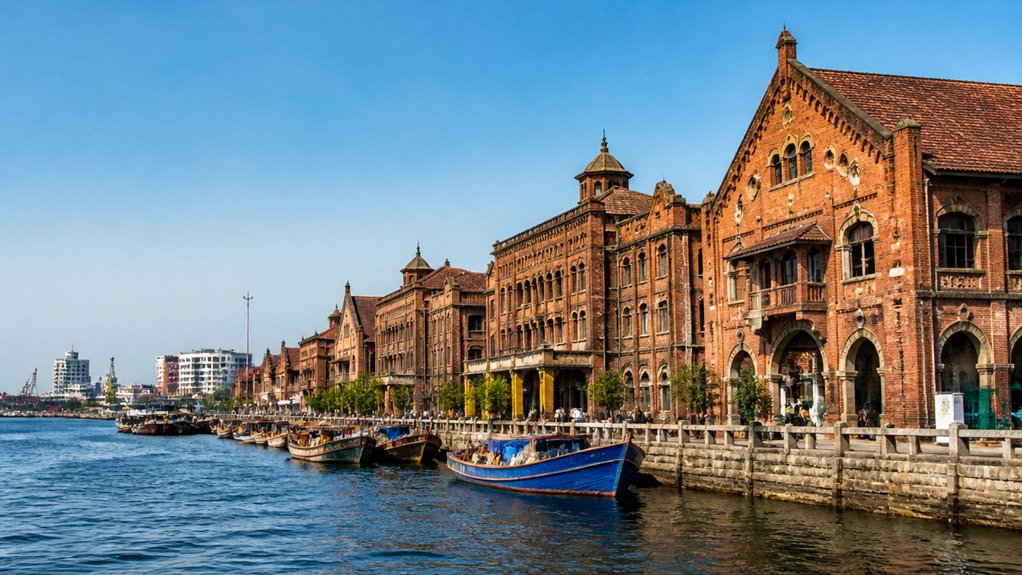
Kota Tua works because it operates outside the cruise ship circuit. Colonial Dutch architecture, functioning markets, and streets built for actual commerce rather than tourism give you a clearer picture of how Jakarta functions than any sanitised port experience.
Start at the waterfront where fishing boats and cargo vessels still move cargo. Walk inland through narrow streets lined with shophouses and restored warehouses, then navigate the residential areas branching off the main routes. The Jakarta History Museum on Fatahillah Square sits nearby if you want historical context, though simply observing how people use these spaces teaches you more than curated displays.
The café culture around the old squares is where locals actually spend their time. Coffee costs less than anything near the terminal, and you sit among people going about their day rather than performing for cameras. The photography improves noticeably the further you walk from the main thoroughfares, and the sense of genuine commerce becomes clearer.
Book an independent walking tour in advance through operators who specialise in the district. Cruise passengers book these tours quickly, so reserving online beforehand prevents you from arriving at the port only to find everything full. A knowledgeable guide structures your morning properly and explains the city’s layers in ways that random wandering cannot replicate.
History Culture and the Top Sights
Jakarta’s museums exist separate from the city’s actual functioning. You’ll understand the place better by watching how people operate in the streets than by reading wall text in climate-controlled rooms.
The National Museum contains legitimate objects—Hindu-Buddhist sculpture, Islamic manuscripts, evidence of Indonesia’s successive layers of occupation and trade. The genuine narrative, though, happens in Kota Tua‘s working markets and shophouses where people still conduct business rather than perform for visitors. A museum visit gives you chronological structure if you need it. Street observation teaches you how Jakarta conceives of itself now.
The architecture of the Old Town documents the colonial period without needing interpretation. Dutch warehouses stand adjacent to Chinese shophouses and Arab trading quarters, each neighbourhood bearing the imprint of the communities who established them. The physical layout functions as historical record because people have continued living and working within these structures rather than cordoning them off.
Specialist guides who focus on either colonial history or Islamic Jakarta will move you through relevant sites in logical sequence rather than letting you drift between scattered highlights. These tours attract cruise passengers in quantity, so booking online beforehand matters. A structured morning with someone who knows the connections between places produces actual understanding rather than a collection of photographs.
Beyond the Centre: Day Trips and Alternatives
Most cruise passengers stay within the port area, which leaves the neighbourhoods beyond Kota Tua functioning as ordinary districts rather than tourist zones. You’ll experience actual Jakarta if you’re willing to travel for a couple of hours, but you’ll spend more time on transport than looking at things.
Depok to the south and Tangerang to the west are the outlying areas worth the effort. Depok offers university life and local food culture without the concentration of foreigners you’ll find in central Jakarta, while Tangerang has traditional batik workshops where artisans still work by hand rather than perform for visitors. These places don’t appear on standard cruise itineraries precisely because ordinary people live there—you’ll encounter people doing actual work rather than serving tourists with rehearsed English and inflated prices.
Getting to these neighbourhoods independently requires using local transport, which works reliably but needs basic navigation skills and acceptance of uncertainty. The cruise line’s excursions to these areas, when available, cost substantially more than arranging your own transport and hiring a local guide would, and they group you into tours that undermine the whole reason for going. Independent operators in Jakarta offer half-day neighbourhood tours that include transport and a knowledgeable local guide who can answer real questions instead of reciting a script.
Booking these independent tours online before your ship arrives gives you better availability and typically costs far less than what the cruise line charges for similar experiences. Tours fill quickly during cruise season, so advance booking matters if you want a spot.
Shore Excursion or Going It Alone
The cruise line’s guided tours cost roughly twice what you’d pay booking independently, and you’ll spend half your time waiting for other passengers rather than actually exploring. Your choice fundamentally comes down to whether you value convenience or want better value for money, and in Jakarta these genuinely conflict.
Booking through the cruise line gives you certainty that your guide will be there when you return and that everything runs on the ship’s schedule. You won’t have to navigate the city yourself, which reduces stress when you don’t know where things are and your time is limited. The cost is steep for that assurance, and the tour itself will be designed around what works for a group of thirty people rather than what you actually want to do.
Independent booking requires real work before you arrive. You need to research local operators, check recent reviews from other cruise passengers, and book tours online ahead of time. The popular experiences—batik workshops in Tangerang and neighbourhood walks through Depok—fill up fast during cruise season, so you can’t leave booking until the last minute if you want something specific. Operators who work regularly with cruise passengers build in enough time before ship departure so you won’t miss your vessel, and the guides respond to your actual questions instead of delivering a standardised talk. You can explore guided excursions tailored specifically to your interests rather than generic itineraries.
The real gain from independent booking is lower costs and genuine flexibility. You’re essentially deciding whether to pay for the convenience of the cruise line or to pay less and have an experience shaped by your own interests—and in Jakarta, things are noticeably better when you’re not part of a group in matching identification lanyards. Booking independent tours online before you arrive gives you better value and access to experiences actually worth your time ashore.
What Experienced Cruisers Know About Jakarta
Jakarta’s cruise terminal occupies an active working port where container ships and cargo operations form the actual landscape—there’s nothing polished about it, and the streets shift character depending on which direction you head. Taxis queue outside the terminal with drivers negotiating individual fares rather than using meters, so use a ride-hailing app instead and have your destination locked in before you request anything.
The city centre feels further than it is because traffic behaves unpredictably at any hour. What should take thirty minutes regularly stretches to ninety, so avoid activities with fixed timing unless you’ve padded your schedule substantially. Road transport is the only practical way from the terminal to Museum Textil or the Old Town, so use a ride-hailing app or a pre-booked driver and set off early.
Street food near the port costs significantly less than anywhere near tourist concentrations, but eat only at stalls with steady customer flow where food doesn’t linger. Avoid anything sitting under heat lamps, and skip salads unless you know the water source. Small restaurants one block inland from the obvious tourist areas serve better food at better value, though you’ll need to ask locals for directions instead of relying on signage.
Most independent tour operators require upfront online payment, which feels uncomfortable until you realise cruise lines have simply normalised their own inflated costs. Book batik workshops or guided neighbourhood walks well in advance—the experienced guides fill their schedules during cruise season and won’t have space if you wait until arrival.
Your Port Day: A Sample Itinerary
Jakarta works differently than cruise ports designed purely for tourists. Most passengers underestimate the city because a working port moves at its own rhythm, which means a focused plan beats trying to cram in everything.
Start early at Museum Textil in West Jakarta by booking a driver or ride-hailing car before you leave the ship. This move gets you out ahead of the terminal crowds and into something substantive while the museum is still quiet. You’ll grasp Indonesian textile work far better than any guidebook summary could provide.
By midday, head to Old Town using whatever transport makes sense given traffic and how you’re feeling. The colonial buildings and street-level reality show you Jakarta as it actually functions, not as a port destination. The restaurants tucked away from main squares serve proper food at fair prices because locals eat there.
For your afternoon, book a batik workshop or guided walk through an independent operator weeks ahead if possible, since popular guides fill their schedules during cruise season and won’t fit you in last-minute. These cost less than ship excursions and connect you with someone who actually lives in the city. If workshops feel too rushed for your timeline, spend time back in Old Town with coffee and observation, then return to the terminal with genuine buffer time before departure.
Book your Jakarta day
Tours for this port, compare before you book
Getting around in port