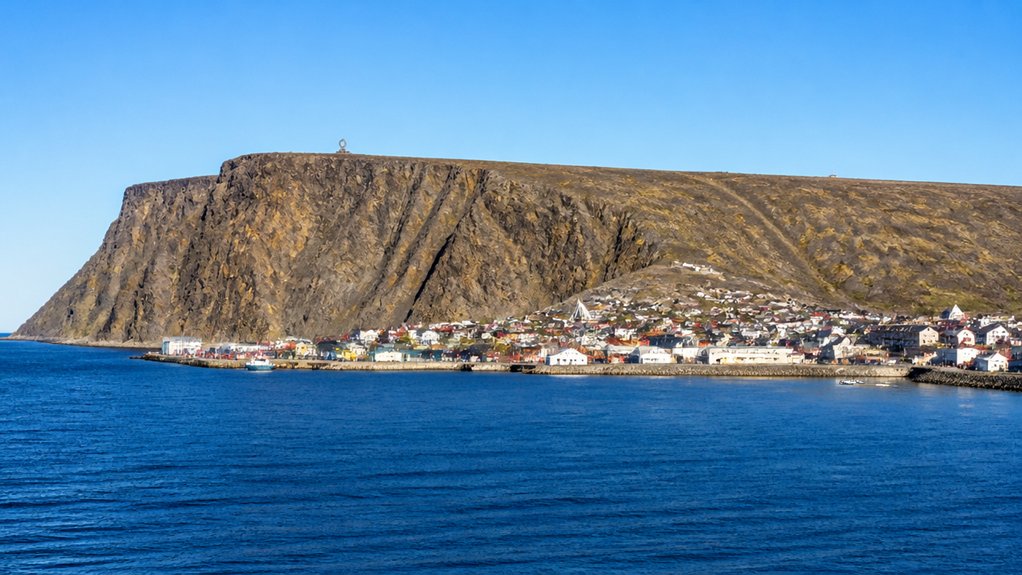
Honningsvag Cruise Port Guide
Beyond the typical cruise experience, discover how to navigate Honningsvåg’s authentic Arctic fishing culture and maximize your port day—but there’s a catch.
In this guide
Try one free personalised day plan — built around your ship’s actual arrival and departure times. Then get every port on your cruise done the same way from £7.99 (about $10).
Cruise Port Overview: What To Expect
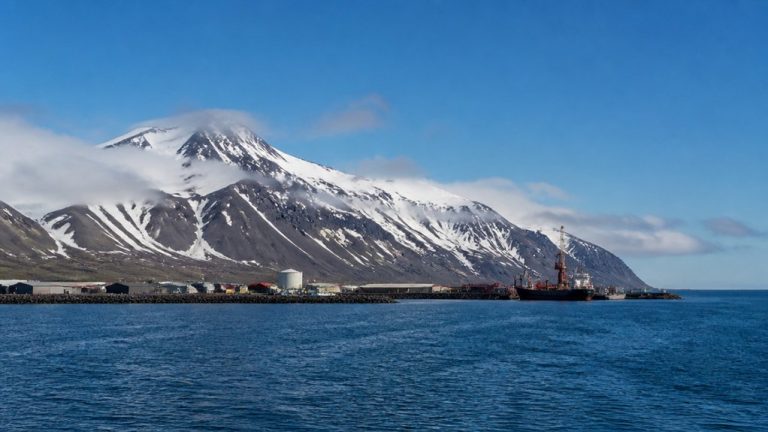
Honningsvåg is a working fishing town with a cruise terminal, not a purpose-built port designed to entertain thousands of visitors daily. What you get depends on what you’re after: either the genuine rhythms of a functioning Arctic harbour or frustration that there aren’t enough packaged activities to fill your day. The port is small and walkable, which means you can actually get a sense of the place without being herded through themed zones.
Your ship docks close enough to town that you can walk ashore and orient yourself within minutes. The waterfront is straightforward to navigate when the weather cooperates, and the seafood restaurants are there because fishing boats unload their catch here, not because someone decided this would be a good tourist draw. Weather is the real factor—this is the Arctic, and it shifts quickly, so bring proper clothing rather than hoping for the best.
Most cruise passengers see Honningsvåg as a launching point for North Cape rather than worth exploring in its own right, which is a missed calculation. If you’re set on that trip, book independently and early, as the decent operators fill up fast and cost considerably less than what your ship will charge. If you skip the North Cape, the actual appeal is straightforward: fishing culture, seafood, and Arctic terrain, all accessible simply by walking around and talking to people who live here.
Getting From the Port To Town
The terminal sits right in Honningsvåg’s centre, so the walk into town takes only a few minutes and needs little navigation. You’ll be moving through the main streets almost as soon as you step ashore. Nothing in town requires motorised transport—everything worth visiting is walkable, and the route itself becomes part of how you understand the place.
Taxis wait near the terminal if you need to move fast, though the cost barely justifies it for short distances. Walking makes more practical sense: head toward the harbour, use the water as your reference point, and navigate by what you can see rather than street names. The restaurants, shops, and fishing boats will announce themselves naturally as you move through.
If you’ve booked a guided tour independently rather than through your ship, clarify the meeting point when you confirm. Most operators either collect from the terminal or designate a spot in town, and you’ll know this when you book. You can also book guided tours directly through cruise port platforms to compare options and secure your spot in advance. Arranging this beforehand—and booking early, since popular tours fill with cruise passengers—means you can walk around without watching the clock or worrying you’ll miss your group. The harbour remains your constant point of reference; everything else flows outward from there.
The Must-Do Experience: Start Here
The fishing industry isn’t background here—it’s the actual reason this place exists, and time spent around the harbour is where understanding happens rather than surface observation. Forget the gift shop version of local culture and instead watch boats unload their catch, observe the processing plants at work, or join a fishing tour if your schedule permits.
The harbour requires your attention. Walk the quays, watch what’s actually happening, buy coffee from a local café instead of relying on your ship. The water, the boats, the practical working rhythm—this is Honningsvåg’s real centre, not a packaged tourist area.
For genuine engagement beyond casual wandering, book an independent fishing tour before you arrive. These fill quickly with cruise passengers and the better operators get booked out first. You’ll learn how the industry actually functions, handle real equipment, and understand why this remote island has sustained itself for centuries.
Visit during the fishing season if you can, when the fleet is at its busiest. The scale and pace of work here are genuinely compelling—no performance needed. Walk back through town afterwards with that context intact, and everything else you see will make considerably more sense.
History Culture and the Top Sights
Honningsvåg exists because of fishing, and its cultural value lies in understanding that reality rather than viewing it through museum glass. The North Cape Visitors Centre sits on the North Cape plateau, often billed as Europe’s northernmost point, though booking an independent coach tour in advance makes sense—cruise line excursions cost significantly more and popular operators reach capacity during peak season.
Walking slowly through town teaches you more than hurrying past attractions. The Honningsvåg Church is architecturally modest but gains meaning from its location, and the harbour-side buildings reveal how fishing wealth determined what was built and where. The main street shops sell overpriced postcards and mass-produced knitwear, so you can skip them entirely.
Arrange a visit to a working fish processing facility or smokehouse before your ship docks if you want genuine insight. These are functioning workplaces rather than staged attractions, and they show why this industry matters to the place. Local operators can arrange access, and booking online ahead of arrival usually costs less than negotiating with port agents on the day.
Spending time on the quays watching the active harbour costs nothing and teaches you far more about Honningsvåg than any formal facility. Weather permitting, this is the most direct way to understand how the town actually functions.
Beyond the Centre: Day Trips and Alternatives
Most cruise passengers skip anything beyond the North Cape, which is why the surrounding landscape feels genuinely empty when you venture out. The Arctic tundra around Honningsvåg doesn’t generate social media content, so you’ll have actual solitude—something rare on any cruise itinerary. This emptiness is precisely what makes it worth experiencing.
The North Cape Plateau is your main option for a day trip, and it requires some forethought. Independent coaches run from the harbour, and booking online before you arrive costs less than the ship’s excursion while giving you better departure times. The plateau itself means a short walk across bare ground to reach the monument, followed by time spent at the visitor facilities and taking photographs that matter only to you.
Weather shifts without warning in this region, so pack layers regardless of what conditions look like in the morning. Bring proper footwear and wind-resistant clothing, as the plateau offers no shelter once you’re away from the visitor centre. What seems manageable at the harbour can become uncomfortable quickly once you’re exposed on the plateau.
Hiring a private guide through local operators gives you a different experience than the standard coach trip. You’ll explore the surrounding plateau at your own pace, visit smaller fishing communities, and see how people actually live instead of queuing for the standard photograph. These guides understand how wind and light move across the landscape and can change plans based on what conditions are actually doing, something impossible with a full coach.
Skip the expensive café at the visitor centre and bring supplies from shops near the harbour instead. Your ship probably won’t return to Honningsvåg, so the North Cape represents your genuine reason for stopping here. Planning properly transforms this from a rushed tourist exercise into something that actually justifies the effort involved.
Shore Excursion or Going It Alone
The ship’s excursion to North Cape costs significantly more than arranging your own transport, and you’ll lose half the day standing around waiting for other passengers instead of actually being on the plateau. If you’re reasonably fit and can handle navigating independently, going alone is far better than shepherding forty people between the same viewing points. The practical requirement is that you research transport before arriving and move efficiently once you’re ashore.
Local coaches run from near the harbour regularly throughout the day, and booking online before your ship docks gets you a seat at a fraction of what the cruise desk charges. You gain real flexibility—you leave when you choose, stay as long as weather permits, and avoid the visitor centre’s expensive food and drinks entirely. The responsibility falls on you to time your return to the ship, so you’ll need to build in a genuine buffer for things going wrong.
Hiring a private guide through local operators turns the experience from a rushed checkbox into something that actually justifies the effort. Independent guides book up quickly during cruise season because you’re competing against passengers arriving on multiple ships, so arrange this well ahead online. A knowledgeable guide positions you properly for light conditions, explains what you’re actually seeing, and changes the plan if weather deteriorates—none of which happens on a full coach tour.
North Cape works best when you’ve sorted the logistics beforehand. Turning up at the harbour hoping to find something available means either overpaying for the ship’s package or finding nothing available at all. Spend twenty minutes booking before you leave home, and your day becomes something worth the journey to this remote part of Norway.
What Experienced Cruisers Know About Honningsvag
The cruise desk will sell you their standard excursion package without explaining that your shore time is limited and the coach journey eats up a significant chunk of it. Honningsvag works best as a staging point rather than a destination itself, which means your actual advantage comes from leaving the tourist areas behind entirely. The real strategy involves moving quickly past what the port offers and accessing what lies beyond.
The visitor centre café charges roughly twice what local shops do for basic supplies, so buy your food and drinks before boarding any organized tour. The supermarket within walking distance stocks what actual residents buy at prices that reflect local rates rather than harbour markups. You’ll save both money and time by handling this before you commit to any excursion.
Weather dictates everything in this region more than anywhere else on your cruise itinerary. The plateau can become inaccessible without warning and your ship departs on schedule regardless, so check conditions before deciding on North Cape and have a realistic alternative ready—whether that’s time in the fishing village itself or a coastal route instead. Private operators adjust their routes based on what they know about local weather patterns, which is exactly why booking someone in advance beats showing up and hoping availability exists.
Your phone roaming charges will be brutal in northern Norway, so arrange an international plan or pick up a local eSIM data plan before you arrive in port. Asking the ship to delay departure isn’t feasible, and you won’t be able to manage without communication if something goes wrong.
Your Port Day: A Sample Itinerary
Most cruise passengers spend their morning in queues at the visitor centre and waiting for coaches to fill, when they could be outside assessing what’s actually possible based on the day’s conditions. Start at the supermarket while your ship is still being secured—grab coffee, lunch supplies, and snacks at local prices, then head to the visitor centre with a clearer picture of what you’re working with. If North Cape is accessible and you’re genuinely interested, book an independent guided tour immediately rather than hoping for availability later, as the plateau fills quickly and direct bookings with local operators cost considerably less than ship excursions.
If weather makes the plateau impractical, spend your midday in Honningsvag itself. Walk down to the harbour, eat at a local restaurant instead of the overpriced cafés near the port, and talk to fishermen about their recent catches—this is where you’ll understand what the place actually is. The fishing village only reveals itself when you’re not shuffling between a coach and a predetermined stop.
Your afternoon follows what you’ve chosen to do. If you’ve gone to North Cape, your guide manages the timing back to your ship far better than you can, so stay focused on that coordination. If you’ve stayed local, use the remaining hours to walk beyond the immediate port area, photograph the boats without rushing, and buy something handmade from neighbourhood shops rather than the port stalls. You’ll board your ship having actually experienced somewhere rather than simply crossed it off a list.
Book your Honningsvag day
Tours for this port, compare before you book
Getting around in port
✈️ Before you sail: eSIM, insurance, luggage, flight delays
Ships In Honningsvag
Upcoming calls from our sailings tracker, updated regularly.
MSC Preziosa
MSC CruisesTue 11 May
⚓ 13:00–01:00
ms Nieuw Statendam
Holland AmericaThu 20 May
⚓ 10:00–19:00
Fred Olsen Balmoral
Fred OlsenSun 23 May
MSC Preziosa
MSC CruisesWed 2 Jun
⚓ 13:00–01:00
Costa Favolosa
Costa CruisesThu 3 Jun
⚓ 20:00–18:00
Costa Favolosa
Costa CruisesWed 16 Jun
⚓ 08:00–18:00